.png)


Shaping the Future of Gastrointestinal Cancer Treatment
Overview of Gastrointestinal Cancer Challenges
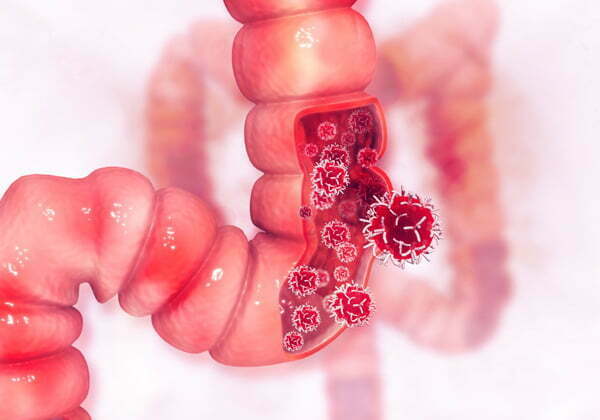
Gastrointestinal (GI) cancers remain a leading cause of cancer-related deaths worldwide, with rising incidence rates, especially among younger populations. Patients often face high recurrence rates and poor prognosis.
Importance of Advanced, Multidisciplinary Treatment Strategies
Addressing these challenges relies on multidisciplinary care involving oncologists, surgeons, gastroenterologists, and other specialists. Personalized treatment plans integrate surgery, chemotherapy, immunotherapy, and advanced radiation techniques, supported by enhanced recovery protocols.
Emergence of New Technologies and Therapies for Better Patient Outcomes
Recent innovations include AI-guided diagnostics, molecular profiling for targeted therapies, and novel agents like antibody-drug conjugates and immunotherapies. Cutting-edge approaches such as hyperthermic intraperitoneal chemotherapy (HIPEC), CAR-T cell therapies targeting GI-specific antigens, and precision immunomodulators improve treatment precision and efficacy, offering hope for improved survival and quality of life for GI cancer patients.
Key Facts on Advances in Gastrointestinal Cancer Immunotherapy and Targeted Treatments
- Adding durvalumab to FLOT chemotherapy significantly improves event-free survival in stomach, esophageal, and G/GEJ cancers.
- Combination of personalized TIL therapy with pembrolizumab results in about 24% objective tumor reduction in metastatic GI cancers, with responses lasting over 5 years.
- Immunotherapy, especially checkpoint inhibitors, is highly effective in MSI-H and mismatch repair deficient GI tumors, improving survival outcomes.
- Emerging bispecific antibodies aim to simultaneously target two immune pathways, amplifying anti-tumor immune responses while reducing toxicity.
- Zolbetuximab, an ADC targeting CLDN18.2, shows promise in gastric and G/GEJ cancers expressing this protein, improving survival when combined with chemo.
- KRAS G12D targeted degrader ASP3082 is in Phase 1 trials for pancreatic cancer, marking progress against difficult-to-treat mutations.
- Liquid biopsies like MSK-ACCESS enable noninvasive tumor profiling and real-time monitoring through circulating tumor DNA analysis.
- AI models predict immunotherapy response with up to 80% accuracy and assist early cancer detection via endoscopic image analysis.
- CAR-T and T-cell engager therapies targeting Claudin 18.2 and Glypican 3 are pioneering cell-based immunotherapies for GI cancers.
- Next-generation vaccines, including mRNA personalized vaccines, aim to induce immune responses against tumor-specific mutations, advancing personalized immunotherapy.
1. Precision Immunotherapy: Novel Combinations and Checkpoint Inhibitors

How does the addition of durvalumab to chemotherapy impact gastrointestinal cancers?
The Matterhorn Phase 3 clinical trial results showed adding FDA approval of durvalumab immunotherapy to the standard FLOT chemotherapy regimen significantly improved event-free survival in stomach, esophageal, and gastroesophageal junction cancers. At two years, 67.4% of patients receiving durvalumab remained free of cancer recurrence versus 58.5% with chemotherapy alone. This combination also maintained a favorable safety profile without increasing serious side effects or affecting surgery eligibility. These results support durvalumab plus chemotherapy as a promising new global standard of care.
What are the advances in combining pembrolizumab with TIL therapy?
A novel personalized immunotherapy approach using tumor infiltrating lymphocyte (TIL) therapy combined with the checkpoint inhibitor pembrolizumab demonstrated significant efficacy in treating metastatic gastrointestinal cancers. Patients receiving both TILs and pembrolizumab achieved about a 24% objective tumor reduction rate compared to 7.7% with TIL treatment alone. Responses were durable, lasting from 8 months to over 5 years. This combination enhanced the immune system’s attack on tumors, paving the way for improved immunotherapeutic strategies.
How is immunotherapy tailored for MSI-H and other GI cancer subsets?
Immunotherapy—especially immune checkpoint inhibitors—is notably effective in MSI-H (microsatellite instability-high) and mismatch repair deficient gastrointestinal tumors, improving survival outcomes often without chemotherapy. Ongoing research evaluates targeted treatments for other molecular subsets, such as KRAS-mutated and HER2-positive cancers, integrating immunotherapies with other modalities for personalized care.
In what ways do bispecific antibodies and checkpoint inhibitors enhance immune response?
Emerging bispecific immunotherapies in GI cancer are designed to simultaneously engage two immune targets, such as PD-1/TIGIT or PD-1/CTLA-4, to amplify the anti-tumor immune response while minimizing systemic toxicity. These agents are under active investigation in GI cancer clinical trials. Combined with standard checkpoint inhibitors, bispecific antibodies exemplify a newer generation of precision immunotherapies reshaping Gastrointestinal cancer treatment landscapes.
2. Antibody-Drug Conjugates (ADCs) Targeting Tumor-Specific Proteins
Zolbetuximab and Its Target in GI Cancers
Zolbetuximab is an antibody-drug conjugate (ADC) designed to target CLDN18.2, a transmembrane protein frequently expressed in gastric and gastroesophageal junction (G/GEJ) cancers. Around 20%–40% of these tumors express CLDN18.2, making it a promising target for selective therapy.
ADCs Enhancing Chemotherapy Delivery
ADCs like zolbetuximab deliver chemotherapy directly into tumor cells by binding to tumor-specific proteins, thereby minimizing damage to healthy tissue. This selective targeting improves the efficacy and safety profile of treatments for gastrointestinal cancers.
Ongoing Clinical Trials Exploring ADC Combinations
Major clinical trials such as SPOTLIGHT and GLOW have evaluated zolbetuximab combined with chemotherapy, showing improvements in progression-free and overall survival in patients with CLDN18.2-positive, HER2-negative gastric and G/GEJ cancers. The ILUSTRO study is investigating combinations of zolbetuximab with chemotherapy and immunotherapy agents, such as pembrolizumab and nivolumab, aiming to further enhance therapeutic outcomes.
Impact on Patient Survival
Data from these trials demonstrate that adding ADCs like zolbetuximab to standard treatment regimens can modestly extend progression-free survival and overall survival, typically by 2 to 3 months, signaling a meaningful advancement in managing advanced gastric cancers.
These advances denote a shift toward biomarker-driven, precision medicine approaches in gastrointestinal oncology, leveraging ADCs to improve patient outcomes with targeted chemotherapy delivery.
3. KRAS-Targeted Therapies and Molecular Precision Medicine

What are the latest developments in KRAS-targeted therapies for gastrointestinal cancers?
Recent advances have spotlighted novel targeted approaches against KRAS mutations, particularly in pancreatic ductal adenocarcinoma (PDAC) and colorectal cancers. ASP3082 (setidegrasib), a first-in-class KRAS G12D targeted protein degrader, is in Phase 1 trials and shows potential for pancreatic cancer, representing a breakthrough for this hard-to-treat mutation.
Additionally, pan-RAS inhibitors have shown deep molecular responses in PDAC, marking the first time such durable outcomes have been seen with this drug class, expanding options for personalized treatments.
How are mKRAS-targeted vaccines advancing colorectal cancer treatment?
In microsatellite stable (MSS) colorectal cancer, traditionally resistant to immunotherapy, mKRAS-targeted vaccines are emerging as promising interventions. These vaccines specifically trigger immune responses against mutant KRAS-driven tumor cells, potentially enhancing immunotherapy effectiveness in these patients.
How is molecular profiling improving treatment personalization?
Molecular profiling through tumor biopsy or circulating tumor DNA analysis now allows clinicians to characterize genetic and molecular tumor features precisely. This technology enables tailored treatment decisions by matching therapies, including KRAS inhibitors and immunotherapies, to individual tumor profiles.
This integration of molecular precision medicine transforms gastrointestinal cancer care by optimizing therapeutic selection and monitoring, ultimately improving patient outcomes.
4. Advanced Surgical Techniques and Locoregional Therapies

What are the minimally invasive surgical methods currently used for GI cancers?
Minimally invasive surgery, including laparoscopic and robotic-assisted surgeries, is increasingly employed in gastrointestinal cancer care. These methods offer benefits such as reduced pain, shorter hospital stays, and quicker recovery compared to traditional open surgery. Robotic-assisted surgery further enhances precision, allowing for better tumor removal and sparing healthy tissues.
How does cytoreductive surgery combined with HIPEC benefit gastric cancer patients with peritoneal metastasis?
[Cytoreductive surgery for abdominal tumors] aims to remove visible tumors in the abdomen. When combined with hyperthermic intraperitoneal chemotherapy (HIPEC), heated chemotherapy drugs are circulated within the abdominal cavity, allowing higher doses and deeper penetration. This approach more than doubles survival rates in stage 4 gastric cancer patients with peritoneal metastasis, with current survival rates reaching 55% at three years post-treatment.
What are PIPAC and IRE, and how do they contribute to GI cancer treatment?
Pressurized intraperitoneal aerosol chemotherapy (PIPAC)] delivers chemotherapy as a pressurized aerosol directly into the peritoneal cavity, enhancing drug distribution and effectiveness. Irreversible electroporation (IRE) in tumor treatment] uses electrical pulses to create nanopores in cancer cell membranes, inducing cell death without damaging surrounding tissues. Both are promising locoregional therapies for advanced abdominal solid tumors.
How do Enhanced Recovery After Surgery (ERAS) protocols improve patient outcomes?
Enhanced recovery protocols after GI surgery] involve a set of perioperative practices designed to minimize surgical stress, reduce pain, and accelerate recovery. Incorporating ERAS in GI cancer surgeries has led to fewer complications, quicker mobilization, and shorter hospital stays, ultimately improving overall prognosis.
5. Artificial Intelligence Integration in Diagnosis and Treatment Planning

How is AI guiding robotic surgery with cold atmospheric plasma (CAP)?
AI-guided robotic systems in surgical oncology are being employed to precisely deliver cold atmospheric plasma (CAP) in cancer therapy in surgical treatment of abdominal tumors. This technology enhances accuracy by targeting cancer cells while minimizing damage to surrounding tissues, improving surgical outcomes.
What AI models are used to predict immunotherapy response and prognosis?
Advanced AI models, like those developed by GE HealthCare and Vanderbilt immunotherapy response model, predict immunotherapy responses with up to 80% accuracy. Models such as MUSK AI model for cancer prognosis and recurrence integrate imaging and clinical data to forecast patient prognosis, treatment response, and cancer recurrence, enhancing personalized therapy decisions.
How does AI assist in endoscopic detection and histopathological diagnosis?
Artificial intelligence in GI cancer detection tools facilitate early detection of GI cancers by analyzing endoscopic images for subtle precancerous changes. AI also improves diagnostic accuracy during histopathological evaluation, helping pathologists identify cancerous cells efficiently.
What is the role of ESMO guidance in developing AI-based biomarkers?
ESMO AI biomarker validation guidance has established pioneering validation guidelines for AI-based biomarkers in oncology. Their guidance ensures responsible integration of AI tools into clinical practice, promoting accuracy, safety, and reproducibility in diagnostic and therapeutic decision-making.
6. Emerging Cell and T-Cell Engager Therapies

What are CAR-T cell therapies targeting Claudin 18.2 and Glypican 3 in solid GI tumors?
CAR-T cell therapies are an advanced form of immunotherapy where a patient’s T cells are genetically engineered to recognize and attack cancer cells. In gastrointestinal (GI) cancers, promising targets include Claudin 18.2 and Glypican 3—proteins commonly overexpressed on tumor cells but rare on healthy cells. These therapies aim to improve specificity and reduce damage to normal tissue.
How do T-cell engagers (TCEs) work to redirect immune cells?
T-cell engagers are bispecific antibodies designed to simultaneously bind to a tumor antigen (like Claudin 18.2) and a T-cell antigen (such as CD3). This bridging action directs T cells explicitly to cancer cells, activating them to kill the tumor. This strategy promotes a potent immune response even in tumors that may evade natural immune detection.
What challenges does the tumor microenvironment pose?
The solid tumor microenvironment in GI cancers is a significant barrier to the effectiveness of cell therapies, including CAR-T and TCEs. It suppresses immune activity through factors like dense stroma, inhibitory cytokines, and immune checkpoint expression, hindering T cell infiltration and function. Overcoming these obstacles remains a major focus of research to enhance therapy durability and response (Intrinsic properties of cancer cells).
How do bispecific immunotherapies enhance anti-tumor immunity?
Bispecific immunotherapies combine two immune-modulating targets, such as PD-1 and TIGIT or PD-1 and CTLA-4, to simultaneously block inhibitory signals in the tumor. This dual blockade amplifies T-cell activation and may work synergistically with CAR-T and TCE therapies, potentially leading to better tumor control and fewer systemic side effects (GI cancer statistics 2022.
These emerging therapies collectively represent a frontier in GI cancer treatment, aiming to conquer resistance mechanisms and provide more precise, effective options for patients with aggressive tumors.
7. Next-Generation Molecular and Liquid Biopsy Technologies
MSK-ACCESS and other liquid biopsies for noninvasive tumor profiling
Liquid biopsies like the MSK-ACCESS cancer gene profiling test analyze circulating tumor DNA (ctDNA) from blood samples to profile tumors without invasive procedures. MSK-ACCESS evaluates 146 cancer-associated genes, enabling detailed molecular characterization. This noninvasive method facilitates cancer detection and ongoing disease monitoring.
Circulating tumor DNA (ctDNA) for real-time monitoring in pancreatic cancer
In pancreatic cancer, Circulating tumor DNA (ctDNA) for pancreatic cancer monitoring analysis is gaining traction for real-time tumor monitoring, allowing clinicians to track treatment response and tumor evolution. This dynamic approach supports timely adjustments to therapies, improving patient management.
Blood and urine biomarkers enabling early detection
Emerging blood and urine-based biomarker tests are being developed for early detection of gastrointestinal cancers, particularly pancreatic cancer. These tests aim to identify malignancies at a treatable stage, increasing survival chances through earlier intervention.
Role in adaptive treatment strategies and personalized medicine
Liquid biopsies and molecular diagnostics are integral to personalized medicine for GI cancers and adaptive treatment strategies. By providing real-time insights into tumor genetics and dynamics, they enable personalized medicine approaches tailored to individual tumor profiles. This integration fosters more precise, effective treatment plans for gastrointestinal cancer treatment patients.
8. Combination Multimodal and Immunotherapy Approaches
How are chemotherapy, immunotherapy, and targeted agents integrated for gastrointestinal cancers?
The treatment landscape for gastrointestinal (GI) cancers is evolving rapidly with the integration of Gastrointestinal cancers treatment spectrum. Combining chemotherapy, immunotherapy, and targeted agents allows for a more tailored approach that improves patient outcomes. For instance, clinical trials have shown that adding immunotherapy, such as Durvalumab added to FLOT chemotherapy, to chemotherapy regimens enhances event-free survival without increasing serious side effects.
What role does durvalumab plus FLOT chemotherapy play as a new standard?
The Phase 3 Matterhorn Clinical Trial Results demonstrated that incorporating durvalumab, an immune checkpoint inhibitor, with FLOT chemotherapy significantly improves event-free survival in stomach and esophageal cancers. Two-year event-free survival rates rose to 67.4% with this combination compared to 58.5% with chemotherapy alone, marking it as a promising new Global Standard of Care for Stomach and Esophageal Cancer.
How is zolbetuximab combined with chemotherapy and immunotherapy in treatment?
Zolbetuximab targets CLDN18.2, expressed in a substantial portion of gastric and gastroesophageal junction cancers. Clinical trials are exploring combining zolbetuximab with chemotherapy and immunotherapy agents like pembrolizumab, aiming for enhanced efficacy in HER2-negative, CLDN18.2-positive tumors. Early studies, including the Astellas Pharma clinical data presentation and Phase III LUCERNA study, show encouraging safety and efficacy results.
How do multidisciplinary care models improve treatment efficacy and outcomes?
Multidisciplinary care models involving oncologists, surgeons, gastroenterologists, and other specialists are crucial for optimal treatment planning. These models ensure integration of advanced surgical techniques, biomarker-driven therapies, and immunotherapies, fostering personalized medicine that improves survival rates and quality of life for GI cancer patients.
These combination strategies reflect a paradigm shift towards Personalized treatments in gastrointestinal malignancies, improving patient prognosis through personalized, coordinated care.
9. Innovations in Cancer Vaccines and Radiopharmaceuticals
mRNA Personalized Cancer Vaccines Targeting Tumor Mutations
Recent clinical trials have advanced mRNA personalized cancer vaccines that are personalized for individual tumor mutations. These vaccines aim to boost the immune system's ability to recognize and attack cancer cells by specifically targeting unique tumor antigens. Companies like Moderna and BioNTech lead in this space, developing therapies for cancers including colorectal and melanoma.
Development of Universal Cancer Vaccines Under Clinical Evaluation
Beyond personalized options, research is also evaluating mRNA personalized cancer vaccines designed to target shared tumor characteristics. These efforts seek to create broadly applicable vaccines providing protection across multiple cancer types by focusing on common tumor-associated antigens and molecular pathways.
Radiopharmaceuticals Delivering Radioactive Isotopes Precisely for Diagnosis and Treatment
Radiopharmaceuticals for cancer diagnosis and treatment have gained momentum by delivering radioactive isotopes directly to cancer cells. This precision approach improves diagnosis and therapy by limiting damage to healthy tissues. Over 67 agents have received approval globally, with applications expanding rapidly in gastrointestinal cancers.
Growing Industry and Clinical Adoption Enhancing Therapeutic Options
The radiopharmaceutical sector is rapidly growing, expected to reach USD 13.67 billion by 2033. Advances in isotope production and delivery have made these therapies more accessible. Combined with novel vaccine strategies, these innovations offer promising new treatment avenues for gastrointestinal cancer patients aiming for better outcomes and personalized care.
Towards a New Era in Gastrointestinal Cancer Care
Advances in Gastrointestinal Cancer Treatment
Significant progress is reshaping the landscape of gastrointestinal (GI) cancer care. Innovations such as antibody-drug conjugates targeting tumor-specific proteins, cutting-edge immunotherapies including checkpoint inhibitors and CAR-T cell therapies, and advanced minimally invasive surgical techniques are transforming treatment options.
Multidisciplinary and Personalized Approaches
Effective GI cancer management increasingly relies on multidisciplinary teams integrating oncology, gastroenterology, surgery, radiology, and molecular diagnostics. Personalized medicine utilizing molecular profiling and biomarker-driven therapies allows tailored treatments, improving outcomes and minimizing adverse effects.
Looking Ahead
Ongoing research into novel therapeutics such as AI-guided precision surgery, liquid biopsies for early detection, and combinational immunotherapies promises to enhance survival and quality of life. With continuous innovation and collaborative care approaches, the future holds hope for more effective, patient-centered GI cancer treatments.
.png)
.png)