Squamous cell carcinoma: Begins in the flat cells lining the esophagus.
Adenocarcinoma: Starts in glandular cells, often in the lower part of the esophagus.
Understanding Your Stage:
Stage 4 indicates that the cancer has spread beyond the esophagus to other parts of the body, often the lymph nodes, liver, or lungs. While this stage presents significant challenges, it’s important to remember that treatment options exist to manage symptoms and potentially improve quality of life.
Treatment Options from Hirschfeld Oncology:
Palliative Care: The primary goal is to manage symptoms and improve comfort. This can include pain management, nutrition support, and emotional support
Chemotherapy: May be used to shrink the tumor or slow its growth.
Radiation Therapy: Can help relieve pain and symptoms.
Targeted Therapy: Uses drugs that target specific molecules involved in the growth and survival of cancer cells.
Coping Strategies:
Emotional Support: Seek support from loved ones, support groups, or mental health professionals.
Nutrition: Maintain a healthy diet to support your body during treatment
Exercise: Gentle exercise can help manage fatigue and improve overall well-being.
Mindfulness Techniques: Practices like meditation or deep breathing can help reduce stress and anxiety.
Communication: Open communication with your healthcare team is essential for understanding your treatment options and addressing your concerns.
Remember:
Every patient’s experience is unique. The specific treatment plan will depend on individual factors, such as the type of cancer, overall health, and personal preferences.
It’s important to stay informed and involved in your care. Ask questions, seek second opinions if needed, and advocate for your own well-being.
For more detailed information, consider these resources:
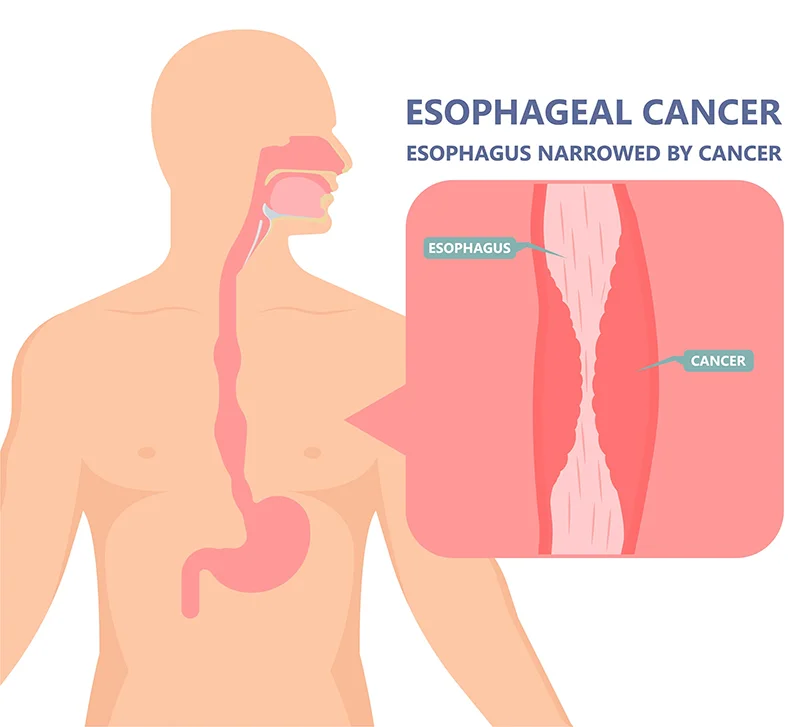
Esophageal cancer is a type of cancer that develops in the esophagus, the muscular tube connecting the throat to the stomach. It occurs when abnormal cells in the esophagus grow uncontrollably, forming a tumor.
Symptoms
Early-stage esophageal cancer often doesn’t cause noticeable symptoms. However, as the cancer progresses, symptoms may include:
Difficulty swallowing (dysphagia): This is the most common symptom.
Weight loss: Often due to difficulty swallowing and decreased appetite.
Chest pain or discomfort: Especially after eating.
Chronic cough: May occur.
Indigestion or heartburn: Can mimic other conditions.
Causes and Risk Factors
The exact cause of esophageal cancer is unknown, but certain factors increase the risk, including:
Smoking: A significant risk factor.
Excessive alcohol consumption: Can irritate the esophagus.
Gastroesophageal reflux disease (GERD): Chronic acid reflux can damage the esophageal lining.
Barrett’s esophagus: A condition where the lining of the esophagus changes, increasing cancer risk.
Diet: A diet high in red and processed meats and low in fruits and vegetables may increase risk.
Obesity: Linked to a higher risk.
Personalized Treatment for Esophageal Cancer
Every esophageal cancer case is unique. We create tailored regimens that address the complexity of this disease, aiming to extend survival and improve comfort throughout treatment.
Ready to Take the Next Step Toward Innovative, Patient-Centered Cancer Care?
Cancer care doesn’t end when standard treatments do. Connect with Hirschfeld Oncology to discover innovative therapies, compassionate support, and a team committed to restoring hope when it matters most.


.png)


