


.png)


Why Taste Matters on Cancer Treatment
Chemotherapy‑induced dysgeusia affects roughly 60‑80 % of patients, with many reporting bitter, metallic or bland flavors. These altered sensations reduce appetite, leading to lower calorie and protein consumption—often 10‑20 % below needs. Insufficient intake promotes weight loss, muscle wasting, and poorer immune function, which can diminish treatment tolerance, increase infection risk, and cause dose reductions or delays. Nutrition counseling, small meals, and flavor‑enhancing strategies can help preserve intake and support overall therapy.
Understanding Taste Changes in Chemotherapy
Taste changes chemotherapy
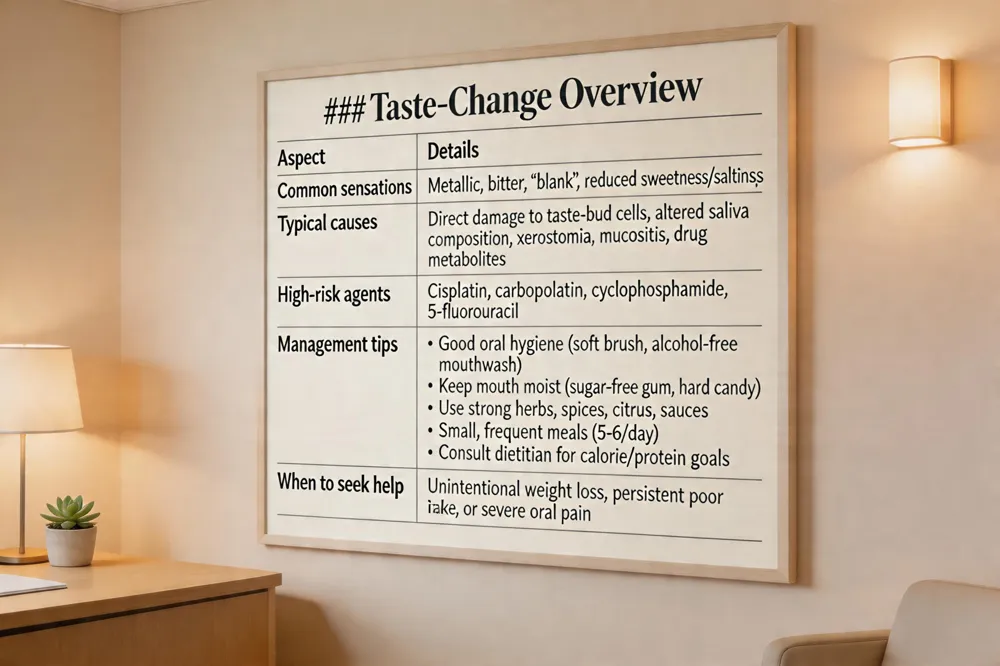
Chemotherapy often alters the way food tastes, producing metallic, bitter, or “blank” sensations that can make meals unappealing. The drugs can linger in saliva and damage taste‑receptor cells, while reduced saliva flow further dulls flavor perception. Maintaining good oral hygiene, using alcohol‑free mouthwashes (e.g., Biotene®), and keeping the mouth moist with sugar‑free gum or hard candy can help mitigate these effects. Adjusting textures, temperatures, and adding strong herbs, spices, citrus, or sauces can make foods more palatable. Small, frequent meals (5‑6 per day) support calorie and protein intake. If weight loss or difficulty eating occurs, patients should discuss it with their oncology team for referral to a clinical dietitian.
Why does chemo make food taste bad
Chemotherapy agents circulate systemically and reach taste‑bud cells on the tongue, often damaging them or altering the nerves that transmit taste signals. Many agents also change saliva composition or cause xerostomia, reducing the dissolution of flavor molecules. Metabolites may leave a metallic or bitter residue, and mucositis inflames oral mucosa, further blunting taste. Because taste and smell are linked, loss of smell amplifies the problem. These changes are usually temporary but can be managed with proper oral care, hydration, and flavor‑enhancing techniques.
Change in taste cancer symptom
A new metallic, bitter, or “off” flavor, reduced sweetness or saltiness, or unusually strong taste can signal cancer‑related dysgeusia. It affects up to 70 % of patients receiving chemotherapy, especially agents such as cisplatin, carboplatin, cyclophosphamide, and 5‑fluorouracil. The symptom often coincides with dry mouth and altered smell, leading to reduced appetite and potential weight loss. Strategies include using plastic utensils to avoid metallic taste, rinsing with a mild baking‑soda‑salt solution, and incorporating calorie‑dense foods like avocado, nut butters, and fortified smoothies. Monitoring intake and consulting a dietitian are essential for maintaining nutrition during treatment.
Managing Immediate Sensory Disturbances
Oral hygiene and saliva stimulation
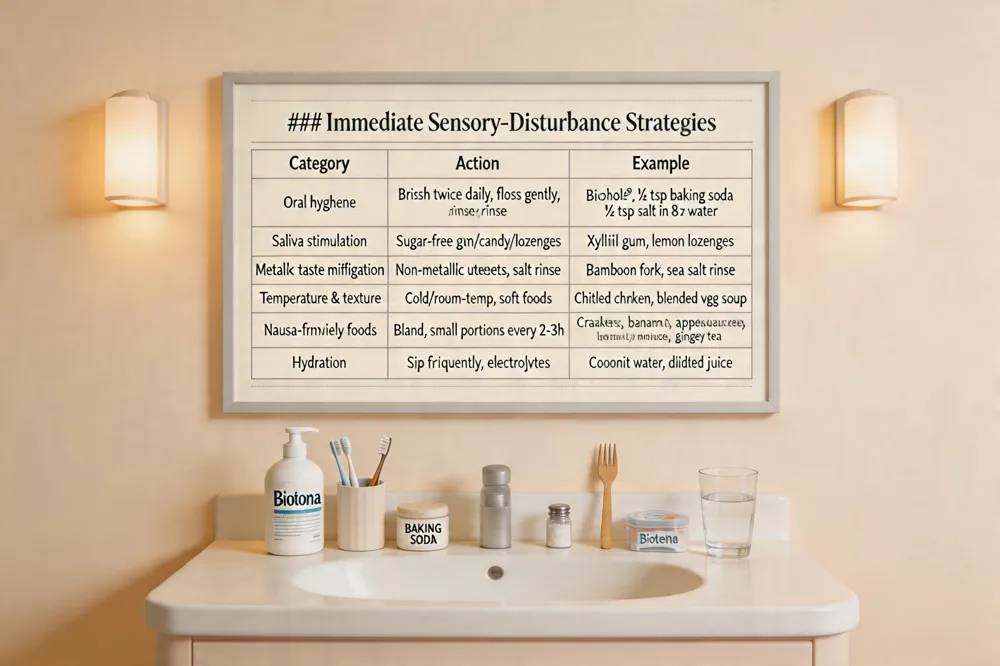
Maintain a gentle oral‑care routine: brush teeth and tongue twice daily with a soft‑bristle brush or children’s toothpaste, floss gently, and rinse with an alcohol‑free mouthwash or a homemade baking‑soda‑salt solution. Sugar‑free gum, hard candy, or chewy gum can boost saliva flow and wash away lingering metallic taste.
Metallic taste mitigation techniques
Treat metallic taste by keeping the mouth moist and rinsing with water or a mild salt‑water rinse before and after meals. Use non‑metallic utensils (bamboo, wood, plastic) and plastic or glass cookware. Add flavor boosters such as a splash of lemon or lime juice, a drizzle of maple syrup, a pinch of sea salt, or a teaspoon of olive oil or avocado to mask bitterness. Sip fluids frequently and carry a water bottle to stay hydrated, which supports taste‑bud recovery.
Temperature and texture adjustments
Cold or room‑temperature foods are often better tolerated than hot dishes. Opt for cool proteins (poached chicken, fish, eggs, tofu) and blend or puree if texture is an issue. Incorporate herbs, spices, and mild marinades to enhance aroma without overwhelming the palate. Small, frequent meals (5‑6 per day) help maintain calorie and protein intake despite altered taste.
What to eat when chemo makes food taste bad
Choose easy‑to‑chew, nutrient‑dense foods and boost flavor with healthy fats (olive oil, avocado, cheese), fresh herbs, citrus zest, or a dash of vinegar. Cool proteins paired with simple sauces, fruit‑based desserts, or a drizzle of honey can provide pleasant contrast. Keep mint or lemon lozenges handy to refresh the palate between bites.
What to eat during chemo nausea
Eat small, bland meals every 2‑3 hours: plain crackers, toast, rice, boiled potatoes, bananas, and applesauce. Serve foods at room temperature or chilled (smoothies, gelatin, chilled broth, ginger‑flavored drinks). Avoid spicy, fried, greasy, or strong‑smelling items. Sip ginger tea, ginger ale, or cold apple juice between bites, and pair anti‑nausea medication with a light snack as directed.
Nutrition Strategies to Preserve Intake
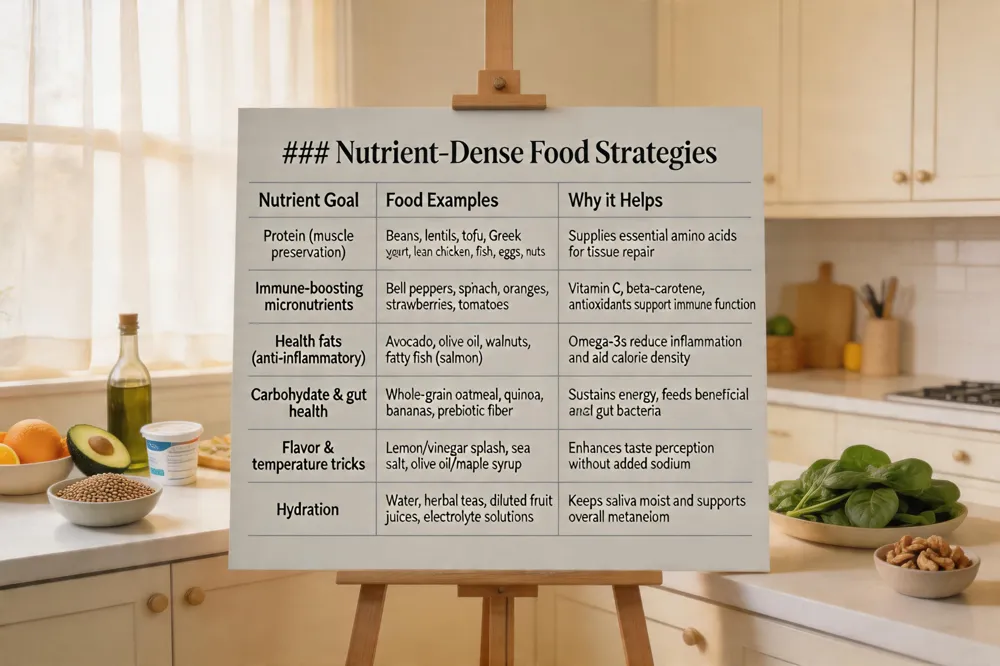 While undergoing chemotherapy, choose nutrient‑dense foods that keep energy up, protect muscle, and support immunity. Protein‑rich foods and muscle preservation – include beans, lentils, tofu, Greek yogurt, lean chicken, fish, eggs and nuts; these supply the amino acids needed for tissue repair and maintain lean body mass. Immune‑boosting micronutrients – add colorful vegetables and fruits (bell peppers, spinach, oranges, strawberries, tomatoes) for vitamin C, beta‑carotene, antioxidants, and probiotic‑rich dairy paired with prebiotic carbs (bananas, oatmeal) to nurture gut bacteria. Healthy fats from avocados, olive oil, walnuts, and fatty fish provide omega‑3s that reduce inflammation and modulate immune response. Temperature and flavor manipulation – rinse the mouth with water and a splash of lemon or vinegar before meals to stimulate saliva; use a pinch of salt, a drizzle of olive oil, or a tiny drizzle of maple syrup to enhance savory, sweet or or acidic notes. Serve foods cold or at room temperature to lessen strong odors, and vary textures (crunchy crackers, creamy yogurts, soft vegetables) to engage tactile receptors, helping the buds recover after radiation. Small, frequent meals (5‑6 daily) and adequate hydration complete the strategy, ensuring sufficient calorie and protein intake throughout treatment.
Personalized Meal Planning & Trusted Resources
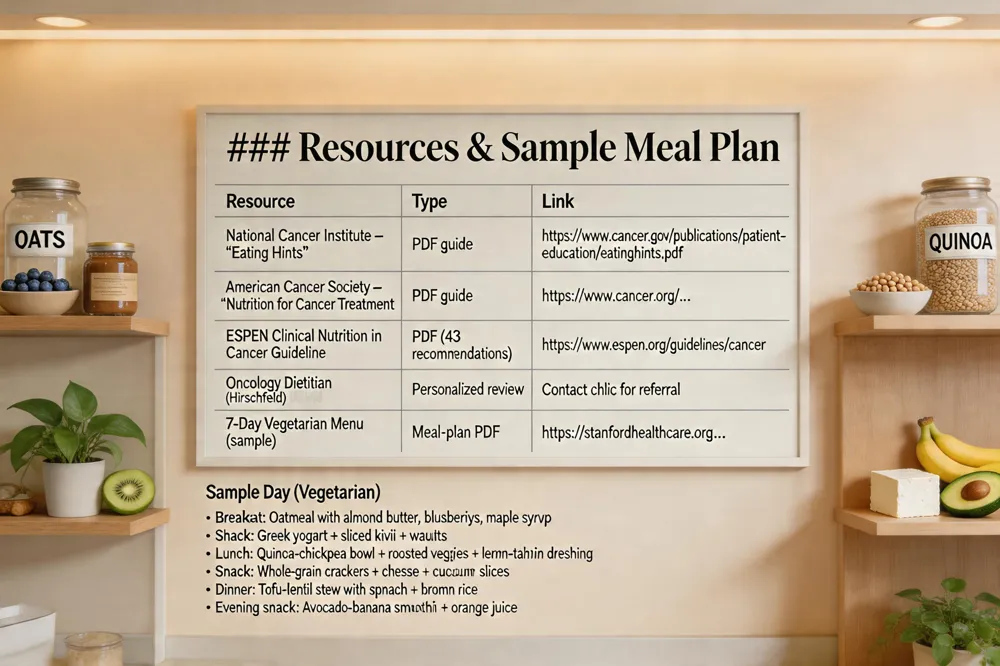 Cancer patients can download evidence‑based PDF guides such as the National Cancer Institute’s “Eating Hints: Before, During, and After Cancer Treatment” booklet and the American Cancer Society’s “Nutrition for the Person Getting Cancer Treatment” guide. Both are freely available on the NIH and ACS websites and cover appetite loss, taste changes, food‑safety, and high‑protein recipes. The ESPEN practical guideline on Clinical Nutrition in Cancer is another downloadable PDF offering 43 specific recommendations for assessing and treating cancer‑related malnutrition.
For personalized support, Hirschfeld Oncology’s clinical dietitians can review these resources and create a customized meal plan that matches individual treatment side effects and preferences.
A sample 7‑day vegetarian menu for cancer patients includes protein‑rich tofu, tempeh, lentils, and beans paired with whole‑grain staples (brown rice, quinoa, whole‑wheat pasta) and colorful vegetables. Breakfasts may feature veggie scrambles or oatmeal with berries and nuts; lunches could be tempeh stir‑fry or bean soup with a side salad; snacks include fruit with nuts, carrot sticks with low‑fat ranch, or whole‑grain crackers with cheese. Dinners rotate tofu‑lentil stews, chickpea‑spinach quinoa bowls, and roasted vegetable pastas, flavored with herbs, spices, and citrus to mask metallic or bland tastes.
A downloadable 7‑day meal‑plan PDF is offered by the Oncology Dietitian website and UCSF’s Osher Center; both provide printable weekly menus, high‑protein recipes, and food‑safety tips for immunocompromised patients.
Comfort Foods & Symptom‑Specific Choices
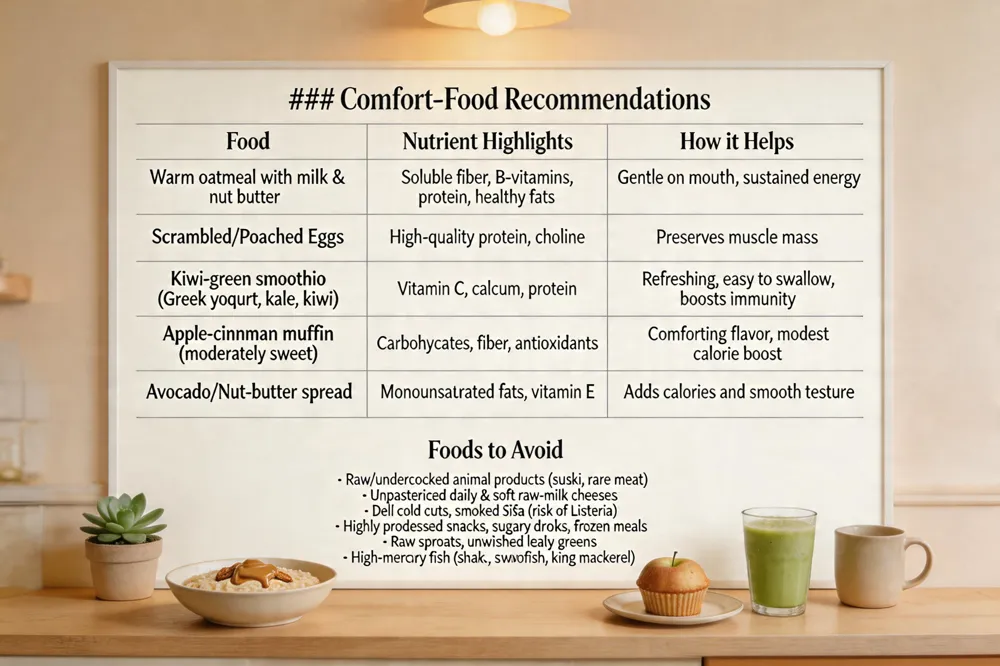 TasteChanges and chemotherapy can be soothing if they are soft, easy to swallow, and nutrient‑dense. Warm oatmeal topped with milk, fresh fruit, or a spoonful of nut butter supplies soluble fiber, B‑vitamins and gentle protein without irritating mouth sores. Light protein‑rich options such as scrambled or poached eggs help preserve muscle mass, while a cool kiwi‑green smoothie (Greek yogurt, kale, kiwi) delivers vitamins C, calcium and protein in a refreshing form. A modestly sweet apple‑cinnamon muffin adds comforting flavor, fiber and a modest calorie boost when appetite is low.
Patients should avoid trigger foods that increase infection risk or inflammation. Raw or under‑cooked animal products (ground beef, poultry, shellfish, eggs, sushi), unpasteurized dairy, soft raw‑milk cheeses, deli cold cuts and smoked fish can harbor dangerous bacteria. Highly processed and ultraprocessed items—packaged snacks, sugary drinks, frozen meals, hot dogs, sausage—are linked to inflammation and poorer outcomes. Fresh melons, raw sprouts and leafy greens that are hard to clean may contain listeria; they should be cooked or thoroughly washed. Fish high in mercury (shark, swordfish, king mackerel, certain tuna) should be limited.
A balanced diet for cancer patients emphasizes plant‑based proteins (beans, lentils, tofu, chickpeas), lean animal proteins (chicken, fish, turkey), healthy fats (avocado, olive oil, walnuts), whole‑grain carbs (brown rice, oats, quinoa) and a colorful array of fruits and vegetables (berries, broccoli, leafy greens, stone fruits). Adequate hydration with water, coconut water or electrolyte‑rich drinks, and nutrient‑dense smoothies support fluid and nutrient needs.
There is no single “magic” super‑food that cures cancer. Instead, a varied, minimally processed, plant‑heavy diet—rich in colorful fruits, cruciferous vegetables, whole grains, legumes, nuts and seeds—provides vitamins, minerals, fiber and phytochemicals that support immune function and may lower cancer risk. In short, the real super‑food is a super‑variety of nutritious foods eaten regularly.
Long‑Term Recovery & Lifestyle Tips
Taste Bud Recovery Timeline & Loss after Treatment
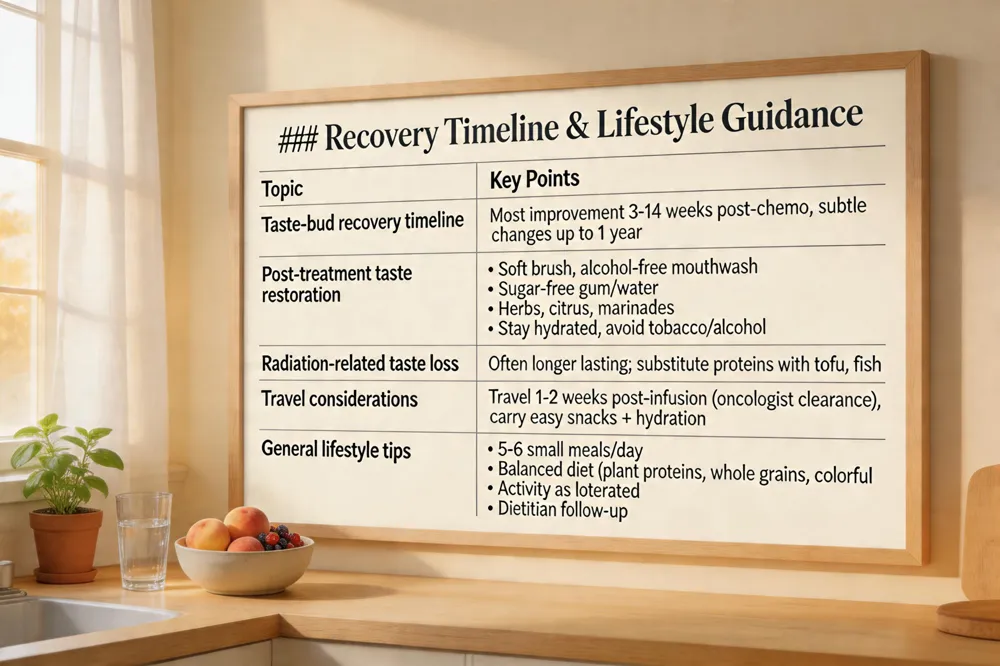
Chemotherapy and head‑neck radiation can damage taste‑receptor cells and salivary glands, leading to metallic, bitter or flat flavors. Most patients notice improvement within weeks after the last cycle, with many returning to normal taste by 3‑14 weeks; subtle changes may linger up to a year.
How can I get my taste back after chemo Maintain excellent oral hygiene (soft brush, floss, alcohol‑free mouthwash or baking‑soda/salt rinse). Stimulate saliva with sugar‑free gum, hard candy, or water. Use strong herbs, spices, citrus, marinades, and vary temperature or texture (cold smoothies vs warm soups). Stay hydrated, avoid tobacco/alcohol, and consult a clinical dietitian for personalized nutrition.
Loss of taste after chemo and radiation Both therapies can cause prolonged taste loss; radiation often produces a longer‑lasting effect. Substitute problematic foods (e.g., red meat) with milder proteins, fresh or frozen produce, and gentle herbs. If nutrition suffers, seek dietitian support for supplements or saliva substitutes.
How long does chemo affect taste buds Taste changes usually appear within the first week of a cycle, peak early, and begin to resolve a few weeks after treatment ends. Most patients recover by 3‑14 weeks, with many fully normal by six months; rare cases persist up to 1‑2 years.
How soon after chemo can I travel? Travel is safest once blood counts have recovered, typically 1‑2 weeks post‑infusion. Get oncologist clearance confirming adequate white‑cell, platelet, and hemoglobin levels, and ensure nausea, fatigue, or infection risk are minimal.
What to eat when chemo makes food taste bad Choose nutrient‑dense, easy‑to‑chew foods: avocado, olive oil, cheese, poached chicken, tofu, or eggs. Enhance flavor with herbs, citrus zest, vinegar, or low‑sodium sauces. Opt for cool or room‑temperature meals, stay hydrated, rinse mouth frequently, and use mint or lemon lozenges between bites.
Key Takeaways for Maintaining Nutrition Amid Taste Changes
Eat five to six small, protein‑rich meals each day, choosing calorie‑dense foods such as avocado, nut butter, Greek yogurt, and fortified smoothies. Maintain oral hygiene with brushing, flossing, and an alcohol‑free mouthwash; add sugar‑free gum, sour candies to stimulate saliva. Follow PDFs like Stanford’s Nutrition Tips and BC Cancer’s Food Ideas, and schedule a session with a dietitian. Keep a food diary, reassess flavor preferences weekly, and modify textures, spices, or temperature taste normalizes.
.png)
.png)






