.png)


Introduction to CAR-T Therapy in Gastrointestinal Oncology
Overview of CAR-T Therapy
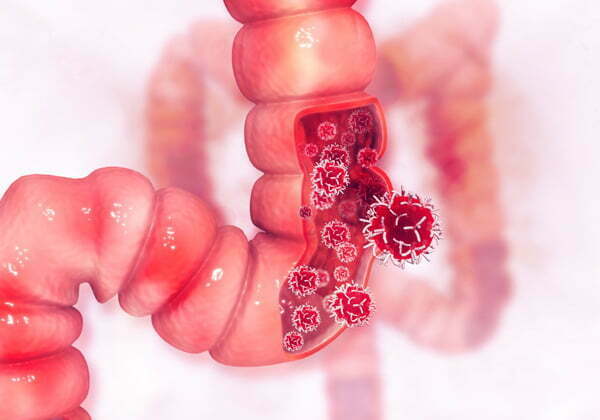
Chimeric antigen receptor T-cell (CAR-T) therapy is an innovative immunotherapy that modifies a patient’s own T cells to recognize and attack cancer cells. It has demonstrated remarkable success in treating hematological malignancies like leukemia and lymphoma, achieving high remission rates in advanced cases. The technique involves engineering T cells to express tumor-targeting receptors, expanding them in the lab, and then infusing them back into the patient. Remarkable responses, sometimes within weeks, have encouraged research into expanding CAR-T therapy to solid tumors, including gastrointestinal (GI) cancers.
Challenges in Treating GI Cancers with CAR-T
Despite its hematologic success, CAR-T therapy faces significant hurdles in GI cancers such as gastric, pancreatic, colorectal, and liver cancers. The main challenges include:
- Tumor Antigen Identification: GI tumors exhibit antigen heterogeneity, making it difficult to find tumor-specific targets that minimize off-tumor toxicity.
- Immunosuppressive Microenvironment: The dense stroma and immune-suppressive factors restrict CAR-T cell infiltration and activity within GI tumors.
- Safety Concerns: Cytokine release syndrome (CRS) and neurotoxicity remain significant risks during treatment.
Researchers are innovating with multispecific CARs, armored CARs secreting cytokines, and new antigen targets like CLDN18.2, GPC3, and MUC17 to overcome these barriers.
Current Clinical Landscape
Multiple clinical trials are underway globally evaluating CAR-T therapies for GI cancers. Notable targets include HER2, CEA, MUC1, mesothelin, and Claudin 18.2. For instance, a recent phase 2 trial demonstrated that CLDN18.2-targeted CAR-T therapy significantly improved progression-free survival in advanced gastric or gastroesophageal junction cancer. Several trials in pancreatic and colorectal cancers are assessing safety and efficacy of CAR-T approaches targeting novel tumor antigens. These efforts demonstrate a promising but evolving landscape, seeking to refine patient selection, enhance efficacy, and manage treatment-related toxicities to make CAR-T a viable option for GI cancer patients.
The Promise and Challenges of CAR-T Therapy in Gastrointestinal Cancers
What are the current challenges facing CAR-T therapy in gastrointestinal cancers?
CAR-T therapy has revolutionized treatment for hematologic malignancies with remarkable success. However, applying this therapy to gastrointestinal (GI) cancers presents unique hurdles. A major challenge is the identification of tumor-specific antigens. Many antigens targeted in GI cancers, such as HER2, CEA, and MUC1, are also expressed in normal tissues, raising the risk of off-tumor toxicity. Safely distinguishing cancer cells from healthy cells remains difficult.
Additionally, the tumor microenvironment in GI cancers is profoundly immunosuppressive. This hostile environment impairs CAR-T cell infiltration, persistence, and cytotoxic activity, reducing treatment effectiveness. The dense stroma characteristic of many GI tumors further obstructs immune cell access.
Antigen heterogeneity within tumors poses another obstacle. Variability in antigen expression means some cancer cells may escape immune attack, leading to relapse. Safety concerns like cytokine release syndrome (CRS) and immune-related toxicities also complicate management.
Innovative approaches are underway to overcome these barriers, including engineering CAR-T cells with armored features to secrete cytokines, targeting multiple antigens simultaneously, and developing universal CARs to improve safety and efficacy. Despite these challenges, early clinical trials targeting antigens like CLDN18.2 have shown encouraging results, illustrating the potential of CAR-T therapy in GI cancers with continued refinement.
Emerging Target Antigens and Innovative CAR Designs

Which tumor antigens are being targeted for CAR-T therapy in gastrointestinal cancers?
Several tumor-associated antigens have emerged as promising targets for CAR-T therapy in gastrointestinal (GI) cancers. Key antigens include Claudin 18.2 (CLDN18.2), Glypican-3 (GPC3), Mucin 1 (MUC1), carcinoembryonic antigen (CEA), and mesothelin (MSLN).
- CLDN18.2 is highly expressed in gastric and gastroesophageal junction cancers and has shown significant efficacy in clinical trials, including improved progression-free survival.
- GPC3 is a liver cancer-specific antigen that has demonstrated tumor regression in preclinical models.
- MUC1 exhibits high expression in gastric and pancreatic tumors, with engineered MUC1-specific CAR-T cells showing potent cytotoxicity and reduced toxicity due to its limited normal tissue distribution.
- CEA and MSLN are also targeted in pancreatic and colorectal cancers, showing high cytokine secretion and tumor cell killing in preclinical studies.
What novel CAR engineering strategies are being developed?
Innovative CAR designs aim to overcome challenges in efficacy and safety faced in GI cancers:
- Multispecific CARs: These CARs recognize multiple tumor antigens simultaneously to address antigen heterogeneity and reduce tumor escape.
- Armored CARs: Engineered to secrete cytokines or express additional stimulatory molecules, these CARs enhance T-cell activity and persistence within the immunosuppressive tumor microenvironment.
- Protease-regulated CARs: Designed to activate selectively in the tumor microenvironment where certain proteases are abundant, these CARs increase targeting specificity and reduce off-tumor toxicity.
For more details on such advances, see Recent Advances in CAR-T Cell Therapy and CAR T cell therapy advances.
What preclinical and clinical successes have been reported?
Preclinical mouse models and early clinical trials highlight encouraging results:
- MUC1-CAR T cells suppressed gastric tumor growth in xenograft models without systemic toxicity.
- CLDN18.2-targeted CAR T therapy (satri-cel) improved outcomes in advanced gastric cancer patients in phase 2 trials.
- GPC3-CAR T cells induced tumor regression in liver cancer animal models and are under clinical evaluation.
- CAR-T therapies targeting CEA and MSLN demonstrated strong cytotoxic responses in pancreatic cancer preclinical studies.
These advances underscore the potential of combining novel antigen targeting with innovative CAR designs to overcome the hurdles of treating GI cancers with CAR-T therapy. For a comprehensive overview, also see CAR-T therapy in gastrointestinal cancers and CAR T cell therapies in gastrointestinal cancers.
Clinical Trial Highlights: CAR-T Advancements in Gastric and Pancreatic Cancers
What are the results of the phase 2 trial using satricabtagene autoleucel (satri-cel) targeting CLDN18.2?
A pivotal phase 2 trial of satricabtagene autoleucel conducted in China involving 156 patients with advanced gastric or gastroesophageal junction cancer showed that satri-cel, a CAR-T therapy targeting CLDN18.2, significantly improved median progression-free survival (PFS) to 3.25 months compared to 1.77 months with standard treatments. The objective response rate was 22%, much higher than the 4% in controls, and median overall survival was extended to 7.9 months versus 5.5 months. This trial marked a major breakthrough as the first randomized controlled trial demonstrating CAR-T efficacy in solid tumors.
What preclinical and clinical data exist for MUC17 CAR-T cells?
MUC17 is a tumor-associated antigen expressed in 23%–52% of gastric cancers and pancreatic cancers. Preclinical studies have developed MUC17-specific CAR-T cells that include a 4-1BB/CD3ζ signaling domain.
- In vitro and in vivo studies demonstrated potent, antigen-specific killing and significant tumor suppression in mouse xenograft models.
- These CAR-T cells showed an enriched central memory T cell phenotype, associated with improved persistence and potential long-term efficacy.
- Importantly, limited on-target off-tumor toxicity is expected because normal tissue expression of MUC17 is restricted and apical.
How is CAR-T therapy advancing in pancreatic cancer targeting CEA and MSLN?
Pancreatic cancer CAR-T efforts focus on antigens like carcinoembryonic antigen (CEA) and mesothelin (MSLN). Preclinical studies showed:
- High cytokine secretion and cytotoxicity from CAR-T cells targeting these antigens.
- Early clinical trials are ongoing in the U.S. and globally, evaluating safety and efficacy.
These targets are promising due to their elevated expression in pancreatic tumors and limited presence in normal tissues, as highlighted in reviews of CAR T cell therapies in gastrointestinal cancers and advances in CAR T therapy for pancreatic cancer.
What are the safety profiles and adverse events noted in these CAR-T therapies?
CAR-T treatment in gastric and pancreatic cancers has been associated with significant but manageable adverse events:
- Cytokine release syndrome (CRS) occurs frequently; in the satri-cel trial, 95% experienced CRS, mainly low-grade.
- Hematologic toxicities such as lymphopenia, leukopenia, and neutropenia were common.
- Grade 3 or higher adverse events occurred in nearly all patients receiving satri-cel.
- No neurotoxicity was reported in the satri-cel gastric cancer trial.
Comprehensive monitoring and intervention strategies are essential to ensure patient safety during CAR-T therapy.
These clinical and preclinical advances highlight promising directions for improving CAR-T therapy outcomes in gastrointestinal cancers, especially gastric and pancreatic tumors.
Integrating CAR-T with Multidisciplinary Care in Pancreatic Cancer
What are the standard therapies for pancreatic cancer treatment?
Pancreatic cancer treatment traditionally includes several standard approaches. Surgery, such as the Whipple procedure or distal pancreatectomy, is a primary option for eligible patients aiming for curative intent. Chemotherapy regimens like FOLFIRINOX and gemcitabine combined with nab-paclitaxel are commonly administered to control disease progression and extend survival. Radiation therapies, including Intensity-Modulated Radiation Therapy (IMRT) and Stereotactic Body Radiation Therapy (SBRT), are also used in select cases to target tumors more precisely.
Despite these options, pancreatic cancer often responds poorly to conventional treatments, prompting exploration of new modalities. Emerging immunotherapies—like CAR-T cell therapy advances—target specific antigens such as carcinoembryonic antigen (CEA as a CAR T target) and mesothelin (MSLN antigen for CAR-T). Early studies show CAR-T cells can induce high cytokine secretion and cytotoxicity in preclinical pancreatic cancer models, with ongoing clinical trials assessing their safety and efficacy.
What role does a multidisciplinary medical team play in pancreatic cancer treatment?
Care for pancreatic cancer patients is optimized by a multidisciplinary medical team that includes oncologists, surgeons, radiologists, pathologists, and specialized nursing staff. This team collaborates to develop personalized treatment plans that integrate surgery, chemotherapy, radiotherapy, and innovative therapies such as CAR T-cell therapy overview.
The multidisciplinary approach ensures a comprehensive assessment of each patient’s tumor characteristics and overall health, facilitating the selection of appropriate and timely interventions. It also helps coordinate pre- and post-treatment care, manage side effects, and support clinical trial participation to explore new treatment combinations. This team-based coordination is vital due to pancreatic cancer’s aggressive nature and challenging tumor microenvironment challenges, which limits the efficacy of many therapies.
Emerging immunotherapies and combination approaches
CAR-T therapy for solid tumors is being investigated alongside other immunotherapies to overcome pancreatic cancer’s complex biology. Advances include armored CAR-T strategies engineered to secrete cytokines to improve infiltration and persistence in the immunosuppressive tumor microenvironment. Combining CAR-T with checkpoint inhibitors combination therapies or conventional therapies may further enhance treatment efficacy.
Ongoing clinical trials for CAR T antigens are exploring dual antigen targeting and allogeneic "off-the-shelf" CAR-T products to increase accessibility and reduce toxicity. These innovative strategies, paired with a multidisciplinary treatment framework, herald a new era of personalized therapy aiming to improve outcomes in pancreatic cancer.
| Therapy Type | Examples | Role in Pancreatic Cancer Treatment |
|---|---|---|
| Surgery | Whipple procedure | Curative intent in early-stage disease |
| Chemotherapy | FOLFIRINOX, gemcitabine | Systemic disease control, improve survival |
| Radiation Therapy | IMRT, SBRT | Local tumor control in selected cases |
| CAR-T Therapy | Targeting CEA, MSLN | Experimental immunotherapy to enhance cytotoxicity |
| Multidisciplinary Team | Oncologists, surgeons, radiologists, pathologists, nurses | Personalized treatment planning and supportive care |
Innovative Strategies Enhancing Pancreatic Cancer Care
How are innovative strategies integrated into pancreatic cancer care?
Innovative approaches in pancreatic cancer are transforming treatment paradigms by focusing on several cutting-edge strategies. One major avenue is the development of novel drug combinations that target specific mutations, notably KRAS—a mutation prevalent in pancreatic tumors. These targeted therapies aim to disrupt tumor growth mechanisms more effectively than traditional chemotherapies.
Advanced diagnostics play a critical role in early detection and personalized treatment planning. Techniques such as liquid biopsies, which analyze circulating tumor DNA, along with enhanced imaging modalities, allow for more precise monitoring of disease progression and treatment response. This not only helps in tailoring therapies but also in detecting pancreatic cancer at an earlier, more treatable stage.
Immunotherapy refinement is also central to innovation in this field. Next-generation vaccines are being developed to stimulate stronger anti-tumor immune responses. Additionally, combinations of immuno-oncology agents are being explored to overcome the notoriously immunosuppressive microenvironment of pancreatic tumors. These include CAR-T therapies targeting antigens like mesothelin (MSLN) and carcinoembryonic antigen (CEA), coupled with cytokine-armored designs to enhance efficacy.
Collectively, these strategies integrate molecular targeting, improved diagnostics, and enhanced immune modulation to address the complex challenges of pancreatic cancer care, offering new hope for better outcomes despite its aggressive nature.
The Impact of Compassionate, Experienced Care in Pancreatic Cancer Treatment

How does compassion and experience influence pancreatic cancer treatment planning?
Compassion and clinical experience play critical roles in managing pancreatic cancer effectively. Compassion fosters trust between patients and healthcare providers, creating a supportive environment that encourages patients to actively participate in their treatment journey. This emotional support is vital for improving patient quality of life during a challenging diagnosis.
Experienced clinicians bring deep knowledge of pancreatic cancer’s complexities. They tailor treatment plans to each patient’s unique medical profile, anticipate potential complications, and remain flexible to adapt therapies as the disease evolves. Their expertise allows for personalized approaches that consider both physical and psychosocial aspects of care, as highlighted in the insights on CAR T therapy for pancreatic cancer and clinical experiences with CAR-T cell therapy.
Holistic patient support and management
Pancreatic cancer treatment requires attention beyond the tumor itself. Holistic care involves managing symptoms, side effects, and mental health issues that arise during therapy. Compassionate caregivers are attentive to patients’ emotional distress and logistical needs, such as coordinating multidisciplinary teams and providing education about treatment steps, consistent with concepts in immunotherapy challenges in gastrointestinal cancers.
Enhancing patient outcomes through empathetic care
Empathetic care improves adherence to treatment and fosters resilience. When patients feel understood and supported, they are more likely to engage in follow-ups and report side effects promptly. This early intervention helps mitigate complications and optimize the effectiveness of therapies like chemotherapy or emerging immunotherapies, including FDA-approved immunotherapies for stomach cancer and novel CAR T cell therapy advances.
By integrating compassion with clinical expertise, treatment teams can offer comprehensive care that addresses the full spectrum of challenges faced by pancreatic cancer patients, ultimately enhancing outcomes and overall well-being.
Leadership and Patient Advocacy in Pancreatic Cancer: The Hirschfeld Oncology Model
Who is Dr. Azriel Hirschfeld and what is his role in pancreatic cancer care?
Dr. Azriel Hirschfeld is a prominent oncologist specializing in pancreatic cancer care. He is the founder of Hirschfeld Oncology, where he leads efforts to develop personalized treatment plans tailored specifically to each patient's unique condition. Dr. Hirschfeld's expertise blends established medical protocols with cutting-edge innovations, offering patients hopeful and compassionate care in a challenging disease setting.
How does Hirschfeld Oncology advocate for patients with pancreatic cancer?
Hirfeld Oncology stands out for its patient-centered, science-driven approach. The organization focuses on educating patients about their options, crafting personalized therapy strategies, and providing holistic support services such as counseling and patient navigation. This comprehensive care model empowers patients to actively participate in their treatment journey. Additionally, Hirschfeld Oncology promotes research initiatives and awareness campaigns to further improve outcomes and support for those affected by pancreatic cancer.
Through leadership and advocacy, Dr. Hirschfeld and his team provide a blueprint for integrating innovative therapies with compassionate care, aiming to improve quality of life and survival rates for pancreatic cancer patients. For more information on CAR T therapy for pancreatic cancer and advances in CAR T cell therapies in gastrointestinal cancers, including clinical trials and challenges, you can explore recent research and clinical insights.
Future Directions and the Continuing Evolution of CAR-T Therapy for GI Cancers

What are the emerging target antigens and expanding indications for CAR-T therapy in gastrointestinal cancers?
Researchers are actively exploring new antigens beyond traditional targets. Promising candidates include glypican-3 (GPC3) for liver cancers, claudin 18.2 (CLDN18.2) for gastric and gastroesophageal cancers, mesothelin (MSLN for pancreatic cancer, and mucin 17 (MUC17) in gastric and pancreatic tumors. These targets demonstrate higher tumor specificity and reduced risk of off-tumor toxicity, increasing their appeal for clinical trials.
How is CAR-T therapy being combined with other immunotherapies?
Combining CAR-T cells with immune checkpoint inhibitors is a growing strategy to boost effectiveness. Checkpoint blockade can counter immunosuppressive tumor microenvironments, improving T cell function and persistence. Trials are underway assessing these combinations to overcome hurdles posed by tumor heterogeneity and improve response rates in gastrointestinal malignancies (Challenges in CAR-T therapy).
What manufacturing innovations may improve CAR-T accessibility and treatment durability?
Novel manufacturing approaches aim to streamline and scale CAR-T production, critical for broader availability. Methods include the Sleeping Beauty transposon system for gene transfer, mRNA-based transient CAR expression, and in vivo CAR-T cell generation (Sleeping Beauty transposon system). Off-the-shelf allogeneic CAR-T cells are also under development, which could significantly shorten treatment timelines and enhance patient access (Allogeneic CAR-T therapies).
How are safety and toxicity concerns being addressed in evolving CAR-T therapies?
Safety remains paramount due to risks like cytokine release syndrome (CRS) and off-tumor effects. Innovations such as armored CARs that secrete cytokines selectively, Boolean logic gated CARs that require multiple antigens for activation, and improved toxicity monitoring guidelines are reducing adverse events (cytokine release syndrome in CAR-T. Genetic modifications using CRISPR-Cas9 and engineered regulatory mechanisms also contribute to safer and more controllable therapies (Genetic modifications in CAR T therapy.
The ongoing integration of new antigen targets, combination strategies, improved manufacturing, and enhanced safety measures signals a promising future for CAR-T therapies in gastrointestinal cancers, aiming to expand treatment options and improve patient outcomes.
.png)
.png)