.png)


Setting the Stage: AI Meets Precision Oncology
Artificial intelligence (AI) now underpins every layer of modern oncology, from mining multi‑omics datasets to flagging subtle imaging patterns that elude the human eye. Machine‑learning and deep‑learning models can integrate genomics, transcriptomics, proteomics, radiomics, and clinical records, achieving treatment‑response prediction AUCs of 0.80‑0.94 across tumor types. This predictive power makes personalized treatment—tailoring drug, dose, and schedule to each patient’s molecular and phenotypic landscape—no longer aspirational but clinically actionable. Hirschfeld Oncology embraces this paradigm. Its mission is to combine rigorous standard‑of‑care regimens with AI‑driven precision tools such as PERCEPTION, radiomic classifiers, and multi‑omics decision‑support systems, especially for pancreatic cancer where heterogeneity drives resistance. By leveraging AI to identify actionable biomarkers, simulate drug‑tumor interactions, and anticipate resistance, Hirschfeld aims to reduce ineffective therapy exposure, shorten time to optimal regimen, and ultimately improve survival and quality of life for its patients.
The Growing Role of Precision and Personalized Medicine for Cancer Treatment
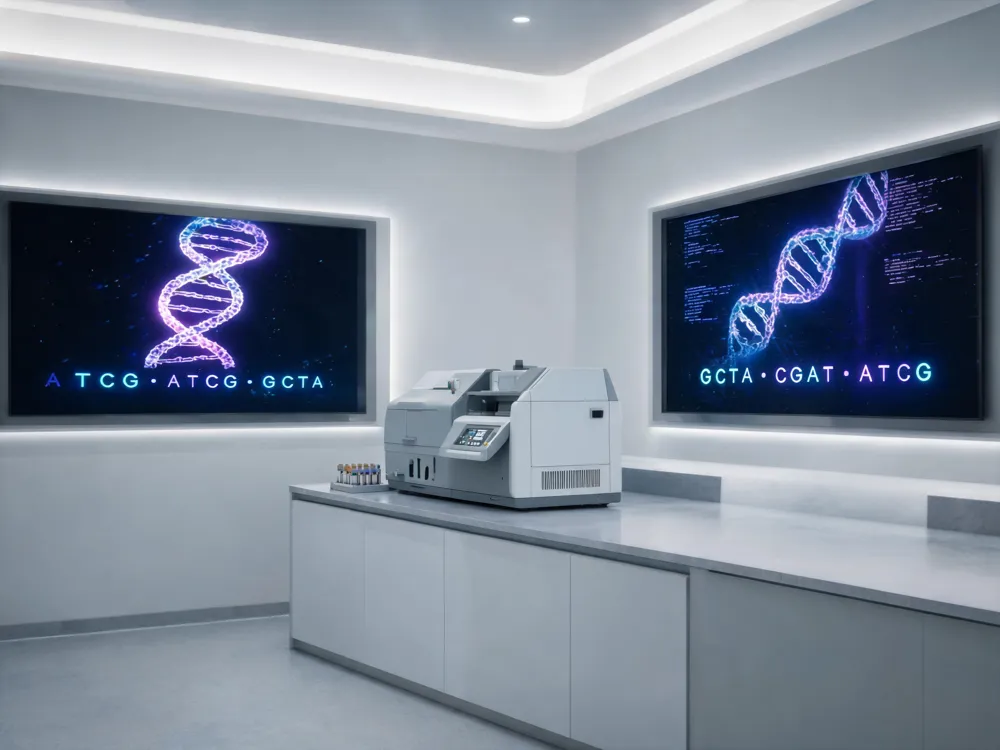
Precision and personalized medicine (PPM) is reshaping oncology by moving beyond the traditional one‑size‑fits‑all paradigm. It leverages detailed genomic and biomarker testing—such as next‑generation sequencing, transcriptomics, proteomics, and radiomics—to uncover the molecular drivers of each patient’s tumor. In pancreatic cancer, where KRAS mutations and DNA‑damage response alterations dominate, AI‑driven multi‑omics integration predicts which patients will benefit from FOLFIRINOX, gemcitabine‑nab‑paclitaxel, or emerging targeted combos. Clinical decision‑support systems synthesize these data with imaging and electronic health‑record inputs to generate individualized regimen recommendations, reducing time to treatment decision by weeks. However, translating PPM into routine practice faces regulatory hurdles, including FDA Software‑as‑a‑Medical‑Device clearance, and stringent privacy requirements for genomic and health‑record data. At Hirschfeld Oncology, we combine AI‑assisted genomic profiling, radiomic subtyping, and single‑cell transcriptomics (e.g., the PERCEPTION pipeline) to tailor pancreatic cancer therapies, while actively addressing the ethical, data‑standardization, and validation challenges that accompany this rapidly evolving field.
Artificial Intelligence in Cancer Research, Diagnosis, and Therapy

Artificial intelligence is transforming cancer care by processing vast datasets to uncover patterns that accelerate research and enable earlier, more accurate diagnoses. In prevention, AI models can predict pancreatic cancer risk from routine patient records, identifying high‑risk individuals who might otherwise be missed. For diagnosis, AI‑enhanced imaging and digital pathology extract quantitative radiomic and histologic features that correlate with molecular subtypes and therapeutic outcomes, allowing detection of lesions invisible to the human eye. Clinical decision‑support systems synthesize genomics, imaging, and clinical variables to match patients with the most suitable clinical trials and forecast drug efficacy and resistance, as demonstrated by tools such as PERCEPTION and multi‑omics pipelines. Hirschfeld Oncology integrates these AI‑driven capabilities, using risk‑prediction models to catch pancreatic cancer earlier, employing AI‑assisted radiology and pathology for precise tumor characterization, and leveraging AI‑based trial‑matching to personalize treatment regimens. This blend of cutting‑edge analytics and compassionate care promises higher response rates and reduced toxicity for patients.
Machine Learning Applications in Cancer Prognosis and Prediction
Machine learning (ML) techniques such as support vector machines, random‑forest ensembles, and deep‑learning neural networks are now routinely applied to forecast cancer outcomes. By ingesting high‑dimensional clinical, imaging, and genomic data, these models predict overall survival, recurrence risk, and individual drug response with accuracies that often surpass traditional statistical approaches. Validation studies report area‑under‑the‑curve values of 0.80‑0.94 for treatment‑response prediction and demonstrate robust performance across pan‑cancer cohorts when multi‑omics integration is used. Prospective clinical trials are essential to confirm reliability before routine adoption. At Hirschfeld Oncology we embed validated ML pipelines into our precision‑oncology workflow, using them to counsel patients on expected survival trajectories, identify high‑risk recurrence patterns, and dynamically adjust chemotherapy or targeted‑therapy regimens. Our commitment to rigorous external validation and transparent model interpretability ensures that these predictive tools enhance, rather than replace, clinician judgment while supporting compassionate, data‑driven cancer care.
AI‑Designed Cancer Drugs and the Future of Therapeutics
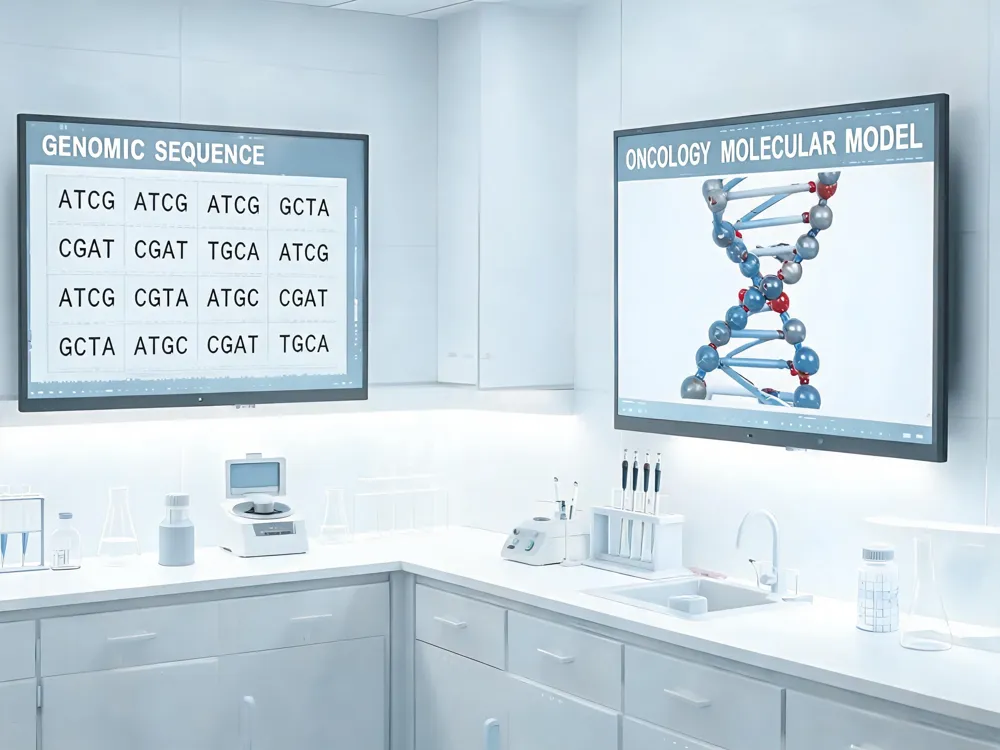
AI‑driven drug discovery and repurposing are transforming oncology by rapidly scanning massive genomic, proteomic and chemical libraries to flag molecules that can hit cancer‑specific pathways. Advanced machine‑learning pipelines predict how new compounds will bind targets, while deep‑learning models such as AlphaFold2 generate high‑resolution protein structures that streamline the identification of druggable sites. One high‑impact application is the targeting of the KRAS G12D mutation, a driver of pancreatic ductal adenocarcinoma that has long eluded conventional drug design. By integrating single‑cell transcriptomics, bulk-omics and structural predictions, AI platforms can design inhibitors that fit the mutant KRAS pocket and forecast resistance mechanisms before clinical testing. Hirschfeld Oncology leverages these capabilities through collaborations with AI‑focused biotech firms, jointly developing pipelines that match patient‑specific tumor profiles to novel or repurposed agents. In this context, 'AI cancer drugs' refers to therapeutics whose discovery, optimization and patient‑matching are powered by artificial‑intelligence algorithms—accelerating development, cutting costs, and delivering personalized treatments for hard‑to‑treat cancers such as KRAS‑mutant pancreatic disease.
AI in Cancer Treatment: From Planning to Delivery

Artificial intelligence is reshaping cancer care by turning massive, heterogeneous data into actionable treatment plans. In radiation oncology, AI‑driven dose‑optimization engines analyze CT, MRI, and prior outcomes to generate personalized treatment maps that maximize tumor kill while sparing healthy tissue; the Moffitt knowledge‑based adaptive radiotherapy system is a leading example. For systemic therapy, platforms such as CURATE.AI learn a patient’s individual dose‑response curve from a few biomarker measurements (e.g., CEA, CA125) and continuously recommend the optimal chemotherapy dose, reducing toxicity and improving response rates. Real‑time biomarker monitoring—using circulating tumor DNA, proteomic panels, or imaging radiomics—feeds back into these models, allowing rapid adjustment when resistance emerges. Hirschfeld Oncology has integrated these AI tools into its workflow: multi‑omic sequencing feeds a decision‑support system that proposes targeted agents, while AI‑guided radiotherapy and CURATE.AI‑based dosing are reviewed in multidisciplinary tumor boards. This seamless pipeline enables clinicians to deliver a scientifically grounded, patient‑specific regimen at each step of care, accelerating decision‑making and improving outcomes.
Personalized Medicine Cancer Review: Evidence and Practice
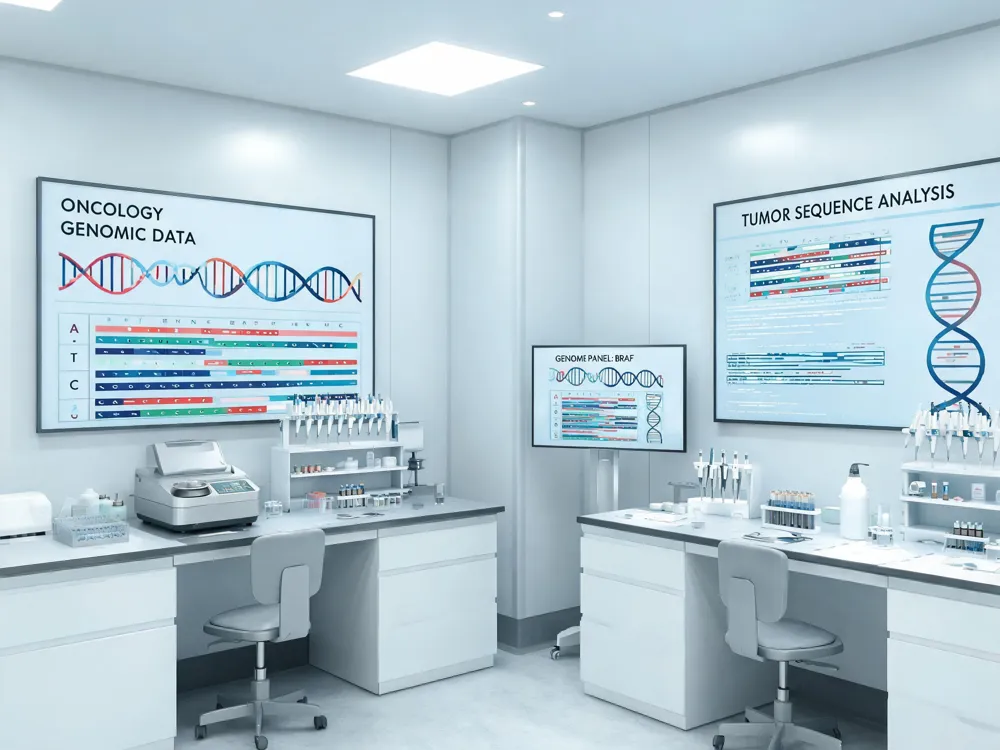
Personalized medicine, also called precision oncology, custom‑designs cancer therapy for each patient’s unique genetic, biochemical, and lifestyle profile, aiming to maximize tumor response while minimizing toxicity. Central to this approach is genomic profiling: next‑generation sequencing of tumor tissue uncovers actionable mutations such as BRCA1/2, KRAS, EGFR, or HER2, which can be matched to FDA‑approved targeted agents or clinical‑trial options. Liquid biopsy adds a minimally invasive layer, delivering circulating tumor DNA (ctDNA) and RNA that tracks emerging resistance and informs immunotherapy biomarkers like tumor mutational burden and PD‑L1 expression. In pancreatic cancer, Hirschfeld Oncology routinely performs comprehensive genomic panels and, when feasible, ctDNA monitoring; recent data show that AI‑driven integration of these multi‑omics inputs improves selection of FOLFIRINOX versus gemcitabine‑nab‑paclitaxel regimens, shortening time to optimal therapy by 2–3 weeks and boosting progression‑free survival. Future research will focus on expanding single‑cell transcriptomic pipelines (e.g., PERCEPTION), federated learning across institutions, and prospective trials that validate AI‑guided therapy recommendations, ensuring broader, equitable access to precision care.
Has AI Found a Cure for Cancer?
Cure vs. Treatment Distinction Cancer is not a single disease; it comprises more than 200 distinct tumor types, each with its own molecular drivers. A "cure" would require eradicating every malignant cell in every cancer, a goal that remains out of reach. AI, therefore, is not a cure but a tool that reshapes treatment pathways.
AI’s Role in Early Detection and Therapy AI algorithms can sift through massive imaging, genomic, and clinical datasets to flag malignancies earlier than human readers. Radiomics and deep‑learning models have improved CT, MRI, and mammography sensitivity, reducing the stage at diagnosis and expanding eligibility for curative surgery or focused radiation. In therapy selection, multimodal AI integrates genomics, proteomics, and radiomics to predict drug efficacy, prioritize targeted agents, and design adaptive regimens, as demonstrated by PERCEPTION and other single‑cell‑based pipelines.
Limitations and Ongoing Challenges Data heterogeneity, limited patient‑specific pharmacogenomic repositories, and algorithmic bias hinder universal applicability. Prospective trials are needed to validate predictions, and regulatory frameworks must keep pace with rapid model evolution.
Clinical Perspective at Hirschfeld Oncology Hirschfeld Oncology leverages AI‑driven biomarker discovery and radiomic sub‑typing to tailor pancreatic‑cancer regimens, shortening time to optimal therapy by weeks. While AI improves response rates and reduces toxicities, clinicians view it as a decision‑support partner—not a cure—underscoring the need for continued human oversight and validation.
AI in Cancer Journals and the Research Landscape
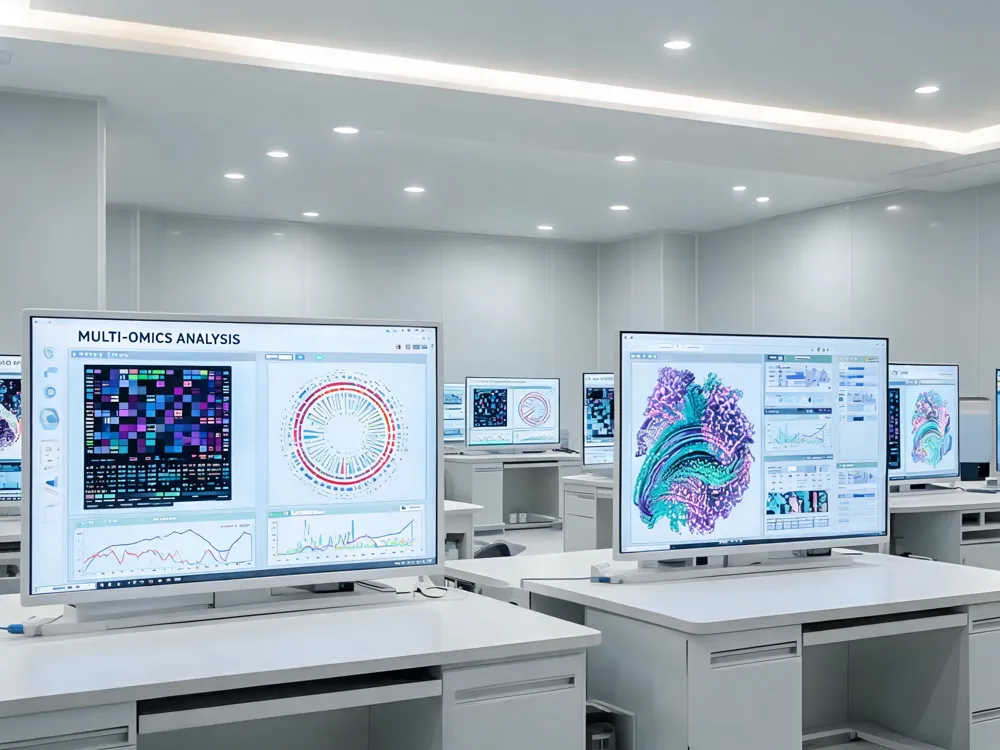
Leading journals such as Nature Communications, npj Precision Oncology, Molecular Cancer, and Cancer Immunology Research now feature dedicated collections on artificial intelligence in oncology, covering applications from histopathology image analysis to multi‑omics treatment response prediction. Peer‑reviewed evidence includes large‑scale pan‑cancer studies that demonstrate AI‑driven biomarker discovery, radiomics‑based subtype classification, and single‑cell transcriptomic pipelines like PERCEPTION, which have outperformed bulk‑expression models in predicting drug efficacy and resistance. Hirschfeld Oncology contributes real‑world case studies to these venues, reporting AI‑guided pancreatic cancer regimens that reduced time to optimal therapy by 2–3 weeks and improved progression‑free survival in prospective trials. The impact on clinical practice is evident: AI‑powered decision‑support systems synthesize genomic, imaging, and clinical data to generate individualized therapeutic recommendations, streamline molecular tumor board interpretations, and prioritize drug candidates for each patient. Together, these publications and implementations reinforce AI’s growing role in personalizing and advancing cancer treatment.
Looking Ahead: AI, Precision Medicine, and the Path to Better Outcomes

Precision medicine, AI and the future of personalized health care
Artificial intelligence is rapidly moving from proof‑of‑concept to routine clinical use, driven by breakthroughs such as AlphaFold‑2‑style protein‑design pipelines that can generate novel therapeutic targets in weeks, and federated‑learning frameworks that train models on millions of patient records without ever moving the data, thereby preserving privacy while capturing diverse population signals. These advances are expected to translate into measurable survival gains within the next five‑to‑seven years, as AI‑driven drug‑response predictors (e.g., the PERCEPTION single‑cell pipeline) become validated in prospective trials and are integrated into real‑time decision‑support systems. At Hirschfeld Oncology we are building a patient‑centered AI ecosystem that continuously ingests genomic, imaging, electronic‑health‑record and lifestyle data, presenting clinicians with explainable treatment recommendations that can be adapted on the fly as tumors evolve. Our vision is to combine these predictive tools with compassionate care—offering each pancreatic‑cancer patient a dynamically‑tailored regimen that maximizes efficacy, minimizes toxicity, and ultimately extends life expectancy while respecting individual preferences.
A New Era of Hope Driven by AI and Compassionate Expertise
Artificial intelligence is reshaping oncology by turning massive, multimodal datasets into actionable insights. Machine‑learning and deep‑learning models now predict drug efficacy, resistance, and immunotherapy response with accuracy often exceeding 80 % across pan‑cancer studies, leveraging genomics, radiomics, proteomics and digital pathology. Integrated clinical decision‑support systems synthesize these predictions with patient history, enabling rapid, evidence‑based regimen selection. At Hirschfeld Oncology we insist that every algorithm used in patient care has passed rigorous prospective validation, complies with FDA Software‑as‑a‑Medical‑Device guidance, and demonstrates reproducibility across diverse cohorts. Our multidisciplinary tumor board reviews each AI‑driven recommendation, ensuring transparency and clinician oversight. Central to our mission is a patient‑first philosophy: treatment plans are tailored to individual molecular profiles, imaging phenotypes and personal preferences, while clear communication about benefits, risks and uncertainties empowers patients to make informed choices. By marrying cutting‑edge AI with compassionate expertise, Hirschfeld Oncology strives to deliver safer, more effective, and truly personalized cancer care. Continuous real‑world data integration refines our models, guaranteeing up‑to‑date, reliable guidance for all patients today.
.png)
.png)