.png)


Understanding Cancer Treatment Modalities and Their Impact
Overview of Main Cancer Treatment Types
Cancer treatment encompasses several modalities tailored to the type and stage of cancer as well as patient health. Common treatments include surgery, chemotherapy, radiation therapy, hormone therapy, immunotherapy, targeted therapy, and stem cell transplants. These approaches can be used alone or in combination to optimize effectiveness.
Surgery
Surgery is the primary method to physically remove localized tumors and some surrounding tissue. It aims for total excision of cancer cells, often followed by other therapies to eliminate residual disease. Surgical advancements such as fluorescence-guided and robotic-assisted surgery improve precision while minimizing trauma.
Chemotherapy
Chemotherapy uses cytotoxic drugs to kill rapidly dividing cancer cells throughout the body. It is effective for metastatic, recurrent, and high-risk cancers. However, chemotherapy affects healthy proliferating cells, causing side effects and requiring careful dose balancing.
Radiation Therapy
Radiation therapy targets cancer cells locally using high-energy rays to destroy or shrink tumors. Precision technologies like SBRT and IMRT enable sparing of healthy tissues. Radiation can be used as primary, adjuvant, or palliative treatment depending on cancer specifics.
Additional Therapies
- Hormone Therapy: Targets cancers dependent on hormones by blocking or reducing hormone levels, useful in breast, prostate, ovarian cancers.
- Immunotherapy: Stimulates the immune system to detect and destroy cancer cells, including checkpoint inhibitors and CAR-T cell therapies.
- Targeted Therapy: Focuses on specific molecular abnormalities in cancer cells to inhibit growth and spread, minimizing impact on normal cells.
- Stem Cell Transplant: Restores healthy blood-forming cells after high-dose chemotherapy or radiation, primarily for hematologic cancers.
These therapies have specific roles depending on tumor characteristics and patient factors, contributing to a personalized cancer treatment strategy aimed at maximizing efficacy while managing side effects.
Diverse Systemic Therapy Approaches and Their Roles in Oncology
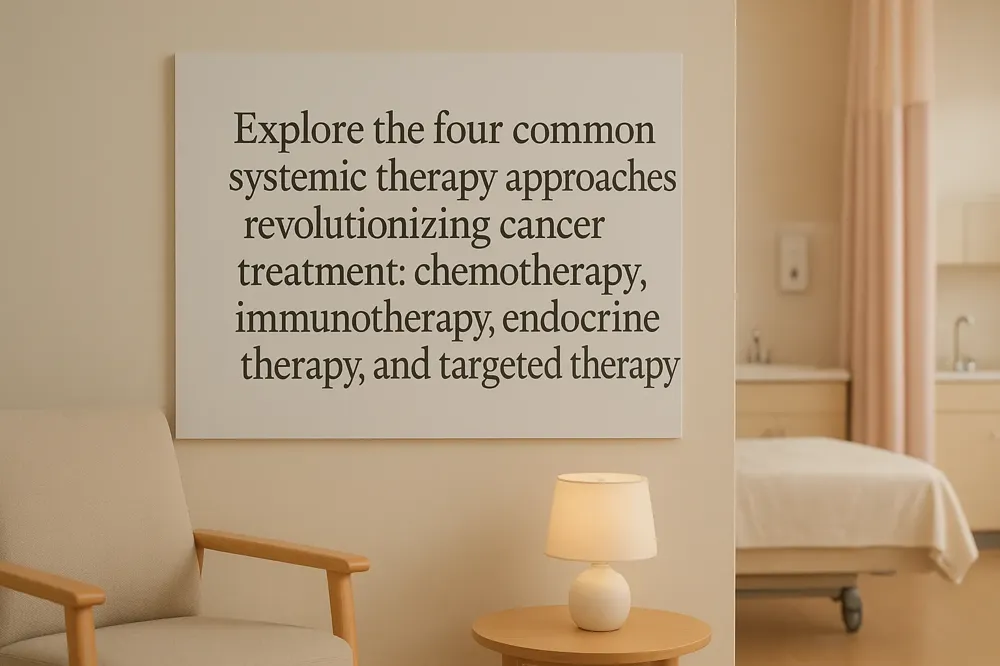
What are the four common systemic therapy approaches for cancer treatment?
The four common systemic therapy approaches for cancer treatment are chemotherapy, immunotherapy for cancer, endocrine therapy, and targeted therapy.
Chemotherapy employs drugs that kill rapidly dividing cells. This approach affects both cancerous and healthy cells, often causing side effects like fatigue, nausea, and hair loss due to its broad cytotoxic mechanism.
Immunotherapy strategies is distinct in its function; it harnesses and restores the body’s immune response to identify and attack cancer cells. Unlike other therapies, immunotherapy activates the immune system rather than directly targeting the tumor, using agents such as immune checkpoint inhibitors and cellular therapies.
Endocrine or hormone therapy works by blocking or removing hormones that certain cancers, such as breast and prostate cancers, depend upon for growth. By interrupting hormone signaling pathways, it slows cancer progression.
Targeted therapy selectively attacks specific molecular targets or abnormal proteins that drive cancer growth. This type of therapy, often involving monoclonal antibodies or small-molecule inhibitors, is designed to minimize damage to normal cells and reduce side effects compared to chemotherapy.
Together, these systemic therapies provide a multifaceted arsenal against cancer, each with unique mechanisms and impacts on both cancerous and healthy tissues, guiding personalized treatment strategies in oncology.
Common and Long-Term Side Effects of Cancer Treatments

What are the most common side effects of cancer treatments such as chemotherapy, radiation, and surgery?
Cancer treatments each present unique but sometimes overlapping Side Effects of Cancer Treatment. Chemotherapy frequently leads to fatigue, nausea, hair loss, immunosuppression increasing infection risk, and changes in skin and bowel function. Radiation therapy often causes localized skin irritation, fatigue, and potential injury to organs near the treatment site. Surgery can result in pain, infection risk, scarring, and altered organ function; it may also cause long-term issues such as lymphedema or impairments in speech or swallowing depending on the procedure.
Side effect experiences can differ widely among patients. The healthcare team at Hirschfeld Oncology emphasizes Personalized Side Effect Management Plans to improve patient quality of life while maintaining treatment efficacy.
What are the long-term side effects of cancer treatment?
Long-term or late side effects may emerge months or years after treatment completion and vary by therapy and cancer type. Persistent cancer-related fatigue, cognitive changes (commonly called 'Chemo Brain and Cognitive Effects'), and damage to vital organs like the heart, lungs, kidneys, or bones are prevalent.
Chemotherapy and radiation can increase risks for secondary cancers, hormonal imbalances including thyroid dysfunction, infertility, and bone density loss. Surgical interventions may cause chronic lymphedema or tissue scarring affecting mobility or function.
Effective long-term management includes regular follow-up care, lifestyle modifications such as exercise and nutrition, and tailored supportive therapies. Proactive monitoring and symptom reporting are vital to optimize survivorship quality and address complications early as part of Managing Long-Term Side Effects of Cancer.
Understanding both immediate and long-term side effects is essential in comprehensive oncology care, ensuring patients receive the full benefits of treatment with manageable adverse impacts.
Challenges and Limitations in Conventional Cancer Therapies

What are some current challenges and limitations in conventional cancer therapies?
Conventional cancer therapies such as surgery, chemotherapy, radiation, and hormonal treatment have been the backbone of oncology care for decades but face critical challenges that affect patient outcomes.
One major limitation is the development of drug resistance by cancer cells. Tumor heterogeneity and molecular complexity contribute to mechanisms like drug efflux pumps and altered metabolism, which reduce chemotherapy and hormonal therapy effectiveness over time. This resistance limits the ability to eradicate metastatic disease completely.
Toxicity to healthy tissues represents another significant challenge. Conventional treatments often harm normal rapidly dividing cells, leading to side effects such as fatigue, nausea, neuropathy, organ damage, and risk of secondary malignancies. These adverse effects can impair quality of life and cause patients to discontinue therapy.
Eradicating metastatic and heterogeneous tumors remains difficult with traditional strategies. These tumors possess diverse genetic profiles and microenvironmental adaptations, requiring multifaceted approaches to prevent progression.
The limitations in efficacy and safety of conventional therapies highlight the importance of innovations like precision oncology and immunotherapy](https://www.nature.com/articles/s41392-024-01856-7). These advances aim to tailor treatment to individual tumor biology and harness the immune system, potentially improving survival while reducing harmful side effects.
Efforts to integrate novel therapies alongside conventional treatments reflect the evolving landscape of cancer care where overcoming these challenges is key to better patient outcomes in the United States and worldwide.
Evaluating Treatment Success: Efficacy Endpoints in Oncology
What are the disease control rate and duration of response in oncology?
In oncology, the disease control rate (DCR) represents the proportion of patients who achieve a clinical benefit from treatment. This includes those who experience a complete response, where the tumor disappears; a partial response, marked by significant tumor shrinkage; or stable disease, meaning the tumor neither significantly grows nor shrinks. DCR thus captures a broader scope of treatment effectiveness beyond tumor reduction alone.
Duration of response (DoR) measures how long a tumor remains responsive to therapy without progression. It indicates the sustainability of treatment benefit over time.
At Hirschfeld Oncology, these metrics help guide personalized treatment plans for pancreatic cancer by combining traditional and novel therapies to maintain disease control as long as possible.
How are efficacy endpoints defined and used in oncology clinical trials?
Efficacy endpoints are specific outcomes used to evaluate the benefits of cancer treatments in clinical trials. Key endpoints include:
- Overall Survival (OS): Time from treatment start to death from any cause, the gold standard endpoint but requires long follow-up.
- Progression-Free Survival (PFS): Duration patients live without tumor progression, allowing earlier assessment than OS.
- Disease-Free Survival (DFS): Time patients remain free from disease after treatment.
- Objective Response Rate (ORR): Percentage of patients with measurable tumor shrinkage, classified by standards such as RECIST.
Regulatory agencies like the FDA use these endpoints, especially OS and validated surrogate endpoints like PFS and ORR, to approve new cancer therapies.
In clinical practice and trials, these measures provide crucial data on how well treatments control cancer and improve patient quality of life.
Through careful endpoint selection and interpretation, centers like Hirschfeld Oncology optimize treatment effectiveness for patients with challenging cancers such as pancreatic adenocarcinoma.
The Landscape of Currently Incurable Cancers and Treatment Challenges
What cancers are considered currently incurable and why?
Currently, several cancers remain largely incurable in clinical practice due to a combination of factors including late-stage detection, aggressive tumor biology, and resistance mechanisms to conventional therapies. Pancreatic cancer is notably one of these, often called the "silent killer," because it generally causes no early symptoms. This results in a diagnosis at an advanced stage when curative options are limited. Other cancers with poor prognosis and high mortality include liver cancer, lung cancer, ovarian cancer, esophageal cancer, stomach cancer, specific brain tumors, and acute myeloid leukemia. The incurability arises from features such as rapid disease progression, tumor heterogeneity, intrinsic or acquired drug resistance, and challenges in effectively targeting metastatic disease. (Cancer treatment strategies)
Due to these complexities, traditional treatments like surgery, chemotherapy, and radiation frequently fail to achieve durable remission. The presence of minimal residual disease after surgery and the aggressive nature of some tumors contribute to recurrence and progression. (Advancements in traditional cancer therapies)
Focus at Hirschfeld Oncology on combining innovative and standard therapies for hard-to-treat cancers
Recognizing these challenges, Hirschfeld Oncology is committed to advancing treatment strategies that integrate both cutting-edge innovations and established modalities. This holistic approach aims to improve patient outcomes by tailoring combination cancer therapies that can overcome resistance and address tumor heterogeneity more effectively. By leveraging immunotherapy, targeted therapies, and novel drug delivery systems alongside conventional treatments, the center strives to extend survival and enhance quality of life for patients with these difficult-to-treat cancers. (Cancer treatment strategies
Such multidisciplinary treatment plans are essential given the complexity of incurable cancers. Continuous research and personalized care remain central to Hirschfeld Oncology’s strategy in tackling these formidable malignancies within the U.S. healthcare context. (Oncology Care in the United States)
Immunotherapy: Transforming Cancer Treatment and Side Effect Profiles

What is immunotherapy in cancer treatment and how does it differ from other therapies?
Immunotherapy is a cancer treatment that empowers the body's immune system to more effectively recognize and attack cancer cells. Unlike chemotherapy and radiation, which target cancer cells directly by killing them or damaging their DNA, immunotherapy works by enhancing or restoring natural immune functions that help identify and destroy tumors. This approach includes treatments such as immune checkpoint inhibitors, CAR T-cell therapies, and monoclonal antibodies.
Role and mechanism of immunotherapy compared to conventional treatments
Conventional cancer treatments like chemotherapy and radiation act by indiscriminately killing rapidly dividing cells, affecting both cancerous and healthy tissues. Immunotherapy shifts this paradigm by targeting the immune system itself rather than the tumor cells directly. For instance, immune checkpoint inhibitors remove the "brakes" on T cells, unleashing an immune response that can more selectively attack cancer. CAR T-cell therapies engineer a patient’s own immune cells to recognize specific tumor antigens, offering a personalized and potent attack against cancer.
Benefits of immune checkpoint inhibitors and CAR T-cell therapies
Immune checkpoint inhibitors have revolutionized treatment, particularly since their approval in 2011, showing durable responses in melanoma, lung cancers, and lymphomas. They enable long-term remission by promoting immune memory. CAR T-cell therapies demonstrate remarkable efficacy against certain blood cancers, including leukemias and lymphomas, with the potential for lasting remission by leveraging genetically modified immune cells.
Side effect profile distinct from chemotherapy and radiation
Unlike chemotherapy and radiation, immunotherapy side effects arise mainly from overstimulation or misdirection of the immune system. Patients often experience immune-related adverse events (irAEs) affecting the skin, gastrointestinal tract, liver, endocrine glands, lungs, and other organs. Some side effects can be mild, like skin rashes or flu-like symptoms, while others may be severe, such as myocarditis or pneumonitis. These side effects usually appear within the first six months of treatment but may also arise later or become chronic.
Need for multidisciplinary management of immune-related adverse events
Managing these diverse and sometimes severe immune-related side effects requires coordinated care involving oncologists and multiple organ specialists such as pulmonologists, cardiologists, gastroenterologists, and endocrinologists. Clinics specializing in immunotherapy side effect management exemplify multidisciplinary approaches that enhance early detection, symptom management, and treatment continuation. For example, the Massachusetts General Hospital SIC Service demonstrates such multidisciplinary management.
Research advances enabling better side effect prediction and targeted mitigation
Cutting-edge research using single-cell genomics in immunotherapy research is revealing immune cell types involved in different toxicities, helping identify biomarkers to predict patients at risk of side effects. This knowledge paves the way for targeted therapies that may control side effects without compromising anti-tumor efficacy. Ongoing clinical and translational studies continue to refine immunotherapy safety profiles, aiming to balance immunotherapy benefits and risks effectively.
In summary, immunotherapy represents a transformative approach in oncology by harnessing the immune system for targeted cancer destruction. Compared to traditional therapies, it offers the promise of durable remission with a distinct side effect profile requiring specialized management. Advances in research and multidisciplinary care continue to improve outcomes and patient quality of life in the evolving landscape of immunotherapy for cancer.
Innovations and Future Directions in Oncology Treatment
What are the latest advancements and innovations in cancer treatment?
Recent innovations in oncology are revolutionizing cancer care by combining precision, efficacy, and improved quality of life for patients. One of the forefront advancements includes targeted therapies such as KRAS inhibitors, which address mutations long considered "undruggable." Drugs like sotorasib and adagrasib are helping to treat cancers such as lung, pancreatic, and colorectal by directly inhibiting KRAS mutations, marking significant progress in precision oncology.
Immunotherapy remains a transformative pillar, with immune checkpoint inhibitors like pembrolizumab and nivolumab receiving expanded approvals in the U.S., offering durable responses particularly for melanoma, lung cancer, and lymphomas. Moreover, CAR T-cell therapies are gaining traction, especially in hematologic malignancies, by engineering patient T cells to specifically attack cancer, improving outcomes in otherwise refractory cancers.
Personalized medicine is gaining momentum through genomic profiling and artificial intelligence (AI) support, enabling treatment plans tailored to the molecular and genetic landscape of each tumor. This approach reduces unnecessary toxicity and enhances therapeutic efficacy. AI models also aid early cancer risk prediction and diagnostic accuracy, facilitating earlier, less toxic interventions.
Emerging therapeutic strategies include combination regimens integrating immunotherapies with chemotherapy, targeted agents, or antiangiogenic drugs. These combinations aim to synergize efficacy while managing side effects, addressing tumor heterogeneity and resistance mechanisms.
Continued clinical trials in the United States adapt evolving standards of care, incorporating novel agents, biomarker-guided therapies, and adaptive trial designs that accelerate drug approval processes without compromising safety or effectiveness.
Together, these innovations promise a new era of cancer treatment focused on precision, improved survival, and better quality of life for patients across the U.S. oncology landscape.
Importance of Patient Engagement and Multidisciplinary Collaboration in Side Effect Management

Why is early symptom reporting critical for effective side effect control?
Early recognition and reporting of cancer treatment side effects significantly improve the effectiveness of symptom management. Prompt communication allows healthcare teams to address adverse events before they escalate, reducing the risk of treatment interruptions and severe complications. Immune-Related Adverse Events (irAEs), for example, often manifest within the first six months and can be more manageable when caught early, enabling patients to continue life-saving therapies longer and safer.
How do nurses, pharmacists, and specialists contribute to managing treatment toxicities?
Nurse's Role in Cancer Side Effect Management plays a pivotal part in screening for symptoms, educating patients, and implementing supportive care strategies that improve outcomes. Pharmacists closely collaborate with clinicians to monitor drug interactions, optimize dosing, and advise on toxicity prevention and management, as discussed in Balancing efficacy and safety in therapy optimization. Multidisciplinary specialists—including oncologists, cardiologists, endocrinologists, pulmonologists, and rheumatologists—provide expert evaluation and tailored interventions for organ-specific side effects, exemplifying an integrated approach essential for comprehensive care, such as seen in Multidisciplinary Management of Immunotherapy Toxicities.
What innovative clinical services facilitate multidisciplinary side effect management?
Centres like the Massachusetts General Hospital SIC Service and virtual multispecialty platforms like Citrus Oncology's Virtual Multispecialty Care represent advances in side effect management. SIC fosters coordinated evaluation by oncology and organ specialists, enabling rapid diagnosis and treatment of immunotherapy toxicities. Citrus Oncology’s virtual model expands patient access to specialty care with swift expert consultations, improving compliance and reducing hospitalizations. These paradigms underscore the shift toward coordinated, patient-centered management that balances efficacy and safety.
How does patient education and support enhance treatment adherence and quality of life?
Educating patients about potential side effects and encouraging timely symptom reporting empower them to actively participate in their care. Ongoing support from nurses and social workers addresses emotional, nutritional, and lifestyle factors influencing treatment tolerance, as highlighted in Physical activity benefits during cancer treatment and Side Effect Management in Cancer Therapy. These measures mitigate adverse events' impact, sustain adherence to anticancer regimens, and improve overall quality of life, reinforcing the importance of informed, multidisciplinary collaboration in oncology care.
Integrative Support: Nutrition, Physical Activity, and Emotional Care in Oncology
How do diet and exercise benefit cancer patients in managing treatment side effects?
Nutrition and physical activity are crucial components for cancer patients, improving quality of life and treatment outcomes. A well-balanced diet with plenty of fruits, vegetables, whole grains, and moderate protein supports energy and tissue repair. Patients often require higher calorie and protein intake to offset losses from nausea, appetite changes, or metabolic effects.
Physical activity reduces fatigue, anxiety, and muscle weakness. Exercise programs tailored to individual capabilities help maintain strength, mobility, and cardiovascular health, even during treatment, and have been shown to improve prognosis and reduce recurrence risk. For more details, see Good nutrition for cancer patients.
What nutritional strategies help counteract treatment-related losses?
Cancer treatments often cause nausea, appetite loss, and nutrient deficiencies. Nutrition therapy provided by dietitians specializing in oncology helps maintain a healthy weight and reduces side effects. Patients are encouraged to eat small, frequent meals, choose high-calorie, high-protein food, and practice food safety to prevent infections. This is further elaborated at Nutrition needs vary among cancer patients.
How does exercise contribute to reducing fatigue and enhancing quality of life?
Cancer-related fatigue affects a large proportion of patients. Evidence supports moderate exercise, including aerobic and strength training performed regularly, to decrease fatigue severity and improve mood. Exercise also aids in maintaining physical function and reducing treatment-related muscle wasting. Additional information is available in Fatigue Management in Cancer Patients.
What role do psychosocial interventions and behavioral oncology support play?
The emotional burden of cancer and its treatments is significant. Behavioral oncology services provide counseling, stress management, and mental health support to alleviate anxiety, depression, and social isolation. These interventions enhance coping skills and adherence to treatment regimens. Explore more at Behavioral oncology support.
How are comprehensive survivorship care models implemented in U.S. oncology centers?
Integrated care teams—including physicians, nutritionists, physical therapists, psychologists, and social workers—coordinate personalized survivorship plans. Programs like Yale Medicine’s Cancer Survivorship Clinic exemplify multidisciplinary approaches that focus on lifestyle interventions alongside symptom management, supporting long-term health and quality of life. Learn about these at Cancer Treatment Side Effects in the US.
Together, these integrative strategies balance treatment efficacy with patient-centered side effect management, emphasizing holistic well-being throughout cancer care in U.S. healthcare settings.
.png)
.png)