.png)


Embracing a New Era in Cancer Immunotherapy
Overview of Immunotherapy Advancements
Cancer immunotherapy is reshaping treatment by harnessing the body's own immune system to target tumors. Innovations like CAR T-cell therapy, immune checkpoint inhibitors, and personalized mRNA vaccines have made significant strides. For instance, mRNA vaccines stimulate tumor-specific immune responses quickly and safely, showing promise especially in melanoma and pancreatic cancer.
Impact of Clinical Trials on Cancer Treatment
Clinical trials across the U.S. are vital in validating these therapies. Studies combining immunotherapy with chemotherapy or radiation reveal improved survival rates. New agents such as pembrolizumab and nivolumab are increasingly integrated into treatment protocols. Trials also focus on harder-to-treat tumors, expanding options for more patients.
Significance for Difficult Cancers Like Pancreatic Cancer
Pancreatic cancer, historically challenging due to immune evasion, now benefits from novel immunotherapies. Personalized vaccines and cell-based treatments are demonstrating encouraging results. Ongoing research is vital to overcome tumor defenses and improve outcomes for patients with these aggressive cancers.
mRNA Vaccines: Harnessing Genetic Innovation to Combat Cancer
What is the mechanism of mRNA vaccines in cancer treatment?
mRNA vaccines in cancer immunotherapy work by delivering synthetic messenger RNA into a patient's cells. This synthetic mRNA encodes tumor-specific antigen induction which the patient's immune system stimulation recognizes as foreign. The cells then produce these antigens, prompting a robust humoral and cellular immunity stimulation including both antibody production and T cell activation to target and destroy cancer cells.
Which clinical trials showcase the success of mRNA vaccines?
Notable examples include the personalized mRNA-4157/V940 vaccine combined with pembrolizumab, showing a 79% recurrence-free survival in resected stage III and IV melanoma patients in Phase 2b melanoma trial results. Another promising candidate is autogene cevumeran for pancreatic cancer, which elicited strong neoantigen-specific T cell response in early Phase 1 studies.
What benefits and hurdles exist with mRNA vaccine technology?
Advantages of rapid mRNA vaccine design and manufacturing include no use of live virus or DNA integration, lending a high safety profile of mRNA vaccines. They also stimulate both humoral and cellular immunity stimulation effectively. However, challenges remain such as mRNA vaccine stability challenges, ensuring efficient lipid nanoparticle delivery systems to target cells, precise bioinformatics in neoantigen identification, and overcoming tumor immune evasion mechanisms.
How are mRNA vaccines combined with other treatments?
Combining mRNA vaccines with checkpoint inhibitors like pembrolizumab is a promising strategy to overcome the immunosuppressive tumor microenvironment. This integrated approach enhances overall immune activity and has shown encouraging clinical outcomes in melanoma and pancreatic cancer trials.
What innovative strategies complement traditional cancer therapies at Hirschfeld Oncology?
Hirschfeld Oncology integrates circulating tumor DNA and liquid biopsies for real-time, precise tumor monitoring and personalized treatment tailoring. They combine systemic chemotherapy with immunotherapy and targeted agents based on molecular profiling. Cutting-edge approaches like boiling histotripsy combined with oncolytic viruses and neutrophil-blocking therapies are under investigation to boost immune responses and improve outcomes in aggressive pancreatic cancer.
Revolutionizing Pancreatic Cancer Care at Hirschfeld Oncology

Who leads the treatment team at Hirschfeld Oncology, and what experience do they bring to pancreatic cancer care?
Dr. Azriel Hirschfeld leads the pancreatic cancer treatment team at Hirschfeld Oncology. With over 15 years dedicated to oncology and a special focus on gastrointestinal cancers, including pancreatic cancer, Dr. Hirschfeld brings extensive expertise. He earned his medical degree from Albert Einstein College of Medicine, followed by residency at Temple University Hospital, and fellowship training at the University of Maryland Greenebaum Cancer Center. Dr. Hirschfeld's leadership integrates a strong clinical background with active involvement in cutting-edge research on drug resistance, novel therapies, and Clinical trials using immunotherapy. Based in Williamsburg, NY, he emphasizes combining scientific advances with compassionate patient education and involvement in care decisions.
How does Hirschfeld Oncology's medical team collaborate to design treatment plans for pancreatic cancer patients?
Hirschfeld Oncology employs a multidisciplinary treatment planning (MTP) approach, where physicians, nurses, and specialists collaborate closely. This teamwork ensures precise diagnosis, accurate disease staging, and selection of evidence-based therapies tailored to each patient. The team integrates new cancer immunotherapy advancements such as immune checkpoint inhibitors and personalized vaccines into treatment regimens. Through coordinated care, they optimize surgical methods, minimize side effects, and ensure timely treatment delivery. Participation in Cancer Clinical Trials exploring innovative combinations of chemotherapy and immunotherapy complements this personalized strategy, aiming to improve survival and quality of life.
What role does patient advocacy play in Hirschfeld Oncology's approach to pancreatic cancer care?
Patient advocacy is a core commitment at Hirschfeld Oncology. The team fosters open, transparent communication, empowering patients to understand their diagnosis, treatment choices, and prognosis clearly. They value patient preferences and lifestyle goals, customizing therapies accordingly. Emotional support is integral, supporting patients through the challenges of cancer care. The practice actively guides patients toward access to breakthrough therapies and Cancer Immunotherapy Clinical Trials. This advocacy builds trust, promotes shared decision-making, and enhances both clinical results and overall patient satisfaction.
How does Hirschfeld Oncology incorporate compassion into the scientific treatment of pancreatic cancer?
Compassion at Hirschfeld Oncology is woven into every aspect of care. Beyond advanced medical treatments, patients receive empathetic support throughout their journey. Access to personalized mRNA vaccines and Cancer Immunotherapy Clinical Trials offers hope rooted in the latest research. Genetic counseling and on-site imaging bolster individualized treatment plans and diligent monitoring. Led by Dr. Hirschfeld, the team balances scientific rigor with heartfelt attention to patient well-being, striving to provide comprehensive and hopeful care for those facing pancreatic cancer.
Breakthrough Immunotherapies: From Targeted Antibodies to Cellular Engineering

Innovative immunotherapy drugs like CD40 agonist 2141-V11
Recently developed immunotherapy drugs are revolutionizing cancer treatment. The engineered CD40 agonist antibody 2141-V11, engineered for enhanced efficacy and reduced side effects, has shown remarkable results. In a Phase 1 trial with metastatic melanoma, renal cell carcinoma, and breast cancer patients, nearly half experienced tumor shrinkage, including two complete remissions. This therapy involves the drug injection into tumors, which minimizes toxicity and triggers systemic immune responses, leading to tumor regressions even at uninjected sites. The treatment also promotes immune cell infiltration and tertiary lymphoid structure formation within tumors, associated with better outcomes.
CAR T-cell therapy and TIL therapies in solid tumors
[chimeric antigen receptor (CAR) T-cell therapy] has emerged as a groundbreaking treatment, especially for blood cancers. Beyond hematologic malignancies, its adaptation to solid tumors is gaining momentum. TIL therapies, which expand a patient’s own tumor-specific T cells, have shown tumor shrinkage in about 25% of refractory non-small cell lung cancer patients. These therapies genetically modify or expand immune cells to increase their specificity and potency against cancer.
Personalized cellular immunotherapy advances
Personalized immunotherapy for solid tumors has progressed with techniques involving genetic sequencing of tumor-specific T-cell receptors. These receptors are inserted into normal lymphocytes, creating a powerful tailored immune response. Early-phase trials demonstrated lasting tumor shrinkage in metastatic colorectal cancer patients using this approach combined with agents like pembrolizumab and IL-2. The method addresses the challenge of expanding specific anti-cancer T cells and enhancing their activity.
Challenges of tumor microenvironment and new solutions
A significant hurdle is the tumor microenvironment and NK cells, which suppresses immune cell functions. For instance, natural killer cells rapidly lose their cancer-killing ability within tumors. Research identifies strategies like Interleukin 15 role in immunotherapy to restore this function, enhancing immunotherapy effectiveness. Moreover, novel compounds targeting intracellular proteins, such as NR4A1 protein role in tumor growth, act like immune checkpoint inhibitors but access internal pathways, offering hope for patients resistant to current treatments. Combining these approaches with immune checkpoint inhibitors CTLA-4 and PD-1/PD-L1 and advanced delivery systems improves response rates and patient outcomes.
Clinical Trials Paving the Way for Immunotherapy-Only Cancer Treatment

How are MSK trials pioneering immunotherapy-only treatments for MMRd cancers?
Memorial Sloan Kettering Cancer Center (MSK) has led revolutionary Immunotherapy clinical trials focusing on mismatch repair-deficient (MMRd) cancers. These trials have demonstrated that immunotherapy alone can effectively treat cancers traditionally managed with surgery, chemotherapy, and radiation. In one trial involving 103 patients with various MMRd cancers—including rectal, colon, gastroesophageal, hepatobiliary, genitourinary, and gynecologic cancers—80% of participants avoided conventional treatments by relying exclusively on immunotherapy. Impressively, all rectal cancer patients achieved complete clinical response with tumor disappearance after the immunotherapy regimen.
In what ways are checkpoint inhibitors replacing surgery and chemotherapy?
The MSK trials utilized immune checkpoint inhibitors, particularly the PD-1 blocker dostarlimab (Jemperli), which unleashes the immune system to recognize and attack tumor cells more efficiently. By blocking these immune checkpoints, the therapy stimulates a robust anticancer immune response, rendering surgery and chemotherapy unnecessary for many patients who respond to the treatment. This approach improves outcomes by preserving organ function and significantly reducing the adverse effects related to traditional cancer therapies. Learn more about this immunotherapy breakthrough.
What are the implications for patient quality of life and remission?
Patients treated with immunotherapy alone experienced not only high rates of durable remission but also enhanced quality of life. The ability to avoid invasive surgeries, chemotherapy side effects, and radiation toxicity means patients preserve important organ functions and face fewer long-term complications. Some patients have remained cancer-free for over four years post-treatment, highlighting the potential for lasting remissions with this less invasive method.
How does circulating tumor DNA (ctDNA) monitoring contribute to treatment assessment?
The MSK trial incorporated cutting-edge real-time treatment monitoring using circulating tumor DNA (ctDNA) testing with the Haystack MRD™ platform. ctDNA serves as a sensitive biomarker to detect residual disease and track therapeutic response dynamically. This enables clinicians to personalize immunotherapy and make timely decisions about treatment adjustments, increasing the precision and effectiveness of care. For detailed insights on clinical updates and personalized cancer treatments.
Through these groundbreaking trials, MSK is paving the way for immunotherapy to become a standalone treatment for specific genetic cancer subtypes, marking a paradigm shift in oncology and offering new hope for patients worldwide.
Expanding the Immunotherapy Frontier: Combining Modalities for Enhanced Outcomes
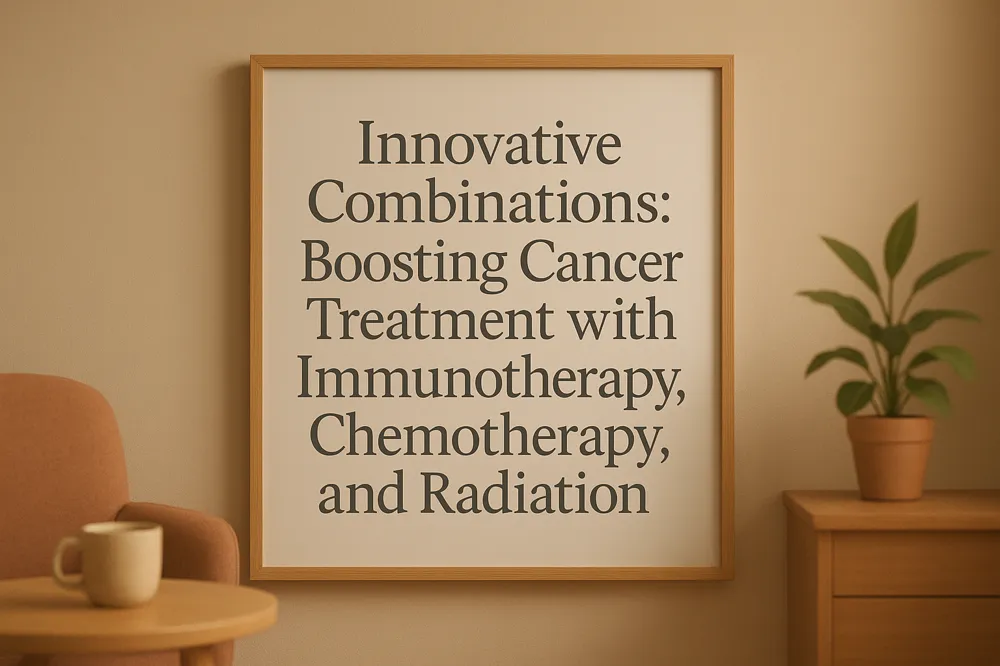
How Are Immunotherapy Combinations Improving Cancer Treatment?
Combining immunotherapy with chemotherapy, radiotherapy, and vaccines represents a powerful strategy to overcome the limitations of single therapies. For instance, the integration of checkpoint inhibitors like pembrolizumab alongside chemotherapy has shown improved overall survival in ovarian and lung cancers. Additionally, radiotherapy combined with agents like vismodegib can extend control in basal cell carcinoma, highlighting multi-modal synergy.
What Are Emerging Strategies for Treating 'Cold' Tumors?
Some tumors lack significant immune cell infiltration, termed 'cold tumors,' making them resistant to immunotherapy alone. UCSF researchers found that targeting TGF-Beta signaling, a pathway associated with immune suppression, combined with radiation and checkpoint inhibitors, reprogrammed these tumors to become responsive. The development of the "beta-alt" tumor scoring system helps identify patients who may benefit from such combination strategies.
How Are Clinical Trials Incorporating Biomarkers to Optimize Therapies?
Innovations in clinical trials now emphasize responsive biomarkers like circulating tumor DNA (ctDNA) and tumor mutation burden to tailor immunotherapy. Trials using ctDNA testing have enabled real-time monitoring of treatment response, improving personalization. Biomarkers predicting immune checkpoint inhibitor efficacy, including mutations in CEBPA and IRS2 genes, are also shaping therapeutic decisions. For the latest in clinical trial results and biomarkers, see Cancer Immunotherapy News October 2025.
What Are the Implications for Difficult Cancers like Pancreatic and Glioblastoma?
Hard-to-treat cancers, notably pancreatic and glioblastoma, are benefiting from these expanded immunotherapy approaches. Personalized mRNA-based vaccines and cell therapies targeting tumor-specific antigens show promise for pancreatic cancer. In glioblastoma, advances in NK cell activation and chimeric antigen receptor (CAR) T-cell therapy strategies hold potential. These developments herald new opportunities to improve prognosis for patients with previously refractory tumors.
These combination therapies and biomarker-guided clinical trials represent critical frontiers, enhancing immune system engagement against diverse and resistant cancers. Ongoing research continues to refine these approaches, aiming to make immunotherapy effective for a broader patient population.
Charting the Future: A New Hope in Cancer Immunotherapy
Breakthroughs in Clinical Trials
Recent clinical trials showcase groundbreaking advances in cancer immunotherapy. Personalized mRNA vaccines like mRNA-4157/V940 and autogene cevumeran have demonstrated impressive results in melanoma and pancreatic cancer, with recurrence-free survival rates soaring above 70%. Clinical trials combining immunotherapy agents such as pembrolizumab and nivolumab with chemotherapy or radiation are broadening treatment options across lung, breast, and head and neck cancers.
Tackling Tough-to-Treat Cancers
Challenging cancers, notably pancreatic ductal adenocarcinoma, are benefiting from novel immunotherapy approaches including tailored vaccines and cellular therapies. Innovative strategies targeting immune system components like natural killer (NK) cells and engineered T cells offer renewed hope to patients facing historically poor prognoses.
Personalized and Compassionate Care
The evolution of personalized immunotherapy heralds treatments designed to stimulate each patient’s immune system precisely against their tumor. Minimally invasive options replacing surgery or chemotherapy reduce side effects and preserve quality of life. Trials using checkpoint inhibitors alone have enabled some patients to avoid traditional treatments altogether, demonstrating a compassionate shift in cancer care focused on effectiveness and patient well-being.
.png)
.png)