.png)


Revolutionizing Cancer Care: Immunotherapy’s Expanding Role in Pancreatic and GI Malignancies
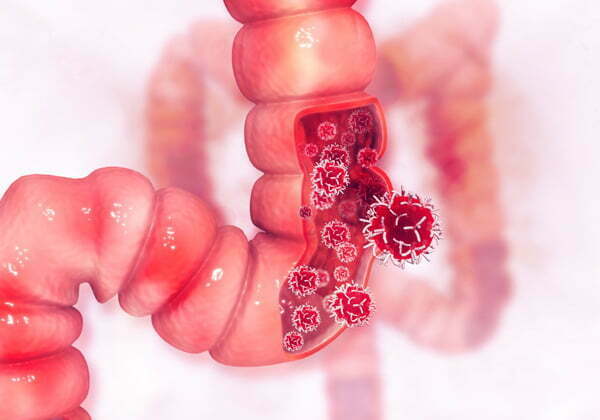
Immunotherapy is transforming treatment paradigms for pancreatic and gastrointestinal (GI) cancers.
Unlike conventional chemotherapy and radiation, immunotherapy harnesses the body's own immune system to identify and destroy cancer cells, often with fewer toxic side effects.
Advances in immune checkpoint inhibitors (ICIs) like PD-1, PD-L1, and CTLA-4 antibodies have led to improved survival in certain GI cancers, including stomach and esophageal tumors.
These agents help unmask tumor cells, enabling immune attack, and when combined with chemotherapy, have significantly reduced recurrence rates.
In pancreatic cancer, traditionally resistant to treatment, immunotherapy now includes novel strategies such as:
- CAR-NKT cell therapies targeting mesothelin, capable of infiltrating dense tumor tissue
- Personalized mRNA vaccines directed at tumor-specific neoantigens
- Monoclonal antibodies disrupting immune evasion sugar-coating on tumor cells
- Combination regimens blocking immunosuppressive pathways like CD73
Clinical trials are actively evaluating these approaches, reflecting a realistic shift toward personalized, immune-based therapies that could overcome the unique challenges of the pancreatic tumor microenvironment.
Emerging targets, including novel immune checkpoints (e.g., TIGIT, LAG-3) and cancer-placenta antigens like VGLL1, broaden the therapeutic landscape.
Together, these advances herald a new era of precision immunotherapy poised to improve outcomes and quality of life for patients with pancreatic and GI malignancies.
Emerging Immune Checkpoint Targets Beyond PD-1/PD-L1 in GI Cancers

What are the new immune checkpoints being studied in gastrointestinal cancers?
Recent immunotherapy advances extend beyond PD-1/PD-L1 to include novel checkpoints such as TIGIT, VISTA, GITR, STING, and TIM-3. These molecules regulate immune cell activity within the tumor microenvironment (TME), often contributing to immune suppression and tumor evasion.
How do these novel checkpoints influence tumor immunity?
- TIGIT inhibits T and NK cells by binding to ligands CD155 and nectin family molecules, dampening immune attack. Blocking TIGIT can rejuvenate immune responses especially when combined with PD-1 inhibitors.
- VISTA mainly restrains T-cell activation and is expressed on myeloid cells and regulatory T cells; its inhibition increases CD8+ cell infiltration.
- GITR acts as a co-stimulatory receptor that enhances effector T cell function and reduces immunosuppressive regulatory T cells.
- STING senses tumor DNA and activates interferon pathways boosting innate and adaptive immunity but faces delivery challenges for therapy.
- TIM-3 marks exhausted T cells; targeting TIM-3 may restore T cell function and improve anti-tumor immunity.
What are the clinical advances in targeting these checkpoints?
Dual checkpoint blockade strategies pairing, for example, TIGIT with PD-1, or TIM-3 with PD-1, are under investigation to overcome resistance and improve response rates in GI cancers. STING agonists combined with PD-1 blockers show promise but require optimization.
What challenges remain in utilizing these novel checkpoints?
Tumor heterogeneity complicates response prediction. Immune-related toxicities associated with combination therapies require careful management. Differences between preclinical models and human biology sometimes hinder translation of successes. Delivery of agents like STING agonists remains a technical challenge.
What innovative strategies is Hirschfeld Oncology using in pancreatic cancer treatment?
Hirschfeld Oncology integrates these emerging immunotherapeutic targets, exploring novel checkpoints such as TIGIT and TIM-3, while harnessing combination therapies that modulate the TME to enhance immune activation against pancreatic tumors.
Overcoming the Immunosuppressive Tumor Microenvironment in Pancreatic Cancer

What characteristics of the pancreatic tumor microenvironment limit immunotherapy efficacy?
The pancreatic tumor microenvironment (TME) is highly immunosuppressive and complex, posing significant barriers for immunotherapy. It features an abundant desmoplastic stroma composed of dense extracellular matrix and cancer-associated fibroblasts (CAFs), which hinder drug delivery and immune cell infiltration. Immunosuppressive cells such as myeloid-derived suppressor cells (MDSCs), M2 macrophages, regulatory T cells (Tregs), and neutrophils populate the TME, creating a hostile environment for anti-tumor immunity. Tumor cells also display genetic alterations, including KRAS mutations and downregulation of MHC class I, contributing to immune evasion. Pancreatic ductal adenocarcinoma overview
How do stromal components and immunosuppressive cells enable immune escape?
Stromal elements like fibroblasts secrete factors that create physical and biochemical barriers, while immunosuppressive cells actively inhibit effector T cell function through cytokine release and checkpoint molecule expression. These interactions reduce T cell activation and tumor infiltration. Metabolic alterations within the TME, such as enhanced glycolysis, further promote immunosuppression. The net effect is a tumor milieu that limits the effectiveness of immune checkpoint inhibitors and other immunotherapies. Challenges in pancreatic cancer immunotherapy
What innovative approaches target TME factors such as fibroblasts, MDSCs, and metabolic pathways?
Researchers are developing agents to reprogram or deplete immunosuppressive cells. For example, therapies targeting MDSCs and tumor-associated macrophages aim to restore immune activity. Fibroblast activation protein-directed treatments and stroma-modifying agents like hyaluronidase help dismantle the desmoplastic barrier to enhance drug and immune cell penetration. Metabolic pathway inhibitors, including blockers of the adenosine pathway (e.g., CD73 inhibitors), are under clinical evaluation to reduce tumor-mediated immune suppression. Pancreatic cancer survival rate
What is the clinical development status of therapies like FAK inhibitors, CXCR4 antagonists, and microbiome modulators?
Several phase I and II clinical trials are testing focal adhesion kinase (FAK) inhibitors to disrupt stromal-tumor interactions and improve immune infiltration. CXCR4 antagonists are being evaluated for their ability to modulate immune cell trafficking and reduce suppressive cell populations. Additionally, microbiome modulation strategies are emerging, recognizing that gut and tumor-associated microbes influence immune responses and therapeutic outcomes in pancreatic cancer. Immunotherapy in pancreatic cancer
How does Hirschfeld Oncology integrate standard therapies with new treatments for pancreatic cancer?
Hirschfeld Oncology combines standard care modalities such as chemotherapy and surgery with innovative treatments targeting the TME. Their approach includes agents aimed at modulating the dense stroma, enhancing immune cell infiltration, and reducing inflammation within the tumor. This integrated strategy seeks to increase the success rate of immunotherapies by overcoming the pancreatic cancer microenvironment's inherent resistance mechanisms. Combination immunotherapies for pancreatic cancer
| Aspect | Description | Therapeutic Approaches |
|---|---|---|
| Pancreatic TME features | Dense stroma, immunosuppressive cells, metabolic alterations | FAK inhibitors, stroma-targeted therapies |
| Immune escape mechanisms | T cell inhibition, physical barriers, genetic mutations | CXCR4 antagonists, checkpoint inhibitors |
| Innovative targets | Fibroblasts, MDSCs, adenosine pathway | CD73 inhibitors, fibroblast activation protein agents |
| Microbiome influence | Modulates immune response and therapy efficacy | Microbiome modulators, combination immunotherapy |
| Clinical strategy | Combining standard and TME-targeting therapies | Integrated protocols at Hirschfeld Oncology |
Personalized and Cell-Based Immunotherapies: CAR-T, TIL, and TCR-T Advances
Development of CAR-T therapies targeting mesothelin and CLDN18.2 in pancreatic and GI cancers
Novel CAR-T cell therapies have advanced notably in treating gastrointestinal and pancreatic cancers by focusing on specific tumor antigens. CAR-T cells engineered to target mesothelin, a protein overexpressed in pancreatic cancer, have shown promise in preclinical models for attacking metastatic tumors across organs like the lungs and liver. Similarly, CLDN18.2-targeted CAR-T therapies have demonstrated encouraging outcomes in gastric cancers, with significant tumor shrinkage and manageable side effects such as cytokine release syndrome.
Adoptive Cell Therapies: TILs and TCR-T targeting neoantigens and cryptic peptides
Adoptive cell therapies, including tumor-infiltrating lymphocytes (TIL) and T-cell receptor engineered T cells (TCR-T), have emerged as personalized immunotherapeutic strategies. These therapies target unique tumor neoantigens as well as cryptic peptides, which are cancer-specific protein fragments. TCR-T therapies engineered to recognize these cryptic peptides have demonstrated tumor recognition and growth inhibition in pancreatic cancer models. TIL therapies combined with checkpoint inhibitors have improved tumor response rates in metastatic gastrointestinal cancers, as discussed in NIH clinical trial on GI tumor treatment and Dana-Farber pancreatic cancer research.
Universal CAR-NKT Cell Therapy Innovations and Advantages
An innovative universal CAR-NKT cell therapy utilizes invariant natural killer T cells engineered with chimeric antigen receptors directed at mesothelin. This approach allows for mass production from donated blood stem cells, making it an off-the-shelf and cost-effective therapy (~$5,000 per dose). Unlike traditional CAR-T, CAR-NKT cells effectively penetrate solid tumor environments, maintain their activity without exhaustion, and home to metastatic tumor sites regardless of their location, overcoming common obstacles in solid tumor immunotherapy.
Challenges: Toxicity, Manufacturing, and Immune Evasion
Despite successes, cell-based immunotherapies face challenges such as cytokine release syndrome and off-tumor effects, requiring safety strategies like switchable CARs and inducible suicide systems. Manufacturing complexities and high costs limit accessibility, though universal CAR-NKT therapies offer promising scalability. Immune evasion driven by tumor microenvironment suppression, antigen heterogeneity, and immune checkpoint expression also limit efficacy, demanding innovative combination therapies and personalized approaches, which are reviewed in Immunotherapy in gastrointestinal cancers and Challenges in GI cancer immunotherapy.
What innovative strategies is Hirschfeld Oncology using in pancreatic cancer treatment?
Hirschfeld Oncology integrates advanced cell-based therapies—including CAR-T cells targeting mesothelin and personalized TCR-T cells against tumor-specific antigens—to overcome immune resistance observed in pancreatic cancer. This approach aims to leverage tumor-specific targets and potent immune effectors to tackle the immunosuppressive pancreatic tumor microenvironment effectively, consistent with strategies detailed in Immunotherapy for pancreatic cancer and recent advances in pancreatic cancer immunotherapy.
Vaccine Technologies and Oncolytic Viruses: Expanding the Immunotherapeutic Arsenal

How are personalized mRNA and neoantigen vaccines activating tumor-specific immune responses in pancreatic cancer?
Personalized mRNA vaccines have emerged as a promising immunotherapy for pancreatic cancer. These vaccines are tailored to each patient by sequencing the tumor to identify unique neoantigens—mutated proteins found only on cancer cells. For instance, MSK’s autogene cevumeran mRNA vaccine activates tumor-specific T cells that persist long-term, reducing the risk of recurrence. By targeting these tumor-specific neoantigens, mRNA vaccines stimulate a targeted immune response that can recognize and attack pancreatic tumor cells effectively.
What roles do oncolytic virus therapies play in cancer treatment?
Oncolytic viruses (OVs) in cancer represent a novel therapeutic strategy that directly infect and lyse tumor cells while provoking an anti-tumor immune response. Viruses such as H101, LOAd703, OH2, Pelareorep, and Pexa-vec selectively target cancer cells, causing their destruction and releasing tumor antigens that enhance immune system activation. These effects may convert immunologically "cold" tumors, which lack immune cell infiltration, into "hot" tumors with robust immune activity (Immunotherapy for gastrointestinal tumors).
What is the current clinical trial status and strategies to improve vaccine efficacy?
Several clinical trials are ongoing to evaluate vaccines and OVs in gastrointestinal cancers, including pancreatic cancer. Combining cancer vaccines with checkpoint inhibitors or chemotherapies is being explored to overcome immune evasion and improve response rates. The personalized nature of mRNA and neoantigen vaccines allows adaptation to tumor heterogeneity, increasing their potential success. Clinical protocols increasingly aim to use these modalities in combination, enhancing anti-tumor immunity and improving patient outcomes (Combination immunotherapy for GI cancers, Immunotherapy in gastrointestinal cancers).
How might these therapies change the tumor microenvironment?
Both vaccine-based immunotherapies and oncolytic viruses have the potential to alter the tumor microenvironment by promoting immune cell infiltration and activation. This transformation from "cold" to "hot" tumors makes the cancer more responsive to immunotherapies by reversing immune suppression and potentiating T cell responses. This capacity is particularly crucial for traditionally resistant tumors like pancreatic ductal adenocarcinoma, which exhibit dense stroma and low immune activation (Tumor microenvironment in pancreatic cancer).
| Therapy Type | Mechanism | Clinical Status |
|---|---|---|
| Personalized mRNA Vaccines | Activate neoantigen-specific T cells | Early-phase to ongoing trials |
| Neoantigen Vaccines | Generate strong, specific T cell immunity | Translational research |
| Oncolytic Viruses | Tumor cell lysis; immune stimulation | Various agents in trials |
| Combination Strategies | Vaccine + checkpoint inhibitors or chemo | Phase 2/3 clinical trials |
This advancing therapeutic arsenal offers hope for improving outcomes in gastrointestinal cancers by harnessing and directing the immune system more precisely (Immunotherapy for pancreatic cancer, Immunotherapy for gastrointestinal tumors.
Novel Antibody Therapeutics and Bispecific Agents in GI and Pancreatic Cancer

How do monoclonal antibodies block immune evasion in pancreatic tumors?
Pancreatic tumors evade immune detection by cloaking themselves with a sugar-based signal involving sialic acid attached to integrin α3β1. This sugar coat binds to Siglec-10 receptors on immune cells, sending a 'don't attack me' signal that suppresses immune response. Monoclonal antibodies developed by Northwestern University block this mechanism, effectively reactivating immune cells to attack pancreatic cancer. In preclinical mouse models, these antibodies slowed tumor growth by interrupting this sugar-mediated immune evasion (therapy reawakens immune system; New antibody treatment for pancreatic cancer; therapy reawakens immune system; New antibody treatment for pancreatic cancer).
What role do bispecific antibodies play in enhancing antitumor immunity?
Bispecific antibodies bind two targets simultaneously, such as dual immune checkpoints, to potentiate antitumor immunity while potentially reducing side effects. These next-generation immunotherapies engage T-cells and cancer cells at once, improving immune activation against tumors. In gastrointestinal (GI) cancers, bispecifics targeting combinations of immune checkpoints are being investigated to overcome resistance and improve safety profiles compared to monotherapies (Immunotherapy in gastrointestinal cancers; Revolutionising GI cancer care).
What FDA-approved antibody therapies are combined with chemotherapy in GI cancers?
Durvalumab, an immune checkpoint inhibitor, has been approved by the FDA in combination with the FLOT chemotherapy regimen for stomach and esophageal cancers. This combination enhances event-free survival by unmasking cancer cells and enabling immune destruction without compromising surgical safety. Such approvals mark progress toward integrating immunotherapy with standard chemotherapy in GI cancers, offering hope for improved treatment outcomes (FDA approval for durvalumab addition).
Which antibody-drug conjugates target tumor-specific antigens?
Antibody-drug conjugates (ADCs) deliver chemotherapy directly to cancer cells by targeting proteins like CLDN18.2, highly expressed in certain GI cancers. These ADCs minimize toxicity to healthy tissue by precise delivery of cytotoxic agents. New ADCs targeting mesothelin are under investigation for pancreatic cancer, capitalizing on tumor-specific antigen expression to enhance therapeutic precision (Revolutionising GI cancer care; FDA-approved immunotherapy options in pancreatic cancer).
What innovative strategies does Hirschfeld Oncology use in pancreatic cancer treatment?
Hirschfeld Oncology specializes in antibody-based therapies that disrupt novel immune evasion pathways such as Siglec-10 signaling. They also develop bispecific antibodies designed to simultaneously engage multiple immune checkpoints, amplifying antitumor immune activation while maintaining manageable safety profiles. These innovative approaches reflect a commitment to overcoming pancreatic cancer's resistance to traditional therapies (Immunotherapy for pancreatic cancer; Immune system fights pancreatic cancer).
| Therapy Type | Target | Mechanism | Clinical Status / Benefit |
|---|---|---|---|
| Monoclonal antibodies | Siglec-10 pathway | Blocks immune evasion sugar signals | Preclinical slowing of pancreatic tumor growth (New antibody treatment for pancreatic cancer |
| Bispecific antibodies | Dual immune checkpoints | Enhanced immune activation | Early trials aim to improve efficacy and reduce toxicity (Immunotherapy in gastrointestinal cancers |
| Immune checkpoint inhibitor + Chemo | PD-L1 (durvalumab) + FLOT chemo | Unmasks cancer cells for immune attack | FDA-approved for stomach/esophageal cancers (FDA approval for durvalumab addition |
| Antibody-drug conjugates | CLDN18.2, mesothelin | Targeted chemo delivery | Under clinical investigation for GI and pancreatic cancers (Revolutionising GI cancer care |
Clinical and Translational Advances: Broadening Immunotherapy Access in Pancreatic Cancer
Identification of MSI-high and mismatch repair deficient (dMMR) subsets eligible for PD-1/PD-L1 inhibitors
A small but important subset of pancreatic ductal adenocarcinoma (PDAC) patients, about 2-3%, display high microsatellite instability (MSI-high) or mismatch repair deficiency (dMMR). These molecular features render them eligible for FDA-approved PD-1/PD-L1 checkpoint inhibitors such as pembrolizumab and nivolumab. These immunotherapies leverage the increased neoantigen load in MSI-high tumors to trigger effective immune responses and have shown improved survival outcomes compared to conventional therapies for this group.
Case studies demonstrating immunotherapy efficacy beyond classical biomarkers in pancreatic cancer
Recent multi-institutional case series from the United States report remarkable responses to immunotherapy even in patients without MSI-high status. Approximately 82% of these patients experienced partial tumor shrinkage with median progression-free survival reaching 12 months and survival rates far exceeding usual expectations. These findings suggest that broader immunotherapy application, guided by emerging biomarkers beyond MSI, could benefit a larger pancreatic cancer population (rare pancreatic cancer patients show strong response to immunotherapy).
Ongoing Phase 3 trials combining CD73 inhibitors and chemotherapy showing improved survival
A landmark phase III clinical trial (PRISM-1) is evaluating quemliclustat, a CD73 inhibitor, combined with nab-paclitaxel and gemcitabine chemotherapy for metastatic pancreatic cancer. CD73 plays a role in generating the immunosuppressive adenosine-rich tumor microenvironment. Early outcomes from Phase Ib trials demonstrated a 37% reduction in risk of death and a median survival benefit of 6 months, marking a potential shift in standard treatment. This approach aims to break immune suppression barriers and enhance chemotherapy efficacy (New phase III clinical trial actively recruiting).
Hirschfeld Oncology’s leadership in combining genetic profiling with emerging immunotherapies to personalize treatment plans
At the forefront of personalized pancreatic cancer care, Hirschfeld Oncology is led by Dr. Azriel Hirschfeld, whose expertise integrates advanced molecular testing with the latest immunotherapeutic advances. The multidisciplinary team harnesses genetic profiling and immunoprofiling to tailor regimens combining immunotherapy, targeted agents, and chemotherapy. This strategic collaboration ensures that treatment selections are optimized for effectiveness and tolerability.
Hirschfeld Oncology's trusted status stems from its research-driven, patient-centered philosophy, seamlessly incorporating cutting-edge clinical trial opportunities and compassionate care tailored to individual tumor biology and patient needs. This positions them as a national leader advancing immunotherapy for pancreatic cancer.
Compassionate Care and Future Directions in Immunotherapy for GI and Pancreatic Cancers
What role does compassion play in Hirschfeld Oncology’s approach to pancreatic cancer treatment?
Compassion is central to Hirschfeld Oncology’s philosophy, ensuring patients receive care that addresses not only the physical challenges of pancreatic and gastrointestinal cancers but also the emotional and psychological burdens. This empathetic approach integrates cutting-edge immunotherapy for pancreatic cancer with personalized patient support, recognizing the importance of treating the whole person.
What challenges remain in immunotherapy for GI and pancreatic cancers?
Immunotherapy faces significant obstacles such as immune-related adverse events, tumor heterogeneity, and high treatment costs. Tumor heterogeneity complicates the identification of effective biomarkers and contributes to therapeutic resistance. Additionally, adverse immune reactions require careful management to ensure patient safety. The financial burden of advanced immunotherapies can limit accessibility, underscoring the need for affordable solutions in immunotherapy for gastrointestinal cancers and pancreatic cancer immunotherapy.
How can combining immunotherapy with new targets and approaches improve survival?
Emerging strategies that integrate immunotherapy with novel targets like TIGIT and LAG-3, or tumor-specific antigens, and approaches including CAR-T or CAR-NKT cell therapies show promise in overcoming resistance and improving outcomes. Combination regimens pairing immune checkpoint inhibitors with chemotherapy or targeted agents have demonstrated enhanced survival rates. Personalized cancer vaccines and oncolytic viruses also add to a growing arsenal against these difficult cancers.
What is the vision for redefining patient outcomes through integrated efforts?
The future lies in weaving together rigorous research, advanced clinical care, and strong patient advocacy. By fostering innovation and compassion in tandem, institutions like Hirschfeld Oncology aim to transform historically poor prognoses into improved survivorship and quality of life. Collaboration across scientific, medical, and support communities will be essential to making immunotherapy more effective, accessible, and patient-centered — advancing immunotherapy in gastrointestinal cancers and pancreatic cancer.
Looking Ahead: The Promise of Emerging Immunotherapeutics in Pancreatic and GI Cancers
Emerging Immunotherapeutic Targets and Strategies
Immunotherapy is rapidly evolving for pancreatic and gastrointestinal (GI) cancers, with novel targets such as immune checkpoints TIM-3, TIGIT, and VISTA, as well as tumor-specific antigens like mesothelin and VGLL1 gaining attention. Innovative approaches include combined checkpoint inhibition, CAR-T and CAR-NKT cell therapies, mRNA vaccines personalized to tumor neoantigens, and oncolytic virus therapies. These strategies aim to enhance immune activation, overcome tumor microenvironment suppression, and target cancer cells more precisely.
The Need for Multidisciplinary and Personalized Treatment
Overcoming the biological complexity of GI and pancreatic cancers requires a collaborative approach integrating immunotherapy with chemotherapy, targeted agents, and advanced diagnostics. Tumor heterogeneity and immune escape mechanisms necessitate personalized treatment plans guided by biomarkers such as microsatellite instability and neoantigen profiles. Integration of genomic, immunologic, and clinical data supports tailored therapies and improved outcomes.
Hirschfeld Oncology’s Role in Advancing Care
Hirschfeld Oncology exemplifies a patient-centered, multidisciplinary model that navigates cutting-edge immunotherapies alongside supportive care. By fostering collaboration among specialists and embracing innovative trials, Hirschfeld Oncology advances both compassionate and scientifically driven care, enhancing access to novel treatments with proven efficacy in complex GI and pancreatic cancers.
Outlook for Survival and Quality of Life
Ongoing innovation in immunotherapy holds promise for improving survival rates and quality of life among patients with traditionally hard-to-treat GI and pancreatic cancers. With advances in cellular therapies, immune checkpoint inhibitors, and personalized vaccines, the future offers hope for more effective, less toxic cancer control, transforming prognosis and bringing new optimism to patients and clinicians alike.
.png)
.png)