.png)


Understanding Gastrointestinal Cancers: Types, Symptoms, and Detection
Overview of common gastrointestinal cancers
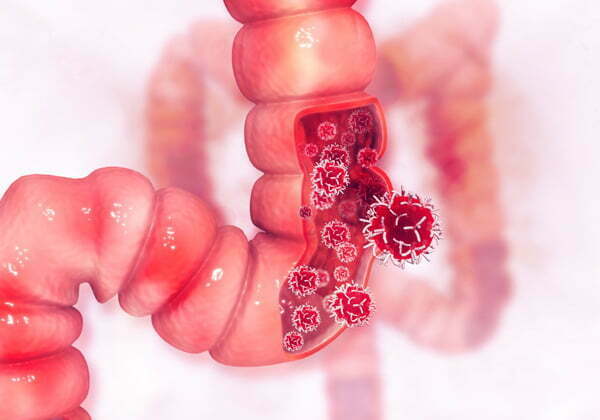
Gastrointestinal (GI) cancers affect the digestive tract and related organs. The main types include colorectal, esophageal, gastric (stomach), pancreatic, liver, small intestine, and bile duct cancers. Colorectal cancer is the most common GI cancer in the United States, while pancreatic cancer is particularly aggressive with a low five-year survival rate.
Early symptoms and warning signs
Symptoms vary depending on cancer type but may include difficulty swallowing, indigestion, stomach pain, bloating, blood in stool, unexplained weight loss, nausea, and fatigue. Early stages might be symptomless or mimic benign conditions, making vigilance critical. Warning signs such as persistent acid reflux, abdominal pain, or changes in bowel habits warrant medical evaluation.
Diagnostic procedures for GI cancers
Diagnosis typically involves endoscopic procedures like colonoscopy or upper endoscopy with biopsy to examine and sample suspicious tissues. Imaging tests such as CT scans, MRI, ultrasound, PET scans, and endoscopic ultrasound help determine tumor extent and staging. Blood tests and specialized assays may assist in early detection and prognosis. Multidisciplinary teams coordinate these diagnostics to optimize timely and accurate diagnosis.
The Landscape and Challenges of Gastrointestinal Cancer Care

What are the most common types of gastrointestinal cancers?
The most common gastrointestinal (GI) cancers in the United States include colorectal, esophageal, gastric (stomach), pancreatic, and liver cancers. Colorectal cancer is particularly notable as the most prevalent and treatable form when caught early. It is estimated that 5 to 10 percent of colorectal cancer cases arise due to inherited genetic factors, while the majority relate to lifestyle factors such as unhealthy diets, smoking, and alcohol use. Other risk factors for GI cancers include infections like Helicobacter pylori in the stomach and hepatitis B or C viruses affecting the liver.
How are gastrointestinal cancers currently treated, and what challenges exist?
Standard treatments for GI cancers involve a combination of surgery, chemotherapy, radiation therapy, targeted therapies, and immunotherapy. Despite these options, challenges like tumor heterogeneity, drug resistance, and late-stage diagnosis often limit treatment effectiveness. For example, pancreatic cancer tends to be diagnosed late due to non-specific symptoms, contributing to a five-year survival rate below 5% in the US. Additionally, drug resistance and the complexity of the tumor microenvironment can hinder therapeutic success.
Why is a multidisciplinary and personalized approach important in GI cancer care?
Multidisciplinary teams including gastroenterologists, oncologists, surgeons, radiologists, nutritionists, and genetic counselors play a critical role in optimizing outcomes. Personalized treatment plans consider tumor type, stage, genetic markers, and patient-specific factors to tailor therapy. Early detection through screening—now recommended to begin at age 45 for colorectal cancer—combined with a collaborative care strategy improves survival rates and quality of life. Institutions like Yale Medicine and Mount Sinai emphasize this team-based approach to effectively manage GI cancers.
Exploring Drug Repurposing: An Accelerated Approach to Cancer Therapy

What is drug repurposing and why is it important in cancer treatment?
Drug repurposing, also known as drug repositioning, is the process of drug repurposing where existing approved medications are used for new therapeutic purposes, particularly in cancer treatment. This strategy offers a faster and more cost-effective alternative to traditional drug development, which can take over a decade and billions of dollars to complete. It is especially important in gastrointestinal cancers, where treatment challenges like tumor heterogeneity and drug resistance limit patient outcomes.
By leveraging drugs with known safety profiles, researchers apply computational approaches in drug repurposing such as computational modeling, high-throughput screening, and real-world data analysis to identify candidates that can target cancer pathways such as angiogenesis, immune checkpoints, or cellular metabolism. This accelerates the availability of new treatment options significantly.
Advantages of repurposing drugs in oncology
Drug repurposing brings several advantages in oncology:
- Reduced Development Time and Cost: Typically, repurposed drugs reach clinical use in 3-5 years with costs under $10 million, compared to $2-3 billion and over a decade for new drugs.
- Known Safety Profiles: Existing clinical data limits safety concerns and regulatory risks.
- Higher Success Rates: Leveraging established drugs improves the likelihood of successful clinical outcomes.
- Targeting Multiple Mechanisms: Many repurposed drugs, such as metformin and aspirin, affect several cancer-related pathways simultaneously.
- Personalized Medicine: Integrating repurposed drugs allows tailored approaches, addressing tumor heterogeneity more effectively.
These advantages are well-documented in advantages of drug repurposing and drug repurposing for cancer therapy.
Regulatory environment supporting repurposing in the US
In the United States, regulatory agencies like the FDA actively support drug repurposing initiatives. The FDA facilitates accelerated approval pathways, providing more efficient routes for drugs with established safety records to gain approval for new cancer indications. Collaborative efforts among academia, industry, and regulatory bodies help overcome challenges related to patent issues and trial designs as highlighted in drug repositioning in gastrointestinal oncology.
Federal funding and research programs encourage bioinformatics methods for drug repurposing and clinical trials focused on repurposed drugs, fostering innovation and faster patient access to therapies. Off-label use and well-designed clinical studies further contribute to translating repurposed drug candidates into standard cancer care, particularly in gastrointestinal oncology.
This approach aligns with the broader trend towards precision oncology and personalized cancer treatment, aiming to improve outcomes and reduce costs for patients with GI cancers in the US.
Methodologies in Drug Repurposing for Gastrointestinal Cancers

What approaches are used in drug repurposing for cancer therapy?
Drug repurposing in cancer therapy employs a blend of experimental and computational approaches in drug repurposing. On the experimental side, high-throughput screening evaluates existing drugs in cell cultures and animal models to detect possible anticancer activities and understand their mechanisms.
Computational approaches include bioinformatics and molecular docking, which analyze large genomic and proteomic datasets to predict interactions between drugs and tumor-specific targets. These in silico methods prioritize candidate drugs by simulating how molecules bind to cancer-related proteins, efficiently narrowing potential repurposing candidates.
This combined strategy leverages the benefit of already approved drugs with known safety profiles, enabling a more rapid entry into clinical trials and potentially reducing development costs and time.
What is the drug repurposing protocol?
The Process of drug repurposing typically begins by using bioinformatics tools and AI algorithms to mine clinical data, drug databases, and molecular profiles for promising candidates. Methods like molecular docking and phenotypic screening experimentally validate these computational predictions.
Promising drugs undergo further testing in preclinical models to evaluate anticancer efficacy, focusing on mechanisms such as tumor microenvironment modulation or key signaling pathways. Successful candidates are then progressed into clinical trials, often directly into phase II due to established safety, to assess therapeutic effectiveness in gastrointestinal cancers overview characterized by heterogeneity and resistance to standard therapies.
Integration of bioinformatics and molecular docking
Bioinformatics methods for drug repurposing and molecular docking serve as the cornerstone methodology in drug repositioning for GI oncology. These computational strategies facilitate rapid screening of vast drug libraries against multiple cancer targets, accelerating hypothesis generation and experimental design.
Studies highlight that computational predictions help identify drugs affecting pathways like WNT, mTOR, and autophagy, common in colorectal, pancreatic, and gastric cancers. Combining these tools with experimental validation forms a robust pipeline that enhances the probability of clinical success.
| Methodological Step | Description | Role in Drug Repurposing |
|---|---|---|
| Bioinformatics Analysis | Large-scale genomic/proteomic data mining | Identifies novel drug-target interactions |
| Molecular Docking | Simulates drug binding to molecular targets | Prioritizes drug candidates for testing |
| Experimental Screening | Lab tests in cell and animal models | Validates anticancer activity and mechanism |
| Preclinical Testing | In vivo efficacy and toxicity evaluation | Selects candidates for clinical trials |
| Clinical Trials | Human safety and efficacy assessment | Confirms repurposed drug effectiveness in patients |
This structured, multi-step protocol underpins the success of Drug repurposing for cancer therapy, offering a faster and cost-efficient pathway to improve treatment outcomes for Current trends in drug repositioning for gastrointestinal cancers in the United States and globally.
Notable Repurposed Drugs and Their Mechanisms in GI Cancers

Examples of repurposed drugs and their molecular targets
Several existing drugs have been repositioned to treat gastrointestinal (GI) cancers by targeting critical molecular pathways. Aspirin and celecoxib inhibit cyclooxygenase (COX) enzymes, reducing inflammation that can promote tumor growth. Metformin, a diabetes medication, activates AMP-activated protein kinase (AMPK) and suppresses mTOR signaling, thereby inhibiting cancer cell proliferation. Statins, used for cholesterol management, influence mutant P53 activation and reduce tumor cell migration. Beta blockers such as propranolol modulate inflammatory pathways within the tumor microenvironment to sensitize cancers to therapy. Antibiotics like doxycycline and nitazoxanide target pathways involved in autophagy and cellular metabolism.
Mechanistic pathways targeted in colorectal, pancreatic, gastric, and liver cancers
- Colorectal cancer: Drugs such as adapalene and chloroquine have demonstrated effects on epithelial-mesenchymal transition (EMT) and autophagy, affecting tumor metastasis. Leflunomide disrupts pyrimidine synthesis, inducing apoptosis.
- Pancreatic cancer: Agents like disulfiram (originally for alcoholism) induce oxidative stress and inhibit glycolysis, while bazedoxifene targets IL-6/STAT3 signaling pathways.
- Gastric cancer: Candidate drugs like 6-thioguanine induce ferroptosis, a form of iron-dependent cell death, and ivermectin modulates anti-inflammatory pathways.
- Liver cancer: Drugs including amiodarone and fenofibrate promote apoptosis and suppress proliferation through modulation of metabolic pathways.
Clinical trial status and real-world applications
Multiple repurposed drugs are under clinical investigation or applied off-label in GI cancer treatment. Metformin is involved in over fifty clinical trials examining its anticancer potential, especially for colorectal and pancreatic cancers. Aspirin has demonstrated preventive effects and is studied for adjuvant therapy. Beta blockers and statins are being explored for their immunomodulatory and tumor microenvironment targeting benefits. Institutions like the Winship Cancer Institute actively research repurposing strategies, emphasizing combination therapies to increase efficacy. Despite promising preclinical data, challenges remain in translating these findings clinically due to dosage optimization, regulatory issues, and the need for robust trial data. Nonetheless, drug repurposing presents a cost-effective and expedited avenue to improve therapeutic options for GI cancers, which remain a significant cause of morbidity and mortality worldwide.
| Drug | Original Use | Cancer Type | Targeted Pathway/Effect |
|---|---|---|---|
| Aspirin | Cardiovascular disease | Colorectal, GI | COX inhibition, reduces inflammation |
| Metformin | Diabetes mellitus | Colorectal, Pancreatic | AMPK activation, mTOR suppression |
| Statins | Cholesterol management | Various including head & neck, GI | P53 activation, inhibits migration |
| Propranolol | Cardiovascular (beta blocker) | Multiple myeloma, GI | Tumor microenvironment modulation |
| Doxycycline | Antibiotic | Pancreatic, GI | Autophagy inhibition |
| Celecoxib | Anti-inflammatory | GI cancers | COX-2 inhibition, anti-inflammatory effects |
| Leflunomide | Rheumatoid arthritis | Colorectal | Pyrimidine synthesis inhibition, apoptosis |
| Ivermectin | Antiparasitic | Gastric, GI | Induction of ferroptosis and anti-inflammatory effects |
Clinical and Regulatory Perspectives on Drug Repurposing in GI Oncology
Advantages and Challenges of Repurposing Drugs
Drug repurposing offers considerable benefits in drug repurposing in oncology by significantly shortening development timelines to between 3 and 12 years and reducing costs to around $300 million, which is far less than traditional drug development requires. Drugs already have established safety profiles, leading to higher approval rates of about 30% compared to new entities. Successes like minoxidil, sildenafil, and thalidomide highlight how repositioned drugs can effectively treat new conditions, including various cancers.
Despite these promising outcomes, there are notable challenges in accurately identifying drug-target relationships and reliably predicting clinical efficacy. Complex tumors and heterogeneous disease biology in GI cancers add to these hurdles. Advanced computational techniques, such as machine learning and molecular docking, are increasingly utilized to navigate these complexities and select promising candidates for repurposing.
Regulatory Considerations and Trial Design
Regulatory pathways for repurposed drugs benefit from prior clinical data, which can streamline approval; however, novel indications still require rigorous trials to validate efficacy and safety in the new context. Designing these trials poses challenges, especially when evaluating off-patent drugs that may lack commercial incentives for funding large-scale studies. Smaller, adaptive Phase II or Phase II/III clinical trials have been preferred to provide sufficient evidence while managing costs and resource allocation effectively (drug repurposing and clinical trials).
Collaboration Between Academia, Industry, and Regulatory Bodies
To fully realize the potential of drug repurposing in GI cancers, collaboration among academic researchers, pharmaceutical companies, and regulatory agencies is critical. Academic institutions contribute cutting-edge research and computational tools, while industry partners provide drug development expertise and resources. Regulatory bodies facilitate streamlined approval processes and offer frameworks to support repurposing efforts through programs like the FDA's CURE ID initiative. Such combined efforts help overcome economic and legislative barriers, promoting faster patient access to innovative therapies (Academia-industry-regulatory collaborations).
| Aspect | Description | Impact on GI Oncology |
|---|---|---|
| Advantages | Faster development, reduced costs, prior safety | Accelerate therapy availability |
| Challenges | Identifying effective targets, predicting outcomes | Requires advanced computational tools |
| Regulatory Strategy | Leveraging prior data, adaptive trial designs | Balances evidence needs and resource constraints |
| Collaboration | Academia-industry-regulatory engagement | Enhances research, funding, and regulatory support |
Integrating Drug Repurposing with Advanced Cancer Therapies and Innovations
Emerging immunotherapies and personalized medicine for GI cancers
Immunotherapy represents a transformative advance in the treatment of gastrointestinal (GI) cancers, with therapies such as checkpoint inhibitors and CAR T-cell treatments showing remarkable efficacy. For example, tumors exhibiting mismatch repair deficiency (MMRd) respond exceptionally well to immunotherapy, resulting in significant tumor regression without chemotherapy or radiation. Personalized cancer vaccines targeting specific mutations, like KRAS in pancreatic and colorectal cancers, are also under active clinical evaluation, aiming to harness the patient's own immune system for precise disease control.
Synergies between repurposed drugs and immuno-oncology
Drug repurposing] complements immunotherapy by enhancing immune responses and modulating the tumor microenvironment. Non-oncology drugs such as beta blockers (e.g., propranolol) and statins may improve outcomes by reducing inflammation and sensitizing tumor cells to immune attack. Repurposed agents like metformin interfere with cancer stem cells and metabolic pathways, potentially boosting immunotherapy efficacy. Combining established drugs with checkpoint inhibitors and other immune treatments can lead to improved survival while maintaining manageable toxicity profiles.
Innovative drug delivery methods and biomarkers
To optimize repurposed drugs and advanced therapies, novel delivery strategies such as nanocarriers and convection-enhanced delivery are being explored to overcome biological barriers and reduce systemic side effects. Concurrently, biomarker development—including genetic, proteomic, and immunoregulatory markers—enables early detection, patient stratification, and monitoring of therapeutic responses. Liquid biopsies analyzing circulating tumor DNA and immunopeptidomics are advancing personalized treatment approaches, ensuring repurposed and immunologic therapies are administered to those most likely to benefit.
Life After Treatment: Patient Care and Future Prospects in GI Cancers
What should patients expect after finishing chemotherapy?
After completing chemotherapy for gastrointestinal cancers, patients enter a critical phase of ongoing care focused on surveillance and recovery. Regular follow-ups involving scans, blood tests, and physical exams are essential to detect any signs of cancer recurrence or secondary malignancies early. While many acute side effects such as nausea, hair loss, and fatigue tend to resolve within weeks, some long-term issues like neuropathy, cognitive impairment, and cardiovascular effects may continue and require careful management.
Prompt communication with healthcare providers about any new or worsening symptoms is crucial. Access to survivorship clinics can provide personalized care plans and supportive services, including counseling, symptom management, and physical rehabilitation, which help patients regain their quality of life.
Importance of survivorship care and lifestyle modifications
Survivorship care extends beyond medical monitoring to encompass emotional support and lifestyle changes. Engaging in a healthy diet, regular physical activity, and avoiding tobacco and excessive alcohol can improve outcomes and reduce the risk of cancer recurrence. Psychological support through therapy or support groups helps address challenges like anxiety, depression, and fatigue commonly experienced by survivors.
Patients are encouraged to collaborate with multidisciplinary teams that may include oncologists, nutritionists, psychologists, and social workers to facilitate holistic recovery. These measures collectively aid survivors in adapting to life after treatment and in managing any long-term treatment sequelae.
Future directions in early detection and repurposed drug trials
The future of gastrointestinal cancer care is geared toward earlier diagnosis and innovative therapies. Advances in biomarker research and liquid biopsies promise to enhance early detection, allowing intervention at more treatable stages.
Simultaneously, numerous clinical trials are exploring repurposed drugs in gastrointestinal cancers—existing medications approved for other uses—as cost-effective and expedited cancer therapies. Drugs like metformin, aspirin, and beta-blockers are under investigation for their potential to complement standard GI cancer treatments and improve patient outcomes.
Ongoing research also includes personalized cancer vaccines and immunotherapies targeting tumor mutations common in pancreatic and colorectal cancers, offering hope for improved survival and reduced treatment toxicity.
Through integrated survivorship programs, lifestyle support, and cutting-edge research, patients with GI cancers can look forward to enhanced quality of life and expanding therapeutic options after treatment.
The Promise of Drug Repurposing: Toward a Brighter Future in GI Cancer Care
Accelerating Treatment Development with Drug Repurposing
Drug repurposing offers a transformative path in gastrointestinal (GI) cancer care by utilizing existing, approved medications for new oncologic purposes. This approach significantly reduces the time and cost involved in drug development — often from over a decade and millions of dollars down to 3-5 years and under $10 million. It capitalizes on well-known safety profiles and existing clinical data, paving the way for quicker patient access to innovative therapies.
A Call for Ongoing Research and Collaborative Efforts
Translating potential repurposed drugs into effective GI cancer treatments requires continued investment in research and close collaboration among multidisciplinary teams, including oncologists, bioinformaticians, pharmacologists, and regulatory bodies. Integrating computational screening, preclinical validation, and clinical evaluation can enhance the identification of promising candidates and optimize treatment strategies.
A Vision for Personalized Medicine
The future of GI cancer therapy is moving towards precision oncology, where repurposed drugs target specific molecular pathways unique to individual tumors. Leveraging drug repositioning alongside personalized immunotherapies and biomarkers holds considerable promise for overcoming current treatment challenges like drug resistance and tumor heterogeneity. This synergy fosters hope for more effective, tailored, and accessible treatment options that improve outcomes and quality of life for patients with GI cancers.
.png)
.png)