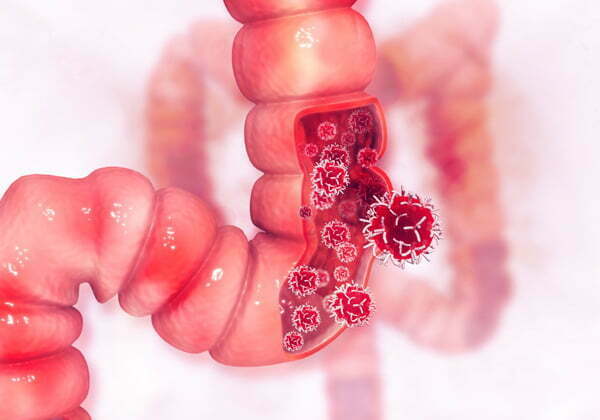
.png)


Why the Microbiome Matters in Modern Oncology
The gut and tumor microbiota form a dynamic ecosystem that shapes systemic immunity and the tumor microenvironment. In colorectal, pancreatic, and other solid tumors, commensal bacteria maintain immune homeostasis, promote antitumor surveillance, and modulate inflammatory pathways that influence tumor growth. Specific microbial species—such as Bifidobacterium, Akkermansia muciniphila, Faecalibacterium, and Bacteroides fragilis—produce metabolites (short‑chain fatty acids, inosine, indole derivatives) that enhance dendritic‑cell maturation, increase CD8⁺ T‑cell infiltration, and tilt macrophages toward an M1 phenotype. Clinical data consistently show that higher gut microbial diversity correlates with longer progression‑free and overall survival across multiple cancer types, and that dysbiosis—often induced by broad‑spectrum antibiotics—diminishes immune‑checkpoint inhibitor (ICI) efficacy.
These observations have catalyzed a new wave of microbiome‑based therapies. Fecal microbiota transplantation (FMT) from ICI‑responsive donors can convert non‑responders into responders, with objective response rates up to 65 % in early melanoma trials. Probiotic and prebiotic formulations, high‑fiber diets, and engineered bacterial consortia are being tested to enrich SCFA‑producing taxa and restore a “hot” immune landscape. Moreover, microbiome profiling is emerging as a predictive biomarker, guiding patient selection for combination regimens that pair checkpoint blockade with microbiome modulation. As mechanistic insights deepen, integrating microbiome‑targeted strategies promises to overcome resistance, reduce immune‑related toxicities, and improve outcomes for patients receiving modern cancer immunotherapy.
Pancreatic Cancer Microbiome as an Oncogenic Driver

Pancreatic ductal adenocarcinoma (PDAC) harbors a markedly higher intratumoral bacterial load than normal pancreas, with Gammaproteobacteria, Fusobacterium nucleatum, and Porphyromonas gingivalis frequently detected in tumor tissue.
The a microbiota drives oncogenesis by reshaping the immune micro‑environment: bacterial components activate Toll‑like receptors (TLR2, TLR4, TLR5) on monocytic cells, expanding myeloid‑derived suppressor cells and polarizing tumor‑associated macrophages toward an immunosuppressive M2 phenotype.
Concurrently, Th1 differentiation and CD8⁺ cytotoxic T‑cell infiltration are suppressed, and PD‑1 expression on T cells is reduced, limiting the efficacy of immune‑checkpoint blockade.
Antibiotic‑mediated depletion of the gut and intratumoral microbiome in murine PDAC models slows tumor progression, reduces fibrosis, and restores CD8⁺ T‑cell activity, demonstrating a causal link between microbes and immune evasion.
For Hirschfeld Oncology, these findings suggest that microbiome‑targeted strategies—such as selective antibiotics, fecal microbiota transplantation from long‑term survivors, or engineered probiotic consortia—could re‑program the tumor microenvironment, overcome checkpoint resistance, and improve patient outcomes.
Integrating microbiome profiling into diagnostic pipelines may also identify high‑risk patients and guide personalized adjunctive therapies.
Multifaceted Effects of the Microbiome in Pancreatic Cancer

The microbiome—comprising bacteria, viruses, and fungi—has been repeatedly linked to Pancreatic ductal adenocarcinoma (PDAC) through both correlative and mechanistic studies. Intrapancreatic and gut microbes shape the tumor microenvironment by influencing immune cell infiltration, often promoting an immunosuppressive milieu that hampers antitumor responses. Microbial metabolites and by‑products can directly affect cancer cell signaling pathways and alter the efficacy of chemotherapy and immunotherapy, either enhancing drug resistance or sensitizing tumors. Distinct microbial “signatures” identified in stool or tumor tissue have emerged as promising biomarkers that improve diagnostic accuracy when combined with serum CA19‑9. Ongoing research aims to harness these insights by modulating the microbiome—through antibiotics, probiotics, diet, or fecal transplantation—to augment treatment response and improve outcomes for pancreatic cancer patients.
Gut Microbiota Shapes Cancer Immunotherapy Responses

The gut microbiota is a central regulator of systemic immunity, influencing the tumor microenvironment (TME) and the efficacy of immune‑checkpoint inhibitors (ICIs). Commensal bacteria stimulate dendritic‑cell maturation, promote antigen presentation, and bias T‑cell differentiation toward Th1/cytotoxic phenotypes. Short‑chain fatty acids (butyrate, propionate), inosine, indole‑derived metabolites, and bile‑acid derivatives act as signaling molecules that enhance CD8⁺ T‑cell infiltration, increase IFN‑γ production, and reduce regulatory‑T‑cell and myeloid‑derived suppressor‑cell activity within tumors. Key taxa repeatedly linked to improved ICI outcomes include Bifidobacterium spp., Akkermansia muciniphila, Faecalibacterium prausnitzii, Ruminococcaceae, and Clostridiales members, many of which are prolific SCFA producers. Conversely, dysbiosis—characterized by reduced microbial diversity, loss of Firmicutes, and overgrowth of Proteobacteria or Bacteroidetes—diminishes these immunostimulatory signals. Broad‑spectrum antibiotics administered near the start of immunotherapy eradicate beneficial microbes, lower SCFA levels, and are consistently associated with lower response rates and shorter progression‑free survival. Emerging interventions such as fecal microbiota transplantation from ICI‑responsive donors, defined probiotic consortia, high‑fiber diets, and selective prebiotics aim to restore a favorable microbiome, re‑program the TME toward a “hot” phenotype, and mitigate immune‑related adverse events. In summary, the gut microbiota shapes cancer immunotherapy responses by modulating systemic immune tone, providing key metabolites that boost checkpoint efficacy, and its disruption through dysbiosis or antibiotics hampers therapeutic success.
Microbiome‑Targeted Cancer Therapies

Microbiome cancer therapy Microbiome‑targeted therapies are emerging as powerful adjuncts to conventional cancer treatment by reshaping gut microbial communities to boost immune response and improve drug metabolism. Strategies such as fecal microbiota transplantation (FMT), personalized probiotic and prebiotic regimens, and dietary modifications can convert a dysbiotic microbiome into one that enhances the efficacy of chemotherapy, radiation, and especially immune‑checkpoint inhibitors. In pancreatic cancer, where treatment options are limited, early studies suggest that a healthier microbiome may reduce treatment‑related toxicity and increase tumor‑infiltrating lymphocytes, potentially translating into longer survival.
Adjunctive role of microbiome modulation with chemo‑radio‑immunotherapy Preclinical data show that gut microbes amplify the immunogenic cell death induced by radiotherapy and sensitize tumors to checkpoint blockade. FMT from responders or high‑fiber diets increase CD8⁺ T‑cell infiltration and shift tumor‑associated macrophages toward an M1 phenotype, thereby turning "cold" tumors into "hot" ones. When combined with chemotherapy, microbial metabolites (e.g., SCFAs, inosine) can improve drug activation and reduce systemic inflammation.
Examples of FMT, probiotics, prebiotics, and diet Landmark trials have demonstrated that FMT from ICI‑responsive donors restores anti‑PD‑1 efficacy in refractory melanoma and pancreatic cancer. Probiotic strains such as Bifidobacterium pseudolongum or Clostridium butyricum enhance checkpoint responses, while prebiotic fibers (inulin, fructo‑oligosaccharides) boost SCFA‑producing taxa. High‑fiber, low‑fat diets further enrich beneficial microbes, supporting both immunity and treatment tolerance.
Application in pancreatic cancer at Hirschfeld Oncology At Hirschfeld Oncology, we incorporate stool metagenomic sequencing into the multidisciplinary care pathway. Patients with low microbial diversity or enrichment of Proteobacteria are offered targeted microbiome interventions—FMT from long‑term survivors, tailored probiotic consortia, and dietary counseling—to augment Dr. Azriel Hirschfeld’s pancreatic‑cancer protocols. Early clinical observations indicate increased CD8⁺ T‑cell infiltration and reduced chemotherapy‑related adverse events, guiding a more personalized and effective treatment strategy.
Gut Microbiome as a Predictor of Checkpoint Inhibitor Success

The gut microbiome is a powerful determinant of patient response to immune‑checkpoint inhibitors (ICIs). Beneficial bacterial taxa—such as Bifidobacterium longum, Akkermansia muciniphila, Faecalibacterium prausnitzii, and Ruminococcaceae members—are consistently enriched in responders across melanoma, non‑small‑cell lung cancer, renal cell carcinoma and pancreatic cancer. These microbes boost antigen presentation, prime Th1‑type CD8⁺ T‑cell responses, and generate metabolites (short‑chain fatty acids, inosine, indole‑3‑carboxylic acid) that amplify antitumor immunity. In contrast, a detrimental microbiome signature characterized by low diversity, over‑representation of Proteobacteria, Bacteroidetes, or pathogenic species (e.g., Fusobacterium nucleatum, Klebsiella pneumoniae) correlates with primary resistance, reduced progression‑free survival, and heightened immune‑related adverse events (irAEs) such as colitis. Clinical data show that broad‑spectrum antibiotics, which disrupt beneficial microbes, markedly diminish ICI efficacy, while fecal microbiota transplantation (FMT) from ICI‑responsive donors can convert refractory patients into responders, demonstrating a causal role. Thus, microbiome profiling is emerging as a predictive biomarker for patient selection and a guide for adjunctive strategies—targeted probiotics, high‑fiber diets, or defined microbial consortia—to personalize checkpoint‑inhibitor therapy and improve outcomes.
The Cancer Microbiome: Beyond the Gut

The cancer microbiome refers to the community of bacteria, fungi, viruses and other microorganisms that colonize tumor tissue and its surrounding microenvironment. These microbes can influence tumor initiation, progression, metastasis and response to therapy by modulating inflammation, immune pathways, metabolism and even directly causing DNA damage. Recent deep‑sequencing studies have reported multi‑kingdom microbial signatures in a variety of cancers, but methodological challenges and contamination concerns have sparked debate over the reliability of many findings. Nonetheless, microbial profiling offers promise for developing diagnostic biomarkers, prognostic tools and adjunctive treatments such as microbiome‑targeted antibiotics, probiotics or fecal transplants. At Hirschfeld Oncology, rigorously integrating microbiome insights with standard pancreatic‑cancer care could help personalize therapy and improve patient outcomes.
Melanoma, Gut Microbiota, and Anti‑PD‑1 Success

Gut microbiome composition is a pivotal determinant of melanoma patients’ response to anti‑PD‑1 immunotherapy. Large‑cohort studies consistently show that responders harbour a markedly higher alpha diversity of fecal bacteria (P < 0.01) and are enriched for taxa such as Ruminococcaceae, Bifidobacterium, Faecalibacterium, and Akkermansia muciniphila. Metagenomic profiling of these responder‑associated microbes reveals an over‑representation of anabolic and short‑chain fatty‑acid‑producing pathways that stimulate systemic immune tone, including inosine synthesis, butyrate production, and activation of pattern‑recognition receptors (e.g., NOD2, TLR5). Functional experiments demonstrate that transplanting stool from responders into germ‑free or antibiotic‑treated mice restores anti‑PD‑1 efficacy, confirming a causal link.
These insights translate into actionable strategies. High‑fiber, prebiotic‑rich diets promote SCFA‑producing bacteria, enhancing dendritic‑cell maturation and CD8⁺ T‑cell infiltration into tumors. Targeted probiotic formulations—such as defined Bifidobacterium or Akkermansia strains—have shown promise in early‑phase trials, while fecal microbiota transplantation (FMT) from ICI‑responsive donors can convert refractory melanoma cases into responders. Together, microbiome‑guided dietary modifications, probiotic supplementation, and FMT represent emerging adjuncts aimed at increasing anti‑PD‑1 response rates and durability in melanoma.
From Biomarker to Therapeutic Target: Gut Microbiome in Immunotherapy

The gut microbiome is now recognized as a dynamic biomarker that predicts response to immune‑checkpoint blockade (ICB) across multiple malignancies. High microbial diversity and enrichment of taxa such as Bifidobacterium, Akkermansia muciniphila, Faecalibacterium, and Ruminococcaceae correlate with longer progression‑free survival and lower rates of immune‑related colitis, while dysbiosis—often driven by broad‑spectrum antibiotics—reduces efficacy and worsens outcomes. These signatures can be captured non‑invasively from stool, offering a complementary readout to tumor‑centric markers like PD‑L1 or mutational burden.
Interventions that reshape the microbiome are moving from concept to clinic. Fecal microbiota transplantation (FMT) from ICI‑responsive donors converts a subset of refractory patients into responders, with response rates up to 65 % in melanoma and 54 % in renal cell carcinoma. Probiotic strains (e.g., Clostridium butyricum, Bifidobacterium pseudolongum) and prebiotic fibers boost short‑chain fatty‑acid production, enhancing CD8⁺ T‑cell infiltration and dendritic‑cell maturation. Dietary modulation (high‑fiber, Mediterranean patterns) and selective antibiotic regimens further fine‑tune microbial communities to favor immunostimulatory metabolites such as inosine and butyrate.
Because the microbiome is mutable, treatment can be adapted over time. Serial profiling can detect shifts toward a ‘hot’ immune phenotype, prompting escalation of microbiome‑targeted therapies or adjustment of ICI timing. This feedback loop transforms the microbiome from a static predictive marker into an actionable therapeutic target, paving the way for personalized, microbiome‑guided immunotherapy regimens.
Pancreatic Microbiome: Diagnostic and Therapeutic Horizons
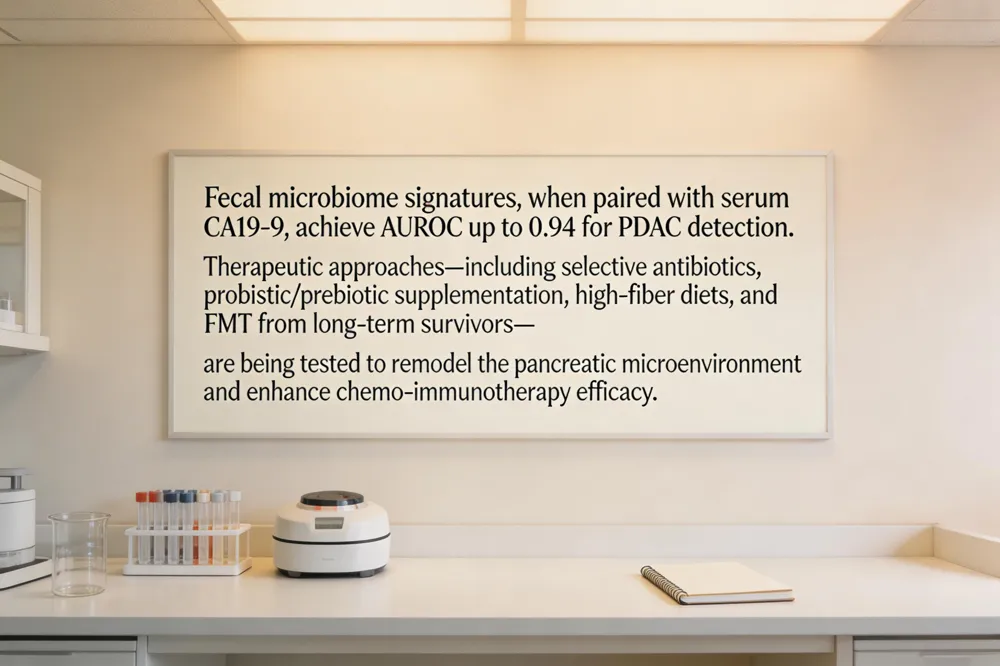
The pancreatic microbiome—encompassing gut microbes that translocate to the pancreas and the resident intratumoral bacterial community—has become a central focus in understanding pancreatic disease. Dysbiosis of the gut microbiota fuels chronic inflammation, pancreatitis, and pancreatic ductal adenocarcinoma (PDAC). Pathogenic species such as Porphyromonas gingivalis and Fusobacterium nucleatum promote an immunosuppressive tumor microenvironment and can blunt responses to chemotherapy and emerging immunotherapies. Recent studies demonstrate that a fecal microbiome signature, when combined with serum CA19‑9, markedly improves diagnostic accuracy for PDAC (AUROC up to 0.94), positioning the microbiome as a non‑invasive biomarker. Therapeutic strategies under investigation aim to restore a healthier microbial ecosystem and enhance treatment efficacy. These include probiotic and prebiotic supplementation, high‑fiber dietary interventions, selective antibiotic regimens, and fecal microbiota transplantation (FMT) from long‑term survivors. Early‑phase trials in PDAC patients report reduced tumor growth and increased cytotoxic CD8⁺ T‑cell infiltration after microbiome‑modulating interventions, supporting the potential of microbiome‑based adjuncts to conventional chemotherapy and immunotherapy.
Gut Bacteria, Insulin Production, and Diabetes Risk

The gut microbiome shapes systemic immunity and metabolic signaling, and emerging evidence links its composition to pancreatic β‑cell health. In pancreatic ductal adenocarcinoma (PDAC) patients, reduced microbial diversity and enrichment of Proteobacteria correlate with an immunosuppressive microenvironment, while higher Firmicutes and SCFA‑producing taxa (e.g., Faecalibacterium, Ruminococcaceae) are associated with improved immune surveillance1 These same microbial groups influence metabolic pathways that affect insulin sensitivity. Short‑chain fatty acids such as butyrate, produced by beneficial Firmicutes, enhance gut barrier integrity and reduce systemic inflammation, thereby supporting β‑cell function and glucose homeostasis. Conversely, dysbiosis characterized by increased Bacteroidetes and Proteobacteria promotes endotoxin‑driven inflammation, insulin resistance, and heightened β‑cell workload, which can precipitate β‑cell dysfunction and type 2 diabetes. Animal studies demonstrate that antibiotic‑mediated microbiome depletion reduces inflammatory myeloid cells and increases CD8⁺ T‑cell infiltration in the pancreas, suggesting that targeted microbiome modulation can rebalance immune and metabolic cues. Clinical strategies under investigation include fecal microbiota transplantation from long‑term PDAC survivors, high‑fiber diets to boost SCFA production, and probiotic formulations containing Bifidobacterium or Akkermansia muciniphila. By restoring a diverse, SCFA‑rich microbiota, these interventions aim to lower systemic inflammation, improve insulin sensitivity, and preserve pancreatic β‑cell function, offering a novel avenue for diabetes risk reduction.
From Tumorigenesis to Therapy: The Gut Microbiome’s Cancer Journey

The gut microbiome and cancer: from tumorigenesis to therapy
Dysbiosis drives cancer initiation by breaking immune homeostasis and delivering genotoxic insults. Reduced microbial diversity amplifies inflammatory pathways (e.g., IL‑6, TNF‑α) and allows enrichment of opportunistic taxa such as Fusobacterium nucleatum and Proteobacteria that produce harmful metabolites (lipopolysaccharide, secondary bile acids) and DNA‑damage agents. Intratumoral bacteria—particularly Gammaproteobacteria in pancreatic ductal adenocarcinoma—express cytidine deaminase isoforms that inactivate gemcitabine, while fungal species like Malassezia activate complement and IL‑33, further fostering a pro‑tumor milieu.
The same microbial ecosystem shapes treatment efficacy and toxicity. High gut‑microbiome diversity and the presence of SCFA‑producing taxa (Bifidobacterium, Faecalibacterium, Akkermansia) correlate with improved responses to immune‑checkpoint inhibitors (ICIs) across melanoma, NSCLC, RCC, and colorectal cancer. Broad‑spectrum antibiotics deplete these beneficial microbes, reducing CD8⁺ T‑cell infiltration and shortening progression‑free survival. Fecal microbiota transplantation (FMT) from ICI‑responsive donors or defined probiotic consortia can convert non‑responders into responders, while dietary fiber and prebiotic interventions boost short‑chain fatty‑acid levels that enhance T‑cell function.
Future oncology will integrate microbiome profiling as a predictive biomarker and employ personalized microbiome‑based therapies—targeted antibiotics, engineered bacterial strains, post‑biotic metabolites, and optimized diet—to remodel the tumor microenvironment, overcome resistance, and mitigate immune‑related adverse events. Large, multi‑omics trials are needed to standardize these approaches and translate them into routine clinical practice.
Gut Microbiome and Immunotherapy: Clinical Evidence and Practice

The gut microbiota is essential for maintaining immune homeostasis and influences the tumor microenvironment.. Multiple studies across melanoma, colorectal, lung and pancreatic cancers show that Higher microbial diversity in the gut correlates with better clinical outcomes and response to immunotherapy in colorectal cancer patients. and enrichment of taxa such as Bifidobacterium longum, Akkermansia muciniphila, Faecalibacterium, and Ruminococcaceae correlate with longer progression‑free survival and higher objective response rates. Conversely, dysbiosis—often induced by Broad‑spectrum antibiotics before or during anti‑PD‑1/PD‑L1 therapy reduce survival, highlighting the importance of an intact gut microbiota for checkpoint inhibitor efficacy.—reduces diversity, elevates pro‑inflammatory Gram‑negative bacteria, and is linked to poorer outcomes.
Clinical trials have moved microbiome modulation from observation to intervention. Three landmark trials have confirmed that fecal microbiota transplantation (FMT) is a promising approach to enhancing immunotherapy efficacy in patients with advanced solid tumors. from ICI‑responsive donors converts a subset of refractory patients into responders, with response rates up to 65% in melanoma and 40% in renal cell carcinoma. Targeted probiotic consortia (e.g., Clostridium butyricum probiotic produces anti‑inflammatory SCFA and shows clinical activity with immunotherapy., Bifidobacterium pseudolongum) and high‑fiber dietary regimens increase short‑chain fatty acid production, enhancing CD8⁺ T‑cell infiltration and cytokine profiles.
Implementing microbiome profiling in oncology clinics involves baseline stool shotgun metagenomics or 16S sequencing to generate a microbial diversity index and identify predictive taxonomic signatures. Integrated multi‑omics and Machine learning models using microbiome data predict ICI response comparable to LORIS scores. can stratify patients for microbiome‑adjunctive therapies, guiding selection of FMT donors, probiotic strains, or dietary interventions. Routine profiling thus offers a low‑risk, actionable biomarker to personalize immunotherapy and improve clinical outcomes.
Understanding Microbiome Modulation

Microbiome modulation refers to the intentional alteration of the gut microbial community in order to improve health outcomes and enhance the effectiveness of cancer therapies, especially immune‑checkpoint inhibitors. A balanced, diverse microbiome supports digestion, nutrient absorption, immune regulation, and resistance to pathogenic invasion, thereby maintaining systemic homeostasis.
Key health benefits of a robust microbial ecosystem include enhanced immune surveillance, reduced chronic inflammation, and better metabolic health—all of which can translate into improved responses to immunotherapy and lower rates of adverse events.
Several tools are employed to shape the microbiome:
- Dietary interventions such as high‑fiber or prebiotic‑rich foods boost short‑chain fatty‑acid‑producing bacteria (e.g., Faecalibacterium, Bifidobacterium).
- Targeted antibiotics can deplete harmful taxa, but overuse risks loss of beneficial diversity.
- Probiotics and next‑generation live biotherapeutics (e.g., Bifidobacterium pseudolongum, Clostridium butyricum) introduce strains that produce immunostimulatory metabolites like inosine or butyrate.
- Fecal microbiota transplantation (FMT) transfers a complete, responder‑type community from healthy or immunotherapy‑responsive donors, showing conversion of non‑responders into responders in multiple clinical studies.
What is microbiome modulation?
Microbiome Modulation plays a vital role in maintaining overall health and preventing disease. A balanced and diverse microbiome supports essential bodily functions, including digestion, nutrient absorption, immune regulation, and protection against harmful pathogens.
Radiotherapy Meets the Microbiome: Synergistic Opportunities

Radiotherapy can convert immunologically "cold" tumors into "hot" lesions by inducing immunogenic cell death (ICD). Cells damaged by ionizing radiation release damage‑associated molecular patterns (DAMPs) such as calreticulin, HMGB1, and ATP, DAMPs act as eat‑me signals and activate dendritic cells through CD91, TLR‑4, P2RX7. This cascade promotes antigen presentation, expands tumor‑specific CD8⁺ T cells, and enhances natural‑killer cell cytotoxicity. The gut microbiota further amplifies these immune cues: specific taxa (e.g., Bifidobacterium, Akkermansia, Faecalibacterium) and their metabolites (short‑chain fatty acids, inosine) prime systemic T‑cell responses and increase CD8⁺ infiltration. Dose fractionation modulates this interplay—low‑dose fractions (≤2 Gy) tend to polarize tumor‑associated macrophages toward an M1, pro‑inflammatory phenotype, supporting microbial‑driven Th1 immunity, whereas high‑dose fractions (>8 Gy) can foster M2‑like suppressive macrophages that may blunt microbiome‑mediated benefits. Consequently, combining radiotherapy with immune‑checkpoint blockade (ICB) has shown synergistic tumor control in preclinical models (e.g., 8 Gy × 3 + anti‑PD‑L1) and clinical trials such as PACIFIC, where post‑radiotherapy durvalumab markedly prolonged progression‑free survival. Integrating microbiome‑modulating strategies—fecal microbiota transplantation, targeted probiotics, or high‑fiber diets—into radio‑immunotherapy schedules could further tip the balance toward durable antitumor immunity, offering a promising avenue for future clinical protocols.
Standardizing Microbiome Biomarkers for Clinical Use

Robust clinical deployment of microbiome‑based companion diagnostics requires both high‑resolution profiling and reproducible predictive algorithms. Metagenomic shotgun sequencing and targeted qPCR panels are being used side‑by‑side to capture species‑level and functional information; for example, a 21‑strain qPCR panel derived from >800 NSCLC, genitourinary and colorectal samples can stratify patients for checkpoint‑inhibitor benefit, while shotgun data enable detection of microbial metabolites (SCFAs, inosine) that modulate immunity. Machine‑learning models trained on these taxonomic and functional features have achieved AUROC values up to 0.88, rivaling established multi‑biomarker scores such as LORIS, and can integrate additional clinical covariates (PD‑L1 expression, cytokine levels) to refine response predictions. Regulatory pathways are emerging: several live‑biotherapeutic products have received FDA investigational new drug (IND) designation, and the agency now recommends standardized donor screening, microbial quality‑control, and long‑term safety monitoring for fecal microbiota transplantation and defined bacterial consortia. Harmonizing sample‑processing pipelines, establishing reference standards for diversity metrics, and validating predictive models in prospective, biomarker‑driven trials will be essential to translate microbiome biomarkers from research tools to routine oncology practice.
Future Directions: Engineered Probiotics and Post‑Biotics

Synthetic bacterial consortia engineered to deliver immune‑stimulating ligands are emerging as a next‑generation strategy to boost checkpoint‑inhibitor efficacy. By programming defined strains of Bifidobacterium, Akkermansia, or Clostridium to express cytokine‑mimetic peptides, STING agonists, or ligands for pattern‑recognition receptors (e.g., NOD2, TLR5), researchers can locally amplify dendritic‑cell activation and CD8⁺ T‑cell infiltration without systemic toxicity. Parallel work on post‑biotics focuses on purified microbial metabolites—particularly short‑chain fatty acids such as butyrate and the nucleoside inosine—that have been shown in mouse models to enhance IFN‑γ production, promote Th1 differentiation, and improve anti‑PD‑1/PD‑L1 responses. Early‑phase trials of defined consortia (e.g., engineered Faecalibacterium prausnitzii or Clostridium butyricum) and of oral butyrate/inosine formulations are underway, but translation faces hurdles: rigorous safety screening to prevent pathogen transfer, control of colonization dynamics, and regulatory pathways for live‑biotherapeutic products. Manufacturing reproducibility, patient‑specific microbiome profiling, and the need for standardized dosing regimens remain critical challenges before engineered probiotics and post‑biotics can become routine adjuncts to cancer immunotherapy.
Towards a Microbiome‑Integrated Oncology Paradigm
Extensive pre‑clinical and clinical data now demonstrate that the gut and tumor microbiomes are decisive determinants of response to immune checkpoint inhibitors and other immunotherapies. Higher microbial diversity and the presence of specific taxa—such as Akkermansia muciniphila, Bifidobacterium spp., Faecalibacterium prausnitzii, and Ruminococcaceae—consistently correlate with improved objective response rates, longer progression‑free survival, and reduced immune‑related toxicities across melanoma, lung, renal, colorectal, and pancreatic cancers. Mechanistic studies show that these microbes amplify anti‑tumor immunity by (i) priming dendritic cells, (ii) enhancing CD8⁺ T‑cell infiltration and function, (iii) producing metabolites (short‑chain fatty acids, inosine, indoles) that modulate T‑cell metabolism, and (iv) reshaping the tumor microenvironment from “cold” to “hot.” Interventions that restore or enrich beneficial microbiota—fecal microbiota transplantation from responders, targeted probiotic or post‑biotic formulations, high‑fiber diets, and prudent antibiotic stewardship—have already yielded conversion of non‑responders to responders in early‑phase trials.
Hirschfeld Oncology has embraced this evidence base by integrating microbiome profiling into its precision‑oncology workflow. All patients undergoing immunotherapy are offered baseline stool sequencing to identify predictive microbial signatures, and those with dysbiosis are enrolled in clinical protocols that employ defined bacterial consortia, personalized fecal transplants, and dietary optimization. The practice’s multidisciplinary team—including oncologists, microbiologists, nutritionists, and data scientists—monitors microbiome dynamics throughout treatment, adjusting therapeutic strategies in real time to maximize efficacy and minimize adverse events.
We call on patients, clinicians, and research partners to join this paradigm shift. Patients should discuss microbiome testing and potential adjunctive interventions with their oncology team. Clinicians are encouraged to incorporate microbiome assessment into treatment planning, avoid unnecessary broad‑spectrum antibiotics, and consider enrolling eligible patients in microbiome‑modulating trials. Together, we can accelerate the transition from a one‑size‑fits‑all approach to a microbiome‑guided oncology model that delivers higher cure rates and better quality of life for every cancer patient.
.png)
.png)