.png)


Introduction to Gastrointestinal Cancer and Immunotherapy Advances
Overview of gastrointestinal cancers and their global impact
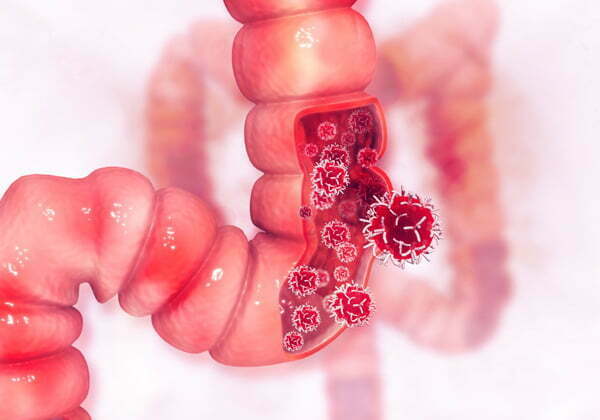
Gastrointestinal (GI) cancers affect organs such as the esophagus, stomach, liver, pancreas, colon, and rectum. They represent about 26% of all cancer cases and account for 35% of cancer-related deaths worldwide, making them a significant public health challenge.
Importance of immunotherapy in transforming GI cancer treatment
Traditional treatment strategies—surgery, chemotherapy, and radiation—are complemented by immunotherapy, which enhances the body's immune response against cancer cells. Immune checkpoint inhibitors and adoptive cell therapies have notably improved outcomes, especially in tumors with specific genetic features like microsatellite instability-high (MSI-H).
Role of innovative vaccines in expanding immunotherapy options
Innovative vaccines, including personalized neoantigen and mRNA-based vaccines, are emerging as promising additions to the immunotherapy landscape. These vaccines stimulate targeted immune activation, potentially overcoming resistance and improving patient-specific treatment outcomes.
Relevance to U.S. oncology practice and Hirschfeld Oncology’s focus
In the United States, immunotherapy has become integral, with FDA-approved agents widely adopted. Hirschfeld Oncology’s specialization in pancreatic and other GI cancers aligns with these advancements, emphasizing personalized immunotherapy vaccines to address the urgent need for effective therapies in this domain.
Multidisciplinary Approaches and Immunotherapy Breakthroughs in Gastric Cancer

What is the most effective treatment for gastric cancer?
The most effective treatment for gastric (stomach) cancer involves a multidisciplinary GI cancer treatment approach that integrates surgery, chemotherapy, and radiation therapy. Surgery remains the cornerstone of curative treatment, with procedures such as partial, subtotal, or total gastrectomy aimed at removing the tumor and affected lymph nodes while preserving as much stomach function as possible. For early-stage cancers, less invasive methods like endoscopic mucosal resection are sometimes appropriate.
Chemotherapy and radiation are often administered before surgery (neoadjuvant therapy) to shrink tumors and improve surgical outcomes. This multimodal strategy is tailored to cancer stage and patient health. Additionally, targeted therapies and immunotherapy for stomach cancer are incorporated based on tumor biomarkers, enhancing personalized treatment plans developed by experienced oncology teams.
What are the recent immunotherapy breakthroughs for gastric cancer?
Recent immunotherapy advances have reshaped gastric cancer treatment paradigms. The Phase III MATTERHORN trial demonstrated that adding the checkpoint inhibitor durvalumab (Imfinzi) to the standard perioperative FLOT chemotherapy regimen (5-fluorouracil, leucovorin, oxaliplatin, and docetaxel) provided significant clinical benefits for patients with locally advanced or early-stage gastric and gastroesophageal junction cancers.
This combination resulted in a 29% reduction in the risk of disease progression, recurrence, or death, along with a 22% reduction in overall mortality compared to chemotherapy alone. Notably, nearly 70% of patients treated with durvalumab plus FLOT were alive after three years, and these survival benefits were seen regardless of PD-L1 tumor expression status. Importantly, adding immunotherapy did not increase serious side effects or compromise surgical safety.
Another milestone involves pembrolizumab combined with HER2-targeted therapy (trastuzumab) for HER2-positive advanced gastric cancer. Clinical studies have reported a high overall response rate of 74.4%, highlighting promising prospects for this subgroup. These immunotherapy breakthroughs signal a pivotal shift towards integrating immune checkpoint inhibitors into curative-intent treatments for gastric cancer.
What immunotherapy options are currently used for stomach cancer?
Current FDA-approved immunotherapy drugs for GI cancers options for stomach cancer primarily consist of immune checkpoint inhibitors that enhance the immune system’s ability to identify and eliminate cancer cells. Pembrolizumab (Keytruda) is widely used either as first-line treatment in combination with chemotherapy for HER2-negative tumors or combined with chemotherapy and trastuzumab for HER2 and PD-L1 positive tumors.
Nivolumab (Opdivo) serves as another PD-1 inhibitor approved with chemotherapy for advanced stomach cancer, while tislelizumab (Tevimbra) is recommended combined with chemotherapy for patients with HER2-negative and PD-L1 positive tumors. Pembrolizumab is also indicated post-treatment in patients exhibiting high microsatellite instability (MSI-H), mismatch repair deficiency (dMMR), or high tumor mutational burden (TMB-H), expanding its utility beyond initial therapy.
Immune-related side effects like diarrhea, colitis, and endocrine disorders can occur, necessitating early recognition and treatment strategies for immunotherapy side effects to maintain patient safety and treatment continuity.
Immunotherapy in Advanced Colorectal Cancer: Emerging Vaccine Strategies

How is immunotherapy used to treat advanced bowel (colorectal) cancer?
Immunotherapy for advanced colorectal cancer primarily involves stimulating the immune system to recognize and destroy cancer cells. The most established approach uses immune checkpoint inhibitors, such as pembrolizumab (Keytruda®), which target tumors with microsatellite instability-high (MSI-H) or mismatch repair deficiency (dMMR). These genetic biomarkers indicate a high likelihood of response because the tumors are more immunogenic. Pembrolizumab is FDA-approved for treating MSI-H/dMMR colorectal tumors, significantly improving progression-free survival compared to chemotherapy.
What challenges exist for immunotherapy in microsatellite stable colorectal cancer?
The majority of colorectal cancers are microsatellite stable (MSS) and generally do not respond well to current checkpoint inhibitor therapies due to a less immunogenic tumor environment. These 'immune-cold' tumors present therapeutic challenges, including immune evasion via immunosuppressive microenvironments, limiting immunotherapy efficacy. For more details, see gastrointestinal tract cancers.
What innovative oral vaccine strategies are being developed?
A novel oral vaccine employing an attenuated strain of Listeria monocytogenes oral vaccine has been devised to elicit a potent CD8+ T-cell response focused in the gut, the origin site of colorectal cancer. This vaccine is engineered to lack virulence genes, ensuring safety while effectively activating the intestinal immune system.
In preclinical mouse models, this oral vaccine remained localized to intestinal tissues, minimizing systemic side effects and healthy tissue damage. When combined with checkpoint inhibitors, it demonstrated synergistic effects by increasing tumor-specific T-cell infiltration and controlling tumor growth more effectively than either treatment alone.
What personalized vaccine approaches are advancing for colorectal cancer?
Emerging personalized vaccine candidates like PD1-Vaxx immunotherapy vaccine are being evaluated internationally, targeting defective mismatch repair colorectal cancer subtypes with the goal of enhancing immune system targeting against tumor-specific antigens. Similarly, neoantigen-based vaccines harness the unique mutational landscape of each patient’s tumor to stimulate a precise immune attack. These vaccines are designed to complement checkpoint blockade therapies to overcome resistance and improve outcomes.
How does immunotherapy help overcome resistance to traditional treatments?
Immunotherapy offers durable responses and can help patients unresponsive to chemotherapy by reactivating immune surveillance and countering tumor immune escape mechanisms. Combination regimens incorporating immune checkpoint inhibitors, vaccines, and other modalities hold potential to overcome treatment resistance in heterogeneous colorectal tumors.
What is the role of clinical trials and U.S. research support?
Ongoing clinical trials, some funded by U.S. institutions like the Department of Defense and NIH, are critical for validating these new immunotherapies and vaccines. Trials assess safety, immunogenicity, and efficacy of oral Listeria vaccines, personalized neoantigen vaccines, and combination therapies. This research fosters innovation aimed at translating promising preclinical findings into effective treatment options for colorectal cancer patients in the United States and globally. See also ClinicalTrials.gov Gastrointestinal Cancer Trials.
Innovations in mRNA and Nanotechnology-Based Vaccines for GI Cancers
How do mRNA cancer vaccines work and what advantages do they offer for gastrointestinal tumors?
mRNA vaccine in gastrointestinal tumors use messenger RNA to instruct the patient's cells to produce tumor-specific antigens, eliciting both innate and adaptive immune responses. This approach is highly adaptable and allows rapid customization to individual tumor profiles, making it particularly suitable for the heterogeneous biology of gastrointestinal (GI) cancers. Advantages include the capacity to activate robust CD4+ and CD8+ T cell responses, ease of manufacturing, and safety due to the non-infectious nature of mRNA.
What are examples of personalized neoantigen mRNA vaccines in clinical trials for pancreatic and gastric cancers?
Several clinical trials are exploring personalized neoantigen mRNA vaccines. For pancreatic cancer, the mRNA-4157 vaccine, encapsulated in lipid nanoparticles, is undergoing early phase testing combined with pembrolizumab to enhance efficacy. In gastric cancer, personalized neoantigen vaccines like GNOS-PV02 and Autogene cevumeran have demonstrated promising safety and immunogenicity profiles in phase I studies, marking significant steps toward tailored immunotherapies. See details in Immunotherapy in gastrointestinal cancers and Immunotherapy in gastrointestinal cancers.
How does nanotechnology enhance vaccine delivery and immune activation?
Nanovaccines for gastrointestinal cancers utilize carriers such as lipid nanoparticles (LNPs) and polymeric nanoparticles (e.g., PLGA) to protect mRNA from degradation and improve targeted delivery to antigen-presenting cells like dendritic cells. This enhances antigen presentation and stimulates effective T cell activation. Biomimetic nanocarriers and inorganic nanoparticles further aid in overcoming physiological barriers and tailoring release kinetics, thereby potentiating immune response.
What strategies do nanovaccines employ to overcome immunosuppressive tumor microenvironments?
Nanovaccines can modulate the tumor microenvironment (TME) by promoting dendritic cell maturation, increasing infiltration of cytotoxic CD8+ T lymphocytes, and reducing immunosuppressive cells. Activation of innate immune pathways such as the cGAS-STING signaling cascade helps stimulate type I interferon production, enhancing antitumor immunity in GI cancers like gastric and hepatocellular carcinoma. These mechanisms are detailed in Nanovaccines for gastrointestinal cancers.
What potential benefits arise from combining nanovaccines with immune checkpoint inhibitors?
Combining nanovaccines with checkpoint inhibitors (e.g., pembrolizumab) capitalizes on synergistic effects: vaccines prime and expand tumor-specific T cells, while checkpoint inhibitors relieve immunological brakes, allowing sustained and effective antitumor responses. This combination has demonstrated improved tumor control and durable responses, particularly in tumors previously resistant to immunotherapy alone, as discussed in Immunotherapy in gastrointestinal cancers.
What challenges remain in the design and clinical translation of mRNA nanovaccines for GI cancers?
Challenges include overcoming biological barriers such as the dense extracellular matrix and vascular endothelium, tumor heterogeneity that complicates antigen selection, and immune evasion mechanisms. Optimizing nanoparticle size, shape, and surface properties is critical for targeted delivery and minimizing off-target toxicity. Manufacturing scale-up, regulatory compliance, and the need for reliable preclinical models are additional hurdles. These issues are extensively reviewed in Nanovaccines for gastrointestinal cancers.
Are there vaccines available or under development for stomach cancer?
Currently, multiple vaccine types—including peptide-based, personalized neoantigen DNA/mRNA vaccines, and cancer-testis antigen-targeted vaccines like those against NY-ESO-1 and MAGE-3—are in clinical trials for gastric cancer. Personalized mRNA vaccine strategies have shown therapeutic potential, especially against recurrent gastric cancer with peritoneal metastasis, heralding new directions for treatment, as highlighted in Immunotherapy for stomach cancer and Stomach Cancer Clinical Trials.
What U.S.-relevant clinical trial developments and future directions exist?
U.S.-based institutions are actively involved in trials combining mRNA vaccines with checkpoint inhibitors. Ongoing studies at centers like Moffitt and Mayo Clinic focus on pancreatic and gastric cancers. Nanovaccine platforms integrating tumor neoantigen prediction algorithms are advancing precision medicine. Collaborative efforts across academia, industry, and regulatory bodies aim to accelerate clinical translation, aiming at personalized, effective immunotherapy regimens for GI cancers in the United States. See Advancements in pancreatic cancer vaccines and Personalized Immunotherapy for Upper Gastrointestinal Cancer.
| Topic | Details | Relevance |
|---|---|---|
| mRNA vaccine mechanisms | Induce innate and adaptive immunity via tumor antigens | Personalized, adaptable for GI tumors |
| Personalized neoantigen vaccines | mRNA-4157 (pancreatic cancer), GNOS-PV02 (gastric cancer) | Early clinical trial success |
| Nanotechnology carriers | Lipid nanoparticles, polymeric nanoparticles (PLGA), biomimetic | Enhance vaccine stability and immune activation |
| Overcoming immunosuppressive TME | Activation of cGAS-STING, dendritic cell maturation, T cell infiltration | Critical for effective GI cancer immunotherapy |
| Combination therapies | Nanovaccines plus PD-1 inhibitors (pembrolizumab) | Synergistic tumor control |
| Clinical challenges | Biological barriers, tumor heterogeneity, manufacturing, regulatory hurdles | Requires optimized design and collaboration |
| Vaccines for stomach cancer | Personalized vaccines targeting tumor-associated antigens in clinical trials | Potential new standard for gastric cancer treatment |
| U.S. clinical trials and future | Ongoing mRNA vaccine trials in U.S. centers; emphasis on precision medicine and immunotherapy | Direct relevance to U.S. oncology practice and patients |
Personalized Immunotherapy and Clinical Trials in Gastrointestinal Oncology

What is the role of precision medicine and neoantigen vaccines in tailoring treatment?
Personalized immunotherapy in gastrointestinal (GI) cancers harnesses precision medicine by targeting patient-specific tumor neoantigens to optimize immune responses. Neoantigen vaccines are designed to stimulate the immune system against unique tumor antigens identified through genetic profiling, enabling a precise attack on cancer cells while minimizing harm to healthy tissue.
What clinical trials are underway for neoantigen personalized cancer vaccines combined with PD-1 inhibitors?
Exploratory phase 1 clinical trials, such as NCT07067385 conducted at Ruijin Hospital, evaluate neoantigen personalized cancer vaccines (e.g., deepGeneAI-001) combined with PD-1 inhibitors like Sintilimab for advanced or resectable GI tumors. These studies focus on safety, immunogenicity, and preliminary efficacy, measuring outcomes such as objective response and progression-free survival.
Are there examples of clinical trials combining immunotherapy with chemotherapy and targeted agents?
Yes, landmark trials are investigating combinations of immune checkpoint inhibitors with chemotherapy or targeted therapies. For example, the CheckMate 649 and IMbrave150 trials demonstrated improved outcomes in gastric and hepatocellular carcinomas respectively, while the TOPAZ-1 trial showed benefits of durvalumab plus chemotherapy in biliary tract cancers. The recently completed Matterhorn trial added durvalumab to perioperative FLOT chemotherapy in stomach and esophageal cancers, significantly improving event-free survival.
How important are biomarkers like MSI-H, dMMR, and PD-L1 expression for patient selection?
Biomarkers such as microsatellite instability-high (MSI-H), mismatch repair deficiency (dMMR), and PD-L1 tumor expression critically guide immunotherapy use. Patients with MSI-H/dMMR tumors typically show favorable responses to PD-1/PD-L1 inhibitors, informing treatment decisions to enhance efficacy and avoid unnecessary side effects. These insights are discussed extensively in recent reviews on immunotherapy in gastrointestinal cancers.
What clinical trials are tracked in the U.S. and internationally?
ClinicalTrials.gov provides comprehensive data on ongoing immunotherapy trials in GI cancers across the U.S. and globally. Institutions such as the Mayo Clinic clinical trials on stomach cancer and Memorial Sloan Kettering Cancer Center are pivotal in conducting innovative studies combining immunotherapy agents, personalized vaccines, and novel approaches, with many trials in phase I-III stages.
How is Hirschfeld Oncology integrating research advances into clinical care?
Hirschfeld Oncology integrates cutting-edge research findings, including personalized neoantigen vaccine development and combination immunotherapies, into their specialized gastrointestinal oncology practice. This ensures patients benefit from emerging clinical evidence and have access to clinical trials aiming to improve survival and quality of life in GI cancer treatment.
Checkpoint Inhibitors and Combination Therapies: Expanding the Immunotherapy Arsenal

How Do Immune Checkpoint Inhibitors Work in GI Cancers?
Immune checkpoint inhibitors are drugs that target proteins like PD-1, PD-L1, and CTLA-4, which normally act as "brakes" on the immune system. Tumors exploit these checkpoints to avoid immune attack. By blocking these proteins, inhibitors restore T-cell activity, enhancing the immune system's ability to recognize and destroy cancer cells.
Immunotherapy in gastrointestinal cancers
Which Checkpoint Inhibitors Are FDA-Approved for GI Cancers?
Several checkpoint inhibitors are approved in the United States for various gastrointestinal (GI) cancers:
- Pembrolizumab (Keytruda): Approved for MSI-H/dMMR gastrointestinal solid tumors including colorectal, gastric, and gastroesophageal junction cancers. Also combined with chemotherapy and trastuzumab for HER2-positive advanced gastric cancer.
- Nivolumab (Opdivo): Indicated for MSI-H/dMMR colorectal cancer, advanced gastric and esophageal cancers post-chemoradiotherapy.
- Ipilimumab (Yervoy): Used in combination with nivolumab for MSI-H/dMMR colorectal cancers.
- Dostarlimab (Jemperli): Approved for certain gastric cancers with mismatch repair deficiency.
Immunotherapy for gastrointestinal cancers
What Are Key Clinical Trial Results Supporting Their Use?
Clinical trials have demonstrated significant efficacy of checkpoint inhibitors in GI cancers:
- The KEYNOTE-811 trial showed pembrolizumab plus chemotherapy achieved a 74.4% objective response rate in advanced gastric cancer, compared to 51.9% with chemotherapy alone. Disease control rates were similarly improved.
- CheckMate 577 demonstrated adjuvant nivolumab doubled disease-free survival in resected esophageal cancer patients.
- Trials like KEYNOTE-177 in MSI-H/dMMR colorectal cancer revealed pembrolizumab markedly improved progression-free survival.
checkpoint inhibitors and advanced GI cancer treatment
How Are Combination Therapies Enhancing Immunotherapy?
Checkpoint inhibitors are often combined with chemotherapy, targeted agents, or novel drugs to enhance clinical outcomes. For instance:
- Atezolizumab combined with bevacizumab is first-line for hepatocellular carcinoma, improving survival.
- Dual immune checkpoint blockade, e.g., nivolumab plus ipilimumab, offers enhanced response rates in colorectal cancer.
- Emerging agents targeting LAG-3 and other checkpoints (relatlimab) are being developed to further overcome resistance.
Immune checkpoint inhibitors in GI cancers
Which GI Cancers Are Treated with Checkpoint Inhibitors?
Use spans several GI malignancies:
- Gastric and Esophageal Cancer: Significant improvement in survival and reduced recurrence, especially in tumors with high PD-L1 expression.
- Colorectal Cancer: Particularly in MSI-H/dMMR subtypes.
- Hepatocellular Carcinoma: Combination immunotherapy as first-line treatment.
- Pancreatic Cancer: Limited benefits so far; ongoing trials evaluate combinations to overcome immunosuppressive microenvironment.
Immunotherapy in gastrointestinal cancers
How Are Immune-Related Adverse Events (irAEs) Managed?
Common irAEs include gastrointestinal toxicity (diarrhea, colitis), endocrine dysfunctions, skin reactions, hepatic inflammation, and pulmonary effects. Management strategies include early detection, corticosteroids or immunosuppressive therapy, patient education, and multidisciplinary care following ASCO and NCCN guidelines to minimize severe complications.
Benefits of immunotherapy in GI cancers and immune-related adverse events
What Recent Advances Are There in Dual Checkpoint Blockade and Novel Targets?
Dual blockade of PD-1/PD-L1 and CTLA-4 (e.g., nivolumab and ipilimumab) improves response in MSI-H GI tumors. Newer targets such as LAG-3 inhibitors (relatlimab) show promise in clinical trials by addressing resistance mechanisms. These approaches aim to increase response durability and expand benefit to a wider patient population.
Nanovaccines and emerging immunotherapy strategies in gastrointestinal cancers
This expanding immunotherapy arsenal with checkpoint inhibitors and combination regimens offers hope for improved survival and quality of life across gastrointestinal cancers, backed by significant clinical trial data and continual innovations.
Immunotherapy in gastrointestinal cancers – Current insights
Addressing Challenges: Overcoming Resistance and Improving Outcomes in GI Cancers
What new strategies are emerging to overcome chemotherapy resistance in bowel cancer?
Tumor heterogeneity and a complex immunosuppressive tumor microenvironment (TME) remain significant hurdles in treating gastrointestinal (GI) cancers. These factors contribute to both chemotherapy and immunotherapy resistance, limiting clinical efficacy.
Recent advances illuminate multiple mechanisms behind resistance. For instance, epigenetic modifications play a key role in bowel cancer cells' survival despite chemotherapy. Novel proteolysis-targeting chimera (PROTAC) molecules have been designed to reverse this resistance by degrading specific proteins, effectively re-sensitizing cancer cells to standard therapies.
In parallel, transforming growth factor-beta (TGF-β) signaling is identified as a critical mediator that enables tumors to evade immune-mediated destruction by fostering an immunosuppressive microenvironment. Targeting TGF-β pathways can restore immune cell infiltration and enhance antitumor immunity.
Researchers are also exploring the microbiome’s influence on treatment response. Modulating gut microbiota may enhance immunotherapy efficacy, as certain bacterial populations correlate with better immune responses.
Alongside these targeted therapies, new immunotherapy modalities focus on emerging immune checkpoints beyond PD-1 and CTLA-4, such as LAG-3, TIGIT, and TIM-3. Bispecific antibodies and combination regimens incorporating checkpoint inhibitors with chemotherapy or adoptive cell therapies are showing promise in early clinical trials for GI cancers.
Artificial intelligence (AI) and multi-omics approaches are revolutionizing biomarker optimization, enabling personalized immunotherapy by identifying tumor-specific features and predicting treatment response more accurately.
Managing immune-related adverse events remains critical; thus, multidisciplinary care teams following guidelines from professional societies like ASCO and NCCN ensure early detection and effective management, preserving patient quality of life.
These integrated strategies collectively aim to overcome therapy resistance and improve long-term outcomes for patients with GI cancers.
Future Perspectives: Innovations Shaping Gastrointestinal Cancer Immunotherapy
Major treatment breakthroughs anticipated or achieved in 2025
In 2025, the landscape of immunotherapy in gastrointestinal cancers experienced transformative advances driven by integration of artificial intelligence (AI) and novel biologic therapies. AI-powered tools, such as DeepHRD and computational algorithms for neoantigen prediction, significantly improved the identification of ideal treatment candidates and refined biomarker screening. These developments enhance precision medicine by enabling more accurate detection of microsatellite instability (MSI), mismatch repair deficiency (dMMR), and personalized neoantigens, critical for immunotherapy response.
Emerging immunotherapeutic modalities
New classes of therapies like bispecific T-cell engagers and antibody-drug conjugates (ADCs) are expanding options for gastrointestinal cancers. Bispecific antibodies simultaneously engage T cells and cancer-specific antigens, enhancing immune targeting efficiency, while ADCs deliver cytotoxic agents directly to tumor cells, reducing systemic toxicity.
Simultaneously, CAR T-cell therapies targeting claudin18.2 and HER2 — prominently expressed in gastric, pancreatic, and esophageal cancers — have shown promising clinical responses. These personalized cellular therapies are overcoming challenges of tumor heterogeneity through improved antigen specificity and adoptive immune cell expansion.
Oncolytic virus therapies and combinational approaches
Genetically engineered oncolytic virus therapies are emerging as dual-action agents, lysing tumor cells and stimulating robust systemic antitumor immunity. Early-phase trials combining oncolytic viral therapy with checkpoint inhibitors or chemotherapy have demonstrated enhanced immune activation and tumor control.
Integration of cancer vaccines in gastrointestinal cancers with modalities such as chemotherapy, radiation, and radiofrequency ablation is increasingly explored to synergize immune activation and overcome tumor microenvironment immunosuppression. For example, combining neoantigen vaccines with PD-1 inhibitors boosts T-cell infiltration and durable responses in gastrointestinal tumors.
Collaborative efforts to accelerate clinical translation
Driving these advances requires close collaboration among academia, biotechnology and pharmaceutical industries, and regulatory agencies. Joint initiatives focus on streamlining manufacturing, regulatory approvals, and multicenter clinical trials to validate safety and efficacy. Such partnerships are vital to overcoming biological and technical challenges unique to gastrointestinal cancers and translating innovations swiftly to patient care.
Impact on patient outcomes in the U.S.
These innovations hold significant promise to improve survival outcomes and quality of life for gastrointestinal cancer patients in the United States. By enabling more precise, personalized immunotherapy regimens with manageable toxicity profiles, these advances address critical unmet needs, especially for aggressive and advanced-stage cancers. Patients can anticipate longer durable remission periods, fewer treatment-related side effects, and enhanced overall prognosis as these emerging therapies enter standard clinical practice.
.png)
.png)