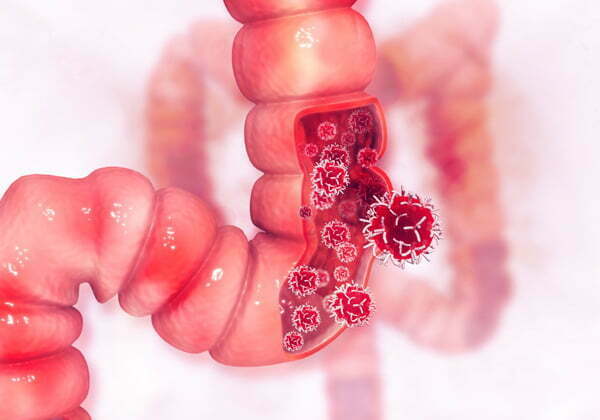
.png)


Introduction to Low-Dose Multi-Drug Chemotherapy
Overview of Chemotherapy Modalities
Chemotherapy is a cornerstone cancer treatment that involves the use of cytotoxic drugs to destroy fast-dividing cancer cells. Traditionally, chemotherapy includes various drug classes such as alkylating agents (e.g., cyclophosphamide), antimetabolites (e.g., methotrexate), and topoisomerase inhibitors (e.g., etoposide). These drugs disrupt DNA replication or cell division, often combined with natural products like vincristine that block mitosis.
Rationale for Low-Dose Multi-Drug Strategies
Conventional chemotherapy administers the highest tolerable dose, which can cause severe side effects like nausea, myelosuppression, and organ toxicity. Emerging evidence supports low-dose or "metronomic" chemotherapy regimens, which deliver smaller, more frequent doses. This approach reduces toxicity and may prevent tumor-promoting effects seen with high doses, such as fibroblast activation and adverse stromal cell responses. Combining multiple drugs at low doses targets cancer cells via different mechanisms, potentially enhancing efficacy while minimizing adverse events.
Historical Context of Chemotherapy Dosing
Since the discovery of DNA-alkylating agents in the early 20th century, chemotherapy dosing traditionally followed the maximum tolerated dose principle. This was based on the assumption that higher doses improve cancer cell kill. However, this often results in significant toxicity without better outcomes. Inspired by combination antibiotic therapies, multi-drug regimens were introduced to overcome resistance. Recent initiatives such as the FDA's Project Optimus advocate dose optimization and support strategies that emphasize safety and patient quality of life, leading to increasing clinical adoption of personalized low-dose multi-drug chemotherapy.
The Evolution and Mechanisms of Chemotherapy

What is the general basis of chemotherapy in cancer treatment?
Chemotherapy primarily uses cytotoxic drugs that target rapidly dividing cancer cells to inhibit their growth or cause cell death. These traditional agents include alkylating agents like cyclophosphamide and cisplatin, which prevent DNA replication by crosslinking DNA strands. Antimetabolites such as methotrexate and 5-fluorouracil mimic normal cellular metabolites, disrupting nucleic acid synthesis essential for cancer cell proliferation. Topoisomerase inhibitors, including etoposide and camptothecin derivatives, induce DNA damage during replication by stabilizing DNA-enzyme complexes. Plant-derived natural compounds like vincristine target microtubules to inhibit mitosis, a critical process for cell division.
Challenges of toxicity and side effects
While chemotherapy is effective at killing cancer cells, it frequently harms healthy, fast-dividing cells leading to side effects such as hair loss, nausea, fatigue, myelosuppression, and organ toxicity. The maximum tolerated dose approach historically emphasized higher doses for greater efficacy but often resulted in severe toxicities that limited patient tolerance. These toxicities not only affect quality of life but also sometimes reduce treatment durations and effectiveness. Emerging evidence supports that lower-dose or metronomic chemotherapy can maintain anti-tumor efficacy while significantly reducing severe adverse events.
Emerging targeted therapies and immunotherapy combinations
Modern advancements supplement traditional chemotherapy with targeted therapies designed to inhibit specific molecular pathways in cancer cells, such as kinase inhibitors and monoclonal antibodies. This precision reduces off-target effects compared to conventional chemo. Immunotherapy combinations—like CAR-T cells, immune checkpoint inhibitors, and oncolytic viruses—are increasingly paired with chemotherapy to harness the immune system for enhanced cancer cell destruction. Nanotechnology also enables smart drug delivery systems, improving targeting and reducing systemic exposure of cytotoxic drugs. Together, these strategies are shifting cancer treatment towards more personalized and less toxic regimens with improved efficacy.
Combination Chemotherapy: History, Benefits, and Risks

Why is combination chemotherapy used in cancer treatment?
Combination chemotherapy involves using multiple anticancer drugs simultaneously to target different phases or mechanisms within cancer cell biology. This strategy aims to increase the overall effectiveness of treatment by attacking the tumor from multiple angles and reducing the likelihood that cancer cells develop resistance to any single agent. By using drugs with diverse modes of action, combination regimens can target a broader spectrum of cancer cell vulnerabilities.
Advantages of combination chemotherapy
Combination chemotherapy offers several important benefits:
- Decreased drug resistance: Utilizing drugs that work through independent mechanisms lowers the chance that cancer cells will be resistant to all agents.
- Enhanced efficacy: Targeting multiple pathways or cell cycle stages enhances tumor cell kill and response rates.
- Dose reduction: Lower doses of individual drugs can be given in combination, reducing potential toxic side effects for patients.
- Synergistic or additive effects: Drugs may work additively or synergistically to improve anticancer activity beyond monotherapy.
- Treatment of heterogeneous tumors: Many cancers are genetically diverse; combining drugs helps cover diverse resistant clones.
Risks and limitations
Despite benefits, combination chemotherapy carries some drawbacks:
- Increased side effects: Patients often experience more pronounced toxicities due to multiple agents, which can impact quality of life.
- Complex management: It may be difficult to identify which drug causes a specific adverse effect, complicating supportive care.
- Drug interactions: Multiple drugs increase the risk of pharmacological interactions that can affect efficacy or safety.
- Resistance to multiple drugs: Though less common, cancer can develop multi-drug resistance, limiting treatment options.
Combination chemotherapy remains a cornerstone of oncology, proven effective in diseases ranging from leukemias to solid tumors. As ongoing research refines drug selection and dosing, integrating targeted therapies and immunotherapies into combination regimens continues to improve patient outcomes with manageable risks.
Low-Dose Chemotherapy: Principles and Clinical Evidence

What Is Low-Dose and Metronomic Chemotherapy?
Low-dose chemotherapy, often referred to as metronomic chemotherapy, involves administering chemotherapeutic drugs at lower doses but more frequently and continuously, without long breaks. This strategy contrasts with the traditional approach of using the maximum tolerated dose given in cycles with rest periods. Metronomic regimens primarily target the tumor microenvironment, affecting blood vessel growth (angiogenesis) and cancer stem cells, while also modulating immune responses to enhance tumor control (Metronomic chemotherapy overview).
How Effective Is Low-Dose Chemotherapy Compared to Conventional Dosing?
Clinical evidence, including meta-analyses of randomized controlled trials comprising over 1,600 patients with various cancers, demonstrates that low-dose chemotherapy achieves comparable efficacy to conventional-dose chemotherapy. Trials show no significant differences in overall response rate, progression-free survival, and overall survival between low-dose and standard-dose regimens. Importantly, studies in breast, pancreatic, ovarian, lung, and other cancers observe similar tumor control and survival outcomes with reduced dosing (Low Dose Chemotherapy Benefits, Low-dose chemotherapy survival benefits).
What Are the Benefits Regarding Toxicity and Side Effects?
A major advantage of low-dose chemotherapy is its favorable toxicity profile. Patients receiving low-dose regimens experience significantly fewer severe side effects such as mucositis, thrombocytopenia, anemia, and febrile neutropenia. Lower toxicity allows for prolonged treatment durations and better quality of life, particularly benefiting older and more frail patients (Chemotherapy for Frail Patients). Laboratory and animal studies also show that lower doses avoid stimulating tumor-supporting fibroblast activity, which can promote tumor recurrence and metastasis seen with high-dose chemotherapy (fibroblast cells secreting proteins).
Overall, low-dose chemotherapy offers a promising alternative to conventional dosing by maintaining treatment effectiveness while minimizing adverse effects, supporting its wider consideration in personalized cancer care.
Mechanistic Insights: Why Low-Dose Chemotherapy Can Limit Tumor Recurrence
Impact of high-dose chemotherapy on tumor microenvironment
High-dose chemotherapy, while effective at killing many cancer cells, can inadvertently affect the tumor microenvironment in harmful ways. It induces fibroblast cells surrounding the tumor to secrete certain proteins called ELR chemokines. These chemokines play a significant role in promoting tumor growth, metastasis, and recruiting immune cells that potentially facilitate tumor progression. Additionally, high doses affect stromal components including immune and blood vessel endothelial cells, which may further encourage tumor recurrence and spread. (low-dose chemotherapy regimens
Fibroblast secretion of tumor-promoting ELR chemokines
ELR chemokines secreted by fibroblasts in response to high-dose chemotherapy contribute to creating a supportive environment for tumor-initiating cells (TICs). These TICs are implicated in tumor relapse and metastasis due to their resilience. The elevated presence of ELR chemokines fosters growth signals and supports macrophage recruitment, creating favorable conditions for cancer to return after treatment. (low-dose chemotherapy regimens
How metronomic dosing avoids tumor-promoting stromal activation
Low-dose, frequent (metronomic chemotherapy) regimens avoid triggering fibroblast secretion of ELR chemokines. This approach reduces the formation of tumor-initiating cells and limits blood vessel growth within tumors, curtailing angiogenesis essential for tumor survival and expansion. Studies in murine models of breast and pancreatic cancers demonstrated that metronomic dosing significantly improved survival compared to high-dose regimens by preventing these tumor-supportive stromal effects. (Metronomic chemotherapy overview
Why might low-dose chemotherapy prevent tumor recurrence better than high-dose?
Because high-dose chemotherapy activates fibroblasts to produce ELR chemokines that promote tumor progression, it paradoxically may encourage tumor recurrence. Metronomic low-dose chemotherapy prevents this fibroblast activation, thereby reducing tumor-initiating cell formation and the supportive stromal signals. This translates into better control of tumor regrowth and longer survival in preclinical cancer models. Thus, low-dose regimens provide a mechanistic advantage in limiting tumor recurrence by preserving a less tumor-friendly microenvironment. (low-dose chemotherapy regimens
Multi-Drug Nanomedicine: Advanced Delivery for Enhanced Efficacy
How does multi-drug nanomedicine improve chemotherapy outcomes?
Multi-drug nanomedicine involves the co-encapsulation of two or more anticancer drugs within a single nanoparticle delivery system. This design allows simultaneous delivery of multiple agents at fixed, synergistic ratios directly to tumor cells, enhancing therapeutic effectiveness beyond what is possible when drugs are given separately. Multi-drug cancer nanomedicine
Nanoparticle co-encapsulation of multiple drugs
Co-encapsulation ensures that both drugs reach the cancer cells concurrently, which can maximize synergy and reduce the likelihood of drug resistance. This approach supports targeting multiple pathways in cancer cells while maintaining precise control over drug ratios and dosing. Combination nanotherapy for improved cancer treatment
Improved pharmacokinetics and tumor targeting
Nanocarriers improve pharmacokinetics by prolonging the circulation half-life of the drugs and protecting them from premature degradation. They exploit tumor-specific features such as abnormal vasculature to accumulate preferentially in tumor tissue, enhancing treatment efficacy and reducing systemic toxicity. Nanocarrier materials in drug delivery
Clinical example: Vyxeos liposomal formulation
Vyxeos is an FDA-approved liposomal formulation combining cytarabine and daunorubicin at a fixed 5:1 molar ratio. It demonstrates significant survival benefits in acute myeloid leukemia patients by ensuring co-delivery of these drugs to the tumor site while minimizing off-target effects. Vyxeos exemplifies the potential of multi-drug nanomedicine to improve outcomes in clinical settings. Pharmacokinetics of co-delivered nanomedicine
Overall, multi-drug nanomedicines represent a promising advancement in chemotherapy, offering improved tumor growth inhibition and survival benefits compared to traditional single-drug therapies or separate drug administrations. Meta-analysis of multi-drug nanotherapy
Adaptive and Personalized Chemotherapy Protocols
How can adaptive therapy personalize low-dose multi-drug chemotherapy?
Adaptive therapy is an innovative approach that customizes chemotherapy by continuously monitoring tumor dynamics and adjusting treatment accordingly. It utilizes biomarkers to gauge tumor burden and response, enabling personalized drug administration schedules rather than fixed protocols.
One method involves combining drugs with different mechanisms of action, such as cisplatin and vincristine combination—used traditionally in protocols like Rapid COJEC for neuroblastoma. These drugs are administered at low doses and switched adaptively based on tumor response indicators. Real-time, noninvasive cellular microscopy techniques allow clinicians to observe morphological changes in tumor cells during treatment, providing immediate feedback on drug effectiveness.
Use of biomarkers and real-time monitoring
Biomarkers, including circulating tumor DNA and T-cell receptor (TCR) clonality, serve as dynamic indicators of tumor status and immune activation. Monitoring these markers during therapy informs on the evolving tumor landscape and immune response, guiding adaptive treatment decisions.
Advanced imaging technologies offer continuous assessment of cellular morphology and behavior. This real-time monitoring supports timely drug switches and dose adjustments, aiming to maintain a therapeutic balance between eradicating sensitive cancer cells and preventing resistant clone dominance.
Bayesian modeling for personalized drug scheduling
Bayesian statistical models are used to integrate longitudinal biomarker data and predict optimal timing for switching between chemotherapeutic agents. This probabilistic approach incorporates tumor evolutionary dynamics, including resistance and sensitivity patterns.
By updating predictions with each new data point, Bayesian models facilitate an individualized therapy schedule that adapts to the patient's unique tumor biology. This reduces unnecessary exposure to ineffective drugs, minimizes toxicity, and enhances overall treatment efficacy.
Adaptive therapy, combining low-dose multi-drug regimens with biomarker-guided real-time monitoring and robust statistical modeling, holds promise to revolutionize personalized cancer treatment by optimizing drug effectiveness while limiting adverse effects.
The Role of Metronomic Chemotherapy in Targeting the Tumor Microenvironment

What mechanisms make metronomic chemotherapy effective beyond cytotoxicity?
Metronomic chemotherapy uses continuous low-dose administration of chemotherapeutic agents, focusing not only on killing cancer cells but also on altering the tumor microenvironment. It inhibits tumor growth by targeting the formation of new blood vessels (angiogenesis), primarily through modulation of VEGF and other angiogenic factors. This anti-angiogenic effect starves the tumor by preventing the blood supply necessary for its expansion.
How does metronomic chemotherapy enhance immune responses?
This treatment strategy also modulates the immune system. It depletes immunosuppressive regulatory T cells and myeloid-derived suppressor cells that normally inhibit anti-tumor immunity. Simultaneously, it promotes dendritic cell function and induces immunogenic cell death, which helps stimulate a more robust immune response against tumor cells. By disrupting the mobilization of bone marrow-derived endothelial progenitor cells, it further reduces tumor revascularization and progression.Immune modulation by metronomic chemotherapy
Why is metronomic chemotherapy suitable for elderly or frail patients?
Due to its lower toxicity compared to conventional high-dose chemotherapy, metronomic chemotherapy can be administered orally and maintained over long periods with fewer side effects. This makes it particularly suitable for elderly or frail patients who may not tolerate aggressive standard-dose treatments. The approach ensures ongoing tumor control while maintaining a better quality of life.Metronomic chemotherapy for elderly patients
Overall, metronomic chemotherapy offers a multifaceted attack on cancer by combining anti-angiogenic, immunomodulatory, and direct cytotoxic effects, thus improving long-term outcomes especially in sensitive patient populations.Metronomic chemotherapy overview
Clinical Advances in Low-Dose Multi-Drug Chemotherapy for Pancreatic Cancer
Challenges of pancreatic cancer treatment
Pancreatic cancer is notoriously difficult to treat due to its typically late-stage diagnosis and aggressive nature, with most patients presenting at advanced stages. This results in a low median survival time of around 6 months. Conventional chemotherapy often struggles with balancing efficacy and tolerability, particularly in older or frail patients who may not withstand intense treatment regimens. (Treatment options in pancreatic cancer, Personalized patient-centered strategies, Low Dose Chemotherapy
Combination regimens like NALIRIFOX and FOLFIRINOX
Recent therapeutic advances have introduced multi-drug combination regimens to improve outcomes. NALIRIFOX, approved in early 2024, combines irinotecan liposome with oxaliplatin, 5-fluorouracil, and leucovorin, using a reduced dose of oxaliplatin to enhance tolerability. Similarly, FOLFIRINOX, a regimen of irinotecan, oxaliplatin, leucovorin, and 5-fluorouracil, has demonstrated superior efficacy particularly as second-line therapy. These combinations target multiple cancer growth pathways and are designed to maximize tumor control while reducing adverse effects through dose adjustments. (Personalized patient-centered strategies, Combination therapy in cancer treatment)
Inclusion of older and frail patients in dose-modified protocols
Recognizing the need for personalizing chemotherapy, clinical studies like the GIANT trial have explored biweekly, dose-reduced regimens to safely extend treatment to older, frail patients. Such modifications have achieved meaningful median overall survival times around 8 months in patients able to tolerate these adapted schedules. This approach fosters broader treatment accessibility and quality of life improvements. (Personalized patient-centered strategies, Low Dose Chemotherapy Benefits, Low-dose chemotherapy regimens
How does Hirschfeld Oncology approach treatment design for pancreatic cancer?
Hirschfeld Oncology integrates current scientific evidence with personalized assessments of tumor biology and patient health to design treatment plans. They select combination chemotherapy regimens such as gemcitabine-based therapies and tailored multi-drug low-dose protocols. Their approach includes considering clinical trial options and emerging novel adjunct therapies to optimize both efficacy and tolerability for pancreatic cancer patients. (Personalized patient-centered strategies, Combination therapy in cancer treatment, Chemotherapy overview)
Innovative Strategies at Hirschfeld Oncology in Pancreatic Cancer Care
What innovative treatment strategies does Hirschfeld Oncology employ for pancreatic cancer?
Hirschfeld Oncology adopts advanced methods to improve pancreatic cancer management, focusing on personalized patient-centered strategies. They utilize liquid biopsies for cancer diagnosis to detect and monitor circulating tumor DNA (ctDNA), allowing for real-time, noninvasive assessment of tumor burden and treatment response. This molecular profiling enables dynamic therapy adjustments tailored to individual patient needs.
The center emphasizes low-dose chemotherapy delivered through carefully designed metronomic chemotherapy. These regimens apply frequent, low doses of chemotherapeutics to target tumor microenvironments, reduce toxicity, and prevent therapy resistance.
Furthermore, Hirschfeld Oncology integrates repurposing FDA-approved drugs in combination therapy in combination with standard treatments. This approach includes repurposed drugs and immunotherapies aiming to attack cancer via multiple pathways, enhancing efficacy while minimizing adverse effects.
These innovative strategies reflect a shift from the traditional maximum tolerated dose paradigm towards personalized, tumor-informed interventions. By combining molecular monitoring, adaptive low-dose protocols, and novel agents, Hirschfeld Oncology strives to improve outcomes and quality of life for pancreatic cancer patients.
Team-Based Comprehensive Care and Advocacy at Hirschfeld Oncology
What roles do medical staff play at Hirschfeld Oncology in cancer care?
Hirschfeld Oncology employs a collaborative team approach to provide comprehensive cancer care. Physicians specialize in disease-specific treatment planning, combining both standard chemotherapy regimens and innovative therapies such as immunotherapy and targeted agents to optimize patient outcomes. Nurses and infusion specialists play a pivotal role in administering treatments safely, monitoring for side effects, and offering vital supportive care throughout the therapy process.
Multidisciplinary allied health professionals including dietitians, social workers, and counselors contribute to holistic patient management, addressing nutritional needs and psychosocial support. This team ensures that patients' overall well-being is prioritized alongside clinical care, helping them navigate the emotional and practical challenges of cancer treatment.
Patient education is a cornerstone of Hirschfeld's approach. The team facilitates informed engagement by educating patients about their diagnosis, treatment options, and potential clinical trials. By promoting shared decision-making and encouraging participation in research, Hirschfeld Oncology empowers patients to take an active role in their care, which can improve adherence, satisfaction, and quality of life.
This coordinated, patient-centered framework exemplifies comprehensive cancer management that integrates medical expertise with supportive services to achieve better clinical and personal outcomes.
Advocacy and Empowerment for Pancreatic Cancer Patients
How does Hirschfeld Oncology provide advocacy for pancreatic cancer patients?
Hirschfeld Oncology offers comprehensive advocacy for pancreatic cancer patients by providing continuous emotional and medical support throughout their cancer journey. The center focuses on compassionate, patient-centered care tailored to each individual's health status and personal goals. Patients receive thorough education about available treatment options in pancreatic cancer, including the latest therapies and clinical trial opportunities, which helps them make informed decisions.
The team connects patients and their families to national support organizations, enhancing resources for coping and empowerment. This collaboration ensures that patients benefit from broader community support, including counseling, nutritional guidance, and assistance navigating healthcare systems.
Overall, Hirschfeld Oncology fosters a supportive environment where patients are encouraged to engage actively in their treatment plans. This holistic approach not only addresses medical needs but also enhances quality of life by emphasizing advocacy, education, and community connections.
Conclusion: The Future of Low-Dose Multi-Drug Chemotherapy in Cancer Care
Benefits and Challenges
Low-dose multi-drug chemotherapy offers significant advantages including reduced toxicity, lowered side effects, and comparable efficacy to conventional high-dose regimens. This approach helps prevent treatment-related severe adverse events such as mucositis, thrombocytopenia, and neutropenia, improving patients' quality of life. Moreover, the strategy avoids tumor-promoting activities triggered by high-dose chemotherapy, such as fibroblast secretion of pro-tumor proteins, thereby potentially reducing relapse and metastasis risks.
Challenges remain in optimizing dosing schedules to balance efficacy and safety, managing multi-drug interactions, and ensuring the treatment effectively overcomes drug resistance. Despite promising clinical and preclinical results, larger trials and long-term studies are needed to fully establish protocols and validate benefits across diverse cancer types and patient populations.
Personalized Medicine and New Technologies
Integration with personalized medicine is critical for advancing low-dose multi-drug chemotherapy. Genetic profiling and tumor biomarker analysis allow customizing drug combinations tailored to individual tumor biology and patient health status. Emerging innovations, such as nanomedicine for co-delivery of drugs, adaptive therapy protocols guided by real-time monitoring, and AI-driven dose optimization, enable precise, dynamic adjustments to treatment.
Technologies such as liquid biopsies and radiomics support early diagnosis and treatment response evaluation, enhancing therapeutic decision-making. Immunotherapy combinations and antibody-drug conjugates further complement chemotherapy by targeting tumors more selectively and minimizing systemic side effects.
Multidisciplinary, Patient-Centered Care
Successful implementation requires a multidisciplinary approach involving oncologists, pharmacists, geneticists, and supportive care teams. Patient-centered strategies prioritize holistic care, considering comorbidities, functional status, and individual preferences to improve adherence and outcomes.
Clinical trial enrollment and continuous communication empower patients in their treatment journeys. Personalized dosing not only targets cancer more effectively but also enhances tolerability, encouraging longer therapy durations and aiding survivorship.
Together, these advances herald a new era in cancer care where low-dose multi-drug chemotherapy is safer, smarter, and more compassionate.
.png)
.png)