.png)


Why Nutrition Matters for Oncology Success
Malnutrition affects up to 69 % of lung‑cancer patients and is linked to higher toxicity, treatment interruptions, and lower overall survival. The NutriCare trial (NCT04986670) demonstrated that vulnerable patients who received medically tailored meals plus weekly counseling achieved a higher relative dose intensity (RDI) than those given information only, particularly among stage IV NSCLC patients, suggesting that nutritional support can preserve treatment intensity. Integrating nutrition into oncology care therefore aims to (1) prevent or reverse disease‑related weight loss and muscle wasting, (2) mitigate side‑effects such as nausea, mucositis, and taste changes that impair oral intake, and (3) enable patients to complete prescribed chemotherapy or radiotherapy regimens without dose reductions. Early screening, dietitian‑led counseling, and targeted interventions—ranging from oral supplements to enteral feeding—are essential components of a multidisciplinary strategy that improves tolerance, reduces hospitalizations, and ultimately enhances oncologic outcomes.
Foundations of Oncology Nutrition
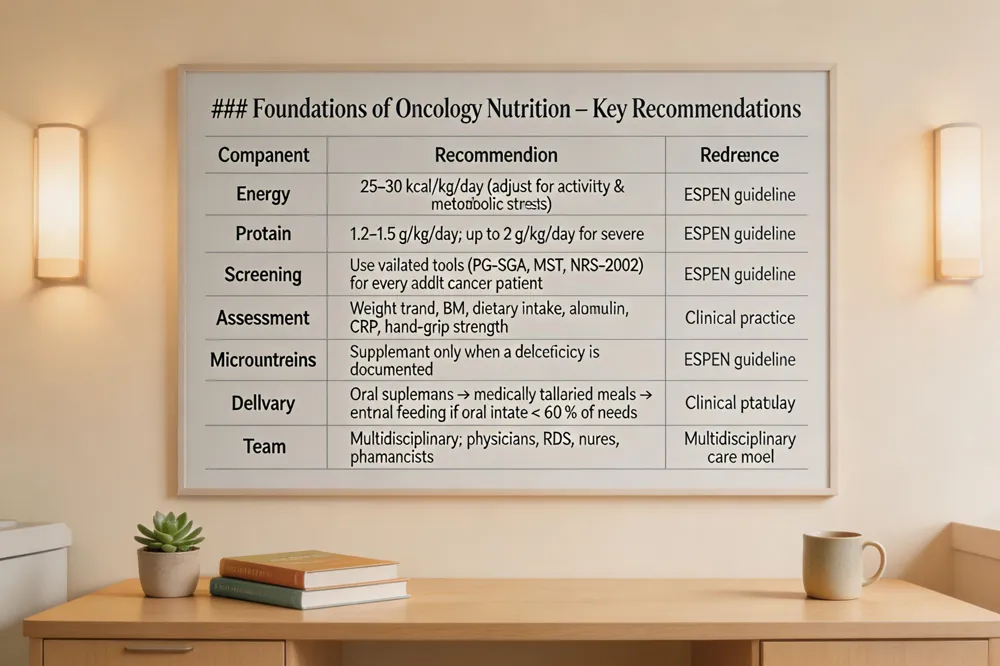 Proper nutrition is a cornerstone of cancer care because it supplies energy and building blocks needed to sustain the body during aggressive therapies. Adequate protein (1.2–1.5 g/kg/day) and calories (25–30 kcal/kg/day) preserve muscle mass, support immune function, and lessen side‑effects such as fatigue, nausea, and mucositis, enabling patients to receive full treatment doses. Early nutritional assessment begins with a validated screening tool (e.g., PG‑SGA, MST, NRS‑2002) to flag risk, followed by comprehensive evaluation of weight trends, BMI, dietary intake, laboratory markers (albumin, CRP), and functional measures like hand‑grip strength. These data guide individualized plans that may include oral nutrition supplements, medically tailored meals, or enteral feeding when oral intake falls below 60 % of needs. The ESPEN guidelines recommend routine screening for every adult cancer player, energy targets of 25–30 kcal/kg/day, protein up to 2 g/kg/day for severe cachexia, and micronutrient supplementation only when a deficiency is documented. A multidisciplinary team—physicians, registered dietitians, nurses, and pharmacists—integrates nutrition therapy throughout treatment, improving tolerance, reducing complications, and enhancing quality of life.
Practical Nutrition Strategies for Chemotherapy Patients
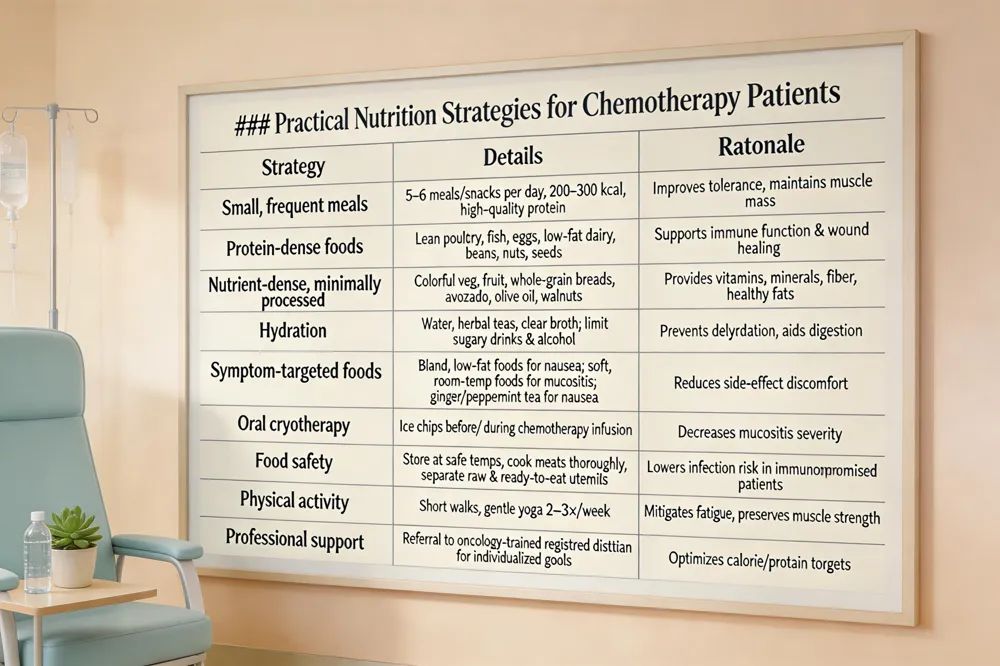 A. Nutrition tips for cancer patients – Eat [small, frequent meals](https://www.cancer.gov/about-cancer/treatment/side-effects/nutrition) rich in high‑quality protein (lean poultry, fish, eggs, low‑fat dairy, beans, nuts, seeds) to preserve muscle and immune function. Prioritize nutrient‑dense, minimally processed foods—colorful vegetables, fruit, whole‑grain breads, and healthy fats from avocados, olive oil, walnuts. Stay hydrated with water, herbal teas, and broths; limit sugary drinks and alcohol. Plan meals ahead by stocking easy‑to‑prepare, protein‑rich items and enlist help for grocery shopping and cooking. Consult a registered dietitian for individualized calorie and protein goals.
B. How to lessen the side effects of chemotherapy – Keep a symptom journal and share it with the oncology team for timely dose or medication adjustments. Small, frequent meals and bland, low‑fat foods help control nausea, diarrhea, and mucositis. Gentle activity (short walks, yoga) reduces fatigue and maintains muscle strength. Use ginger or peppermint tea, ice chips for [oral cryotherapy](https://pmc.ncbi.nlm.nih.gov/articles/PMC8706251/), and soft, room‑temperature foods to ease mouth soreness.
C. [Food safety](https://www.cancer.gov/about-cancer/treatment/side-effects/nutrition) for immunocompromised patients – Store foods at safe temperatures, cook meats thoroughly, scrub raw produce, and use separate utensils for raw and ready‑to‑eat foods. Avoid raw or undercooked items that increase infection risk.
Evidence‑Based Resources and Professional Guidance
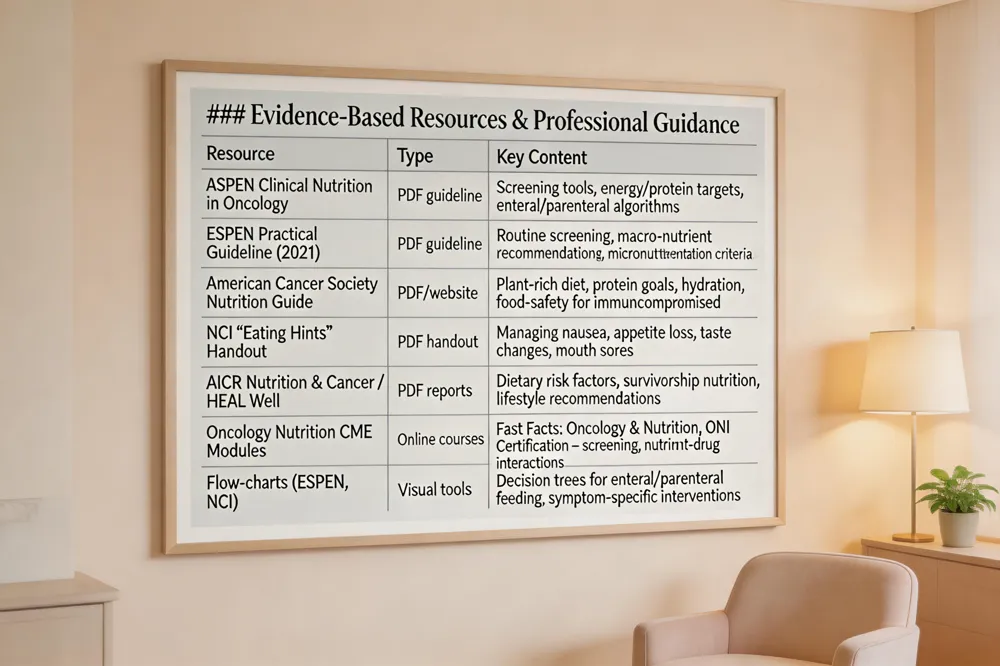 Clinical Nutrition for oncology patients PDF: The ASPEN “Clinical Nutrition in Oncology” and ESPEN practical guideline (2021) are free PDFs offering evidence‑based screening tools, energy/protein targets, enteral/parenteral recommendations, and side‑effect management (nausea, taste changes).
Nutrition for cancer patients guidelines pdf: The American Cancer Society’s nutrition guide, together with NCI and ESPEN flow‑charts, provides balanced eating patterns, protein goals, hydration, and symptom‑specific strategies, emphasizing collaboration with an oncology‑trained registered dietitian.
Nutrition and cancer pdf: AICR’s “Nutrition and Cancer” and “HEAL Well” PDFs and plus NCI’s “Eating Hints” handout summarize dietary risk factors, survivorship nutrition, and practical tips for managing nausea, appetite loss, and mouth sores.
American Cancer Society Nutrition Guidelines pdf: This PDF outlines four core recommendations—healthy weight, regular physical activity, plant‑rich diet, and limits on red/processed meats, sugary drinks, and alcohol—plus food‑safety advice for immunocompromised patients.
Oncology Nutrition courses: Free CME modules such as “Fast Facts: Oncology and Nutrition” and the 250‑hour Oncology Nutrition Consulting Certification (ONI) provide comprehensive training on screening, nutrient‑drug interactions, and therapeutic diets for clinicians seeking credentialed expertise.
Cancer‑Specific Nutrition Considerations
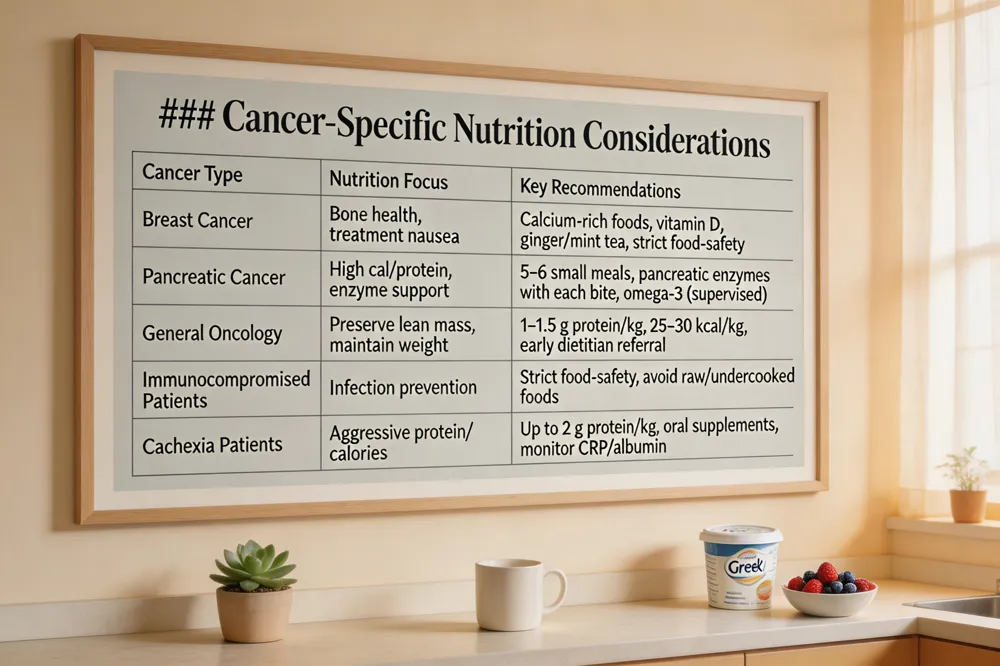 What diet do oncologists recommend? Oncologists favor a balanced, nutrient‑dense diet that emphasizes plant‑based proteins (beans, legumes, nuts, seeds), lean animal proteins (poultry, fish), colorful vegetables and fruits, whole‑grain carbs, and healthy fats (avocado, olive oil, walnuts). Small, frequent meals with 1–1.5 g protein/kg body weight help preserve muscle mass; adequate hydration and individualized adjustments are essential, especially for high‑risk groups.
Nutrition during breast cancer treatment Aim for high‑quality protein, calcium‑rich foods, and vitamin D to protect bone health. Fill half the plate with varied produce, sip ginger or mint tea for nausea, and practice strict food‑safety to reduce infection risk during immunosuppression.
Pancreatic cancer nutrition guidelines Prioritize high‑calorie, high‑protein meals and enzyme supplementation with each bite to improve digestion. Eat 5–6 small meals daily, stay hydrated (≈64 oz), and consider omega‑3 or l‑carnitine under medical guidance.
Meal‑planning tools for patients Use validated screening tools (MST, PG‑SGA) to trigger dietitian referral, employ nutrient‑dense oral supplements, and leverage tele‑health platforms for ongoing monitoring and personalized meal plans.
Integrating Nutrition into Multidisciplinary Oncology Care
What are the worst side effects of chemotherapy
Profound fatigue, intense nausea/vomiting, peripheral neuropathy, mucositis, severe immunosuppression, and organ‑specific toxicities (heart, lung, kidney) dominate treatment‑related toxicity. These can lead to treatment interruptions.
Chemotherapy toxicities (fatigue, nausea, diarrhea, insomnia) affect >97% of patients
1st chemo treatment side effects
First‑cycle nausea, vomiting, loss of appetite, fatigue, early hair loss, mild mucositis, constipation/diarrhea, and low blood counts often appear within 24‑48 h and may require anti‑emetics and hydration.
Chemotherapy side effects overview
2nd chemo treatment side effects
Cumulative fatigue, deeper neutropenia, heightened nausea, emerging neuropathy, worsening mucositis, and increased infection risk typically peak 24‑48 h after infusion.
3rd chemo treatment side effects
By cycle three, fatigue and nausea intensify, neuropathy and mucositis become more severe, and myelosuppression raises infection and bleeding dangers.
Nutrition goals for cancer patients
Preserve lean body mass, maintain stable weight, meet protein (≈1.2‑1.5 g/kg) and calorie (≈25‑30 kcal/kg) needs, and mitigate side‑effect‑driven intake loss.
Nutrition guidelines for cancer patients
What helps cancer patients live longer?
A healthy lifestyle—regular exercise, balanced diet, weight control, tobacco avoidance, and vigilant follow‑up—improves survivorship and overall survival.
ACS Guidelines: Nutrition & Physical Activity for Cancer Prevention
Nutrition care in cancer: an overlooked part of patient‑centered care
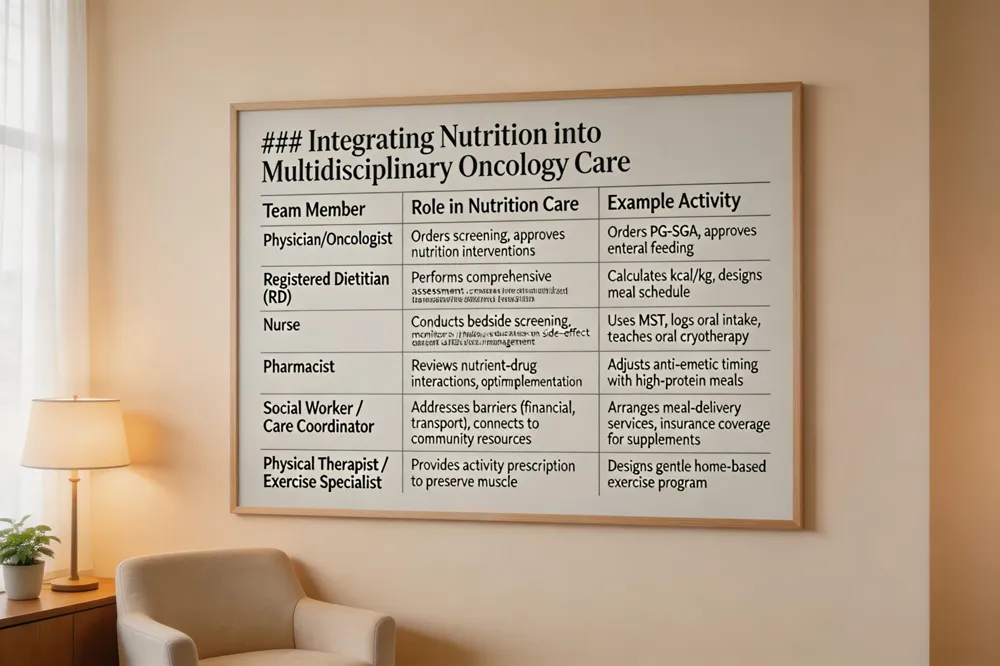
Early dietitian referral, nurse‑driven screening, and coordinated multidisciplinary teams ensure timely nutrition interventions, reducing toxicity and hospital readmission.
Nutrition care in cancer
Signs chemo is killing you
High fever ≥38 °C, uncontrolled bleeding, severe shortness of breath, sudden weakness, confusion, or acute abdominal pain demand emergency evaluation.
Chemotherapy side‑effect emergencies
Empowering Patients Through Structured Nutrition Support
Research shows early nutritional screening, individualized counseling, and provision of tailored meals improve treatment tolerance in lung‑cancer patients. The NutriCare trial reported higher relative dose intensity for stage IV NSCLC when patients received weekly counseling plus home‑delivered meals versus information alone. National guidelines (NCI, ESPEN, ASPEN, NCCN) recommend protein 1.2–1.5 g/kg/day, calories 30–35 kcal/kg/day, and oral supplements or enteral feeding when intake falls below 60 % of needs. For Hirschfeld Oncology patients, next steps are: (1) request a rapid nutrition‑risk screen at diagnosis; (2) meet a registered oncology dietitian to create a personalized plan; (3) enroll in a NutriCare‑style program for meals and counseling; and (4) schedule regular follow‑up to adjust the plan as side effects evolve. These actions preserve weight, muscle, and overall life quality.
.png)
.png)