.png)


Nutraceuticals: Bioactive Allies in Cancer Care
Nutraceuticals are biologically active compounds derived from food sources that deliver health benefits beyond basic nutrition—ranging from vitamins and minerals to polyphenols, flavonoids, and omega‑3 fatty acids. An estimated 75% of anticancer agents have been derived from plants, and between 60% and 80% of cancer patients use dietary supplements during or after treatment. This widespread use underscores the need to understand how these compounds might be safely repurposed as evidence‑based adjuncts to conventional oncology therapies, particularly for patients seeking to improve quality of life and treatment outcomes under medical supervision.
How Nutraceuticals Modulate Cancer Pathways
Nutraceuticals influence multiple hallmarks of cancer, including proliferation, apoptosis, angiogenesis, and inflammation. Curcumin from turmeric inhibits NF‑κB and PI3K/Akt/mTOR signaling, induces G2/M cell‑cycle arrest, and enhances natural killer (NK) cell cytotoxicity against breast cancer cells. Epigallocatechin‑3‑gallate (EGCG) from green tea suppresses MAPK, EGFR, and PI3K/Akt pathways, inducing apoptosis and reducing radiation‑induced dermatitis in clinical studies. Resveratrol from grapes and berries activates p53, promotes ROS‑mediated apoptosis, and up‑regulates NKG2D ligands on tumor cells, enhancing NK‑cell‑mediated clearance. These multi‑targeted actions make nutraceuticals attractive adjuncts—they may sensitize tumors to chemotherapy while protecting normal tissues from oxidative damage.
Clinical Evidence and Synergistic Potential
Several clinical trials have shown promising results. Curcumin (up to 8 g/day) is safe and well‑tolerated; when added to FOLFOX for metastatic colorectal cancer, it reduced inflammatory biomarkers and improved progression‑free survival in some cohorts. Vitamin D supplementation during neoadjuvant chemotherapy significantly improved pathologic complete response rates in breast cancer patients, especially those with hormone receptor‑negative tumors. Omega‑3 fatty acids preserved lean muscle mass and reduced toxicity in patients receiving chemotherapy. Ginger alleviated chemotherapy‑induced nausea and fatigue, while probiotics (containing Lactobacillus and Bifidobacterium) reduced the incidence of chemoradiotherapy‑induced diarrhea in colorectal cancer patients.
However, results are mixed. High‑dose antioxidant supplements—such as vitamin C, vitamin E, and beta‑carotene—may protect cancer cells from oxidative damage and reduce chemotherapy efficacy, with some studies linking them to higher recurrence risk. The SELECT trial found that vitamin E plus selenium increased the risk of high‑grade prostate cancer. Thus, not all nutraceuticals benefit all patients; timing, dosage, and tumor type matter critically.
Challenges in Clinical Translation
Despite preclinical promise, clinical translation is hindered by low bioavailability of many phytochemicals. Curcumin, resveratrol, and quercetin have poor aqueous solubility, limited gastrointestinal absorption, and rapid clearance. Advanced delivery systems—nanoformulations, liposomes, solid lipid nanoparticles, and adjuvants like piperine—are being developed to enhance bioavailability and tumor targeting. For example, nano‑curcumin encapsulated in PLGA shows improved cellular uptake and antitumor effects.
Standardization is another hurdle. The FDA does not regulate dietary supplements as drugs; they are marketed under DSHEA (1994) without pre‑market approval. This leads to batch‑to‑batch variability in potency and contaminants. Only products from GMP‑certified manufacturers with third‑party seals (e.g., USP, NSF) should be considered for clinical use.
Safety, Interactions, and Regulatory Gaps
Nutraceuticals can interfere with drug metabolism. Many botanicals affect cytochrome P450 enzymes, altering the pharmacokinetics of chemotherapeutic agents. St. John’s wort induces hepatic enzymes that reduce the effectiveness of many chemotherapy drugs; grapefruit juice inhibits enzymes, raising toxicity risk. Herbs like ginger, garlic, and turmeric increase bleeding risk when taken with anticoagulants. High‑dose antioxidants during radiation or chemotherapy may diminish the free‑radical‑mediated killing of cancer cells.
Patients must disclose all supplements to their oncology team. Professional societies advise against using supplements other than standard multivitamins during active treatment without clear medical indication. Personalized approaches, guided by pharmacogenomics (e.g., MTHFR, VDR polymorphisms), could identify patients who may benefit most from specific nutraceuticals.
Guidance for Integrating Nutraceuticals into Oncology
Repurposing nutraceuticals as safe adjuncts requires a rigorous framework:
- Use only under oncologist supervision, with documented need (e.g., deficiency, symptom management).
- Choose products from certified manufacturers; avoid high‑dose antioxidants during chemotherapy unless part of a controlled trial.
- Verify absence of interactions with current treatment regimen.
- Integrate nutraceuticals into a broader care plan that includes diet, exercise, and evidence‑based integrative therapies (e.g., acupuncture for neuropathy).
|| Common Nutraceutical | Mechanism of Action | Clinical Evidence | Potential Risks | |------------------------|----------------------|------------------|-----------------| | Curcumin | Inhibits NF‑κB, PI3K/Akt; induces apoptosis | Reduced dermatitis; safe up to 8 g/day | Low bioavailability; may increase bleeding | | EGCG (green tea) | Suppresses EGFR, MAPK; induces apoptosis | Reduced radiation dermatitis | Interference with bortezomib ; hepatotoxicity at high doses | | Resveratrol | Activates p53; enhances NK cells | Improved antioxidant status in trials | Low bioavailability; potential hormonal effects | | Omega‑3 fatty acids | Reduce inflammation; preserve muscle | Improved QoL; reduced toxicity | May potentiate anticoagulants | | Vitamin D | Induces apoptosis; modulates immunity | Higher pCR in breast cancer; better survival | Toxicity at very high doses | | Probiotics (Lactobacillus, Bifidobacterium) | Support gut health; reduce diarrhea | Reduced chemoradiotherapy‑induced diarrhea | Rare infections in immunocompromised patients | | Ginger | Anti‑emetic; anti‑inflammatory | Reduced nausea and fatigue | Increases bleeding risk with warfarin |
Future Directions and Conclusion
Large‑scale, biomarker‑driven trials of well‑characterized nutraceuticals in nanoformulated forms are urgently needed. Nutrigenomics and artificial intelligence could help predict individual responses and optimize adjunctive regimens. Regulatory harmonization will ensure product quality and safety.
In summary, nutraceuticals represent a promising but complex adjunct to oncology therapy. Their ability to modulate key pathways in carcinogenesis—coupled with high patient interest—demands careful, evidence‑based integration. When used under medical supervision, these compounds may enhance treatment efficacy, reduce side effects, and improve quality of life for patients navigating cancer therapy.
What Are Nutraceuticals? A Primer for Cancer Care
Nutraceuticals are bioactive compounds derived from food sources that offer health benefits beyond basic nutrition. In oncology, they are explored as adjuncts to standard treatments—not as replacements—to enhance efficacy, reduce side effects, and improve quality of life. Approximately 75% of anticancer agents originate from plants, underscoring the therapeutic potential of natural compounds. This section introduces key nutraceuticals studied in cancer care, their mechanisms, and clinical considerations.
Polyphenols: Curcumin, Resveratrol, EGCG, and Quercetin
Curcumin, the active polyphenol in turmeric, inhibits NF‑κB and PI3K/Akt/mTOR signaling, induces apoptosis and G2/M cell‑cycle arrest, and enhances natural killer (NK) cell cytotoxicity against breast cancer cells. Preclinical studies show synergism with 5‑fluorouracil, doxorubicin, and cisplatin. A phase I trial established safety up to 8 g/day, and clinical data suggest improved progression‑free survival when combined with gemcitabine in pancreatic cancer. However, curcumin suffers from poor oral bioavailability; absorption is enhanced by piperine (black pepper) or nanoformulations like PLGA nanoparticles.
Resveratrol, found in grapes and berries, activates p53 and promotes ROS‑mediated apoptosis. It up‑regulates NKG2D ligands on tumor cells, boosting NK cell‑mediated clearance. Resveratrol also enhances cytotoxicity of CD8⁺ T lymphocytes while suppressing regulatory T cells. Derivatives such as pterostilbene (methoxylated) show improved potency and bioavailability. Clinical trials in head and neck cancer report improved antioxidant enzyme activity, but robust phase III data are lacking.
Epigallocatechin‑3‑gallate (EGCG), the major green tea polyphenol, suppresses PI3K/Akt, NF‑κB, MAPK, and EGFR pathways. It induces apoptosis and has been shown to reduce radiation‑induced dermatitis in breast cancer patients. In prostate cancer, EGCG administered before prostatectomy reduced serum PSA and NF‑κB activation in some studies, though results are variable. Green tea catechins are well‑tolerated but may interact with bortezomib.
Quercetin, a flavonoid abundant in onions and apples, scavenges ROS, enhances antioxidant enzyme activity, and inhibits PI3K/Akt signaling. It promotes apoptosis by elevating Bax and reducing Bcl‑2. Quercetin also modulates epigenetics by influencing DNA methyltransferases. Its clinical use is limited by poor solubility; liposomal or nanoparticle delivery systems are under investigation.
Carotenoids: Lycopene
Lycopene, the red pigment in tomatoes, reduces cyclin and CDK activity, limiting uncontrolled cell growth, and induces apoptosis. It activates the Nrf2 pathway, boosting antioxidant defenses. In prostate cancer, lycopene supplementation (30 mg twice daily) before radical prostatectomy lowered serum PSA and reduced tumor involvement, though large meta‑analyses show no consistent protective effect against overall prostate cancer risk. Results are mixed, highlighting the need for standardized formulations.
Organosulfur Compounds: Sulforaphane
Sulforaphane, found in cruciferous vegetables (broccoli, Brussels sprouts), modulates histone deacetylase (HDAC) activity and enhances pro‑apoptotic gene expression. It induces phase II detoxification enzymes and suppresses epithelial‑mesenchymal transition (EMT), a key step in metastasis. Preclinical studies show synergy with chemotherapeutics, but human trials are limited by variable bioavailability. Encapsulation strategies are being explored.
Gingerol and Ginger
Ginger and its active compound gingerol are widely used for chemotherapy‑induced nausea and vomiting. Clinical trials confirm significant efficacy in reducing acute emesis and fatigue. However, ginger may increase bleeding risk when taken with anticoagulants like warfarin; patients should consult their oncology team before use.
Omega‑3 Fatty Acids (EPA/DHA)
Omega‑3 polyunsaturated fatty acids from fish oil or algae reduce inflammation, preserve lean muscle mass, and improve quality of life in patients undergoing cancer treatment. Incorporating omega‑3s into chemotherapy regimens has been linked to improved clinical outcomes and reduced treatment‑related toxicity. They can also modulate immune function by enhancing NK cell activity. Caution is needed because omega‑3s can potentiate anticoagulant effects.
Vitamin D
Vitamin D, produced by sunlight and found in fatty fish, is essential for bone health and calcium absorption. Low levels correlate with higher risk of aggressive prostate cancer and poor outcomes in several cancers. A randomized trial demonstrated that weekly oral vitamin D supplementation during neoadjuvant therapy significantly improved pathologic complete response rates in breast cancer patients, particularly those with hormone receptor‑negative tumors and high Ki‑67 expression. Supplementation is recommended only when deficiency is documented or to protect bones during hormone therapy.
Probiotics
Probiotics, such as Lactobacillus and Bifidobacterium strains, support gut microbiota balance and produce short‑chain fatty acids (SCFAs) with anti‑carcinogenic properties. A meta‑analysis of eight RCTs in colorectal cancer patients showed that probiotics significantly reduced chemoradiotherapy‑induced diarrhea and improved symptoms like pain and insomnia. Probiotics are generally safe but should be used with caution in immunocompromised patients to avoid rare infections.
Mushroom Beta‑Glucans
Beta‑glucans from medicinal mushrooms (shiitake, maitake, reishi) stimulate innate immunity by activating macrophages, NK cells, and dendritic cells. They are investigated as immune adjuvants to enhance responses to checkpoint inhibitors and reduce cancer‑related fatigue. Clinical evidence is still emerging, and product quality varies significantly.
A Closer Look: Top Nutraceuticals Studied in Cancer Care
| Nutraceutical | Primary Food Sources | Key Mechanisms | Clinical Evidence Level |
|---|---|---|---|
| Curcumin | Turmeric | Inhibits NF‑κB, PI3K/Akt; induces apoptosis; enhances NK activity | Phase I/II trials show safety and some efficacy; large RCTs needed |
| Resveratrol | Grapes, berries, peanuts | Activates p53; promotes ROS apoptosis; boosts CD8⁺ and NK cells | Small RCTs show antioxidant benefits; limited cancer‑specific data |
| EGCG | Green tea | Suppresses PI3K/Akt, NF‑κB, MAPK, EGFR; reduces radiation dermatitis | Mixed RCT results; not recommended during bortezomib therapy |
| Lycopene | Tomatoes, watermelon | Reduces cyclin/CDK activity; activates Nrf2 antioxidant pathway | Inconsistent; some trials show PSA reduction in prostate cancer |
| Sulforaphane | Broccoli, Brussels sprouts | Modulates HDAC; induces phase II enzymes; suppresses EMT | Preclinical support; limited human bioavailability studies |
| Quercetin | Onions, apples, berries | Scavenges ROS; inhibits PI3K/Akt; promotes apoptosis | Preclinical evidence; bioavailability challenges |
| Gingerol | Ginger | Anti‑nausea; anti‑inflammatory | Effective for chemotherapy‑induced nausea; watch for anticoagulant interaction |
| Omega‑3 (EPA/DHA) | Fish oil, algae | Reduces inflammation; preserves muscle; modulates immunity | Meta‑analyses show benefit for cachexia and toxicity reduction |
| Vitamin D | Sunlight, fatty fish | Induces apoptosis; anti‑angiogenic; improves response to chemo | Level 1 evidence for improved pathologic response in breast cancer |
| Probiotics | Yogurt, fermented foods | Produce SCFAs; reduce diarrhea; modulate immune surveillance | Meta‑analysis supports reduction of chemoradiotherapy‑induced diarrhea |
Safety and Regulatory Considerations
Nutraceuticals are regulated as dietary supplements by the FDA under DSHEA (1994), meaning they are not subject to pre‑market approval for safety or efficacy. Inconsistent quality, contamination, and variable potency are known issues. High‑dose antioxidants may interfere with chemotherapy and radiation, potentially protecting tumor cells. For example, beta‑carotene supplementation increased lung cancer risk in smokers, and high‑dose vitamin E is linked to higher prostate cancer risk. Concurrent use of anticoagulants with ginger, garlic, or turmeric increases bleeding risk. Patients should always disclose supplement use to their oncology team.
Future Directions
Advanced delivery systems—liposomes, nanoparticles, solid lipid carriers, and adjuvants like piperine—are improving the bioavailability of curcumin, resveratrol, and quercetin. Nutrigenomics is poised to personalize nutraceutical regimens based on genetic variations (e.g., VDR, MTHFR polymorphisms). Meanwhile, rigorous, biomarker‑driven clinical trials are urgently needed to validate efficacy and establish standardized dosing protocols. Integrating nutraceuticals into cancer care holds promise, but must be grounded in evidence and guided by healthcare professionals.
How Nutraceuticals Work Inside the Cancer Cell
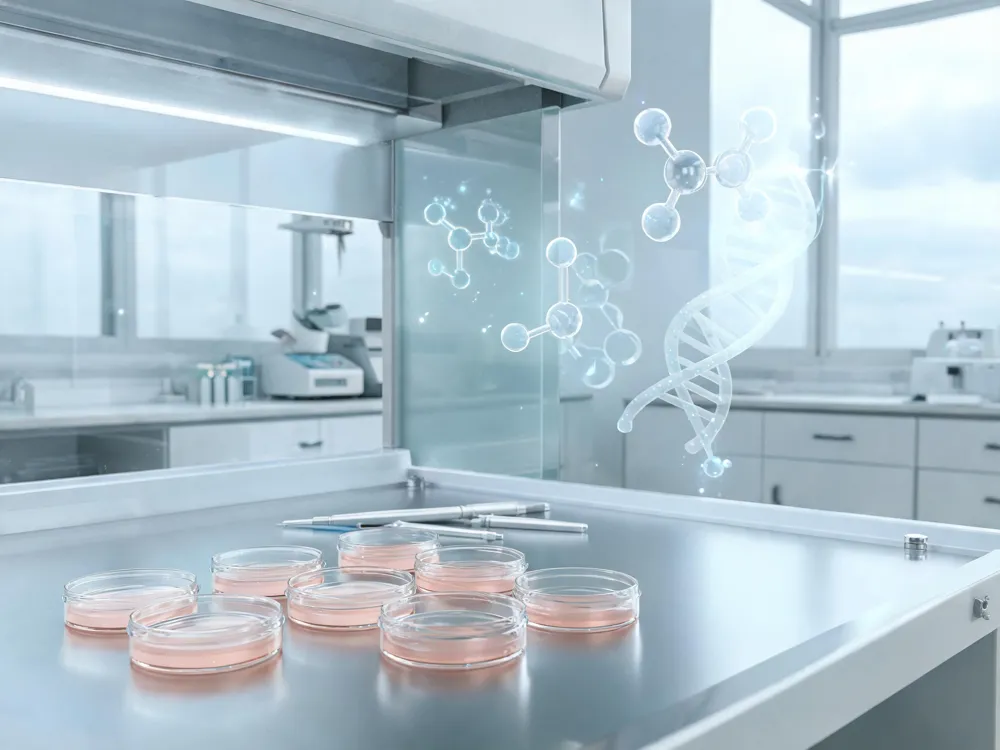
The anticancer activity of nutraceuticals arises from their ability to interfere with multiple signaling pathways that drive tumor growth, evade apoptosis, and suppress immune surveillance. Unlike single‑target drugs, these natural compounds often hit several nodes simultaneously, which may help overcome resistance and enhance the efficacy of conventional therapies. Below we examine how selected phytochemicals act at the molecular level and how they support the body’s natural defenses against cancer.
Curcumin: A Multi‑Targeted Polyphenol
Curcumin, the active pigment in turmeric, inhibits the transcription factor NF‑κB, a master regulator of inflammation and cell survival. By blocking NF‑κB, curcumin reduces the expression of anti‑apoptotic proteins and inflammatory cytokines. It also suppresses the PI3K/Akt/mTOR axis, a pathway frequently hyperactive in breast and other cancers. This dual blockade leads to G2/M cell‑cycle arrest and triggers apoptosis via mitochondrial pathways. In preclinical models, curcumin enhances natural killer (NK) cell cytotoxicity against breast cancer cells, linking direct tumor‑killing to immune activation. Its anti‑inflammatory effects also involve downregulating IL‑6 and TNF‑α while upregulating IL‑10, helping to remodel the tumor microenvironment.
EGCG: Green Tea’s Key Catechin
Epigallocatechin‑3‑gallate (EGCG), the major polyphenol in green tea, suppresses the PI3K/Akt, NF‑κB, MAPK, and EGFR signaling cascades. Through these actions, EGCG induces apoptosis in cancer cells and inhibits proliferation. Clinically, EGCG has been shown to reduce radiation‑induced dermatitis in breast cancer patients, suggesting a protective role for normal tissue during radiotherapy. Additionally, EGCG can modulate epigenetic machinery by inhibiting DNA methyltransferases and histone deacetylases (HDACs), reactivating silenced tumor‑suppressor genes. This epigenetic reprogramming adds another layer to its anti‑cancer activity.
Resveratrol: Polyphenol from Grapes and Berries
Resveratrol activates the tumor‑suppressor protein p53, leading to cell‑cycle arrest and apoptosis. It also promotes reactive oxygen species (ROS)‑mediated apoptosis, selectively harming cancer cells while sparing normal cells. Importantly, resveratrol up‑regulates the NKG2D ligand ULBP2 on tumor cells, making them more visible to NK cells and enhancing immune‑mediated clearance. Its methoxylated derivatives, such as pterostilbene, exhibit improved bioavailability and inhibit PI3K/AKT, STAT‑3, and NF‑κB pathways, further bolstering anticancer effects.
Sulforaphane: Glucosinolate from Cruciferous Vegetables
Sulforaphane, found in broccoli and other crucifers, induces phase II detoxification enzymes (e.g., quinone reductase, glutathione S‑transferase) via activation of the Nrf2 transcription factor, helping cells eliminate carcinogens. It also modulates HDAC activity, enhancing the expression of pro‑apoptotic genes and suppressing epithelial‑mesenchymal transition (EMT), a key step in metastasis. By targeting both detoxification and epigenetic regulation, sulforaphane acts at early and late stages of carcinogenesis.
Immune Modulation by Nutraceuticals
Beyond direct effects on cancer cells, nutraceuticals reshape the immune landscape. Curcumin, resveratrol, and EGCG enhance NK cell cytotoxicity and promote dendritic cell maturation. They also shift tumor‑associated macrophages from a pro‑tumor M2 phenotype toward a tumor‑suppressive M1 phenotype. These changes improve antigen presentation and cytotoxic T‑cell activation. Additionally, nutraceuticals like vitamin D and omega‑3 fatty acids modulate cytokine profiles, reducing chronic inflammation that fuels tumor progression. Probiotics and dietary fibers further support immune function by fostering beneficial gut microbiota that produce short‑chain fatty acids with anti‑carcinogenic properties.
| Nutraceutical | Primary Molecular Targets | Direct Anti‑Cancer Effects | Immune Modulation |
|---|---|---|---|
| Curcumin | NF‑κB, PI3K/Akt/mTOR | Apoptosis, G2/M arrest, NK‑cell enhancement | Downregulates IL‑6, TNF‑α; upregulates IL‑10 |
| EGCG | PI3K/Akt, NF‑κB, MAPK, EGFR | Apoptosis, epigenetic reactivation | Reduces radiation dermatitis; modulates T‑cell activity |
| Resveratrol | p53, ROS, NKG2D ligand | ROS‑mediated apoptosis, NK‑cell lysis | Enhances CD8⁺ T‑cell and NK‑cell cytotoxicity |
| Sulforaphane | Nrf2, HDAC | Phase II enzyme induction, EMT suppression | Promotes anti‑inflammatory macrophage polarization |
Nutraceuticals in Cancer Prevention
Nutraceuticals also play a preventive role before malignancy develops. Polyphenols, carotenoids, glucosinolates, selenium, vitamin E, and omega‑3 fatty acids lower cancer risk by scavenging reactive oxygen species, enhancing phase II detoxification enzymes, suppressing chronic inflammation, and modulating signaling pathways that control cell proliferation and apoptosis. Epidemiological data consistently link higher intakes of these phytochemicals with reduced incidence of breast, colorectal, prostate, lung, and pancreatic cancers. For example, a meta‑analysis of over one million participants showed a 10 % risk reduction for pancreatic cancer with the highest versus lowest vitamin intake. However, randomized controlled trials of isolated supplements have yielded mixed results; some even suggest potential harm at high doses (e.g., beta‑carotene increasing lung cancer risk in smokers). The protective benefit appears strongest when nutraceuticals are consumed as part of a whole‑food diet rather than as isolated high‑dose supplements. Thus, while nutraceuticals hold promise for cancer chemoprevention, their safe and effective use requires further large‑scale, long‑term clinical trials to define optimal forms, dosages, and populations. Clinicians should guide patients toward dietary patterns rich in these compounds rather than relying on supplementation alone.
By integrating these mechanistic insights, clinicians can better appreciate how nutraceuticals may complement standard oncology treatments—enhancing efficacy, reducing side effects, and potentially lowering recurrence risk. The multi‑targeted nature of these compounds, combined with their favorable safety profiles when used appropriately, positions them as valuable adjuncts in integrative cancer care.
The Promise and Pitfalls of Clinical Evidence
The Promise and Pitfalls of Clinical Evidence
The translation of botanical adjuvants and nutraceuticals from bench to bedside is hindered by variability in raw material composition, lack of standardized extraction and formulation protocols, and a paucity of large‑scale, biomarker‑guided clinical trials. These factors contribute to inconsistent results that often temper the early promise seen in preclinical studies. However, a growing body of clinical evidence—ranging from early‑phase safety studies to randomized controlled trials—offers a nuanced picture of both the potential benefits and the risks of integrating natural compounds into oncology care.
Natural nutraceuticals
Natural nutraceuticals are bioactive compounds obtained directly from foods or plants without synthetic alteration, such as curcumin from turmeric, resveratrol from grape skins, EGCG from green tea, lycopene from tomatoes, and sulforaphane from broccoli sprouts. These molecules exert pharmacological‑like effects—anti‑inflammatory, antioxidant, or signaling‑modulating activities—by interacting with cellular pathways that can influence tumor growth, metastasis, and treatment tolerance. While they are commonly consumed as whole‑food ingredients or minimally processed extracts, many are also formulated into standardized supplements to ensure consistent dosing for clinical use. Current market trends highlighted in Nutraceuticals World show increasing demand for science‑backed, personalized formulations and heightened regulatory scrutiny over what qualifies as a “dietary substance” under DSHEA. For oncology patients, integrating evidence‑based nutraceuticals into a comprehensive care plan may support conventional therapies, but their use should be guided by a healthcare professional to avoid interactions and ensure safety.
Early‑phase and biomarker‑guided trials
Several phase I and randomized trials have provided the first glimpses of clinical activity. A phase I trial established that curcumin is safe and well‑tolerated at doses up to 8 g/day. In a randomized clinical trial, weekly oral vitamin D supplementation during neoadjuvant systemic therapy significantly improved pathologic complete response rates in breast cancer patients, particularly in those with hormone receptor‑negative tumors and high Ki‑67 expression. Curcumin combined with FOLFOX chemotherapy in metastatic colorectal cancer was deemed safe and showed signals of reduced inflammatory biomarkers. Lycopene supplementation (30 mg twice daily) before radical prostatectomy lowered serum PSA and reduced tumor involvement in men with prostate cancer.
Modest signals from smaller trials
Additional smaller randomized trials have reported encouraging but limited results. Vitamin E supplementation enhanced natural killer cell activity in colorectal cancer patients. A double‑blind randomized trial found that a rosemary‑derived bioactive formulation reduced systemic inflammation and modulated immune function in lung cancer patients. Resveratrol supplementation in head and neck cancer patients improved antioxidant enzyme activity and cellular health. These studies, while promising, are often small, single‑center, and unblinded, limiting their generalizability.
Caution from negative and harmful trials
Not all trials have yielded positive outcomes. In head and neck cancer patients undergoing radiotherapy, a multivitamin supplement containing vitamin E and beta‑carotene was associated with higher recurrence and mortality compared to placebo—a stark reminder that antioxidants can sometimes protect tumor cells. Selenium at 200 µg/day reduced radiation‑induced diarrhea severity in cervical and uterine cancer patients but did not prevent second primary tumors in resected non‑small‑cell lung cancer. High‑dose intravenous vitamin C showed mixed results: it improved complete remission rates when added to decitabine in elderly acute myeloid leukemia patients, yet in metastatic colorectal cancer receiving FOLFOX ± bevacizumab, it failed to improve progression‑free or overall survival. A subgroup with RAS mutation may have benefited, but overall the data are inconclusive. These findings underscore the need for rigorous, biomarker‑driven trial designs and careful patient selection.
Standardization and regulatory gaps
The heterogeneity of nutraceutical products remains a major obstacle. Variability in plant sourcing, extraction methods, and formulation leads to inconsistent batch‑to‑batch potency. In the United States, the FDA does not require pre‑market approval for dietary supplements under DSHEA, and labels may be inaccurate or incomplete. Some products have even been found to contain undisclosed pharmaceutical agents. Standardization using validated chemical fingerprints (HPLC, LC‑MS) and quantitative marker assays is essential to ensure reproducible bioactivity. Initiatives such as third‑party certifications (USP, ConsumerLab) can help clinicians and patients identify higher‑quality products, but they are not a substitute for rigorous clinical testing.
The path forward
Future research should prioritize large‑scale, biomarker‑guided clinical trials of well‑characterized polyphenols (curcumin, EGCG, resveratrol) administered in nanoformulated or liposomal forms to overcome bioavailability barriers. These trials need to incorporate pharmacogenomic endpoints to identify patients most likely to benefit, as exemplified by nutrigenomics studies linking VDR polymorphisms to vitamin D efficacy in prostate cancer. Until such evidence matures, the clinical use of nutraceuticals should remain an adjunct—not a replacement—for conventional therapy, and always under the supervision of an oncology care team.
Supplements to Use with Caution—and Which to Avoid

Supplements to Avoid with Cancer
While many nutraceuticals are explored as adjuncts, several are known to interfere with cancer treatment or cause harm. High‑dose antioxidant vitamins, such as vitamin C, vitamin E, and beta‑carotene, are particularly concerning during chemotherapy or radiation therapy. These treatments rely on free‑radical generation to kill cancer cells, and high‑dose antioxidants may protect tumor cells, potentially reducing efficacy. Most oncologists advise against using high‑dose antioxidant supplements during active cytotoxic therapy. Beta‑carotene supplementation has been linked to an increased risk of lung cancer in male smokers, so it is particularly discouraged in that population.
St. John’s wort is another supplement to avoid. It strongly induces liver enzymes that metabolize many chemotherapy drugs, leading to lower drug levels and reduced effectiveness. Ginkgo biloba and high‑dose garlic or ginger extracts have antiplatelet effects that increase bleeding risk, especially when taken with anticoagulants or during surgery. Always review any supplement with your oncology care team before starting.
Herbs That Increase Bleeding Risk
Herbs commonly used in cooking or as extracts can pose bleeding risks when taken in concentrated forms alongside anticoagulant medications. Ginger, garlic, turmeric, and Ginkgo biloba all exhibit antiplatelet or anticoagulant properties. For example, ginger is effective for nausea but can potentiate the effects of warfarin and other blood thinners. Turmeric (curcumin) in high doses may also inhibit platelet aggregation. Patients on anticoagulant therapy should use these herbs cautiously and only under medical supervision. Even culinary quantities are generally safe, but supplements containing concentrated extracts require careful assessment.
Botanicals That Interfere with Drug Metabolism
Several botanicals can alter the metabolism of chemotherapy agents, either increasing toxicity or reducing efficacy. Grapefruit juice inhibits CYP3A4 enzymes in the intestine and liver, which can raise blood levels of certain drugs to dangerous levels. Common chemotherapy agents affected include some taxanes, vinca alkaloids, and tyrosine kinase inhibitors. Acai berry, due to its high antioxidant content, may theoretically interfere with chemotherapy and radiation that rely on oxidative stress. St. John’s wort, as mentioned, is a potent inducer of drug metabolism and should be avoided entirely during cancer treatment. Green tea extract, particularly high‑dose polyphenols, has been shown to inhibit the proteasome inhibitor bortezomib (Velcade), reducing its anticancer activity. Patients on bortezomib should avoid concentrated green tea products.
Other Supplements with Known Risks
B17 (amygdalin) and Essiac tea have no proven anti‑cancer effects and carry significant risks. Amygdalin, sometimes called “vitamin B17,” is metabolized to cyanide in the body and can cause cyanide poisoning, liver damage, and death. Essiac, a herbal blend, has not demonstrated efficacy in clinical trials and can cause nausea, vomiting, and liver toxicity. Graviola (soursop) is promoted by some as an alternative cancer treatment, but it lacks human clinical data and has been linked to neurotoxicity, including movement disorders resembling Parkinson’s disease. High‑dose selenium (above 200 µg/day) can cause gastrointestinal upset, hair loss, nail brittleness, and joint pain. While selenium in moderate amounts is safe, excessive supplementation is harmful. Probiotics are generally well tolerated, but rare cases of bloodstream infections (bacteremia, endocarditis) have been reported, especially in immunocompromised patients such as those receiving chemotherapy. Probiotic use should be discussed with the oncology team, and refrigerated, high‑quality products should be chosen if deemed appropriate.
Quick Reference: Supplements to Approach with Caution
| Supplement | Potential Risk | Recommendation |
|---|---|---|
| High‑dose vitamin C, E, beta‑carotene | May protect cancer cells during chemo/radiation | Avoid during active cytotoxic therapy |
| St. John’s wort | Induces liver enzymes, reduces drug levels | Avoid entirely during cancer treatment |
| Ginkgo biloba, high‑dose garlic/ginger/turmeric | Antiplatelet effects, increased bleeding risk | Use with caution if on anticoagulants; avoid high doses |
| Grapefruit juice | Inhibits CYP3A4, alters drug metabolism | Avoid during chemotherapy |
| Green tea extract (concentrated) | Interferes with bortezomib and possibly other drugs | Avoid if on bortezomib; limit to dietary amounts otherwise |
| Acai berry | Antioxidant content may interfere with ROS‑based therapies | Avoid high doses during active treatment |
| B17 (amygdalin) | Cyanide poisoning; no proven benefit | Never use |
| Essiac tea | No proven efficacy; toxicity (nausea, liver damage) | Avoid |
| Graviola | Neurotoxicity; no clinical evidence | Avoid |
| High‑dose selenium (>200 µg/d) | GI upset, hair loss, nail brittleness, joint pain | Use only under medical supervision; avoid excessive doses |
| Probiotics | Rare bloodstream infections in immunocompromised | Use caution; discuss with oncology team; choose refrigerated products |
Always consult your healthcare provider before starting any supplement, especially during cancer treatment. Many products lack rigorous testing for safety and efficacy in this context. The goal is to support treatment without interfering with its therapeutic effects. The table above provides a succinct guide to supplements that require careful consideration or avoidance.
Navigating the Regulatory and Quality Landscape
It has been estimated that Approximately 75% of anticancer agents have been derived from plant sources, highlighting the importance of natural compounds in oncology (cited [60, 61, 62]). Key phytochemicals such as curcumin, epigallocatechin‑3‑gallate (EGCG), resveratrol, quercetin, genistein, and kaempferol have demonstrated synergistic activity with conventional breast cancer therapies in preclinical studies (cited [1, 2, 3, 4]). Curcumin inhibits NF‑κB and PI3K/Akt/mTOR signaling, induces apoptosis and G2/M cell‑cycle arrest, and enhances natural killer cell cytotoxicity against breast cancer cells (cited [83, 84, 85, 104]). EGCG, the major polyphenol in green tea, suppresses PI3K/Akt, NF‑κB, MAPK, and EGFR pathways, induces apoptosis, and has been shown to reduce radiation‑induced dermatitis in breast cancer patients (cited [106, 107, 108, 109, 110, 111]). Resveratrol activates p53, promotes ROS‑mediated apoptosis, and up‑regulates the NKG2D ligand ULBP2 on tumor cells, enhancing NK cell‑mediated tumor clearance (cited [87, 88, 89, 146]). Paclitaxel, a diterpenoid isolated from the bark of Taxus brevifolia, stabilizes microtubules, causes mitotic arrest, and is an FDA‑approved first‑line chemotherapeutic for multiple breast cancer subtypes (cited [68, 112, 113]). Nanocarrier‑based delivery systems (e.g., liposomes, polymeric nanoparticles, solid lipid nanoparticles) improve the solubility, bioavailability, and tumor‑targeting of phytochemicals, thereby enhancing their therapeutic index as adjuncts to conventional therapy (cited [184, 185, 186]). Clinical translation of botanical adjuvants is hindered by variability in raw material composition, lack of standardized extraction and formulation protocols, and a paucity of large‑scale, biomarker‑guided clinical trials (cited [1, 26, 63, 65, 191, 192]). Natural compounds can modulate immune surveillance by enhancing NK cell activity, promoting dendritic cell maturation, and shifting macrophage polarization toward a tumor‑suppressive M1 phenotype (cited [83, 84, 85, 146, 154]). Phytochemicals exhibit anti‑inflammatory effects through inhibition of NF‑κB and MAPK signaling and possess antioxidant properties that reduce oxidative stress and DNA damage in tumor cells (cited [54, 55, 100, 151]). Standardization of phytochemical extracts using validated chemical fingerprints (HPLC, LC‑MS) and quantitative marker assays is essential to ensure batch‑to‑batch consistency and reproducible bioactivity (cited [193, 194, 195]). Future research recommendations include conducting rigorous, biomarker‑driven clinical trials of well‑characterized polyphenols (e.g., curcumin, EGCG, resveratrol) administered in nanoformulated forms, combined with established chemotherapeutics, endocrine therapies, or radiotherapy.
The term “nutraceuticals” was coined in 1989 to describe food components or active ingredients that provide health benefits beyond basic nutrition. Nutraceuticals encompass vitamins, minerals, amino acids, and phytochemicals such as polyphenols, terpenoids, and alkaloids. Epidemiological studies consistently link dietary habits to the risk of developing various cancers, including gastrointestinal and breast cancers. Nutraceuticals can influence epigenetic mechanisms—such as DNA methylation and histone acetylation—and modulate microRNA expression, thereby affecting tumor cell behavior. During chemotherapy, some nutraceuticals may enhance drug efficacy by inducing cell‑cycle arrest, differentiation, or altering the redox state of cancer cells. Conversely, high‑dose antioxidant supplements can sometimes protect cancer cells from chemotherapy‑induced oxidative damage, potentially reducing treatment effectiveness. Oxidative stress (OS) results from an imbalance between reactive oxygen species (ROS) and antioxidant defenses and is a recognized hallmark of tumor progression. Antioxidant nutraceuticals activate the Nrf2 pathway, up‑regulating phase II detoxifying enzymes (e.g., HO‑1, SOD, CAT) and reducing ROS‑mediated DNA damage. Certain nutraceuticals (e.g., high‑dose vitamin C, resveratrol) exhibit pro‑oxidant activity in cancer cells, increasing ROS to trigger apoptosis. Synergistic combinations of phytochemicals (e.g., curcumin + resveratrol + EGCG) can produce greater anticancer effects than any single agent alone. Clinical trials have shown that vitamin A supplementation alongside doxorubicin or cyclophosphamide improves response rates in breast‑cancer patients. A prospective study reported remission in advanced ovarian‑cancer patients receiving a cocktail of oral antioxidants (vitamins C, E, β‑carotene, coenzyme Q10) with carboplatin/paclitaxel. Intravenous vitamin C combined with decitabine increased complete remission rates in acute myeloid leukemia compared with decitabine alone. Supplementation with ~1500 IU/week of vitamin D during chemotherapy was associated with improved disease‑free survival in breast‑cancer patients. Curcumin, resveratrol, EGCG, berberine, and lycopene have demonstrated in vitro and in vivo ability to sensitize tumor cells to standard chemotherapeutics. Vitamin C at pharmacologic concentrations (≥ 5 mM) can act as a pro‑oxidant, generating hydrogen peroxide that selectively kills cancer cells while sparing normal tissue. Nutraceuticals can down‑regulate NF‑κB signaling, reducing expression of inflammatory mediators (e.g., COX‑2, IL‑6, TNF‑α) that promote tumor growth. MicroRNA modulation by nutraceuticals includes up‑regulation of tumor‑suppressive miRNAs (e.g., miR‑16, miR‑143) and down‑regulation of oncogenic miRNAs (e.g., miR‑21). Berberine activates AMPK and induces apoptosis via caspase activation, enhancing the efficacy of doxorubicin in resistant breast‑cancer models. Lycopene supplementation increases Nrf2, HO‑1, and glutathione levels, providing antioxidant protection and inhibiting proliferation of prostate‑cancer cells. The therapeutic window for nutraceuticals is dose‑dependent: low doses may serve preventive roles, while higher pharmacologic doses aim to exert direct anticancer effects. Current evidence on nutraceutical use during active chemotherapy is mixed; more rigorous, large‑scale clinical trials are needed to define safety and efficacy.
Finding a Trusted Integrative Cancer Center
A First Step Toward Safe, Supportive Care
Choosing a trusted integrative cancer center begins with understanding that complementary therapies are meant to support, not replace, standard oncology treatments. In the United States, several major academic medical centers have established integrative medicine programs that combine evidence‑based complementary approaches with conventional cancer care. These programs follow rigorous safety protocols and are staffed by clinicians who collaborate with the patient’s oncology team. Patients should look for centers that are affiliated with reputable institutions and that require all therapies to be reviewed by a medical professional. Programs that emphasize research, quality control, and individualized care are most likely to offer safe and effective adjunctive support.
Holistic cancer centers near me
Patients seeking holistic cancer care in the United States can turn to several high‑quality centers that integrate conventional oncology with evidence‑based complementary therapies. Notable examples include:
- Mayo Clinic Integrative Medicine and Health – with locations in Arizona, Florida, and Minnesota, this program offers acupuncture, massage, meditation, nutrition counseling, and other therapies to help manage cancer‑related symptoms.
- MD Anderson Cancer Center – Integrative Medicine Center (Houston, TX) – provides services such as acupuncture, yoga, massage, and nutritional guidance, all integrated with the patient’s oncology plan.
- Cleveland Clinic Center for Integrative Medicine (Cleveland, OH) – offers a wide range of therapies including mind‑body techniques, dietary counseling, and herbal consultations, coordinated with cancer treatment.
- Hirschfeld Oncology (Los Angeles, CA) – a private integrative oncology practice that provides personalized nutraceutical counseling, supportive care therapies, and coordination with standard treatments.
Additionally, patients can use the American Holistic Medical Association’s online directory to find practitioners who meet established professional standards. The National Center for Complementary and Integrative Health (NCCIH) also provides a locator tool for research‑supported integrative medicine resources. When searching, patients should verify that any center or practitioner communicates directly with their primary oncology team to avoid dangerous interactions.
Can integrative medicine treat cancer?
No, integrative medicine cannot cure cancer or replace standard treatments such as surgery, chemotherapy, radiation, or immunotherapy. According to the Mayo Clinic and other leading institutions, complementary therapies are used “along with” mainstream care, not as a substitute for it. The core purpose of integrative medicine in oncology is to alleviate side effects and improve quality of life. For example:
- Acupuncture has been shown in controlled studies to reduce chemotherapy‑induced nausea, pain, anxiety, and hot flashes. It may also help with dry mouth after head‑and‑neck radiation.
- Yoga and mindfulness‑based stress reduction can lower fatigue, improve sleep, and reduce emotional distress during treatment.
- Massage therapy, when performed by trained oncology massage therapists, can ease muscle tension, pain, and anxiety without interfering with treatment.
- Nutrition strategies—such as incorporating omega‑3 fatty acids, ginger for nausea, or probiotics for chemotherapy‑induced diarrhea—are often recommended by clinical dietitians, but high‑dose antioxidant supplements should be avoided during active treatment because they may reduce chemotherapy effectiveness.
A 2020 overview of clinical trials found that intravenous vitamin C, melatonin, and glutamine each showed promise for specific side effects in certain cancer types, but results are variable, and larger trials are needed before routine use can be recommended. In summary, integrative medicine supports and comforts the patient but does not attack the cancer directly. Any claim that a supplement or therapy can “treat” or “cure” cancer by itself is not supported by current scientific evidence.
The role of the oncology care team
Because many supplements and herbal products can interact with chemotherapy, targeted therapy, or immunotherapy, it is essential that patients discuss all integrative options with their oncology team before starting them. The National Cancer Institute, the American Cancer Society, and Memorial Sloan Kettering Cancer Center all emphasize that patients should inform their doctor, nurse, or pharmacist about every vitamin, mineral, herb, or dietary supplement they are taking or considering. Some common risks include:
- Anticoagulant interactions: Ginger, garlic, turmeric, and ginkgo can increase bleeding risk when combined with warfarin or other blood thinners.
- Reduced drug efficacy: St. John’s wort accelerates the liver’s breakdown of many chemotherapy agents, potentially making them less effective. High‑dose antioxidant supplements may protect cancer cells from free‑radical damage caused by radiation and certain chemotherapies.
- Increased toxicity: Grapefruit juice can inhibit enzymes that normally clear drugs, leading to higher blood levels and greater side effects of certain chemotherapy and hormonal agents.
The oncology team can help patients select therapies that are safe and appropriate for their specific treatment plan. For example, a pharmacist can review the patient’s full medication list, including over‑the‑counter products, to flag potential interactions. A registered dietitian can recommend food‑based approaches to manage nausea, weight loss, or digestive symptoms. Many cancer centers now offer integrative medicine consultations as part of their standard care, allowing patients to access complementary therapies within a medically supervised setting. The key is open and honest communication: patients should not assume that a supplement is harmless just because it is natural, and they should never stop or delay prescribed treatments in favor of an alternative therapy without first consulting their doctor.
Building a personalized integrative plan
After selecting a trusted center and discussing options with the oncology team, patients can work with integrative medicine specialists to create a personalized plan that addresses their most bothersome symptoms. For instance, a patient experiencing chemotherapy‑induced peripheral neuropathy might consider acupuncture or physical therapy, while a patient with severe fatigue might benefit from a graded exercise program, mindfulness training, or ginseng (with medical approval). The plan should be revisited regularly as the patient’s condition and treatment change. Emerging fields such as nutrigenomics may eventually allow for even more tailored recommendations based on an individual’s genetic profile, but for now, the safest approach is to use well‑studied therapies under professional guidance. By combining the best of conventional oncology with safe complementary strategies, patients can improve their well‑being and better tolerate the rigors of cancer treatment without compromising its effectiveness.
Overcoming Bioavailability: The Next Frontier
Overcoming Bioavailability: The Next Frontier
Many of the most promising nutraceuticals—curcumin, quercetin, and resveratrol—share a frustrating limitation: poor aqueous solubility, low gastrointestinal absorption, and rapid systemic clearance. When taken orally, these compounds often fail to reach therapeutic concentrations in plasma and target tissues. This bioavailability gap has been a major hurdle in translating preclinical findings into reproducible clinical benefits. Researchers now agree that solving this puzzle is essential for nutraceuticals to function as reliable adjuncts in oncology.
A range of innovative strategies has emerged to overcome these pharmacokinetic barriers. Nanoformulations—particles engineered at the nanoscale—can dramatically improve solubility and protect active ingredients from premature degradation. Liposomal delivery systems encapsulate nutraceuticals in lipid bilayers, enhancing absorption and allowing targeted release. Polymeric nanoparticles, such as those made from PLGA (poly(lactic-co-glycolic acid)), offer controlled release and improved cellular uptake. Solid lipid nanoparticles and micelles provide additional options for increasing bioavailability while reducing variability in patient response.
One notable example is nano-curcumin. When curcumin is encapsulated in PLGA nanoparticles, its cellular uptake and antitumor effects are significantly enhanced compared to free curcumin. Studies show that nano-curcumin can achieve higher intracellular concentrations in cancer cells and amplify apoptosis and cell-cycle arrest. Such formulations have demonstrated improved half-life and sustained release, making them viable for combination with conventional therapies. Similarly, nanocarrier systems for other polyphenols—EGCG, resveratrol, and quercetin—are under active investigation to overcome their poor oral bioavailability.
Adjuvants like piperine, the alkaloid responsible for black pepper's pungency, can also boost bioavailability. Piperine inhibits intestinal and hepatic glucuronidation, slowing the metabolic clearance of compounds like curcumin. Consuming curcumin with black pepper and dietary fats—such as in a warm turmeric tea with oil—has been shown to increase absorption several-fold. These simple preparation methods are already used by patients, but more sophisticated delivery platforms are needed for standardized dosing in clinical settings.
Looking ahead, future research should focus on biomarker-driven clinical trials of well-characterized nanoformulated polyphenols. For example, trials combining nano-curcumin or liposomal resveratrol with established chemotherapeutics, endocrine therapies, or radiotherapy could determine whether enhanced bioavailability translates into improved efficacy and reduced toxicity. These studies must incorporate robust pharmacokinetic monitoring and patient stratification based on tumor molecular profiles. The goal is to move nutraceuticals from largely unregulated supplements to precisely dosed, quality-controlled adjuncts integrated into evidence-based oncology protocols.
Nutraceuticals PDF
Several freely available PDFs provide evidence-based overviews of nutraceuticals relevant to oncology, including pancreatic cancer. “Nutraceuticals and Cancer Prevention” (NIH PubMed Central, PMCID: PMC7139678) reviews dietary compounds such as curcumin, green‑tea catechins, and omega‑3 fatty acids that have shown promise in preclinical and clinical studies of tumor prevention. “Integrative Oncology: Evidence‑Based Complementary Therapies” (Oncology Nursing Society) offers a concise guide to using supplements like vitamin D, probiotics, and botanical extracts alongside standard therapies, with safety considerations for immunocompromised patients. The review article “Nutraceuticals and their benefits for health: A review” (GSC Biological and Pharmaceutical Sciences, 2025) details mechanisms by which fibers, polyphenols, and fatty acids modulate inflammation and oxidative stress—key pathways in pancreatic carcinogenesis. Lastly, the open‑access handbook “Food is Medicine – An Introduction to Nutraceuticals” (LAP, 2013) provides downloadable chapters on classification, bioavailability, and metabolic data of selected nutraceuticals, useful for both clinicians and patients seeking scientifically grounded nutritional strategies.
Advanced delivery systems not only improve pharmacokinetics but also enable tumor-targeting. By functionalizing nanoparticles with ligands that recognize cancer-specific receptors, it is possible to concentrate the nutraceutical directly at the tumor site while sparing healthy tissues. This approach reduces systemic exposure and expands the therapeutic index. For example, polymeric nanoparticles loaded with curcumin and conjugated with antibodies against epidermal growth factor receptor (EGFR) have shown enhanced uptake in EGFR-overexpressing breast cancer cells, leading to greater apoptosis with lower doses.
The field is also exploring combinatorial nanocarriers that co-deliver multiple nutraceuticals or pair a nutraceutical with a chemotherapeutic agent. Such platforms allow synergistic action—for instance, curcumin can sensitize resistant cancer cells to paclitaxel, while nanocarriers ensure both agents reach the tumor simultaneously. Preclinical studies with co-encapsulated curcumin and doxorubicin in liposomes have demonstrated improved antitumor activity and reduced cardiotoxicity compared to free drugs.
Despite these advances, scalability and manufacturing consistency remain challenges. Nanoformulations must be produced under Good Manufacturing Practices (GMP) to ensure batch-to-batch reproducibility in particle size, drug loading, and release characteristics. Regulatory pathways for nano-nutraceuticals are still evolving; most are classified as dietary supplements or investigational drugs depending on claims. To gain acceptance in oncology, they will need to meet the same standards of safety, efficacy, and quality as pharmaceutical agents.
In summary, the next frontier for nutraceuticals in cancer care is overcoming bioavailability through intelligent formulation. Nanoformulations, liposomal carriers, and absorption enhancers offer practical solutions that are now moving from laboratory to clinic. With rigorous clinical testing and regulatory harmonization, these technologies could unlock the full potential of phytochemicals as safe, effective adjuncts to standard oncology therapy.
A Patient’s Checklist for Safe Supplement Use
The Widespread Use of Supplements Among Cancer Patients
Between 60% and 80% of people with cancer take dietary supplements before, during, or after treatment. Among U.S. cancer survivors, 64% to 81% report using vitamin or mineral supplements, and 14% to 32% begin supplementation after their cancer diagnosis. Despite this high prevalence, many supplements have not been rigorously studied for safety or efficacy when combined with chemotherapy, radiation, or immunotherapy. A significant concern is that supplements can alter drug metabolism—either reducing the effectiveness of cancer treatments or increasing their toxicity. For example, herbs like ginger, garlic, and turmeric can increase bleeding risk when taken with anticoagulants, while high-dose antioxidant supplements may protect cancer cells from the oxidative damage that chemotherapy and radiation rely on to kill them. This makes it critical for patients to approach supplementation with caution and under professional guidance.
The Power of Active Inquiry: Ask the Right Questions
Many patients do not voluntarily disclose their supplement use to their oncology team. Healthcare professionals should ask targeted questions such as, “Can you tell me what pills or supplements you take, even those you use a few times a week?” This active inquiry helps uncover products that may interact with treatment plans. Patients themselves should be prepared to list every over-the-counter product, herb, vitamin, or herbal tea they consume. Even seemingly harmless items like green tea extract or turmeric supplements can affect liver enzymes that process chemotherapy agents, including vincristine, taxanes, anthracyclines, tamoxifen, and tyrosine-kinase inhibitors. Open communication is the first step toward safe integration.
Third-Party Certification: A Mark of Quality
The U.S. Food and Drug Administration (FDA) does not evaluate the safety, efficacy, or labeling of dietary supplements before they are marketed. This regulatory gap means product potency can vary widely, and some supplements have been found to contain undisclosed pharmaceutical agents or contaminants. To address this, patients should look for third-party certification seals from organizations such as the U.S. Pharmacopeia (USP), ConsumerLab, or NSF International. These certifications indicate that the product has been tested for purity, potency, and manufacturing quality. However, certification does not guarantee safety for every individual or during every treatment phase. It remains essential to discuss any certified product with the oncology team before use.
Always Discuss with Your Oncology Team First
Before starting any supplement—whether a vitamin, mineral, herbal product, or probiotic—patients must consult their oncology team. Many supplements can interfere with chemotherapy, targeted therapy, or immunotherapy. For instance, St. John’s wort induces liver enzymes that increase the breakdown of many chemotherapy agents, potentially reducing their effectiveness. Grapefruit juice inhibits liver enzymes and can alter drug metabolism. In a survey, 73% of cancer patients reported using herbal supplements within the past 30 days; 25% used products suspected of adverse reactions with chemotherapy, and 53% did not consult their physicians. To avoid harmful interactions, patients should never start a supplement without prior approval from their doctor, pharmacist, or dietitian.
Rely on Whole Foods First
A balanced diet rich in fresh fruits, vegetables, whole grains, and lean proteins remains the best source of vitamins, minerals, and other nutrients for cancer patients. Whole foods provide complex mixtures of bioactive compounds that work synergistically, whereas isolated supplements may not offer the same benefits and can sometimes cause harm. For example, high-dose antioxidant supplements (vitamins A, C, E, selenium, coenzyme Q10) may interfere with the efficacy of certain cancer treatments. Dietary supplements should only be used when a specific nutrient deficiency is documented (e.g., low vitamin D levels) or when a clear therapeutic indication exists, such as calcium and vitamin D for bone health in patients receiving hormone therapy for breast or prostate cancer. Even then, supplementation should be supervised by the medical team.
Evidence-Based Resource Directory for Patients and Clinicians
Alternative Medicine Websites Directory
- National Center for Complementary and Integrative Health (NCCIH): Provides evidence-based overviews of complementary therapies, safety information, and links to clinical trials. Visit nccih.nih.gov.
- American Cancer Society (ACS): Offers guidance on integrating complementary and integrative medicine with standard cancer care, including supplement safety and symptom management. Visit cancer.org.
- Memorial Sloan Kettering (MSK) About Herbs: A comprehensive, evidence-based database on herbs, botanicals, and supplements, updated regularly by a pharmacist and experts in integrative medicine. Also available as a mobile app. Visit mskcc.org.
- NatMed Pro (Natural Medicines Professional): A detailed resource for checking drug-supplement interactions, effectiveness ratings, and safety data. Requires subscription but often available through hospital libraries. Visit naturaldatabase.com.
These resources help patients and clinicians make informed decisions based on the best available evidence, including potential benefits, side effects, and interactions with oncology therapies.
Putting It All Together: A Patient’s Checklist
To summarize, here is a practical checklist for safe supplement use during cancer treatment:
- Disclose everything: Tell your oncology team about all supplements, herbs, vitamins, and over-the-counter products you use or plan to use.
- Ask first: Never start a supplement without approval from your doctor, pharmacist, or dietitian.
- Check for certification: Look for third-party seals from USP, ConsumerLab, or NSF International.
- Prioritize whole foods: Obtain nutrients from a balanced diet whenever possible. Supplements are only for documented deficiencies or specific medical indications.
- Use trusted resources: Refer to NCCIH, ACS, MSK About Herbs, or NatMed Pro for evidence-based information.
- Be cautious with high doses: High-dose antioxidants, St. John’s wort, grapefruit juice, and certain herbs can interfere with treatment.
- Report side effects: Monitor for any new symptoms after starting a supplement and inform your care team immediately.
By following this checklist, patients can reduce the risk of harmful interactions and focus on therapies that are proven to work. The goal of integrative oncology is not to replace standard care but to support it safely—enhancing quality of life and treatment outcomes through careful, evidence-informed choices. Always remember that no supplement has been proven to cure cancer, and stopping conventional treatment to rely solely on supplements can be life-threatening.
The Road Ahead: Personalized Nutraceutical Adjuncts
The Road Ahead: Personalized Nutraceutical Adjuncts
The future of nutraceuticals in oncology lies in moving beyond generic supplementation toward precisely tailored, evidence‑based adjunctive strategies. Achieving this vision requires rigorous biomarker‑driven clinical trials, advanced formulation technologies, artificial intelligence (AI) to predict patient‑specific responses, and globally harmonized regulatory frameworks. These elements together can transform promising phytochemicals into reliable tools that improve treatment efficacy and minimize side effects.
Biomarker‑Driven Clinical Trials and Nanoformulations
Well‑characterized polyphenols such as curcumin, EGCG, and resveratrol have shown remarkable preclinical promise but have produced inconsistent clinical results. Future trials must incorporate robust biomarkers—such as NF‑κB activation levels, tumor suppressor gene methylation status, or immune cell cytotoxicity—to identify which patients are most likely to benefit. For example, curcumin’s inhibition of NF‑κB and PI3K/Akt/mTOR signaling may be most effective in tumors with constitutive activation of these pathways. Similarly, resveratrol’s ability to enhance NK cell activity via ULBP2 upregulation could be monitored to gauge immune response.
Simultaneously, poor bioavailability of these compounds must be overcome. Nanoformulations—liposomes, polymeric nanoparticles, solid lipid nanoparticles—have demonstrated improved solubility, bioavailability, and tumor‑targeting in preclinical models. Liposomal curcumin and PLGA‑encapsulated resveratrol are already in early‑phase testing. Regulatory agencies should encourage standardized protocols for these advanced delivery systems to ensure batch‑to‑batch consistency and reproducible bioactivity.
AI and Genomic Profiling for Personalized Regimens
Artificial intelligence can accelerate the identification of optimal nutraceutical–drug combinations by analyzing vast datasets on molecular interactions, patient genomics, and clinical outcomes. Machine learning models can predict how an individual’s tumor may respond to adjuncts like quercetin or sulforaphane based on proteomic or transcriptomic profiles. This computational approach can also help design multi‑agent nutraceutical cocktails—for instance, combining curcumin with resveratrol and EGCG—to target overlapping pathways synergistically while avoiding antagonistic effects.
Genomic profiling is equally central. Nutrigenomics explores how genetic variations modulate responses to dietary components. Polymorphisms in the MTHFR gene, for example, influence folate metabolism; patients with certain variants may gain more from folate supplementation during chemotherapy. Single nucleotide polymorphisms (SNPs) in the vitamin D receptor (VDR) gene affect vitamin D’s anti‑proliferative and immunomodulatory effects. In prostate cancer, VDR variants (e.g., rs731236) have been linked to differential outcomes with vitamin D supplementation. Similarly, variants in SEC14L2, SOD1, or BUD13 may modify how patients benefit from selenium or vitamin E. By integrating pharmacogenomic data into clinical decision‑making, oncologists can prescribe nutraceuticals with greater precision—matching the right compound to the right patient at the right dose.
Harmonized Regulatory Frameworks
A major barrier to clinical translation is the lack of regulatory oversight for nutraceuticals. In the United States, the Dietary Supplement Health and Education Act of 1994 exempts these products from pre‑market approval, leading to variable quality, contamination, and mislabeling. Globally harmonized standards—requiring validated chemical fingerprints (HPLC, LC‑MS), quantitative marker assays, and Good Manufacturing Practice certification—are essential. Third‑party certifications (USP, NSF International, ConsumerLab) currently offer some assurance, but mandatory compliance with rigorous pharmacopoeial monographs would support reproducible bioactivity in clinical trials.
Diverse Mechanisms Underpin Adjunctive Benefits
Nutraceuticals exert their effects through multiple, interconnected mechanisms that complement conventional therapies. Their antioxidant activity, mediated via Nrf2 pathway activation and upregulation of phase II detoxification enzymes (HO‑1, SOD, CAT), helps protect normal tissues from chemotherapy‑induced oxidative damage. At the same time, certain compounds exhibit pro‑oxidant activity in cancer cells—e.g., high‑dose vitamin C generating hydrogen peroxide—selectively triggering apoptosis. Anti‑inflammatory effects arise through inhibition of NF‑κB and MAPK signaling, reducing levels of COX‑2, IL‑6, and TNF‑α in the tumor microenvironment. Pro‑apoptotic actions include p53 activation, caspase cascade induction, and modulation of Bcl‑2 family proteins. Additionally, nutraceuticals can inhibit angiogenesis (via VEGF downregulation), suppress metastasis (through EMT inhibition), and enhance immune surveillance by boosting NK cell and CD8⁺ T‑cell activity while depleting regulatory T cells.
| Nutraceutical | Primary Mechanisms | Genetic/Epigenetic Targets | Clinical Evidence Level |
|---|---|---|---|
| Curcumin | NF‑κB, PI3K/Akt/mTOR, apoptosis, NK cell enhancement | HDAC, DNMT, miR‑21 | Phase I safety; some RCTs for dermatitis, arthralgia |
| EGCG | PI3K/Akt, NF‑κB, EGFR, MAPK | HDAC, DNMT | Reduced radiation dermatitis; inconsistent PSA effects |
| Resveratrol | p53, ROS, NKG2D ligand, PI3K/AKT, STAT‑3 | HDAC, miR‑16, miR‑143 | Improved antioxidant markers; enhanced CD8⁺/NK activity |
| Quercetin | ROS scavenging, PI3K/Akt, Bcl‑2/Bax, apoptosis | — | Preclinical sensitization to chemotherapy |
| Sulforaphane | HDAC inhibition, Nrf2, phase II enzymes | HDAC, DNMT | EMT suppression in models |
| Vitamin D | VDR binding, DNA damage, anti‑angiogenesis, T‑cell activation | VDR polymorphisms | Improved pCR in breast cancer; better survival in early‑stage |
| Omega‑3 (DHA/EPA) | Apoptosis, anti‑inflammation, immune modulation | FADS1/2 variants | Reduced toxicity; lean muscle preservation |
| Ginger | Anti‑emetic, anti‑inflammatory, NK cell | — | Reduced CINV in RCTs; caution with anticoagulants |
| Probiotics | Gut microbiota, SCFAs, immune modulation | — | Reduced chemoradiotherapy‑induced diarrhea |
When used appropriately under medical supervision, these nutraceuticals can improve treatment tolerability—for instance, ginger alleviating chemotherapy‑induced nausea, curcumin reducing radiation dermatitis, and omega‑3 fatty acids preserving lean body mass. However, the same compounds can interfere with drug metabolism if taken incorrectly. Polyphenols alter cytochrome P450 enzymes, potentially reducing efficacy of taxanes, anthracyclines, or tyrosine kinase inhibitors. High‑dose antioxidants may protect cancer cells from oxidative stress generated by radiotherapy or certain chemotherapeutics. Therefore, structured, biomarker‑guided implementation is critical.
Key Takeaway: Adjuncts, Not Alternatives
The accumulating evidence supports a defined role for nutraceuticals as adjuncts to standard oncology care—not as replacements. No supplement has been proven to cure or control cancer on its own. A whole‑food, plant‑based diet rich in fruits, vegetables, whole grains, and healthy fats provides the most reliable source of beneficial bioactive compounds. Epidemiological studies consistently link such diets to lower cancer risk and better outcomes, likely through synergistic interactions among phytochemicals, fiber, and gut‐microbiota modulation.
Patient safety hinges on open communication with the oncology team. Between 60–80% of cancer patients take dietary supplements, but many do not disclose this to their physicians. Healthcare providers should actively inquire about all over‑the‑counter products. If a nutraceutical is considered, it should be third‑party certified, prescribed at evidence‑based doses, and monitored for potential interactions with concurrent treatments. In cases where specific deficiencies exist (e.g., vitamin D, B12, or calcium), supplementation can be therapeutically indicated. Otherwise, the foundation should remain a balanced diet, with supplements used only when a clear benefit is anticipated based on the patient’s tumor biology, genetic profile, and treatment regimen.
The road ahead is promising but demands rigorous science, personalized application, and collaborative care. By embracing biomarker‑driven trials, nanoformulations, AI, and globally harmonized standards, the oncology community can unlock the full potential of nutraceuticals—not as magic bullets, but as intelligent, supportive tools that enhance the efficacy and tolerability of conventional cancer therapy.
.png)
.png)