.png)


Overview of Treatment Approaches for Complex Gastrointestinal Cancers
Definition and Types of Gastrointestinal (GI) Cancers
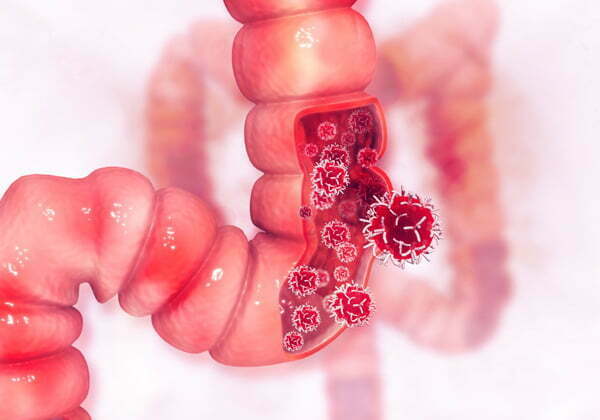
Gastrointestinal cancers comprise a diverse group of malignancies affecting organs involved in digestion, including the esophagus, stomach, small bowel, colon, rectum, pancreas, liver, bile duct, gallbladder, appendix, and anus. These cancers vary widely in their characteristics and treatment needs, with common types being colorectal, pancreatic, gastric, and esophageal cancers, among others.
Challenges in Treating Complex GI Cancers
Treating GI cancers presents several difficulties due to their often hidden locations and complex biological behaviors. Many are diagnosed at advanced stages because symptoms can be vague or non-specific, complicating timely detection. These tumors often involve hard-to-reach areas and diverse molecular profiles, necessitating precise diagnosis. Additionally, some GI cancers are immunologically "cold," limiting the effectiveness of immunotherapies. The high potential for spread and recurrence highlights the need for advanced treatment strategies that combine surgery, chemotherapy, radiation, and newer targeted or immune-based therapies.
Importance of Multidisciplinary Care
Given the complexities, comprehensive care for GI cancers relies on a multidisciplinary team approach. This team typically includes surgical oncologists, medical oncologists, radiation oncologists, gastroenterologists, radiologists, pathologists, nutritionists, and supportive care specialists. Such collaboration allows for personalized treatment plans that integrate the latest surgical techniques like minimally invasive and robotic surgeries, state-of-the-art medical therapies including chemotherapy, immunotherapy, and targeted drugs, as well as advanced radiation methods. Multidisciplinary care ensures coordinated decision-making to optimize outcomes, manage symptoms, and improve the quality of life for patients facing complex GI cancers.
Multidisciplinary Care and Advanced Diagnostic Techniques

Role of multidisciplinary teams in personalized treatment planning
Gastrointestinal (GI) cancer treatment thrives on a multidisciplinary approach that involves surgeons, medical oncologists, radiation oncologists, radiologists, pathologists, and other specialists working collaboratively. This team coordinates to develop personalized treatment strategies that consider the cancer type, stage, patient age, health condition, and preferences. Such coordination improves decision-making for complex surgeries, chemotherapy, radiation, and emerging therapies like immunotherapy and targeted drugs. Multidisciplinary tumor boards ensure comprehensive evaluation and optimize outcomes through tailored care plans.
Use of diagnostic tools such as endoscopic ultrasound, laparoscopy, CT, PET, MRI
Advanced diagnostic imaging and minimally invasive procedures are essential in accurately staging and characterizing GI cancers. Endoscopic ultrasound (EUS) allows detailed visualization and biopsy of tumors in the esophagus, stomach, pancreas, and bile ducts. Laparoscopy is used both diagnostically and surgically to assess cancer spread and obtain tissue samples. Cross-sectional imaging modalities such as computed tomography (CT), positron emission tomography (PET), and magnetic resonance imaging (MRI) provide vital information about tumor size, location, lymph node involvement, and distant metastasis. These diagnostics guide treatment planning and surgical approach selections.
Importance of genetic testing and molecular profiling for tailored therapies
Genetic testing and molecular profiling identify hereditary cancer risks and tumor-specific mutations or biomarkers that influence treatment choices. Testing for mutations like BRCA and markers such as microsatellite instability (MSI) or PD-L1 expression helps select patients for targeted therapies or immunotherapies. Molecular profiling enables the use of drugs targeting specific pathways, such as HER2 inhibitors in gastric cancer or immune checkpoint inhibitors in MSI-high colorectal tumors. Personalized treatment informed by genomic data is critical for improving efficacy and minimizing unnecessary toxicity in GI cancer care.
Surgical Innovations and Techniques in Gastrointestinal Cancer Treatment

What are minimally invasive laparoscopic and robotic surgeries in GI cancer?
Minimally invasive surgeries, including minimally invasive laparoscopic GI surgery and robotic GI cancer surgery, have revolutionized Gastrointestinal cancer treatments. These techniques use small incisions and advanced instruments, often controlled by surgeons via robotic systems like the Da Vinci platform. Benefits include less postoperative pain, quicker recovery, smaller scars, and reduced complications compared to traditional open surgery. These approaches are applied in procedures such as colectomies, gastrectomies, and pancreatectomies.
What are complex surgical procedures used for GI cancers?
Several GI cancers require complex gastrointestinal surgeries for a potential cure, including:
- Whipple procedure (pancreaticoduodenectomy): A major surgery removing the pancreas head, part of the small intestine, bile duct, gallbladder, and sometimes part of the stomach, often with vascular reconstruction.
- Esophagectomy: Removal of part or all of the esophagus followed by reconstruction.
- Gastrectomy: Partial or total removal of the stomach depending on tumor extent.
These surgeries demand high surgical skill and experience due to their complexity and perioperative risks.
What are emerging surgical adjuncts enhancing GI cancer surgery?
Innovative adjuncts combined with surgery are improving outcomes:
- Hyperthermic Intraperitoneal Chemotherapy (HIPEC): Delivers heated chemotherapy directly into the abdominal cavity after tumor removal, targeting microscopic disease with fewer systemic side effects.
- CyberKnife radiation: A targeted, high-precision radiation therapy used primarily for pancreatic and other GI tumors, often when surgery isn't feasible or as adjunct therapy.
- NanoKnife System: Uses electrical pulses to destroy localized tumors in the pancreas and liver non-invasively without damaging critical surrounding structures.
Why is treatment at high-volume specialized surgical centers important?
High-volume centers with specialized multidisciplinary GI cancer care teams achieve better outcomes for GI cancer surgeries. For example, centers performing multiple Whipple procedures annually—often five times the recommended minimum—demonstrate lower complication rates and improved survival. Expertise, access to comprehensive diagnostic tools, clinical trials, and perioperative care protocols contribute to superior patient outcomes.
Together, these surgical innovations and specialized approaches form the backbone of effective Gastrointestinal cancer treatments, improving survival and quality of life.
Medical Oncology: Chemotherapy, Targeted Therapy, and Neoadjuvant Approaches
What chemotherapy regimens are used for gastrointestinal cancers?
Chemotherapy is a mainstay of treatment for various GI cancers. Regimens vary by cancer type:
- FOLFIRINOX (combining fluorouracil, leucovorin, irinotecan, and oxaliplatin) is frequently used in unresectable or advanced pancreatic cancer due to its potency.
- FLOT (5-fluorouracil, leucovorin, oxaliplatin, docetaxel) is a standard perioperative chemotherapy for gastric and gastroesophageal cancers and has recently been combined with immunotherapy (durvalumab) for improved outcomes.
- Gemcitabine-based therapies are commonly used in pancreatic cancer and sometimes combined with nab-paclitaxel, offering treatment options for inoperable cases.
Chemotherapy regimens for pancreatic cancer and Gastrointestinal cancer chemotherapy provide comprehensive information on these regimens.
Which targeted agents are utilized in GI cancer treatment?
Targeted therapies aim to inhibit specific molecules involved in tumor growth:
- Imatinib, sunitinib, and nilotinib are key for gastrointestinal stromal tumors (GISTs), effectively controlling tumor growth and extending survival.
- Erlotinib targets the EGFR pathway and is approved for pancreatic cancer treatment.
- HER2-directed therapies such as trastuzumab and trastuzumab deruxtecan (Enhertu) are used for HER2-positive gastric cancer.
These agents enhance treatment specificity and often have more favorable side effect profiles than traditional chemotherapy.
Details on Targeted drug therapies for GISTs and Targeted therapies for stomach cancer expand on these treatment options.
How is neoadjuvant therapy used in gastrointestinal cancers?
Neoadjuvant therapy, given before surgery, aims to shrink tumors and improve surgical outcomes. For example, patients with resectable gastric or gastroesophageal cancer often receive chemotherapy (e.g., FLOT) and now immunotherapy combination treatments (e.g., durvalumab) before surgery, increasing event-free survival rates.
Neoadjuvant approaches help make previously unresectable tumors operable and reduce the risk of recurrence.
Learn more about Neoadjuvant therapy for GI cancer and Imfinzi with FLOT chemotherapy.
What is the role of clinical trials?
Clinical trials are vital for providing access to the latest therapies and advancing treatment standards. Many centers offer patients participation in trials evaluating new chemotherapy regimens, targeted agents, and immunotherapies. For example, some trials tested regorafenib or combination immunotherapies, paving the way for approvals and personalized therapy options.
Clinical trials enable patients to benefit from cutting-edge therapeutic advances in gastroenterology oncology.
Explore ongoing research and trials at MSK clinical trial on immunotherapy and Gastrointestinal cancer clinical trials.
Role and Advances in Immunotherapy for Gastrointestinal Cancers

How are immune checkpoint inhibitors used in gastrointestinal cancer treatment?
Immune checkpoint inhibitors (ICIs) such as durvalumab, nivolumab, and pembrolizumab have transformed immune checkpoint inhibitors in GI cancers. These agents target proteins like PD-1 and PD-L1 to reinvigorate anti-tumor immune responses. For example, durvalumab (IMFINZI) combined with chemotherapy was FDA-approved for perioperative treatment of resectable gastric and gastroesophageal junction cancers, significantly reducing recurrence risk and improving survival.
What is the significance of perioperative immunotherapy in gastric and gastroesophageal cancers?
The MATTERHORN Phase III trial demonstrated substantial benefits of adding durvalumab to standard FLOT chemotherapy before and after surgery. This perioperative immunotherapy approach improved event-free survival by 29% and overall survival by 22%, marking a new standard of care that includes neoadjuvant and adjuvant immunotherapy alongside surgery.
What adoptive cell therapies are emerging for GI cancers?
Adoptive cell therapies like CAR-T cells and tumor infiltrating lymphocyte (TIL) therapy are under active research. CAR-T therapies targeting tumor antigens such as CLDN18.2 have shown encouraging tumor shrinkage in gastric cancers, while selected TIL therapy combined with pembrolizumab yielded significant responses in metastatic GI cancers including pancreatic cancer. These cell-based therapies enhance immune targeting of tumor cells.
What challenges limit immunotherapy effectiveness in GI cancers?
Many GI tumors, notably pancreatic cancer, are "immune-cold," meaning they have low immune cell infiltration and are resistant to ICIs. This limits efficacy of current immunotherapies. Overcoming the immunosuppressive tumor microenvironment and tumor heterogeneity remains a major hurdle requiring combination and novel therapies, as discussed in challenges in immunotherapy for GI cancers.
Which innovative immunotherapy strategies are being explored?
Emerging approaches include cancer vaccines for GI cancers, and oncolytic viruses in immunotherapy engineered to lyse cancer cells and stimulate immunity. Trials exploring these therapies aim to boost responses in resistant tumors. Continued advancements in biomarker-driven treatments and combination immunotherapies hold promise for expanding immunotherapy benefits in GI cancers.
Radiation Therapy Innovations in Treating Gastrointestinal Tumors
What is Stereotactic Ablative Radiotherapy (SABR/SBRT) and how is it used for liver and anal cancers?
Stereotactic Ablative Radiotherapy (SABR), also known as Stereotactic Body Radiotherapy (SBRT), is a highly precise form of radiation therapy that delivers very high doses of radiation to tumors from multiple angles. This technique minimizes exposure to surrounding healthy tissue.
In gastrointestinal cancers, SABR for anal and liver cancers is effective for treating liver tumors and anal cancers, allowing for targeted destruction of cancer cells with fewer side effects. UT Southwestern Medical Center and other leading cancer centers are pioneers in offering SABR as part of tailored treatment plans, especially for patients who cannot undergo surgery.
What are Proton Therapy and Selective Internal Radiation Therapy (SIRT)?
Proton therapy uses charged particles instead of traditional X-rays, allowing for even more precise delivery of radiation that spares healthy organs adjacent to tumors. This is particularly valuable in Complex gastrointestinal cancers treatment where tumors can be close to vital structures.
Selective Internal Radiation Therapy (SIRT), also called radioembolization, delivers radioactive microspheres directly into the blood vessels feeding liver tumors. This approach combines targeted radiation and embolization, providing a localized attack on tumors with less systemic toxicity.
Centers like the University of Maryland Greenebaum Comprehensive Cancer Center (UMGCCC) offer proton therapy and SIRT as cutting-edge treatment options in multimodal therapies.
How is radiation therapy integrated with chemotherapy (chemoradiotherapy)?
Combining radiation therapy with chemotherapy, known as chemoradiotherapy or trimodal therapy (with surgery), enhances treatment effectiveness by sensitizing cancer cells to radiation and addressing microscopic disease.
Chemoradiation for anal cancer and other GI cancers is commonly used in anal cancer and certain locally advanced gastrointestinal tumors, improving outcomes by shrinking tumors before surgery or controlling disease when surgery is not feasible.
What are the benefits of precision radiation techniques like IMRT and image guidance?
Intensity-Modulated Radiation Therapy (IMRT) shapes radiation beams to conform closely to tumor shapes, minimizing damage to healthy tissues. Image guidance techniques, including 4-D CT simulation and respiratory management, enable real-time tumor targeting during treatment.
These advances reduce side effects and improve tumor control by ensuring accurate dose delivery. The ASTRO clinical guideline on radiation therapy for gastric cancer highlights these as standard care, particularly in gastric and rectal cancer treatments.
Overall, modern radiation therapies incorporate precision, targeting, and combination approaches to optimize Gastrointestinal (GI) cancer treatments while preserving patient quality of life.
Supportive, Palliative Care and Patient-Centered Approaches

How is symptom management and quality of life addressed in gastrointestinal cancer care?
Effective symptom management is crucial for improving the quality of life in gastrointestinal (GI) cancer treatments patients, especially those with advanced disease. Treatments focus on relieving symptoms such as pain, obstruction, and nutritional deficits using both medical and procedural interventions. Pain management strategies include pharmacological approaches combined with complementary therapies to enhance comfort.
What nutrition, psychosocial support, and rehabilitation services are available?
Nutrition services provide tailored dietary plans to address weight loss and malnutrition common in Gastrointestinal cancer treatments. Psychosocial support helps patients and families cope with emotional and psychological challenges of cancer treatment. Rehabilitation services aid recovery post-surgery and help maintain functional independence.
What palliative procedures are used for advanced GI cancers?
Palliative procedures play a vital role in symptom relief. Endoscopic stenting helps alleviate blockages in the digestive tract, while gastrectomy may be used both for symptom control and tumor burden reduction. Pain management includes nerve blocks and Radiation therapy for gastrointestinal cancer for symptom control in advanced cancers.
How do nurse navigators enhance GI cancer patient care?
Nurse navigators coordinate care from diagnosis through treatment, reducing delays and improving patient satisfaction. They provide education, emotional support, and streamline multidisciplinary treatment planning to ensure patients receive timely, comprehensive, and personalized care.
These patient-centered supportive and palliative care approaches aim to optimize comfort, functionality, and overall well-being throughout the Gastrointestinal cancer treatment journey.
Emerging Trends and Future Directions in Gastrointestinal Cancer Treatment
How is molecular profiling influencing GI cancer treatment?
Molecular profiling has become a cornerstone in personalizing care for gastrointestinal (GI) cancers. By identifying specific genetic mutations and biomarkers like KRAS, MSI-H, and PD-L1, clinicians tailor therapies to target the unique characteristics of each tumor. This precision medicine approach optimizes treatment effectiveness while minimizing unnecessary side effects.
What role does circulating tumor DNA (ctDNA) play in treatment monitoring?
Circulating tumor DNA analysis offers a non-invasive method to monitor tumor dynamics in real time. This approach enables early detection of treatment response or resistance, allowing physicians to adapt therapies promptly and improve clinical outcomes. See Progress in gastrointestinal oncology: 5 key insights.
How are combination therapies enhancing treatment efficacy?
Because GI tumors often develop resistance to single agents, combining treatments such as chemotherapy, immune checkpoint inhibitors, and targeted therapies is proving effective. For example, merging immunotherapies with chemotherapy has improved survival rates in colorectal and gastric cancers by overcoming tumor immune evasion and drug resistance mechanisms. For a detailed overview, visit Comprehensive review on digestive cancers.
What novel agents are being developed for GI cancers?
Cutting-edge drugs like pan-RAS inhibitors show promise in targeting historically undruggable mutations in pancreatic ductal adenocarcinoma. Additionally, multi-immunotherapy strategies including CAR-T cells, tumor infiltrating lymphocytes (TILs, and new checkpoint inhibitors are in active clinical trials, aiming to elicit stronger and more durable anti-tumor responses. Learn more about Cell-based therapies and immunotherapy advances in GI cancers and TIL therapy developments.
How is global collaboration expanding clinical trial networks?
Global partnerships enhance clinical trial diversity and accelerate the development of innovative treatments. Institutions are conducting large-scale, multicenter trials worldwide to test novel agents and combinations, ensuring rapid translation of breakthroughs from research to patient care. Explore Multinational efforts and advancements in GI oncology clinical trials.
Together, these advances herald a new era in gastrointestinal oncology, focusing on precision, adaptability, and collaboration to improve patient outcomes and survival.
Transforming Outcomes with Integrated and Innovative Care for GI Cancers
Multidisciplinary and Personalized Care
Gastrointestinal (GI) cancers are complex conditions requiring a coordinated approach among surgeons, medical oncologists, radiation therapists, genetic counselors, and specialized nursing staff. This integrated care model ensures individualized treatment plans tailored to the patient’s cancer type, stage, genetic profile, and overall health. Combining traditional surgery, chemotherapy, and radiation with personalized targeted therapies and immunotherapy enhances treatment effectiveness and helps manage side effects.
Embracing Clinical Trials and Emerging Therapies
Patients are encouraged to actively participate in clinical trials, accessing cutting-edge interventions not yet widely available. Research into novel immunotherapies, cellular treatments like TIL and CAR-T, molecularly targeted agents, and innovative radiation techniques holds promise to overcome resistance and improve long-term outcomes. Leveraging new insights from genomic profiling and tumor biology allows precise treatment selection and improved responses.
A Vision for the Future
Ongoing advancements in minimally invasive surgeries, immune checkpoint inhibitors, combination regimens, and personalized medicine are shaping a hopeful future for GI cancer patients. Enhanced survival rates, better quality of life, and reduced recurrence are achievable goals as multidisciplinary teams continue to innovate and refine therapies. Patient-centered care with comprehensive support systems ensures holistic treatment and optimizes outcomes in the fight against GI cancers.
.png)
.png)