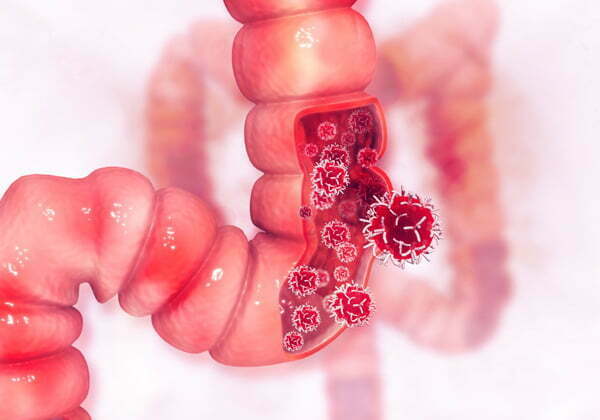
.png)


Nausea during cancer treatment often hits at the worst times. It can start in the car on the way to infusion, build during a chemotherapy session, or linger at home when you're trying to sleep, eat, or feel like yourself again. For many patients, the hardest part isn't just the stomach upset. It's the loss of control.
That's why I often discuss acupressure as part of supportive cancer care. It isn't a replacement for prescribed anti-nausea medication, and it isn't a cure-all. What it can be is a practical, low-risk technique you can use with your own hands, in real time, whether you're receiving chemotherapy, immunotherapy, targeted treatment, or recovering between visits.
Navigating Nausea During Cancer Treatment
A common scene in oncology practice looks like this. A patient has the right prescriptions, has followed instructions, and still feels unsettled. Food smells wrong. Water is hard to tolerate. Even thinking about the next treatment can trigger a wave of queasiness.
That experience is real, and it's exhausting. Nausea can affect appetite, hydration, sleep, energy, and mood. It can also make people feel isolated, especially when the symptom comes and goes unpredictably.
Why patients look for another tool
When nausea shows up despite a good medication plan, patients usually want one thing. Something they can do immediately. That's where anti nausea pressure points can be useful.
Acupressure uses firm pressure on specific body points, most often on the inner wrist, to help calm nausea signals and settle the digestive system. In practice, I frame it as an adjunct. It works alongside modern oncology care, not outside it. If you'd like more background on how nausea fits into the broader cancer experience, this overview of cancer and nausea is a helpful companion.
Practical rule: If nausea is interfering with drinking fluids, keeping medications down, or getting through treatment, use every appropriate tool early. Waiting until symptoms become severe usually makes them harder to control.
How this fits into an oncology plan
For patients receiving chemotherapy, acupressure is often most useful before symptoms peak. For patients on immunotherapy or targeted therapy, it may help during stretches of low-grade, persistent queasiness that doesn't always justify more medication but still wears you down.
What works well in clinic is a layered approach:
- Medication first when prescribed: Anti-emetics remain a core part of supportive care.
- Acupressure as a self-management tool: It gives patients something active to do between doses and between visits.
- Timing and observation: Use it when symptoms begin, before known triggers, and after treatment if delayed nausea tends to show up.
- Communication with your care team: New nausea patterns still need medical attention, especially if they're severe or accompanied by pain, fever, dizziness, or dehydration.
The benefit of acupressure isn't only symptom relief. It also gives patients a sense of participation in their own care. That matters more than many people realize.
Locating and Using the P-6 Pressure Point
A patient in our NYC infusion suite once described a familiar problem. The anti-nausea medication was helping, but the subway ride home still brought on a wave of queasiness. P-6 is the wrist point I usually teach first for exactly that situation, because patients can use it discreetly in the chair, in the car, or walking into treatment.
P-6, also called Neiguan, is the acupressure point with the strongest track record for nausea and vomiting. Research in postoperative care has found benefit comparable to standard antiemetic medication in some settings. In oncology, I present it more carefully. It is a useful adjunct, not a replacement for the medications we prescribe during chemotherapy, immunotherapy, or radiation-related symptom care.
A visual guide can make the hand position much easier to understand:
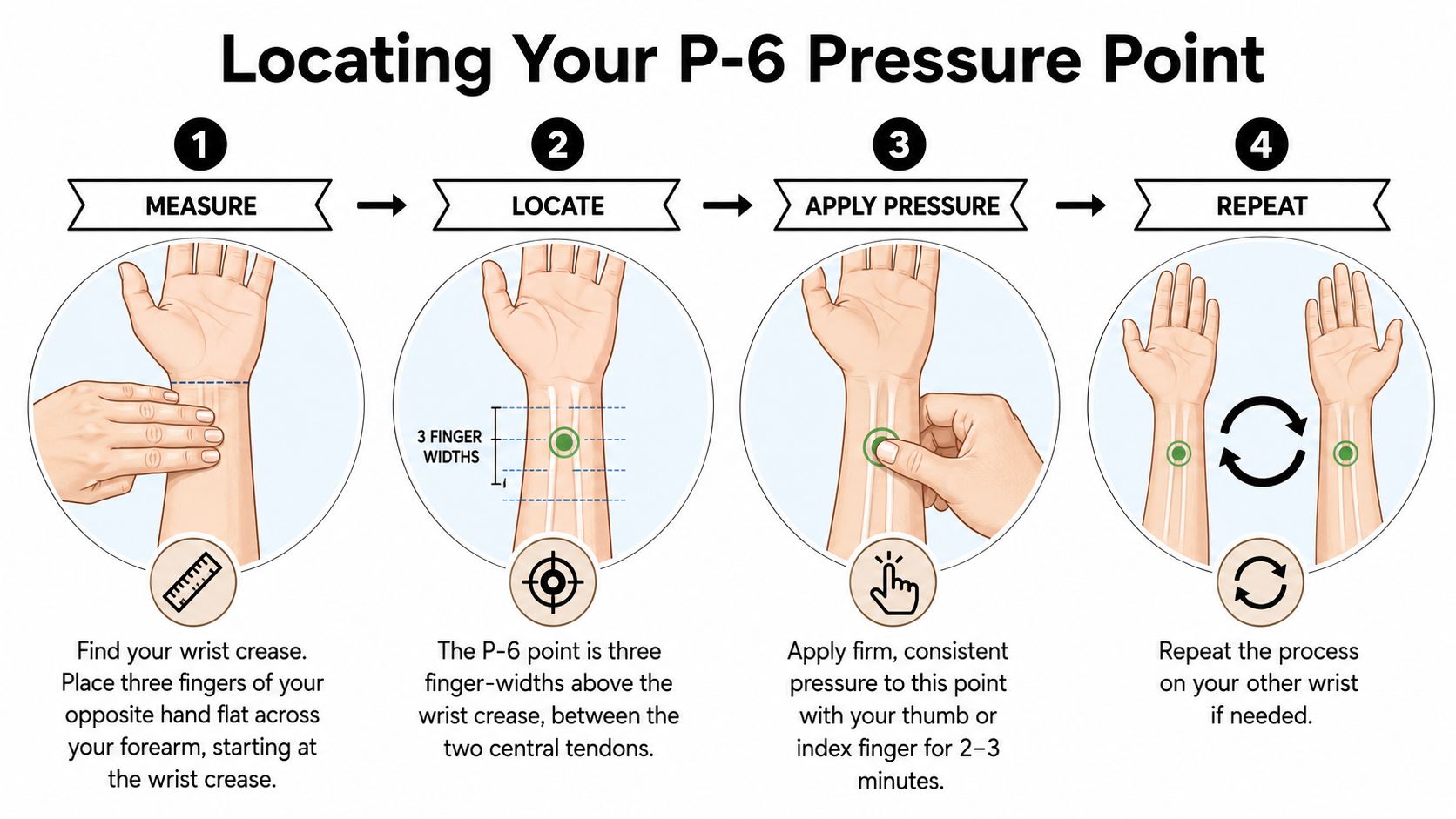
How to find the point
Turn one hand palm-up. Place the first three fingers of your other hand across the inside of the wrist, starting at the wrist crease. Just below the edge of that third finger, look in the center of the inner forearm for a small groove between two tendons, as shown in the NHS guidance on using pressure points to relieve nausea.
That groove is P-6.
Three details make the biggest difference:
- Measure from the wrist crease. Starting too far up the forearm is the most common mistake.
- Keep the palm facing up. The tendons usually become easier to feel in that position.
- Check for mild tenderness. Many patients notice a dull, slightly sore sensation when they are on the right spot.
If you have trouble finding the tendons, bend the wrist slightly or bring the fingers upward for a moment. That often makes the anatomy easier to feel.
How to apply pressure correctly
Use your thumb or index finger to press the point firmly. Aim for steady pressure that feels achy or full, not sharp. Hold for 2 to 3 minutes on one wrist, then repeat on the other side. A small circular motion is fine, but a simple sustained press works well too.
Accuracy matters more than force.
Patients sometimes assume harder pressure will work better. In practice, pressing too aggressively usually makes the area sore and less tolerable, especially for patients who are already fatigued, dehydrated, or neuropathic from treatment. Gentle, consistent technique is more useful.
For some people, wristbands are a practical option between visits or during a long commute across the city. Others prefer using their fingers because they can adjust the pressure more precisely. Both approaches are reasonable if the point placement is correct. If you are also looking for natural ways to support digestive comfort, keep the goals modest and make sure any home strategy fits safely with your cancer treatment plan.
When to use it
Timing changes the experience. In clinic, I usually see better results when patients use P-6 early.
- Before treatment: Helpful if nausea or anticipatory anxiety starts on the way to infusion.
- During treatment: Useful when mild queasiness begins rather than waiting for it to build.
- After treatment: A good option when symptoms predictably show up later that day or overnight.
- Before meals: Some patients find it easier to tolerate small amounts of food after a short session.
Here's a short demonstration if you'd like to see the wrist position in motion:
What patients often get wrong
Technique usually explains why P-6 seems ineffective at first.
| Common problem | What to change |
|---|---|
| Pressing too hard | Use firm pressure that stays comfortable. |
| Wrong location | Re-measure from the wrist crease with three fingers. |
| Stopping too soon | Stay with the point for the full 2 to 3 minutes. |
| Treating only one wrist | Use both sides. |
| Waiting for severe nausea | Start at the first sign of symptoms or before a known trigger. |
If P-6 does not help, or if nausea is suddenly worse than usual, treat that as a medical issue, not a technique failure. In our oncology practice, that can signal dehydration, constipation, infection, medication side effects, or treatment-related inflammation that needs prompt attention.
Other Pressure Points for Digestive Calm
P-6 is the main point I recommend first. Once you're comfortable with it, two other points can round out the approach when nausea comes with bloating, poor appetite, tension, or generalized discomfort.
ST36 for steadier digestion
ST36, also called Zusanli, is used in traditional practice to support digestion and overall stamina. It sits below the kneecap, slightly to the outside of the shin bone.
To find it, place your fingers just below the kneecap and move outward from the shin. Press into a spot that feels sensitive but not sharply painful. Use steady pressure for a short period on each leg.
I don't present ST36 as a substitute for P-6 in nausea care. I think of it as complementary. Patients who describe a “weak stomach” feeling, low appetite, or digestive fatigue sometimes find it useful as part of a broader routine.
LI4 for discomfort that travels with nausea
LI4, or Hegu, sits in the fleshy web space between the thumb and index finger. This point is often used for general discomfort, tension, and headaches that can accompany nausea.
Apply firm pressure into the muscle of that webbed area, then release slowly. If nausea is tied to stress, headache, or a whole-body “off” feeling, LI4 may be worth trying along with wrist acupressure.
Avoid LI4 during pregnancy unless a qualified clinician specifically tells you otherwise.
When secondary points are worth adding
I usually tell patients to keep the strategy simple:
- Choose P-6 first: It remains the most reliable point for nausea itself.
- Add ST36 when digestion feels sluggish: This is the point I'd consider for bloating or low appetite.
- Add LI4 when nausea comes with headache or tension: It may be more useful for the pattern around the nausea than the stomach sensation alone.
You don't need a complicated routine. Two or three well-used points are more practical than memorizing many.
Some people also like to combine acupressure with food changes, warm fluids, or other natural ways to support digestive comfort. That kind of layered approach can be reasonable, as long as it stays grounded in your oncology team's guidance and doesn't interfere with treatment.
The Clinical Evidence for Acupressure in Oncology
Patients deserve more than folklore when they're dealing with treatment-related nausea. The reason P-6 acupressure has a place in oncology conversations is that it has been studied in real clinical settings, including cancer care.
One of the most relevant findings for oncology comes from a study of 160 women undergoing chemotherapy for breast cancer. In that study, applying acupressure to the P6 point significantly reduced delayed chemotherapy-induced nausea and vomiting compared with standard anti-emetic medication alone, and patients reported lower nausea severity at 8, 16, and 24 hours post-admission, as summarized by Cancer Treatment Centers of America's review of pressure points for nausea and vomiting.
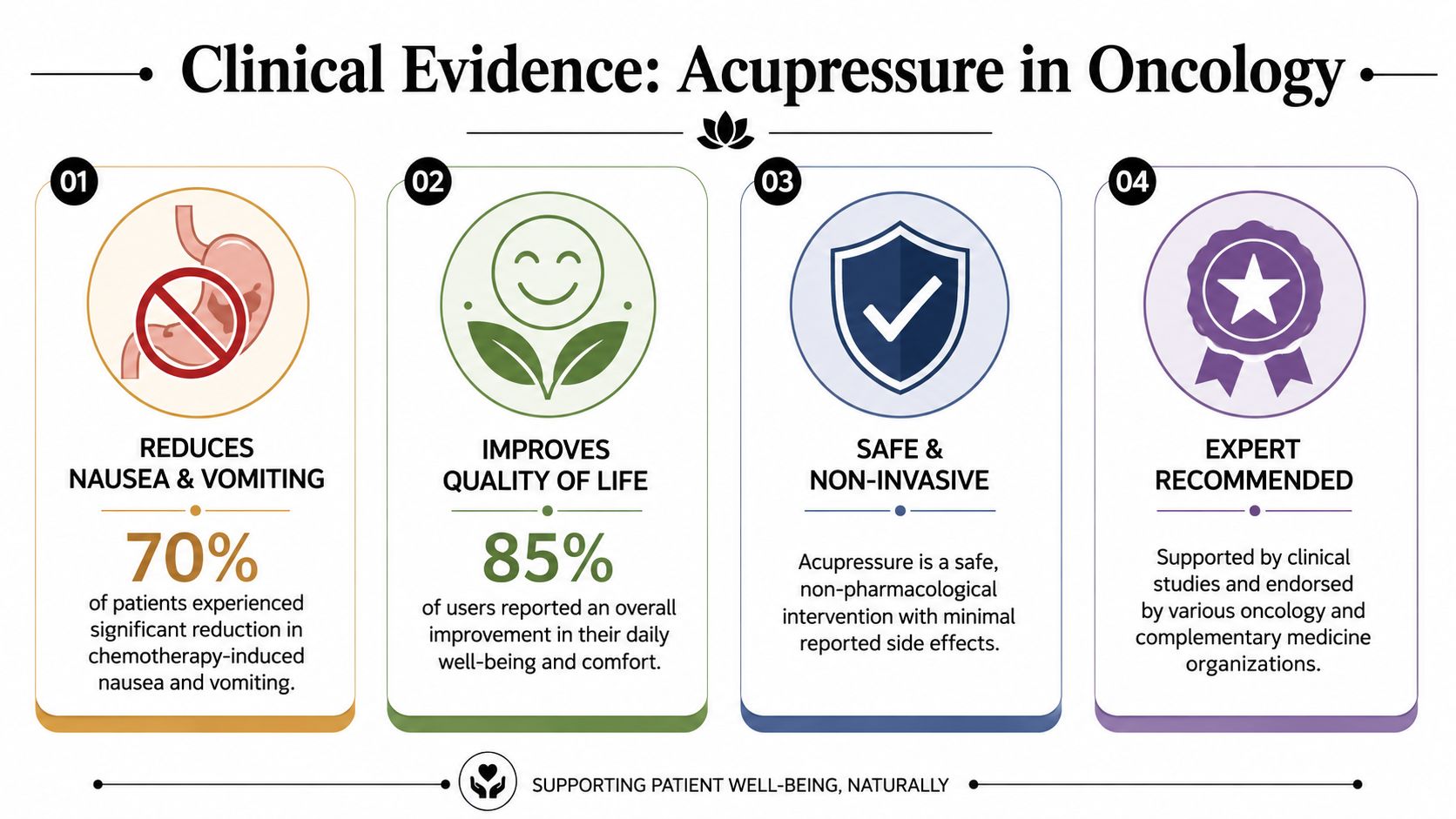
What that means in plain language
That result matters for a simple reason. It suggests acupressure can help with the kind of nausea that often shows up after treatment, when patients are back home and trying to manage symptoms between scheduled doses of medication.
At the point of application, many non-drug techniques either prove useful or fall away. Acupressure remains practical because patients can do it on their own, repeat it easily, and use it at the moment symptoms begin.
Where it fits in modern treatment
In a New York oncology practice, nausea management has to match the treatment pattern in front of us. A patient receiving low-dose chemotherapy may have a different symptom rhythm than someone on immunotherapy or a targeted regimen. The role of acupressure is not to replace individualized prescribing. It's to add a non-invasive option that can be used before, during, and after treatment.
Useful applications include:
- Anticipatory nausea: When symptoms begin before arriving at the infusion center.
- Breakthrough nausea: When discomfort appears between medication doses.
- Delayed nausea: When symptoms worsen later in the day or the next morning.
- Longer treatment days: When patients want another coping tool that doesn't add sedation.
For some people, scent-based approaches also become part of a broader comfort routine. If you're curious about that category, this guide to ginger essential oil benefits offers background on one option patients often ask about. I still advise keeping those approaches secondary to prescribed anti-emetics and evidence-based techniques like P-6 acupressure.
Why evidence matters for quality of life
What I like about acupressure in oncology is not that it's alternative. It's that it's practical, teachable, and compatible with standard care. Patients don't need to choose between medication and self-care. They can use both.
For patients who want a broader view of supportive strategies, this article on mind-body interventions in oncology puts acupressure in the larger context of symptom management and quality of life.
Tips for Making Acupressure More Effective
The biggest reason acupressure seems not to work is usually simple. The point isn't being pressed correctly, or it's being tried once, late, and under stress. Technique and timing matter.
Patients often assume more pressure means more benefit. It doesn't. If you press so hard that the area becomes sharply painful, you're more likely to tense the hand and forearm, stop early, and decide the method failed.
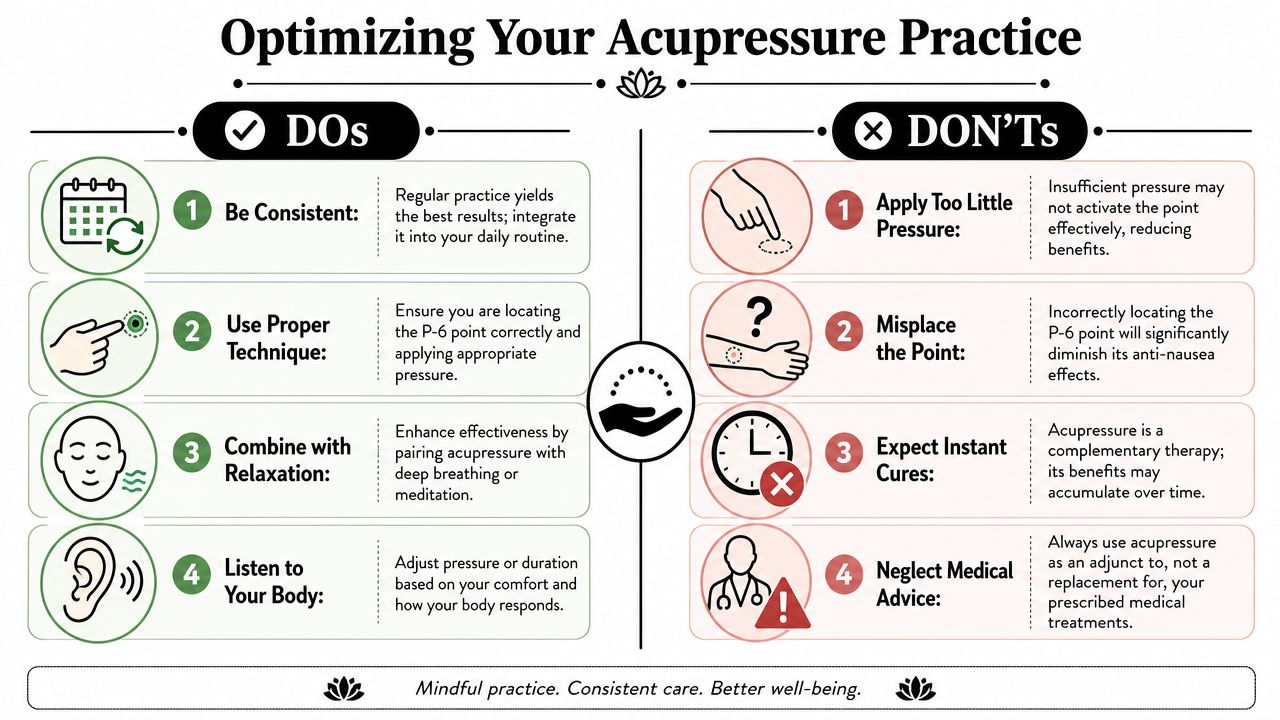
What usually improves results
I encourage patients to make a few adjustments before they give up on anti nausea pressure points:
- Use it early: Start before a meal, before the car ride, or at the first hint of queasiness.
- Stay consistent: If nausea follows a pattern after treatment, use acupressure at those same times for several days.
- Pair it with slow breathing: A calmer body often responds better than a braced, anxious one.
- Keep your shoulders and hands relaxed: Tension makes it harder to find and hold the point accurately.
The sensation you want is pressure with a mild ache. Pain is a sign to back off and reposition.
Wristbands and continuous stimulation
For patients with recurring nausea, acupressure wristbands can be easier than repeated hand pressure. These devices place a stud or bead over the P-6 area and provide ongoing stimulation while you rest, travel, or sit through infusion.
According to a summary on Breathe Strong CF's discussion of acupressure points for nausea and digestive support, wristbands with P-6 balls or electronic stimulators can provide continuous therapy, and this approach has been shown to reduce dependency on antiemetic drugs by up to 30% in some patient cohorts, while double-blinded trials confirm acupressure at P-6 reduces nausea severity and vomiting frequency.
That doesn't mean every patient should switch to a device. It means wristbands are worth considering when hands-on acupressure is hard to maintain.
Real trade-offs patients should know
Some patients love wristbands because they can wear them through an infusion visit or overnight. Others find them annoying, poorly positioned, or not snug enough to be useful. The practical test is simple. If the band lands over the correct point and feels tolerable, it may help. If it shifts constantly, it probably won't.
At our clinic, one option discussed in supportive care planning is Hirschfeld Oncology's recommendation of sea-bands or trained P-6 pressure before meals or treatment for some patients who want a non-drug addition to standard nausea management. That kind of recommendation works best when the patient already understands where the point is and what correct pressure feels like.
Partnering with Your NYC Oncology Team
Acupressure works best when it's part of a conversation, not a side project you keep to yourself. If you're in active cancer treatment in Brooklyn, Williamsburg, Bushwick, or elsewhere in New York City, your oncology team should know when nausea is happening, how often it's happening, and what you've tried.
That matters because nausea isn't always just “treatment nausea.” Sometimes it reflects dehydration, constipation, medication side effects, reflux, infection, anxiety, or disease-related changes that need direct medical attention. Supportive techniques help, but pattern changes need evaluation.
What to report to your doctor
Bring specifics to your next visit. General statements like “I feel sick sometimes” are much harder to act on than details.
Useful things to mention include:
- Timing: Is it before treatment, during infusion, later that night, or the next day?
- Triggers: Food smells, motion, anxiety, pills, or an empty stomach.
- What helps: Prescription medication, P-6 acupressure, wristbands, fluids, or small meals.
- What doesn't help: This is just as important.
- Whether you're keeping food and liquids down: That changes urgency.
If talking through symptoms feels hard, this resource on how to improve patient-doctor communication can help you organize what to say before an appointment.
A local, practical approach
Patients in New York often juggle treatment with long travel days, traffic, crowded waiting rooms, and compressed schedules. A self-directed technique like acupressure is useful partly because it travels with you. You can use it in the subway, in a rideshare, in the infusion chair, or at home at 2 a.m. when symptoms return.
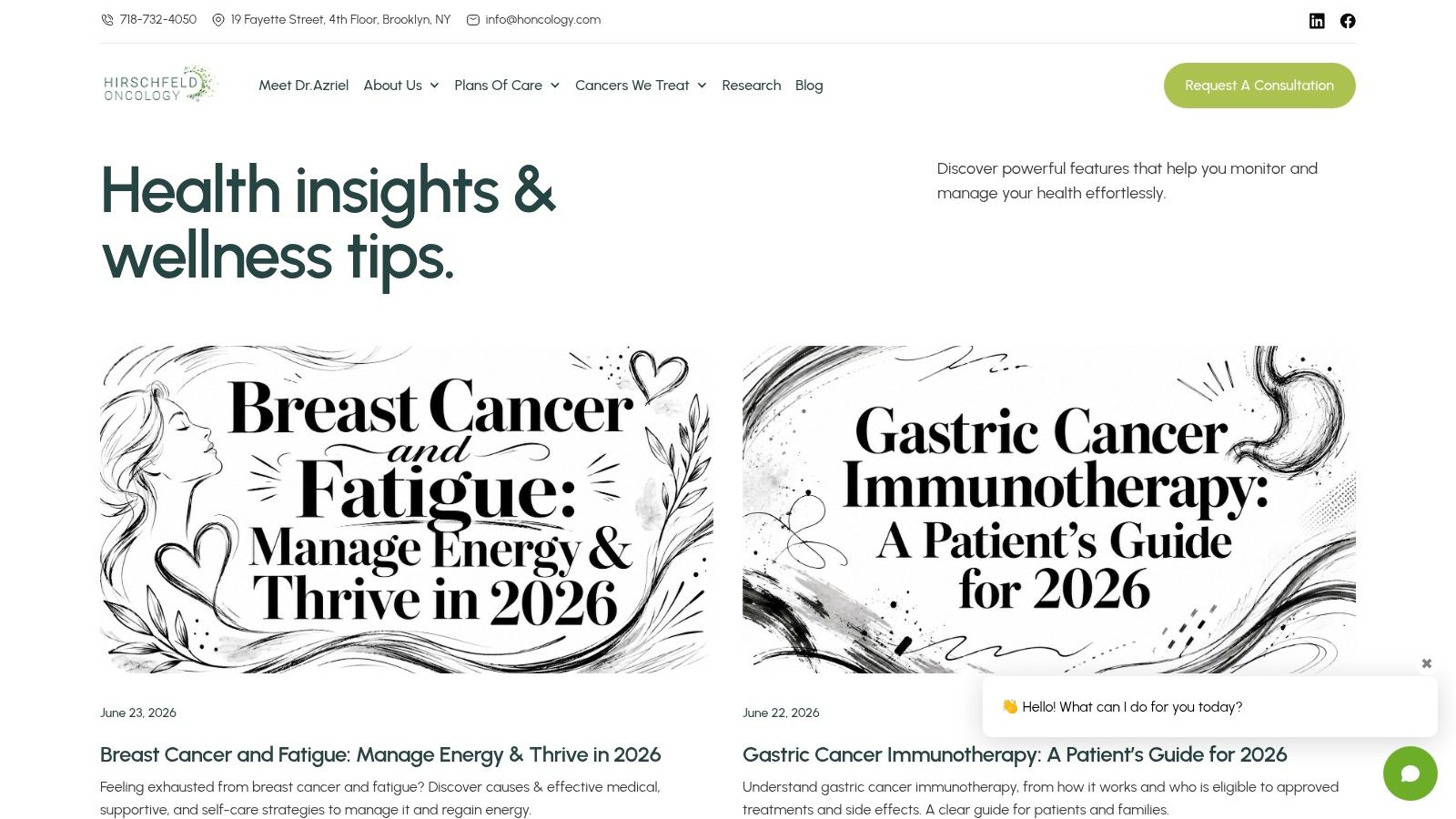
This screenshot from the practice blog points to broader supportive care topics patients often review between visits:
When you're preparing for a visit, it also helps to bring a short written list. These questions to ask your oncologist can make that discussion more productive, especially if nausea is affecting nutrition, hydration, or your willingness to continue treatment.
Acupressure belongs in that conversation. It's one tool. Sometimes it helps a little. Sometimes it helps meaningfully. Either way, the right place for it is inside a coordinated care plan.
If you'd like to talk through nausea, treatment side effects, and practical supportive options in a personalized way, Hirschfeld Oncology offers consultation and oncology care for patients across Brooklyn and New York City. Bring your symptom pattern, your medication list, and your questions. A good plan should fit both your treatment goals and your day-to-day life.
.png)
.png)