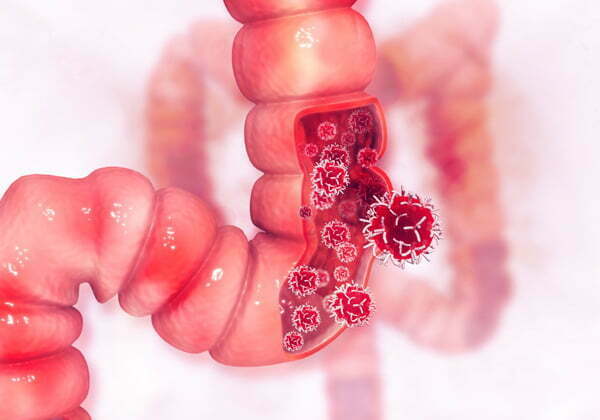
.png)


When you’re first diagnosed with cancer, you’re often bombarded with new and confusing terminology. Hearing a term like BRAF V600E mutation can feel like just another layer of complexity. But this isn't just medical jargon. Finding this specific genetic change in your cancer cells is actually a critical piece of information that can completely change your treatment plan for the better.
Simply put, a BRAF V600E result is what we call an "actionable mutation." It gives your oncology team a clear, specific target to aim for, opening the door to highly effective, modern therapies.
What a BRAF V600E Mutation Means for Your Cancer

Let’s break this down. Think of your body’s BRAF gene as a tightly controlled light switch. In a healthy cell, this switch is responsible for telling the cell when to grow and divide. It turns on when needed and, just as importantly, turns off when the job is done.
The V600E mutation is what happens when that switch breaks and gets stuck in the "on" position. A tiny, single error occurs—an amino acid called valine (V) gets swapped for glutamic acid (E) at a specific spot, position 600. This one tiny mistake sends a relentless, non-stop signal for the cell to multiply, which is what fuels the uncontrolled growth of cancer.
A Turning Point in Treatment Strategy
Identifying a BRAF V600E mutation is a major turning point. It helps us move away from more generalized treatments and toward a strategy that’s laser-focused on your cancer’s specific biology. The mutation isn't just the source of the problem; it also becomes the solution's target.
To simplify this powerful concept, here's a quick breakdown:
BRAF V600E Explained
This makes the BRAF V600E mutation a perfect example of a cancer biomarker—a biological clue that tells us exactly how to fight your specific cancer. By finding this genetic signature, your care team gets a direct look at the machinery driving the tumor's growth.
Why This Single Piece of Information Is So Important
Knowing your BRAF status shifts the entire conversation. We're no longer just asking, "What kind of cancer is it?" Instead, we can ask, "What is fueling this cancer, and how do we turn it off?"
This knowledge gives you and your oncologist several key advantages:
- Access to Precision Medicines: It immediately qualifies you for targeted drugs called BRAF inhibitors and MEK inhibitors, which are designed to shut down this exact growth pathway.
- A More Predictable Outlook: The presence of this mutation can sometimes give us clues about the cancer's likely behavior, helping your doctor create a more proactive treatment plan.
- A Truly Personal Plan: Most importantly, it allows your oncologist to design a strategy based on your tumor's unique genetic blueprint, not a one-size-fits-all approach.
Ultimately, learning you have a BRAF V600E mutation brings clarity. It transforms a complex genetic term into a direct and actionable path forward, guiding your team toward a more precise and effective treatment journey.
Which Cancers Are Driven by the BRAF V600E Mutation?
The BRAF V600E mutation isn't a one-size-fits-all problem; it shows up in some cancers far more often than in others. Think of it as a specific design flaw in a car's engine. It doesn't affect every model, but in the ones it does, it's almost always the direct cause of the breakdown.
When we find this mutation, we know it’s not just a passenger along for the ride—it's actively driving the cancer's growth. This is precisely why pinpointing which cancers harbor this mutation is so important. It helps us understand why genomic testing is no longer a "nice-to-have" but a fundamental part of mapping out a truly personal treatment strategy.
Malignant Melanoma: The Ground Zero for BRAF Targeting
Malignant melanoma, a serious type of skin cancer, is where the BRAF V600E story truly began. The discovery of its role in melanoma was a watershed moment that completely reshaped how we treat the advanced stages of this disease.
This specific mutation is found in about 40-50% of skin melanomas. That high frequency is what lit a fire under researchers to develop the very first BRAF-targeted drugs. They proved you could create a smart therapy that zeroes in on the mutated gene and effectively flips the "off" switch on its cancer-causing signal.
The BRAF V600E mutation is arguably one of the most common and clinically significant genetic markers in malignant melanoma. Research continues to reinforce its role, especially in advanced disease. For instance, a 2021 study of late-stage melanoma patients revealed that almost 39% had BRAF mutations. Of that group, an overwhelming 93.3% were the specific V600E variant. You can dive deeper into these findings on the BRAF mutation's role in melanoma.
Papillary Thyroid Cancer
Next up is papillary thyroid cancer, the most frequent form of thyroid cancer. While it typically comes with a very good prognosis, the presence of a BRAF V600E mutation can be a red flag, often signaling a more aggressive disease course.
We find this mutation in approximately 45% of papillary thyroid cancers. Clinically, its presence often correlates with larger tumors and a greater chance of the cancer spreading to nearby lymph nodes. Because of this, testing for BRAF V600E gives us critical prognostic information, helping us decide on the best surgical approach or whether we need to consider more intensive follow-up treatments.
Colorectal Cancer
Now, with colorectal cancer, the BRAF V600E story gets a bit more complicated. It’s less common, appearing in only about 8-12% of people with metastatic disease. Unfortunately, when this mutation is present in colorectal tumors, it’s often tied to a poorer outlook and resistance to standard chemotherapy regimens.
But knowing this is still incredibly useful. Identifying a BRAF V600E mutation here immediately tells the oncology team that a standard playbook won't work. We need a different strategy. Today, that often means using powerful combination targeted therapies to outsmart the tumor and open up new avenues for treatment.
Other Cancers with BRAF V600E Involvement
Beyond these three, BRAF V600E makes a critical appearance in several other cancers, driving home the point that we need to look for the mutation, not just the cancer's location.
- Non-Small Cell Lung Cancer (NSCLC): While found in just 1-3% of NSCLC cases (mostly adenocarcinomas), discovering a BRAF V600E mutation is a game-changer. It means the patient may be a candidate for targeted therapy instead of traditional chemotherapy.
- Hairy Cell Leukemia: In this rare and slow-growing blood cancer, the BRAF V600E mutation is found in nearly 100% of all cases. It's the defining genetic feature of the disease and the primary target for modern treatments.
- Langerhans Cell Histiocytosis (LCH): This is a rare disorder that acts like cancer, and the BRAF V600E mutation is identified in more than half of all patients. It's what powers the abnormal growth of the immune cells involved.
This diverse list really reinforces a central principle in modern oncology: a cancer's genetic fingerprint can be more important than where in the body it started.
How Doctors Test for the BRAF V600E Mutation
To figure out if a BRAF V600E mutation is fueling a tumor's growth, your oncology team needs to peek inside its genetic code. This process nearly always begins with a biopsy, where a small tissue sample is taken from the tumor. In some cases, a simple blood draw, often called a liquid biopsy, can also do the trick.
This sample is then sent off to a specialized lab. You can think of the lab technicians as detectives looking for a very specific clue—that single V600E spelling error in the massive BRAF instruction manual. They have several tools at their disposal, each with unique strengths for cracking the case.
Common Testing Methods
A few different tests can spot the BRAF V600E mutation. Some give us a quick answer, while others deliver a far more detailed report on the cancer’s entire genetic strategy.
Immunohistochemistry (IHC): This is often the first test we run. It uses a special antibody designed to stick only to the mutated BRAF V600E protein. If the lab technician sees the cells light up with a specific color under the microscope, it’s a very strong sign the mutation is there. It’s fast and cost-effective, giving us a clear "yes" or "no" answer relatively quickly.
Polymerase Chain Reaction (PCR): PCR is a much more sensitive method that works like a genetic photocopier. It zeros in on the exact DNA sequence containing the BRAF V600E typo and makes millions of copies. This amplification makes the mutation easy to spot, even if it's only present in a tiny fraction of the cells.
These initial tests are fantastic for confirming a suspected BRAF mutation. But to get the full story, oncologists often rely on an even more powerful technique.
Next-Generation Sequencing: The Gold Standard
Today, Next-Generation Sequencing (NGS) is the most comprehensive tool we have for genetic testing. Instead of just searching for one specific mutation, an NGS panel can scan hundreds of cancer-related genes all at once.
Think of it like this: IHC and PCR are like asking if a specific book, BRAF V600E, is in the library. NGS is like getting a complete catalog of every single book the library holds. It not only confirms the BRAF mutation but also reveals any other genetic changes that could be driving the cancer or might become important down the road.
This complete picture is what modern, personalized oncology is all about. An NGS report might confirm BRAF V600E but also uncover a second, less common mutation that could influence how you respond to certain drugs. Having this level of detail allows your oncologist to design a truly precise and proactive treatment strategy from day one. You can dive deeper into this topic in our guide on what molecular testing for cancer is and how it helps create these custom plans.
Ultimately, the right test depends on your specific cancer, the tissue available, and your oncologist’s expert judgment. But the goal is always the same: to understand exactly what is driving your cancer so we can hit it with the most effective therapy possible.
How Targeted Therapies Shut Down the BRAF V600E Signal
This is where the science of precision medicine truly shines. If you think of the BRAF V600E mutation as a faulty accelerator pedal stuck to the floor, then targeted therapies are the specialized tools designed to cut the fuel line and stop the engine from racing out of control.
These drugs are a world away from traditional chemotherapy. Instead of affecting all fast-growing cells in the body, they're built with a specific molecular target in mind. They are engineered to fit into the mutated BRAF protein like a custom key designed for a very specific, misshapen lock. By binding to that spot, they physically block the protein from sending its relentless "grow and divide" signals.
Of course, none of this is possible without first identifying the mutation. The journey from a simple tissue biopsy to a detailed genetic report is the foundation of this entire approach.

This process turns a small biological sample into an actionable roadmap, telling us exactly which molecular switches are flipped on and how we can best turn them off. It’s what allows us to move beyond one-size-fits-all treatments.
The Power of Combination Therapy: The One-Two Punch
Initially, oncologists fought this mutation with a single type of drug called a BRAF inhibitor, like dabrafenib or vemurafenib. These drugs were a game-changer and often led to dramatic and rapid tumor shrinkage. But cancer is resourceful. Over time, many tumors found clever ways to bypass this single blockade, reactivating the growth pathway through a different route.
This challenge led to a major breakthrough: combining a BRAF inhibitor with another targeted drug called a MEK inhibitor (like trametinib or cobimetinib). Imagine the growth signal pathway as a short series of falling dominoes.
- BRAF Inhibitors: These drugs stop the first domino (the mutated BRAF protein) from falling.
- MEK Inhibitors: These drugs stop the next domino in line (a protein called MEK).
By using both drugs at once, we create a much more robust and durable blockade. It’s a two-pronged attack that makes it significantly harder for the cancer to develop resistance. This combination approach is now the standard of care for most cancers with a BRAF V600E mutation, as it leads to better, longer-lasting responses.
Below is a look at the FDA-approved drug combinations that target the BRAF pathway, showing how they work together to fight cancer.
Key BRAF/MEK Inhibitor Combination Therapies
A look at the FDA-approved drug combinations that target the BRAF pathway, showing how they work together to fight cancer.
These combinations have become the cornerstone of treating BRAF-mutated cancers, offering a more powerful and lasting strategy to shut down the signals driving tumor growth.
You can learn more about how these and other precision medicines work in our detailed article on targeted therapy.
Navigating Side Effects and Treatment Resistance
While targeted therapies for the BRAF V600E mutation are remarkably precise, they're still powerful drugs that can cause side effects. Having a realistic picture of the road ahead is crucial for managing your treatment and protecting your quality of life.
Think of it this way: your medication is shutting down the cancer's main power source. But that same biological pathway also exists in your healthy cells, just humming along in a low-activity state. When the drug dampens that pathway everywhere, it can disrupt some normal functions and lead to side effects.
This is why open, honest communication with your oncology team is your best tool. We can manage these effects, but only if we know about them.
Managing Common Side Effects
The side effects from BRAF and MEK inhibitors can range from minor annoyances to more significant issues, but the good news is that most are well-understood and manageable. Your care team is your partner in navigating every one of them.
Some common challenges patients run into include:
- Fevers and Chills: It's quite common to get a high fever (pyrexia), sometimes with chills. Your doctor will likely have you pause the medication until the fever breaks, then restart, sometimes at a slightly lower dose.
- Skin Issues: Rashes, very dry skin, and becoming much more sensitive to the sun are frequent. High-SPF sunscreen, protective clothing, and good moisturizer aren't just suggestions—they need to become part of your daily routine.
- Fatigue: A deep, unusual tiredness is one of the most common complaints. It's so important to listen to your body. Balance rest with gentle activity and please tell your team if the fatigue is getting in the way of your life.
- Joint Pain: Aches and stiffness in your joints (arthralgia) can also pop up. Your doctor has plenty of ways to help, from supportive measures to specific medications for the discomfort.
The key is to report any new or worsening symptoms right away. Being proactive is the best way to keep small problems from turning into big ones.
Understanding and Overcoming Treatment Resistance
One of the biggest hurdles we face with targeted therapy is something called acquired resistance. This is when a cancer that was shrinking or stable suddenly starts to grow again. It can feel incredibly disheartening, but for oncologists, this is an expected development we plan for from the start.
Cancer cells are masters of adaptation. When you block their favorite growth highway (the BRAF V600E pathway), they start looking for a detour. Eventually, they might find a "backup" route to fuel their growth again. This isn't a failure—it's a signal that the cancer has evolved, and now our strategy needs to evolve, too.
So, what happens when resistance shows up? Your oncology team immediately shifts gears from treatment back to investigation. We need to figure out exactly how the cancer has learned to outsmart the current therapy.
This process usually involves a few key steps:
- Re-Testing the Tumor: We'll need a new sample. This might mean another biopsy of a growing tumor or a simple "liquid biopsy" blood test to analyze the cancer's DNA circulating in your bloodstream.
- Identifying the New Mechanism: That sample is sent for more genomic sequencing. Often, the results will pinpoint a new mutation or a different pathway the cancer has activated to create its escape route.
- Adjusting the Treatment Plan: Armed with this new intel, your oncologist can pivot. The next step might be switching to a different targeted drug, adding immunotherapy, or exploring a clinical trial for a therapy that specifically targets the cancer's new vulnerability.
This cycle of treating, monitoring, and re-evaluating is the heart of modern, personalized cancer care. It turns your treatment into a dynamic strategy that adapts right alongside the cancer, always aiming to stay one step ahead. If you find yourself in this situation, exploring clinical trials with us can also open doors to the next generation of therapies designed specifically to overcome resistance.
Your Guide to Discussing BRAF V600E with Your Doctor
Understanding that your cancer has a BRAF V600E mutation is a major turning point. A diagnosis can leave you feeling overwhelmed, but this specific piece of information gives you and your doctor a clear target to aim for. It’s your key to moving from a general diagnosis to a precise, personalized treatment strategy.
The goal now is to have a productive, focused conversation with your oncologist. You're no longer just a patient; you're an informed advocate for your own health. Walking into your next appointment with the right questions can make all the difference.
Your Appointment Checklist
Think of your next meeting with your doctor as a strategy session. You want to leave with a clear understanding of the road ahead and the options available to you.
Here’s a simple checklist to help guide that conversation:
Push for Comprehensive Genomic Testing: If you haven’t had it done yet, ask your doctor, “Can we run a Next-Generation Sequencing (NGS) panel to get a complete genetic map of the tumor?” This looks beyond just the BRAF V600E mutation and can uncover other markers that might influence your treatment.
Ask About Specific Targeted Therapies: Be direct. “Given my BRAF V600E status, what targeted therapies or combinations are approved for my type of cancer?” This opens the door to discussing powerful options like BRAF/MEK inhibitors.
Explore Clinical Trial Opportunities: Don't forget to ask, "Are there any clinical trials for BRAF-positive cancers that I could be a good fit for?" This is especially important if you're facing a rare cancer or if standard treatments have stopped working.
When you know what to ask, you change the dynamic. You become a collaborator in your own care, helping ensure that every decision is based on the most advanced science and what matters most to you.
Taking the Next Step in Your Cancer Journey
Putting together a plan to fight your cancer takes teamwork and a deep knowledge of the tumor's specific biology. This is especially true when dealing with a complex diagnosis or when first-line treatments haven't delivered the results you hoped for. The information you now have is the perfect starting point for that deeper conversation.
For patients in the New York City area who need this kind of specialized, molecularly-guided care, a second opinion can bring new clarity. A consultation can help you map out all your options, from FDA-approved targeted therapies to promising treatments being studied in clinical trials. Here at Hirschfeld Oncology, our Brooklyn-based team is dedicated to exactly this approach—designing treatment plans that attack the cancer’s vulnerabilities while always prioritizing your quality of life.
We invite you to request a consultation with our experienced team. Let's work together to build a path forward, one based on hope and driven by science.
Frequently Asked Questions About the BRAF V600E Mutation
Hearing the words BRAF V600E mutation can feel overwhelming, and it's completely normal to have a flood of questions. Understanding what this means is the first step toward feeling more in control of your treatment journey. Let's walk through some of the most common questions we hear from patients every day.
If I Have a BRAF V600E Mutation, Is My Cancer Hereditary?
For the vast majority of people, the answer is a reassuring no. The BRAF V600E mutation found in a tumor is almost always a somatic mutation. Think of it like a random typo that occurred in the genetic code of a single cell. As that one cell divided and grew into a tumor, it just kept copying the typo along with it.
This means the mutation developed on its own inside the cancer cells during your lifetime; you weren't born with it and didn't inherit it from a parent. Because it's not in your other healthy cells, it’s not something you can pass down to your children. While your oncology team can always confirm this based on your family history, this finding is rarely a sign of hereditary cancer risk.
How Long Will Targeted Therapy for BRAF V600E Work?
This is a critical question, and the honest answer is that it truly varies from one person to the next. The effectiveness and duration of the therapy depend on your specific cancer type, its stage, and your own unique biology. Many patients have a fantastic response that lasts for many months, and in some cases, even years.
But cancer can be clever. Over time, it can find new ways to grow and develop resistance to the treatment.
This is exactly why your relationship with your oncology team is so important. We use regular imaging and sometimes blood tests to keep a close eye on how the cancer is responding. This constant monitoring allows us to see the first signs of the cancer changing its tactics, so we can be ready to pivot your treatment plan right away.
It's all about staying one step ahead.
I Was Diagnosed Years Ago. Can I Still Be Tested for BRAF V600E?
Yes, absolutely. If your diagnosis happened before genomic testing became a routine part of cancer care, it's very likely we can still test your original tumor tissue. Pathology labs are required to carefully preserve biopsy samples, often for many years.
You can ask your doctor about having this stored tissue sent out for modern molecular testing, like Next-Generation Sequencing (NGS). Discovering a BRAF V600E mutation in that older sample could open the door to powerful and effective targeted therapies that simply weren't an option when you were first diagnosed.
Are There Lifestyle Changes That Can Help While I’m on BRAF Inhibitors?
While your medical treatment is the cornerstone of your care, your daily habits can make a huge difference in your overall well-being and your ability to manage side effects.
- Make Sun Protection Non-Negotiable: BRAF inhibitors can make your skin incredibly sensitive to sunlight. This isn’t just a minor side effect—it’s serious. Using high-SPF sunscreen, wearing hats and protective clothing, and staying out of the sun during peak hours are essential for preventing painful or dangerous skin reactions.
- Fuel Your Body and Stay Hydrated: A balanced diet and plenty of water can give your body the strength it needs to handle treatment and help fight off the fatigue that often comes with it.
- Talk Before You Take: It is crucial to discuss any vitamins, herbal remedies, or supplements with your oncologist before you start them. Some can interfere with how your medication works, potentially making it less effective or increasing side effects.
Taking these proactive steps, in partnership with your care team, helps you play an active role in your own health.
At Hirschfeld Oncology, our entire focus is on building cancer treatment plans based on a deep understanding of your tumor's unique molecular profile. If you're wondering about your BRAF status or want to ensure you're exploring every possible treatment path, we are here to provide clarity. To see more of our patient-focused approach, please visit our blog at https://honcology.com/blog.
.png)
.png)