.png)


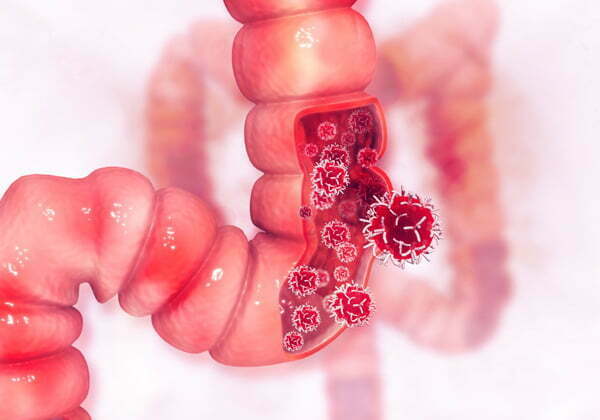
When facing a cancer diagnosis, the question of what to eat becomes both a source of anxiety and a potential source of empowerment. While no single food or diet can cure cancer, a strategic, evidence-based approach to nutrition can significantly support your body's resilience, potentially enhance treatment efficacy, and improve your overall quality of life. This guide moves beyond generic advice to provide a detailed cancer fighting foods list, grounded in scientific research and designed for patients undergoing treatment for complex cancers.
We will explore specific food families-from cruciferous vegetables to fatty fish-and examine their active compounds, the proposed mechanisms behind their benefits, and practical ways to incorporate them into your daily meals. Success stories, such as Maggie Jones's triumph over cancer odds through a dedicated focus on a life-changing diet for cancer recovery, underscore the profound impact of personalized nutritional strategies.
This article is designed to equip you with actionable knowledge, helping you make informed nutritional choices that complement your medical care. Each section will detail preparation tips and safety considerations, especially for those who are immunocompromised or undergoing chemotherapy. It is crucial to remember that this information serves as a resource, not a prescription. Personalized nutritional strategies should always be discussed with your oncology team, such as the experts at Hirschfeld Oncology, to ensure every choice is safe and aligned with your specific treatment plan.
1. Cruciferous Vegetables (Broccoli, Cauliflower, Brussels Sprouts)
Cruciferous vegetables, a family that includes broccoli, cauliflower, cabbage, and Brussels sprouts, stand out on any cancer fighting foods list due to their potent bioactive compounds. These vegetables are rich in glucosinolates, which break down into powerful substances like sulforaphane and indole-3-carbinol (I3C) during digestion. Research pioneered by Dr. Paul Talalay at Johns Hopkins University highlighted sulforaphane's ability to activate the body's natural detoxification enzymes, helping to neutralize and eliminate potential carcinogens.
This process is especially significant for patients undergoing treatments like chemotherapy. By supporting liver function and toxin elimination, these vegetables may play a role in managing treatment-related side effects. Evidence suggests a correlation between higher cruciferous vegetable intake and a reduced risk for specific cancers, including colorectal, prostate, and breast cancers.
Practical Implementation and Tips
Incorporating these vegetables effectively requires attention to preparation and consistency.
- Activation is Key: To maximize sulforaphane, you must activate the enzyme myrosinase. This is achieved by either chewing raw vegetables thoroughly or by lightly cooking them. Steaming for just 3-5 minutes is an excellent method to soften the vegetables without destroying the heat-sensitive enzyme.
- Serving Goals: Aim for at least 2-3 one-cup servings per week. For instance, a patient with pancreatic cancer might add steamed broccoli to a low-glycemic meal, while someone focused on breast cancer prevention can integrate roasted cauliflower into their diet. You can learn more about specific dietary strategies for breast cancer prevention.
- Enhance Absorption and Palatability: Pair with a source of healthy fat, such as a drizzle of olive oil, to improve the absorption of fat-soluble vitamins A, E, and K. For patients experiencing taste changes from treatment, serving these vegetables warm and well-seasoned can make them much more appealing.
A Note for Patients: If you are on anticoagulant medications like warfarin, it's important to maintain a consistent intake of Vitamin K-rich foods, including cruciferous vegetables. Always consult with your oncology dietitian at Hirschfeld Oncology to ensure your diet is safe and aligned with your specific treatment plan.
2. Berries (Blueberries, Raspberries, Strawberries, Blackberries)
Berries are a cornerstone of any cancer fighting foods list, celebrated for their density of powerful polyphenols, including anthocyanins, ellagic acid, and resveratrol. These compounds give berries their vibrant colors and possess strong antioxidant and anti-inflammatory properties. Research highlighted by institutions like the University of Oregon and the American Institute for Cancer Research shows these compounds can help reduce the oxidative stress often intensified by chemotherapy and may inhibit angiogenesis, the process of forming new blood vessels that tumors need to grow.
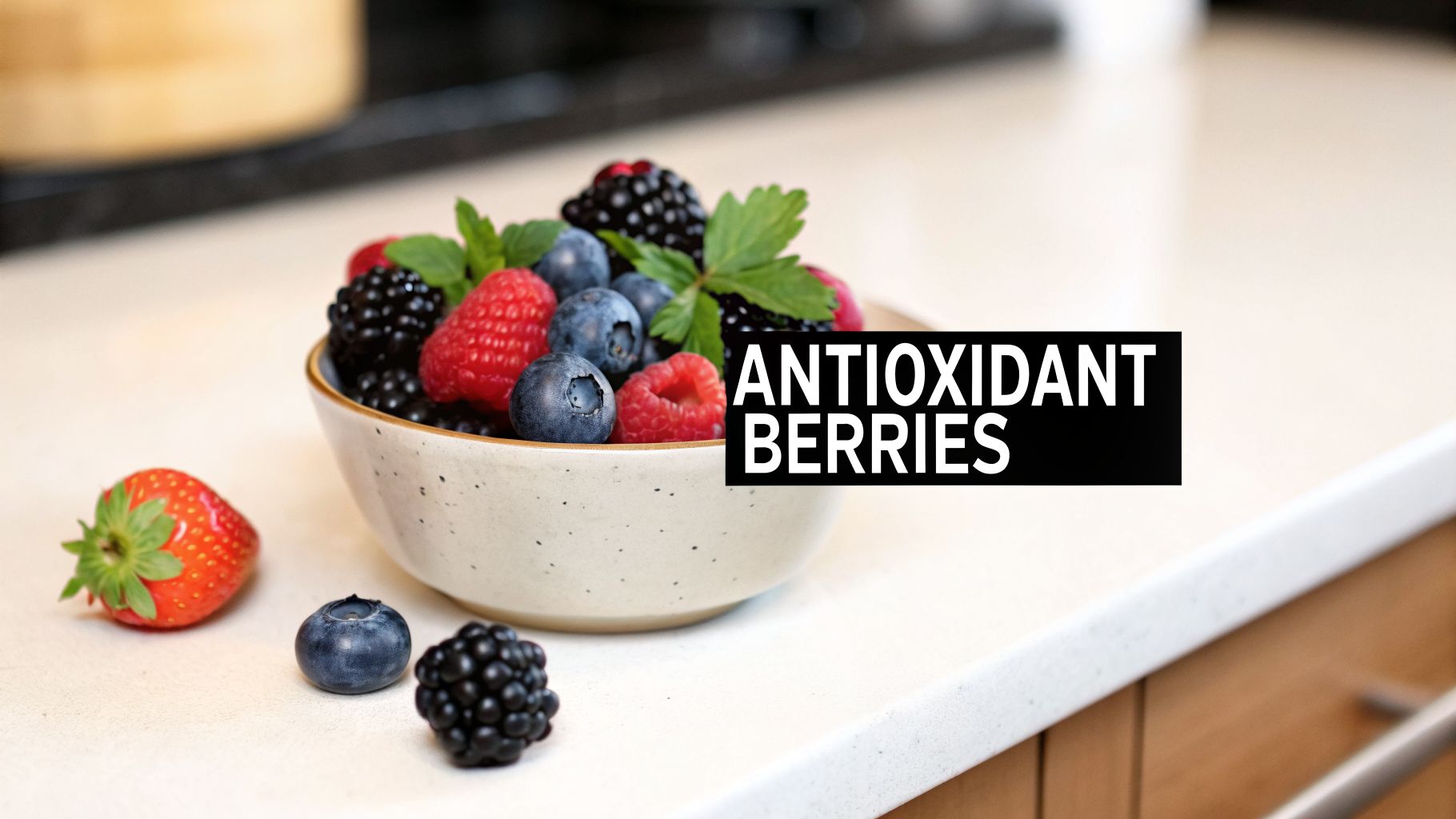
The high fiber content in berries also plays a critical role by supporting a healthy gut microbiome. A balanced gut environment is increasingly linked to a more effective immune response and better tolerance to cancer treatments. For example, an ovarian cancer patient might consume a cup of blueberries in their daily yogurt for gut support, while a gastric cancer patient may find that frozen berry purees are more tolerable than solid foods during treatment.
Practical Implementation and Tips
To get the most benefit from berries, focus on consistent intake and smart preparation.
- Therapeutic Servings: Aim for 1 to 1.5 cups of mixed berries daily. Frozen berries are just as nutritious as fresh ones and are often more economical, making consistent intake more achievable.
- Maximize Gut Health: Combine berries with probiotic-rich foods like plain yogurt or kefir. This pairing optimizes support for your gut microbiome, which is vital for immune function during cancer therapy.
- Preparation for Patients: If you are immunocompromised, wash fresh berries thoroughly or choose organic varieties to minimize pesticide exposure. Blending berries into a smoothie with a source of protein and healthy fat can create a nutrient-dense meal that is easy to digest and improves the absorption of fat-soluble compounds.
A Note for Patients: While dried berries are convenient, they contain concentrated sugars and should be consumed in moderation. Fresh or frozen berries are the preferred choice. For personalized advice on integrating foods like berries into your diet, especially if experiencing treatment side effects, please consult with the clinical nutrition team at Hirschfeld Oncology.
3. Fatty Fish (Salmon, Sardines, Mackerel, Herring)
Fatty fish like salmon, sardines, and mackerel are a cornerstone of any cancer fighting foods list due to their high concentration of omega-3 polyunsaturated fatty acids, specifically EPA (eicosapentaenoic acid) and DHA (docosahexaenoic acid). These essential fats possess powerful anti-inflammatory properties, which is critical since chronic inflammation can fuel cancer growth and progression. Research supported by institutions like the National Institutes of Health indicates that omega-3s may help reduce treatment-related inflammation and support immune function.
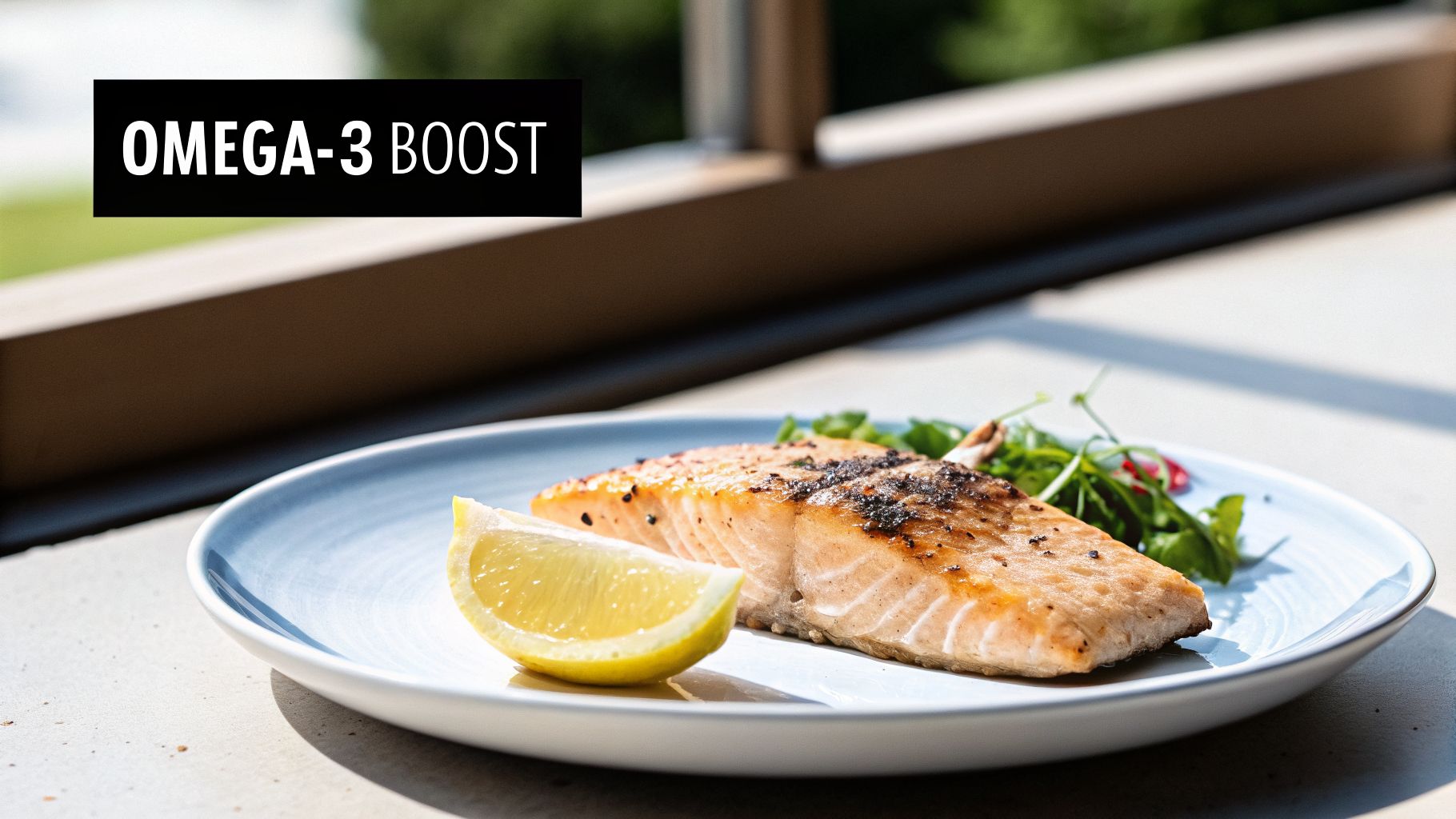
Furthermore, these fish provide high-quality, easily digestible protein, a vital nutrient for patients undergoing chemotherapy who often experience muscle wasting (cachexia). For patients on immunotherapy, a core treatment at Hirschfeld Oncology, the immune-modulating effects of omega-3s may be particularly beneficial. Evidence suggests these fatty acids can influence immune cell activity, potentially improving treatment response.
Practical Implementation and Tips
Incorporating fatty fish into a diet during cancer treatment requires a focus on sourcing, preparation, and consistency.
- Choose Wisely: Aim for 2-3 servings per week, with each portion being about 3-4 ounces. To minimize potential mercury exposure, prioritize smaller, wild-caught fish such as sardines, anchovies, and mackerel. Wild-caught salmon is also an excellent choice.
- Gentle Cooking: Preserve the delicate omega-3 fats by poaching, baking, or steaming fish instead of frying at high temperatures. This also makes the fish easier to digest, which is helpful for patients with a sensitive gut. For instance, a pancreatic cancer patient could have grilled salmon twice weekly to help maintain muscle mass.
- Convenience and Flavor: If appetite loss or fatigue makes cooking difficult, high-quality canned options are a great alternative. A colorectal cancer patient might find canned sardines in olive oil a convenient, nutrient-dense meal. To enhance taste without causing irritation, use gentle seasonings like fresh lemon juice, dill, or parsley.
A Note for Patients: While the benefits are clear, it is crucial to prioritize food sources over supplements. Fish oil supplements can sometimes interfere with chemotherapy or affect blood clotting. Always consult your oncology team or registered dietitian at Hirschfeld Oncology before adding any new supplement to your regimen.
4. Green Tea (EGCG and Polyphenol Content)
Green tea earns its place on any cancer fighting foods list due to its high concentration of polyphenols, particularly the potent catechin epigallocatechin gallate (EGCG). This compound has been extensively studied for its anti-cancer properties, with research pioneered by scientists like Dr. Hiroyuki Itokawa showing its ability to inhibit tumor growth, disrupt angiogenesis (the formation of new blood vessels that feed tumors), and induce apoptosis (programmed cell death) in cancer cells.
For patients navigating treatment, green tea offers multifaceted support. Its antioxidant and anti-inflammatory effects can help mitigate cellular damage caused by chemotherapy, while its modest caffeine content provides a gentle boost in mental clarity, aiding in the fight against treatment-related fatigue and cognitive fog. For example, a breast cancer patient might incorporate 2-3 cups of matcha into their daily routine, while a pancreatic cancer patient could use iced green tea to help manage nausea and stay hydrated.
Practical Implementation and Tips
Proper brewing and consistent consumption are essential to obtaining the full benefits of green tea.
- Maximize EGCG Extraction: Brew green tea with water at a lower temperature, around 160-180°F (70-82°C), for 3-5 minutes. This method extracts the beneficial catechins like EGCG without releasing excess tannins, which can cause bitterness.
- Serving Goals: Aim for 2-3 cups daily to achieve a therapeutic dose of polyphenols. High-quality Japanese loose-leaf teas or matcha powder typically offer the highest catechin content. To further understand the power of these beneficial compounds, you can explore guides on finding the best tea for antioxidants, which often highlights the benefits of green tea and matcha.
- Enhance Absorption and Palatability: Adding a small amount of lemon juice can increase the bioavailability of the catechins. If you are sensitive to caffeine, consider switching to a decaffeinated version in the afternoon. Enjoy it hot or iced to suit your preference.
A Note for Patients: The tannins in green tea can interfere with the absorption of non-heme (plant-based) iron. If you have anemia or are taking an iron supplement, it is best to drink green tea between meals and wait at least two hours before or after taking your supplement. As always, discuss any dietary additions with your oncology dietitian at Hirschfeld Oncology.
5. Garlic and Allium Vegetables (Onions, Leeks, Chives)
Garlic and its relatives in the allium family, including onions, leeks, and chives, are a cornerstone of any cancer fighting foods list due to their potent organosulfur compounds. When garlic is crushed or chopped, an enzyme called alliinase converts a compound named alliin into allicin, the primary bioactive substance responsible for its characteristic odor and powerful health effects. Allicin and its derivatives have been shown to possess anti-cancer, antimicrobial, and immune-modulating properties.
This immune support is particularly important for patients during cancer treatment. These compounds can activate crucial immune cells like natural killer (NK) cells, enhancing the body's ability to identify and attack abnormal cells. Extensive research, including large-scale population studies and work highlighted by organizations like the American Institute for Cancer Research, suggests a strong link between regular allium vegetable consumption and a reduced risk for gastrointestinal cancers, such as gastric, colorectal, and pancreatic cancers.
Practical Implementation and Tips
To get the most benefit from allium vegetables, preparation and consistency are vital.
- Activate Allicin: To maximize the formation of beneficial allicin, crush or mince fresh garlic and let it sit for 10-15 minutes before cooking or eating. This allows the enzymatic reaction to complete.
- Serving Goals: Aim for 2-4 cloves of fresh garlic daily or its equivalent in cooked dishes. For instance, a patient with gastric cancer might incorporate cooked garlic into broths and soups, while a colorectal cancer survivor could add minced raw garlic to a salad dressing as part of a recurrence prevention strategy.
- GI-Friendly Options: For patients with sensitive digestive systems, cooking garlic gently in soups or roasting it whole can make it easier to tolerate. Aged black garlic, a fermented option, offers a milder flavor and enhanced antioxidant profile, making it a good alternative for those with taste changes.
A Note for Patients: While garlic in food is generally safe, high-dose garlic supplements can have blood-thinning effects and may interact with certain medications, including some chemotherapy drugs and anticoagulants. Always discuss any supplement use with your oncology team at Hirschfeld Oncology to ensure it complements your treatment plan safely.
6. Turmeric and Curcumin (Golden Spice)
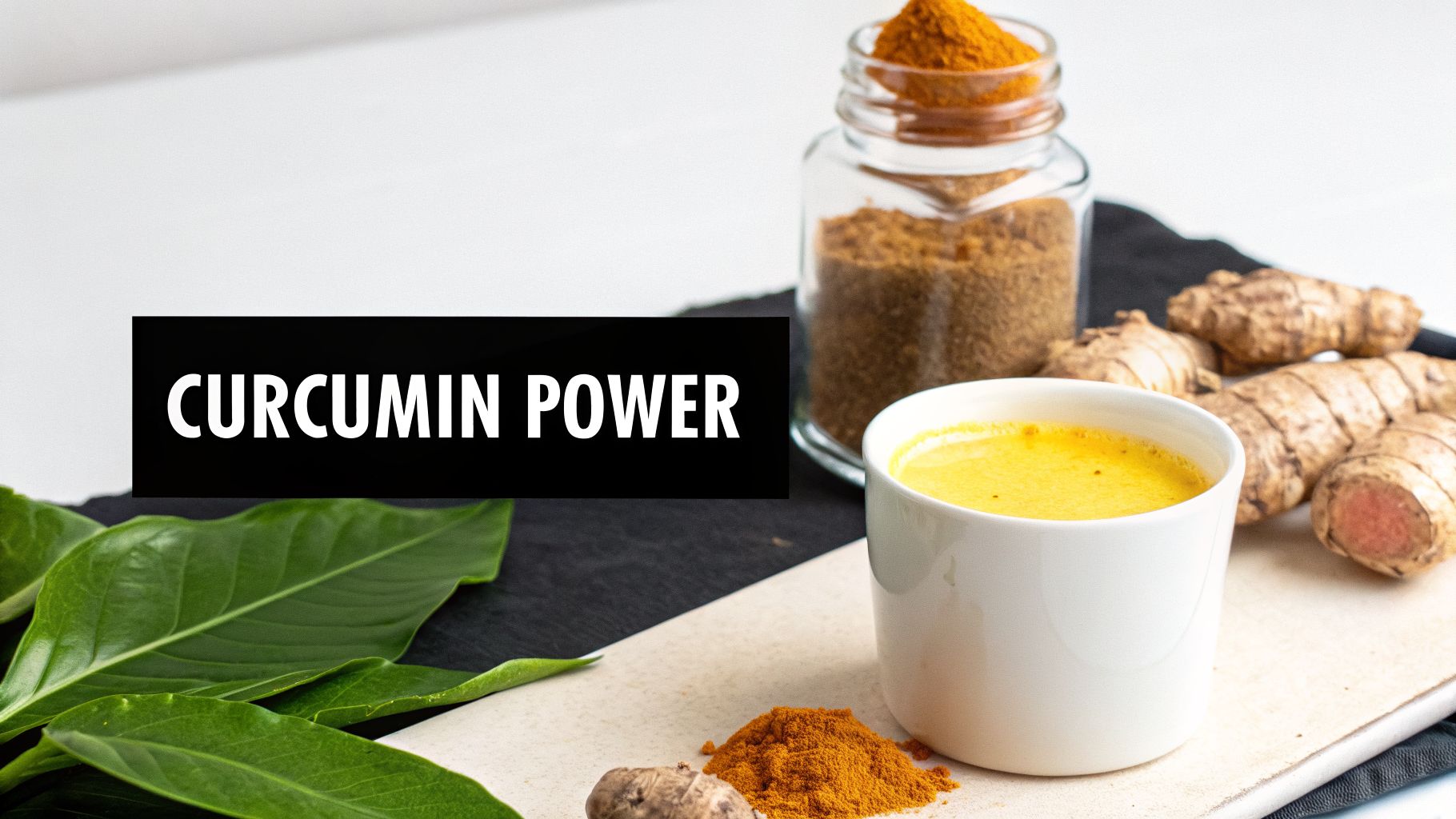
The vibrant golden spice turmeric contains one of the most extensively researched natural compounds in oncology, curcumin. This active component is responsible for turmeric’s powerful anti-inflammatory and antioxidant properties. Curcumin’s inclusion in any cancer fighting foods list is backed by a significant body of research, including pioneering work by Dr. Bharat Aggarwal at MD Anderson, showing its ability to interfere with multiple molecular pathways that are essential for tumor development, growth, and spread.
Curcumin has been shown to induce apoptosis (programmed cell death) in cancer cells, suppress angiogenesis (the formation of new blood vessels that feed tumors), and reduce inflammation, a key driver of cancer progression. Its strong safety profile makes it an excellent complementary support for patients undergoing chemotherapy, with studies showing particular promise for those with pancreatic, colorectal, gastric, and breast cancers.
Practical Implementation and Tips
Properly incorporating this spice is crucial for unlocking its benefits, as curcumin is not easily absorbed by the body on its own.
- Pair for Bioavailability: The most important tip is to always consume turmeric with a small amount of black pepper. The piperine in black pepper can increase curcumin's bioavailability by up to 2,000%. Adding a source of healthy fat, like coconut oil or olive oil, further aids absorption.
- Serving Goals: For general wellness, aim for about 1/4 to 1 teaspoon of turmeric powder daily. A pancreatic cancer patient might add a turmeric-based curry to their meal plan, while someone with breast cancer could enjoy a "golden milk" latte made with turmeric, coconut milk, and black pepper. The anti-inflammatory effects of such a diet are substantial; you can learn more about how to structure an entire meal plan around this principle by reading about anti-inflammatory diets for cancer patients.
- Therapeutic Dosing: For higher, therapeutic doses, food sources alone may be insufficient. A standardized curcumin extract supplement (often 500-1000 mg daily) might be considered. For example, a patient with colorectal cancer may take a standardized extract to complement their chemotherapy regimen.
A Note for Patients: While consuming turmeric in food is generally safe for everyone, high-dose curcumin supplements can interact with certain medications, including blood thinners and some chemotherapy agents. Always consult with your oncology team at Hirschfeld Oncology before starting any new supplement to ensure it is appropriate and safe for your specific treatment protocol.
7. Cruciferous Sprouts (Broccoli Sprouts, Radish Sprouts)
While mature cruciferous vegetables are potent, their sprouted counterparts, particularly 3-5 day old broccoli sprouts, offer a concentrated dose of health-promoting compounds. These tiny plants are a standout on any cancer fighting foods list because they contain 20-50 times more sulforaphane precursors than their fully-grown versions. This high concentration powerfully activates the body's Phase 2 detoxification enzymes, such as glutathione S-transferase, which are critical for neutralizing and clearing potential carcinogens and byproducts of chemotherapy.
The research pioneered by Dr. Paul Talalay and his team at Johns Hopkins University specifically highlighted the remarkable bioavailability of sulforaphane from young sprouts. For patients undergoing intensive treatments, the easily digestible nature of sprouts provides a significant nutritional advantage, supporting the body's detoxification capacity without requiring large volumes of food.
Practical Implementation and Tips
Safely and effectively adding sprouts to your diet requires attention to sourcing and preparation.
- Serving and Timing: The therapeutic goal is often around 1 ounce (roughly 1-2 tablespoons) of fresh sprouts daily. A gastric cancer survivor might blend them into a smoothie as part of a recurrence prevention plan, while a colorectal cancer patient could add them to a sandwich to support detoxification during treatment.
- Safe Sourcing: If you are immunocompromised, it is crucial to purchase sprouts from certified suppliers with stringent food safety testing protocols. Alternatively, home-growing with certified organic seeds and sterile sprouting equipment can be a safe option. Harvest sprouts at 3-5 days for peak sulforaphane content.
- Usage and Storage: Add fresh sprouts to salads, sandwiches, or blend them into smoothies once your treatment tolerance improves. Lightly steaming them is an option if raw consumption is difficult, although this may slightly reduce the sulforaphane content. Store sprouts in a breathable container in the refrigerator and use them within 5-7 days.
A Note for Patients: The risk of foodborne illness is higher with raw sprouts. Patients with neutropenia or those who are severely immunocompromised should avoid raw sprouts entirely unless cleared by their medical team. Always discuss adding new foods like sprouts with your oncology dietitian at Hirschfeld Oncology to ensure they are appropriate for your specific health status and treatment protocol.
8. Medicinal Mushrooms (Shiitake, Maitake, Reishi, Oyster)
Medicinal mushrooms like shiitake, maitake, reishi, and oyster have earned their spot on the cancer fighting foods list due to their powerful immune-modulating properties. They are exceptionally rich in complex polysaccharides, particularly beta-glucans, which are known to activate key immune cells. These compounds stimulate the activity of natural killer (NK) cells and macrophages, the body's frontline defenders responsible for identifying and destroying abnormal cells.
Key compounds such as lentinan from shiitake and beta-D-glucans from maitake have been studied for their potential to work alongside conventional treatments. Research suggests these substances may improve the effectiveness of chemotherapy while potentially reducing its toxicity. Furthermore, mushrooms are a unique source of the potent antioxidant ergothioneine and support a healthy gut microbiome, which is increasingly understood as vital for a robust response to immunotherapy.
Practical Implementation and Tips
Properly incorporating medicinal mushrooms can support immune function and overall well-being.
- Cook for Bioavailability: Gently cooking mushrooms is crucial. Sautéing, roasting, or simmering them in broths for 15-20 minutes helps break down their tough cell walls, making the beneficial beta-glucans more digestible and accessible to the body.
- Serving Goals: For culinary use, aim to include at least 1-2 one-cup servings of fresh shiitake or oyster mushrooms per week. For instance, a pancreatic cancer patient might incorporate dried shiitake into an immune-supporting broth, while a breast cancer patient could use reishi mushroom tea to help manage stress and support sleep.
- Therapeutic Extracts: For a more concentrated effect, standardized extracts are often used. A common dose for maitake is 3-5 grams of dried equivalent, or 1-2 grams for reishi. Always choose extracts from reputable suppliers that provide third-party testing for purity and potency.
A Note for Patients: It is essential to consult with your oncology team before starting any high-dose medicinal mushroom extracts. There is a potential for interaction with certain medications, including immunotherapy and blood thinners. Your oncology dietitian at Hirschfeld Oncology can help you determine if and how to safely add these powerful foods to your diet.
9. Leafy Greens (Spinach, Kale, Collards, Swiss Chard)
Dark leafy greens like spinach, kale, collards, and Swiss chard are nutritional powerhouses and a cornerstone of any cancer fighting foods list. They are exceptionally rich in antioxidants and bioactive compounds, including lutein, zeaxanthin, and chlorophyll. These greens are also a primary source of folate, a B-vitamin critical for proper DNA synthesis and repair. A deficiency in folate can impair these vital cellular processes, potentially increasing the risk of DNA mutations that can lead to cancer.
The work of researchers like Dr. Joel Fuhrman on nutrient density highlights how these foods provide maximum micronutrients for minimal calories. For cancer patients, ensuring adequate folate status is essential to protect healthy cells, particularly during treatments like chemotherapy that target rapidly dividing cells. The high chlorophyll content may also support detoxification pathways and offer anti-inflammatory benefits, which are crucial for managing treatment side effects and supporting overall health.
Practical Implementation and Tips
Integrating these nutrient-dense vegetables into your daily routine can be simple and effective.
- Serving Goals: Aim for 1-2 packed-cup servings of varied leafy greens each day. For example, a breast cancer patient might add a large handful of spinach to a daily smoothie, while a patient with colorectal cancer could add lightly sautéed kale to their meals.
- Improve Digestibility: Raw greens, especially kale, can be tough. To improve digestibility and texture, massage them with a bit of lemon juice and a pinch of salt. For those with digestive sensitivities, lightly steaming or sautéing is an excellent option that also enhances the bioavailability of certain nutrients.
- Rotate Your Greens: Different greens offer a unique profile of vitamins and minerals. Rotating between spinach, kale, arugula, collards, and Swiss chard ensures you receive a broader spectrum of beneficial compounds. Choose organic greens when possible, as some, like spinach and kale, are often on the "dirty dozen" list for pesticide residue.
- Enhance Palatability: If you find the taste of greens challenging, blending them into smoothies with fruit, protein powder, and a healthy fat like avocado can effectively mask the flavor. You can find more ideas on our list of the best foods for chemotherapy patients.
A Note for Patients: Leafy greens are a significant source of Vitamin K, which can interact with anticoagulant medications like warfarin. If you are on such a medication, the goal is not to avoid these foods but to maintain a consistent daily intake. Discuss your diet with your oncology dietitian at Hirschfeld Oncology to safely incorporate these valuable foods into your plan.
10. Tomatoes and Lycopene-Rich Foods (Cooked Preparations)
Tomatoes are a standout addition to any cancer fighting foods list, primarily due to their high concentration of lycopene, a powerful carotenoid phytochemical. The benefits of lycopene are most pronounced when tomatoes are cooked, as heat processing significantly increases its bioavailability. Research, notably from Dr. Edward Giovannucci at Harvard, has linked high lycopene intake with a reduced risk for several cancers, including prostate, gastric, and colorectal cancers.
The mechanism behind this is lycopene's ability to reduce oxidative stress, inhibit the proliferation of tumor cells, and promote apoptosis (programmed cell death). Beyond lycopene, tomatoes deliver a synergistic profile of nutrients including vitamins C and K, folate, and potassium. This combination is particularly relevant for patients at Hirschfeld Oncology, where a focus on nutrient-dense foods supports overall health during treatment.
Practical Implementation and Tips
Incorporating cooked tomatoes into your diet is a simple yet effective strategy.
- Heat is Essential: To unlock the most lycopene, always cook your tomatoes. The heat breaks down the plant's tough cell walls, releasing the compound and making it easier for your body to absorb.
- Serving Goals: Aim for 5-7 ounces (150-200 g) of cooked tomatoes daily. A convenient alternative is consuming 2-3 tablespoons of concentrated tomato paste, which offers a potent dose of lycopene. A colorectal cancer survivor might mix tomato paste into a soup, while a patient with breast cancer can enjoy Mediterranean-style stews rich with cooked tomatoes.
- Enhance Absorption and Palatability: Pair cooked tomatoes with a source of healthy fat, like a drizzle of olive oil. This simple step dramatically improves lycopene absorption. For palatability, tomato-based soups and sauces can be a comforting and easy-to-tolerate option for patients, like those with gastric cancer, managing treatment side effects.
A Note for Patients: For individuals with GERD, acid reflux, or esophageal sensitivity, the acidity of tomatoes can be a concern. Pairing them with alkalizing vegetables like spinach or kale can help. Always opt for tomatoes in glass jars or BPA-free cans. Consult your oncology team at Hirschfeld Oncology to determine if and how lycopene-rich foods fit into your personalized nutrition plan.
10 Cancer-Fighting Foods Comparison
| Item | Preparation & Complexity 🔄 | Accessibility & Cost ⚡ | Expected Outcomes ⭐📊 | Ideal Use Cases 📊 | Key Advantages & Tips 💡 |
|---|---|---|---|---|---|
| Cruciferous Vegetables (Broccoli, Cauliflower, Brussels Sprouts) | Low — eat raw or steam 3–5 min; may cause bloating in sensitive patients | Widely available, affordable | Activates detox enzymes (sulforaphane/I3C); epidemiological reduction in colorectal/breast/prostate risk | Liver detox support during chemo; preventive diets | High glucosinolates and vitamins; steam/chew to activate sulforaphane; monitor vitamin K and thyroid interactions |
| Berries (Blueberries, Raspberries, Strawberries, Blackberries) | Very low — fresh, frozen, or blended; gentle on digestion | Seasonal cost; frozen affordable year-round | Strong antioxidant/anti-inflammatory effects (anthocyanins); supports microbiome and may inhibit angiogenesis | Patients with nausea/swallowing issues; microbiome support for immunotherapy | Consume 1–1.5 cups/day; frozen OK; wash or choose organic; watch sugar for diabetics and warfarin interactions |
| Fatty Fish (Salmon, Sardines, Mackerel, Herring) | Moderate — cook/poach to preserve omega‑3s; canned options available | Higher cost; choose small wild-caught or canned for affordability | Anti-inflammatory EPA/DHA; preserves muscle mass, may enhance immunotherapy response | Cachexia/muscle wasting, inflammation control during chemo | Aim 2–3 servings/week (3–4 oz); prefer low‑mercury species; consult before fish‑oil supplements if on anticoagulants |
| Green Tea (EGCG and Polyphenol Content) | Very low — brew at 160–180°F for 3–5 min; matcha preparation requires slightly more skill | Low cost; quality varies (loose‑leaf/matcha higher potency) | EGCG: antiproliferative, anti‑angiogenic, antioxidant; potential chemo synergy in preclinical studies | Fatigue, cognitive support; preventive polyphenol intake | 2–3 cups/day for benefit; avoid near iron intake; choose high‑quality loose‑leaf or matcha |
| Garlic & Allium (Onions, Leeks, Chives) | Low — crush/mince 10+ min before use; raw may irritate GI | Very affordable and widely available | Organosulfur compounds boost NK cells, glutathione and detox pathways; linked to reduced GI cancer risk | GI cancer support and general immune support | 2–4 cloves/day (or cooked for tolerance); crush before eating; caution with anticoagulants and GI sensitivity |
| Turmeric & Curcumin (Golden Spice) | Low to moderate — cooking/combining with piperine/fat improves bioavailability | Inexpensive as spice; supplements vary in quality and cost | Anti‑inflammatory, pro‑apoptotic, NF‑κB inhibition; extensive preclinical/clinical research | Adjunctive support for pancreatic/colorectal/gastric/breast cancers | Pair with black pepper and healthy fat; 500–1000 mg standardized curcumin for therapeutic use (consult team) |
| Cruciferous Sprouts (Broccoli, Radish Sprouts) | Moderate — home‑growing/handling requires food‑safety care; raw consumption risk if immunocompromised | Low cost to grow; short shelf life; certified sellers for safety cost more | Very high sulforaphane levels; potent Phase‑2 detox enzyme activation | Intensive detox support during chemo when safe; targeted sulforaphane therapy | Harvest at 3–5 days; buy pre‑tested if immunocompromised; consume small daily amounts (≈1 oz) |
| Medicinal Mushrooms (Shiitake, Maitake, Reishi, Oyster) | Moderate — cook or use standardized extracts; extraction improves active compound availability | Variable cost; extracts and quality testing increase price | Beta‑glucans and polysaccharides enhance immune surveillance and may improve chemo tolerance | Immunotherapy adjunct, immune recovery, stress/sleep support | Use reputable standardized extracts; cook/simmer to extract compounds; consult on interactions with immunomodulatory drugs |
| Leafy Greens (Spinach, Kale, Collards, Swiss Chard) | Low — raw, steamed, or blended; raw may be harder to digest | Affordable, seasonal; organic preferred for residue‑prone greens | Restores folate and micronutrients, supports DNA repair and detoxification | General resilience during/after chemo; folate restoration | 1–2 servings/day; cook or blend for tolerance; maintain consistent vitamin K if on warfarin |
| Tomatoes & Lycopene‑Rich Foods (Cooked Preparations) | Low — cooking increases lycopene bioavailability; pair with fat for uptake | Widely available; canned/sauces convenient (choose BPA‑free/glass) | Lycopene reduces oxidative stress and tumor proliferation; evidence especially for prostate/gastric/colorectal cancers | Prostate and GI cancer preventive/support | Consume cooked tomatoes (150–200 g/day or 2–3 tbsp paste) with healthy fat; avoid if GERD/esophagitis concerns |
Creating Your Personalized Nutrition Plan: Next Steps with Hirschfeld Oncology
This exploration of a cancer fighting foods list has provided a powerful, evidence-based foundation for supporting your body. We’ve journeyed through the potent benefits of cruciferous vegetables like broccoli, the antioxidant-rich profiles of berries, and the anti-inflammatory power of omega-3s in fatty fish. Each food group, from alliums like garlic to the curcumin in turmeric, offers a unique arsenal of compounds that work synergistically to help manage inflammation, support cellular health, and enhance your overall resilience during a challenging time.
The key takeaway is that food is not just sustenance; it is a form of biological information. The sulforaphane from broccoli sprouts, the EGCG in green tea, and the lycopene from cooked tomatoes all send signals to your cells that can influence pathways related to cancer growth and immune function. Integrating these foods into your diet is a proactive, empowering step you can take to create a more supportive internal environment for your body as it undergoes treatment and begins to heal.
From Knowledge to Action: Building Your Plate
The real value of this information lies in its practical application. Simply knowing that leafy greens and medicinal mushrooms are beneficial is one thing; consistently and safely incorporating them into your daily meals, especially while managing treatment side effects, is another entirely. The goal is not to force-feed yourself a rigid diet of "superfoods" but to build a sustainable, enjoyable, and effective eating pattern.
Here are the most critical points to remember as you move forward:
- Consistency Over Intensity: A small handful of blueberries daily is more impactful than eating a pint once a month. Aim for consistent, manageable additions rather than overwhelming, short-lived dietary overhauls.
- Preparation Matters: How you prepare your food can dramatically alter its benefits. Remember to chop garlic and let it sit, lightly steam your broccoli, and cook your tomatoes with a bit of healthy fat to maximize the bioavailability of their active compounds.
- Listen to Your Body: Treatment can bring about taste changes, digestive sensitivities, and profound fatigue. If a certain food causes discomfort, it is not serving you, no matter its purported benefits. This is where personalization becomes absolutely essential.
- Safety First: For patients with neutropenia or those undergoing chemotherapy, food safety is paramount. Certain items like raw sprouts or unpasteurized products may pose risks. Always discuss these choices with your oncology team.
Why Personalized Guidance Is Non-Negotiable
While a general cancer fighting foods list is a fantastic starting point, it cannot replace professional, one-on-one guidance. Your specific cancer type, treatment protocol, existing health conditions, and even your genetic makeup can influence which foods are most beneficial and which might be contraindicated.
Navigating the complexities of oncology nutrition alone can be overwhelming. An expert-guided plan ensures your dietary choices actively support your treatment goals, help manage side effects, and improve your quality of life, rather than inadvertently causing stress or harm.
A registered dietitian oncologist can help you translate this list into a concrete meal plan that works for you. They can provide strategies for "taste training" to overcome metallic tastes, recommend specific food textures for mouth sores, and suggest nutrient-dense smoothies for days when your appetite is low. This level of detail is what transforms a generic list into a true therapeutic tool. It’s about building a plan that nourishes your body, respects your limitations, and restores a sense of control and hope.
At Hirschfeld Oncology, we believe in a patient-centered approach that integrates state-of-the-art medical treatments with robust supportive care, including expert nutritional counseling. Dr. Azriel Hirschfeld and our team in Brooklyn, NY, are dedicated to helping you use every available tool to fight your cancer, and that includes creating a personalized nutrition strategy based on the principles discussed in this article. To learn how we can support you, we invite you to explore our approach and request a consultation at Hirschfeld Oncology.
.png)
.png)