.png)


Finding the right way to manage nerve pain from chemo is a journey, and it always starts with understanding exactly what’s happening inside your body. By getting a clear picture of the cause, you and your oncologist can create a personalized plan that might include everything from medication like duloxetine to physical therapy or even adjustments to your treatment dose.
What Is Chemo-Induced Neuropathy
It helps to think of your body’s nervous system as a vast, intricate electrical grid. Billions of tiny wires—your nerves—carry signals from your brain out to every part of your body, controlling everything from the feeling in your fingertips to the muscles you use to walk.
Chemotherapy-induced peripheral neuropathy, or CIPN, happens when some of the powerful drugs used to fight cancer end up damaging these delicate wires. Chemo is designed to attack rapidly dividing cells, which is great for targeting cancer. Unfortunately, it can’t always tell the difference between a cancer cell and other healthy cells, like the nerve cells (neurons) that make up your peripheral nervous system in your hands, feet, arms, and legs.
This damage creates static on the line. Nerve signals can get scrambled, weakened, or simply sent by mistake. This interference is what causes those frustrating and painful symptoms—the tingling, numbness, burning, or sharp, stabbing pains you might be feeling. Gaining a clearer sense of what to expect from treatment overall can be found in our detailed guide on chemotherapy.
How Common Is CIPN?
If you’re experiencing these symptoms, you are far from alone. Chemo-induced neuropathy is one of the most common and disruptive side effects of cancer treatment. Studies from around the world show that about 56% of all cancer patients will develop CIPN at some point.
For many, the problem doesn't go away when treatment ends. Of those who develop CIPN, nearly 48% continue to live with chronic, painful symptoms long-term.
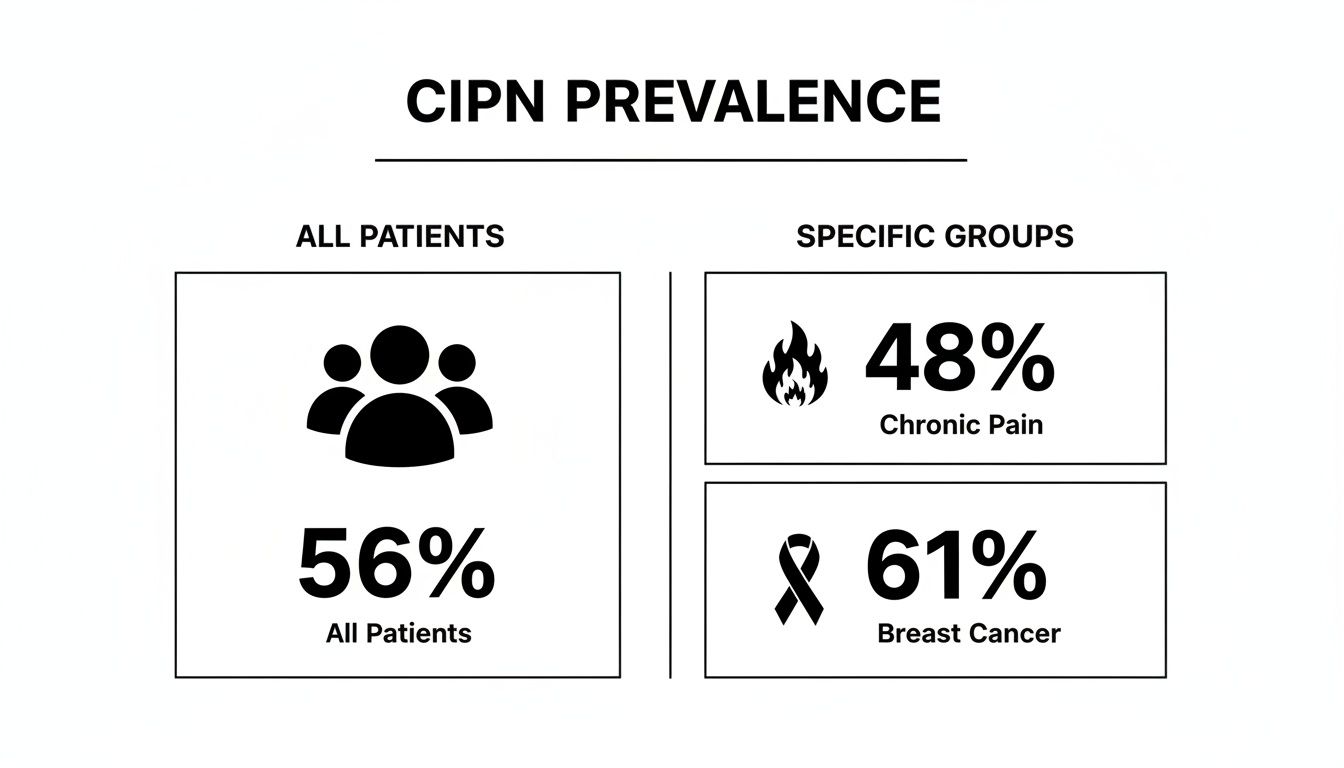
As you can see, neuropathy is a significant challenge for a huge number of patients. Certain cancers, like breast cancer, carry an even greater risk of developing chronic symptoms.
Quick Facts About Chemo-Induced Neuropathy
Just knowing that these strange sensations are a real, physical side effect of your treatment—and not something you're imagining—can be validating. It's the first step toward having an open, productive conversation with your care team about how to best manage it.
To help you get familiar with the basics, here’s a quick summary of the most important things to know about CIPN.
The single most important thing you can do is speak up. Let your doctor know about any new or changing sensations as soon as you notice them. Early intervention is truly the key to preventing more serious, long-term nerve damage and protecting your quality of life both during and after treatment.
How to Recognize Neuropathy Symptoms
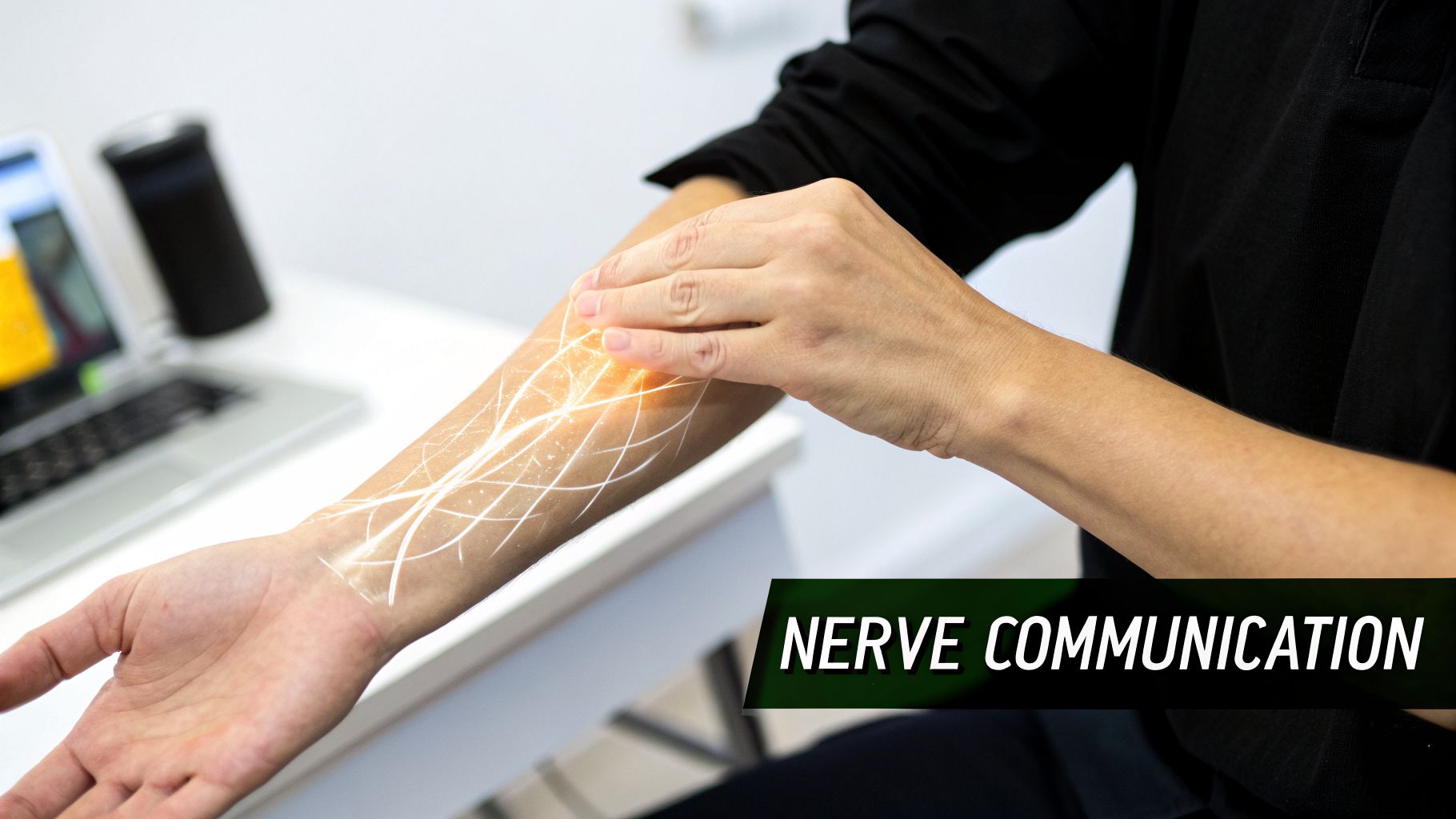
When patients first experience neuropathy, they often struggle to find the right words for it. It isn't always pain in the traditional sense. It’s a collection of strange, confusing, and frustrating sensations that can get in the way of everyday life. The first step toward finding relief is learning to identify and describe exactly what you’re feeling.
Most often, these symptoms appear in the nerves farthest from the center of your body—your hands and feet. We call this the “stocking and glove” pattern, as the feelings usually start in the tips of the fingers and toes and can gradually spread up the arms and legs.
It’s almost like nerve "static." Just as static scrambles a radio signal, nerve damage from chemotherapy can garble the messages traveling between your brain and body. This nerve interference shows up in a few different ways, affecting what you feel, how you move, and even some of your body’s automatic functions.
Understanding Sensory Symptoms
Your sensory nerves are the most common casualties. These are the nerves that tell your brain about touch, temperature, and pain. The resulting sensations can be wildly different from person to person, ranging from a minor annoyance to something that completely disrupts your day.
Many patients describe feelings like:
- Tingling or a "pins and needles" sensation, just like when a limb "falls asleep."
- A persistent burning feeling, which can feel hot even if your skin is cool.
- Numbness or a dullness that feels like you’re wearing a pair of thin, invisible socks or gloves.
- Sudden, sharp, or shooting pains that strike without warning.
- Extreme sensitivity to touch (a condition called allodynia), where the light pressure from your bedsheets or socks can be painful.
It’s incredibly important to track these feelings in a journal. Note when they occur, what they feel like, and how intense they are. This detailed record is one of the most powerful tools you can give your oncology team.
Identifying Motor and Autonomic Changes
While sensory changes are most common, chemotherapy can also affect the nerves controlling your muscles (motor nerves) and your body's automatic functions (autonomic nerves). These symptoms can be subtle at first but can have a real impact on your safety and independence.
Damage to your motor nerves might lead to:
- Weakness in your hands, making it difficult to grip things, open jars, or hold a pen.
- Trouble with fine motor skills, like fumbling with buttons, zippers, or keys.
- Balance issues or an unsteady walk, which can increase your risk of falling.
- Muscle cramping or twitching, especially in the hands and feet.
Autonomic nerve damage is less frequent but just as important to recognize. It affects the functions you don’t consciously control, causing issues like sudden dizziness when you stand up, constipation, or problems with blood pressure regulation.
Getting familiar with these different "flavors" of neuropathy helps you give your doctor a clear, precise account of your experience. That communication is the bedrock of a good treatment plan, allowing us to find strategies that directly address your specific challenges and help you reclaim your quality of life.
Medical Treatments for Neuropathy Pain
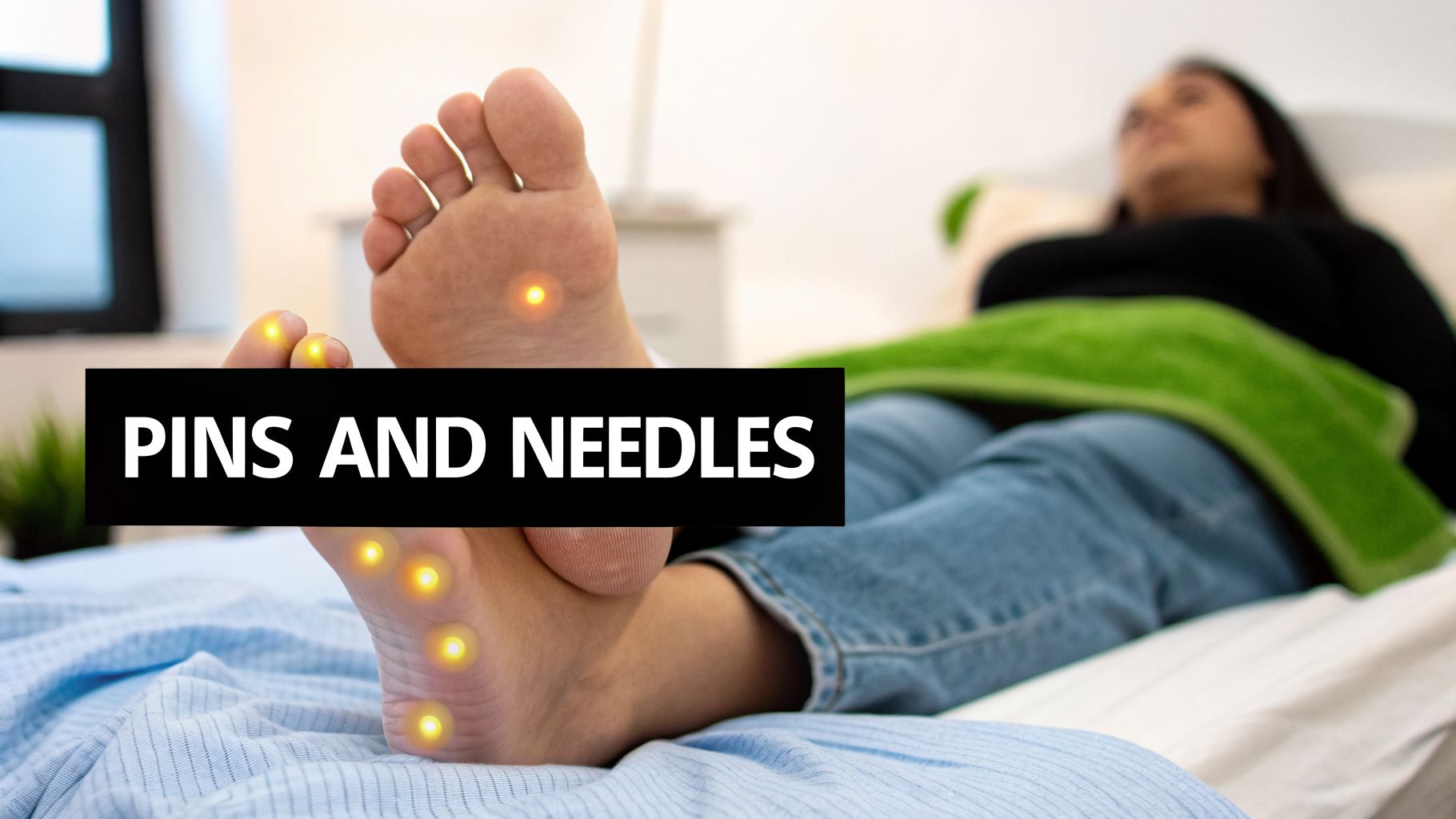
When the tingling, numbness, or pain of neuropathy starts getting in the way of your life, it's time to talk about medical treatments. While things like physical therapy and acupuncture are crucial parts of the puzzle, the first line of defense often involves medications that directly address what’s happening with your nerves.
The goal here isn't just to numb the pain. It's to quiet the constant "static" coming from damaged nerves. Imagine a faulty electrical wire that keeps sending out sparks. Certain medications can help insulate that wire, calming the erratic signals that your brain interprets as burning, tingling, or pain.
Duloxetine: The Recommended First Step
When it comes to painful chemo-induced neuropathy, there's one medication that major oncology groups like the American Society of Clinical Oncology (ASCO) consistently point to as the best place to start: duloxetine. You might know it by the brand name Cymbalta. This isn't just a guess; its benefit is backed by solid clinical evidence, making it the go-to first-line treatment for many of our patients.
Now, duloxetine isn't a traditional painkiller like ibuprofen or acetaminophen. It's actually a type of antidepressant called an SNRI (serotonin-norepinephrine reuptake inhibitor). It works by increasing the levels of two chemical messengers in your central nervous system—serotonin and norepinephrine. While these are well-known for their role in mood, they also act as the body's own "volume control" for pain signals.
By adjusting these neurotransmitters, duloxetine essentially strengthens your body's innate ability to block pain. It helps turn down the intensity of the painful nerve signals before they even reach your brain, bringing real relief from those persistent burning or shooting sensations.
Think of duloxetine not as a simple painkiller, but as a way to recalibrate your nervous system's response to pain. It's a targeted approach that gets to the root of how your brain is processing these uncomfortable nerve signals.
It's important to know that this isn't an overnight fix. Duloxetine can take a few weeks to build up to its full effect, so patience is a must. We always start with a low dose and slowly adjust it upwards to find that sweet spot—maximum relief with minimal side effects.
Exploring Other Medication Options
Of course, duloxetine isn't a magic bullet for everyone. If it doesn't provide enough relief or if the side effects are a problem, we have other tools in our toolkit. A good treatment plan is never one-size-fits-all; it's tailored to you.
If we need to look beyond duloxetine, some other medications we might consider include:
- Anticonvulsants: Drugs like gabapentin and pregabalin, originally designed to prevent seizures, can be very effective. They work by calming down overactive nerves that fire off pain signals erratically, which is often the source of those sharp, electric-shock pains.
- Tricyclic Antidepressants (TCAs): This is an older class of antidepressants, including drugs like amitriptyline and nortriptyline. They work in a similar way to duloxetine but have a different side-effect profile. They can be a good option, especially if neuropathy is ruining your sleep, as they can also be very sedating.
- Topical Treatments: When the pain is confined to your hands or feet, a topical cream or patch can be a great choice. These deliver medication right where you need it, avoiding the side effects that can come with a pill. Common options include lidocaine patches (which numb the area) or creams with capsaicin (the compound in chili peppers) that can desensitize nerve endings over time.
Having The Right Conversation With Your Doctor
Finding the right medication is a partnership between you and your oncology team. What works best will depend on your exact symptoms, your overall health, and any other medications you’re taking.
To get the most out of that conversation, try to come prepared to describe a few key things:
- The type of sensation: Is it a constant burn? A pins-and-needles tingle? A sharp, stabbing pain?
- The location of the symptoms: Is it just in your fingertips and toes, or has it started creeping up your arms and legs?
- The impact on your life: Is it keeping you up at night? Making it hard to walk, button a shirt, or hold a coffee cup?
The more specific you can be, the better we can zero in on the best medical treatment to start with. Navigating this is a team effort, and your experience is the most important piece of information we have.
Complementary Therapies for Symptom Relief
Medication is a cornerstone of managing neuropathy, but it’s rarely the whole story. A truly effective plan brings in other approaches that can make a huge difference in your day-to-day life. These aren't alternatives to your medical care; they are essential partners that give you more control over your symptoms and comfort.
Think of it this way: while a medication like duloxetine works on a chemical level to dial down pain signals, other therapies can help your body physically adapt, retrain nerve pathways, and simply feel better.
Rebuilding Strength and Function with Therapy
When neuropathy leaves your feet feeling numb or your hands clumsy, it can erode your confidence. Simple acts like walking across a room or buttoning a shirt can become frustrating challenges. This is where physical and occupational therapy truly shine.
These aren't just generic exercise routines. A physical therapist (PT) will create a program tailored specifically for you, focusing on:
- Improving balance with targeted exercises to help you feel more stable and reduce your risk of falling.
- Building strength in your legs and core, which is key for a steady, confident gait.
- Boosting circulation to your hands and feet, which can help nourish the nerves and ease symptoms.
An occupational therapist (OT) takes a different, but equally important, angle. Their job is to help you navigate the practical, everyday tasks that neuropathy makes difficult. They’re experts in finding clever workarounds and adaptive tools to make life easier, whether it’s cooking a meal or writing a note.
Calming Nerves with Electrical Stimulation and Acupuncture
Beyond rehabilitation, some hands-on therapies can directly address nerve pain. Two of the most common are TENS units and acupuncture. Both work on a fascinating principle: sending new, harmless signals to the nervous system that can interrupt and override the persistent pain messages from your neuropathy.
A Transcutaneous Electrical Nerve Stimulation (TENS) unit is a small, battery-operated device that connects to electrode patches you place on the painful areas.
A TENS unit creates a gentle tingling or buzzing feeling on your skin. That new sensation gives your nerves something else to pay attention to, effectively "jamming the signal" of the neuropathy pain. It’s a bit like how running a fan for white noise can drown out a dripping faucet.
Acupuncture is another powerful option with a long history. It involves placing extremely thin needles at specific points on the body. From a modern medical standpoint, we believe this stimulates the nerves, promotes blood flow, and encourages your body to release its own natural pain-relieving chemicals. Many people find it brings significant relief from both the pain and the numbness.
It's also helpful to know that while methods like acupuncture and dry needling both use needles, they come from different philosophies and target different tissues. A trained practitioner can help you decide which, if either, is right for you.
The Power of the Mind-Body Connection
Never underestimate how much stress and anxiety can amplify your perception of pain. Living with chronic pain is mentally and physically draining, and learning to calm your nervous system can profoundly change how you experience your symptoms. You can dive deeper into enhancing your quality of life through mind-body interventions in our dedicated article.
Practices like mindfulness meditation, guided imagery, or even simple deep breathing exercises can help lower your body's stress response. This can, in turn, lessen inflammation and make neuropathy pain feel less intense and all-consuming. By combining these different therapies, you build a stronger, more comprehensive strategy for managing neuropathy and reclaiming your well-being.
Proactive Strategies to Minimize Neuropathy
When it comes to chemotherapy-induced neuropathy, the best defense is a good offense. While we have many tools to manage symptoms after they appear, the most effective strategy is to get ahead of the problem. Our goal is to prevent severe nerve damage from ever taking hold, which all starts with a close partnership between you and your oncology team.
Think of it this way: your oncologist is carefully navigating a tightrope. On one side is delivering a chemo dose powerful enough to eliminate cancer, and on the other is protecting your healthy cells, especially your delicate nerves. For this to work, you have to be their eyes and ears on the ground.
You are the expert on your own body. By reporting any new or changing sensations, you give your doctor the real-time feedback they need to adjust course. This collaborative approach is your single best tool for safeguarding your long-term nerve health.
The Power of Speaking Up Early
Your voice is the most crucial part of preventing severe neuropathy. The nerve-damaging effects of chemotherapy are cumulative, meaning the risk builds with each treatment cycle. Catching symptoms early gives your doctor a window of opportunity to step in before the damage becomes deep-rooted or even permanent.
Don't dismiss what you're feeling. A faint tingling in your fingertips or a new "pins and needles" sensation in your toes might seem minor, but it's a critical early warning sign. You shouldn't wait until the pain is constant or you're fumbling with your keys to mention it.
The numbers show just how important this is. By the end of treatment, some clinical data shows that CIPN affects up to 94.2% of patients. A significant number of those individuals go on to develop lasting pain. One major review found that 41.22% of patients develop chronic painful neuropathy after treatment. For those who received platinum-based drugs like cisplatin, that number is 40.44%. You can read more about these findings on chronic painful neuropathy in recent research.
How We Can Adapt Your Treatment Plan
When you report neuropathy symptoms, it doesn't mean your cancer treatment has to stop. It just means we need to get creative. We have several ways to protect your nerves without compromising the effectiveness of your therapy.
These adjustments might include:
- Dose Reduction: If your symptoms are becoming problematic, your oncologist may recommend slightly lowering the dose of the specific chemotherapy agent causing the issue. This can often slow or stop neuropathy in its tracks.
- Treatment Delays: Sometimes, your nerves just need a break. Pausing treatment for a week or so can give your body time to recover and prevent the damage from getting worse.
- Changing the Schedule: For some drugs, we can change how they are given. Switching from one large infusion every three weeks to a smaller, weekly dose can deliver the same total amount of medicine but in a way that’s much gentler on your nerves.
This is what personalized cancer care looks like in practice. Your treatment plan isn't written in stone. It's a living document that we adjust based on how your body is responding, and your input is what makes that possible.
Taking Action During Your Infusion
Beyond adjusting the treatment plan itself, there are simple things we can do during the infusion to shield the vulnerable nerves in your hands and feet. These techniques work by temporarily reducing blood flow to your extremities, which limits how much of the chemotherapy drug can reach those nerve endings. For a broader look at managing these issues, see our post on strategies for minimizing chemotherapy side effects.
Two common and promising techniques are:
- Cryotherapy (Cold Therapy): This involves wearing special frozen gloves and socks during your infusion. The intense cold constricts the blood vessels, acting like a temporary shield for the nerves in your hands and feet.
- Compression Therapy: This works on a similar principle but uses pressure instead of cold. Wearing tight surgical gloves or compression stockings can physically squeeze the blood vessels, limiting drug exposure to your extremities.
Ultimately, protecting your nerve health is a team effort. By paying close attention to your body and keeping an open line of communication with your care team, you play an active and powerful role in preserving your quality of life both during and after cancer treatment.
Next Steps for Your Neuropathy Care
You’re already dealing with so much during cancer treatment. The last thing you need is the persistent tingling, numbness, or pain of neuropathy getting in the way of your life. Now that you have a clearer picture of what’s happening to your nerves and what can be done, it’s time to think about what comes next. This is all about taking back a sense of control and working with your doctor to protect your comfort and quality of life.
So, where do you go from here? It really comes down to a few simple but powerful actions: listening closely to your body, speaking up about what you feel, and being open to trying different things. There is no single magic pill for chemo neuropathy treatment; success almost always comes from combining a few different strategies.
Building Your Personalized Strategy
This is where having a dedicated oncology team makes all the difference. At Hirschfeld Oncology, we see managing side effects as being just as critical as the cancer treatment itself. For our patients here in New York City, Brooklyn, and the surrounding areas, this means we build a plan together, combining medical knowledge with close, compassionate support. Your well-being is always the top priority.
Our approach centers on a few key principles:
- Catching it early: We don't wait for neuropathy to become a major problem. From your very first infusion, we’ll be asking you about any new sensations, no matter how small.
- Using a team approach: We often combine proven medications like duloxetine with referrals to trusted specialists for physical therapy or acupuncture when that makes sense for you.
- Making decisions together: This is your body and your life. We work with you as a partner to find the solutions that fit your personal goals and make your daily activities easier.
Tackling neuropathy isn't just about easing nerve pain. It's about protecting your ability to live your life—to hold a coffee cup, button a shirt, or walk confidently without fear. It’s about holding onto your independence and your sense of self through it all.
Taking Action Today
The most powerful step you can take is the one you take right now. Start tuning into the sensations in your hands and feet. Is that a new buzzing feeling? A bit of numbness at your fingertips? Make a quick note of it so you can be specific at your next appointment.
If neuropathy is starting to affect your balance, making your home safer is a simple, effective step you can take immediately. Following a few essential tips for safer living and fall prevention can dramatically lower the risk of an injury and give you more confidence as you move around.
If you’re in the NYC area and looking for a team that will help you manage neuropathy as part of your complete cancer care, we’re here to help. We invite you to schedule a consultation with us at Hirschfeld Oncology. Together, we can create a plan that not only addresses your symptoms but also supports your health, hope, and quality of life.
Frequently Asked Questions About Chemo Neuropathy
When you’re dealing with chemotherapy, side effects like neuropathy can feel overwhelming and bring up a lot of urgent questions. Getting straight answers is the first step toward feeling more in control.
Let's walk through some of the biggest questions we hear from patients about chemo-induced neuropathy. Understanding what you're up against is crucial for finding the right chemo neuropathy treatment and getting your life back.
Can Chemo-Induced Neuropathy Be Reversed?
This is usually the first thing people want to know, and the honest answer is that it really varies from person to person. For many, neuropathy symptoms are temporary. The tingling and numbness can start to fade within a few months after treatment stops as your nerves begin the slow process of healing.
For others, especially if the nerve irritation was severe during chemo, the effects can linger or even become permanent. This is why early intervention is so critical. If you tell your oncology team about symptoms as soon as you notice them, they can often make changes to prevent lasting damage. While a complete reversal isn't guaranteed for everyone, the right treatments can dramatically reduce symptoms and help you regain function and comfort.
How Long Does Neuropathy Last After Chemo?
The timeline for recovery from CIPN is different for everyone. It’s shaped by the specific chemo drugs you received, the total dose, how severe your symptoms became, and your own body’s healing capacity.
- A Common Timeline: Many patients notice a gradual improvement over 6 to 12 months after their final treatment.
- A Longer Road: In cases of more significant nerve damage, symptoms can persist for years or become a chronic issue that needs ongoing management.
The most important thing to remember is not to just wait and see if it disappears. Taking action by talking with your doctor gives you the best shot at relief and recovery, no matter what the timeline looks like.
Is It Safe to Exercise with Neuropathy?
Absolutely, and we strongly encourage it. Gentle, consistent exercise is one of the most powerful things you can do for yourself. Moving your body increases blood flow, especially to your hands and feet, which helps bring nourishing oxygen to damaged nerves and can support the healing process.
It’s best to stick with low-impact activities like walking, swimming, or riding a stationary bike. If you're experiencing numbness in your feet, adding balance exercises is also a fantastic idea to help reduce your risk of falling. Before you start, always talk with your doctor or a physical therapist. They can help you design a routine that is both safe and effective for your specific situation.
At Hirschfeld Oncology, we see managing side effects not as an afterthought, but as a core part of your cancer care. If you're struggling with neuropathy, we're here to build a supportive and effective plan with you. To learn more about our approach, please explore our blog and resource center at https://honcology.com/blog.
.png)
.png)