.png)


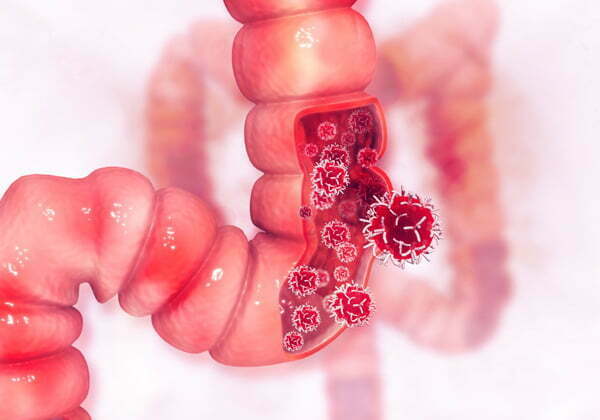
Most people think the prep for a colonoscopy is all about that one rough day before the procedure. But the truth is, what you do in the week leading up to it makes all the difference. The goal is to gradually switch to a low-residue diet, which means limiting high-fiber foods.
This simple change makes the final clean-out process so much easier and gives your doctor the clear view they need. Think of it this way: following this plan is the single best thing you can do to guarantee an accurate and successful screening.
Why Your Prep Diet Really Matters
When it comes down to it, getting ready for a colonoscopy is all about one thing: giving your doctor a crystal-clear view of your entire colon. If your colon is cluttered with undigested food, the tiny camera can’t spot small but critical things like polyps or the earliest signs of trouble. A subpar prep can hide these details, which might lead to a missed diagnosis or, even worse, having to do the whole thing over again.
This is especially vital if you're undergoing cancer surveillance. For anyone managing a colon cancer diagnosis or in remission, a successful colonoscopy is an absolute must for long-term care. It’s how your team makes sure nothing has been overlooked.
The whole point of the week-long diet is to reduce the amount of stool in your colon so the final liquid laxative can do its job efficiently. This isn't just about checking boxes; it's about making the entire experience less stressful for you and more effective for your doctor.
The good news is that the approach to this prep has gotten so much better. The days of incredibly restrictive diets for a full week are mostly behind us. We now know that a more manageable low-residue plan works just as well.
In fact, a 2016 study showed that allowing foods like eggs, yogurt, and white bread gave doctors a comparable view of the colon while making the prep much more tolerable for patients. You can read more about these advances in colonoscopy prep diets on UCIHealth.org. This modern approach makes the colonoscopy diet week before far less daunting, helping more people get through this life-saving screening without a hitch.
Your 7-Day Colonoscopy Diet Countdown
Think of the week leading up to your colonoscopy as a strategic countdown. This isn't about deprivation; it’s about setting the stage for a successful procedure. Your colonoscopy diet week before starts right now, and the main goal from Day 7 down to Day 2 is to embrace a low-residue diet.
What does that even mean? Simply put, you’ll be choosing foods that are easy to digest and don't leave much "residue"—or undigested stuff—hanging around in your colon. This small change makes the final clean-out process on prep day so much easier and more effective. You're basically giving your prep solution a massive head start.
Days 7 to 4: The Low-Residue Kickstart
For the first few days, your mission is to start phasing out the high-fiber usual suspects. The big things to cut out are nuts, seeds, whole grains, raw vegetables, and any fruits that have skins or seeds. These are the tricky foods that love to hide in the colon's little folds and can easily block your doctor's view.
Instead, you'll be leaning into simpler, more refined foods. I know it feels completely backward from everything we're told about healthy eating, but for this one week, white bread is actually your best friend.
- Breakfast Idea: Scrambled eggs with a slice of white toast. Your clinic might say no butter, so always double-check their specific instructions.
- Lunch Idea: A simple sandwich on white bread with lean turkey or chicken, maybe with a side of canned peaches (skinless, of course).
- Dinner Idea: Baked or grilled fish, a side of plain white rice, and some well-cooked, skinless carrots.
This shift is all about preparation, not punishment. If you're someone who likes to plan, looking into some effective meal prep strategies for the entire week can take a lot of the stress out of the equation. Having things ready to go means you won't be tempted to grab something you shouldn't.
Days 3 to 2: Fine-Tuning Your Diet
As you inch closer to your procedure day, the rules get a little tighter. You’re still on the low-residue diet, but it’s a good idea to start eating smaller, lighter meals. This gives your digestive system even less work to do.
Now is the time to be hyper-vigilant about sneaky high-residue ingredients. Read the label on that yogurt—does it have fruit bits or granola? Steer clear of anything with whole wheat flour, corn, peas, or beans.
Your guiding principle should be: If it's tough, fibrous, or has a skin, seed, or hull, avoid it. This simple rule will help you navigate grocery aisles and your kitchen with confidence, ensuring you don't accidentally sabotage your prep.
Low-Residue Diet Foods Allowed vs Forbidden
To make things crystal clear, here’s a quick-reference guide to help you choose the right foods during the week before your colonoscopy.
Every meal you eat this week is one step closer to a clear and accurate colonoscopy. By sticking to these guidelines, you’re not just making prep day easier on yourself—you're actively improving the quality of your medical care. This diligence gives your doctor the best possible view to find polyps and keep you healthy.
The Final 48 Hours: The Clear Liquid Finish Line
Alright, you’ve made it through the low-residue diet, and now you’re in the home stretch. These last two days before your procedure are, without a doubt, the most important part of your prep. This is when you’ll switch from solid foods to a strict clear liquid diet. Your doctor's office will give you the exact timing, but this almost always starts the day before your colonoscopy.
The whole point of this final phase is simple: get your colon completely clean. A squeaky-clean colon means your doctor gets a perfect, unobstructed view, which is exactly what you want. What you can consume gets very limited here, but if you know the rules, it's totally manageable.
This visual guide breaks down how you’ll transition from your week-long diet change into this final, critical day.
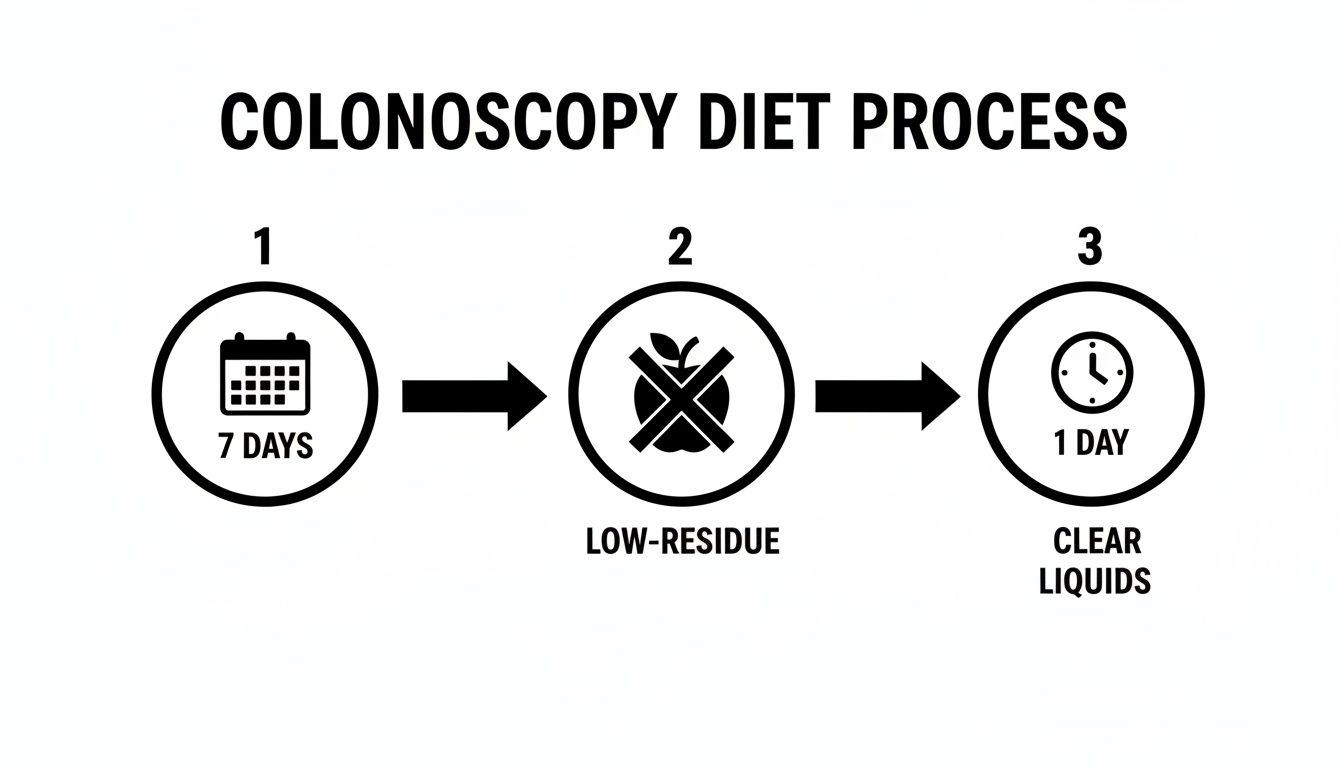
As you can see, the prep is a gradual process that culminates in this one last push. Sticking to the plan now ensures all your effort this week pays off.
So, What Exactly Is a "Clear Liquid"?
The term "clear liquid" throws some people off. It doesn't mean it has to be colorless like water. The rule of thumb I always share is: if you can pour it into a glass and read a newspaper through it, it's a clear liquid.
And thankfully, it’s not just water. You have options that will help keep you hydrated, balance your electrolytes, and give you just enough sugar to keep from feeling completely drained.
- Your Go-To Drinks: Water is king, of course. But you can also have clear broths (chicken, beef, or vegetable), apple juice, and white grape juice.
- "Food" Options: You're not totally out of luck. Gelatin (like Jell-O), popsicles, and even hard candies are on the table, as long as you follow the color rule below.
- The Caffeine Question: Yes, you can usually have your coffee or tea. But it must be black. No milk, no cream, and no non-dairy creamers of any kind.
Having a little variety makes the day much easier to get through. Trust me, a warm mug of broth can feel incredibly satisfying when real food isn't an option.
Here's the most critical rule for this entire phase: You must avoid anything with red, purple, or blue coloring. These dyes can stain the lining of your colon. During the procedure, the doctor might mistake this staining for blood, which could lead to an inaccurate diagnosis or, worse, the need to do this whole prep all over again.
Keeping Your Energy and Hydration Up
Once you start the laxative solution, staying hydrated becomes your number one job. Dehydration is the enemy here—it can make you feel weak, dizzy, and nauseous, and that just makes a tough process feel even tougher.
This is where sports drinks become your best friend. They are fantastic for replenishing the electrolytes like sodium and potassium that your body loses during the prep. Just make sure you stick to light-colored flavors like lemon-lime or yellow.
A Sample Plan for Your Clear Liquid Day
This final part of your colonoscopy diet week before is the hardest, but it's also the shortest. By following these rules to the letter, you're setting yourself up for a successful procedure. And remember, even if you think you're "clear," you have to drink the entire prep solution as directed. Finishing the prep is the only way to guarantee your doctor gets the clear view they need.
Special Dietary Guidance for Oncology Patients
When you’re going through cancer treatment, preparing for a colonoscopy isn't just a standard procedure—it’s a balancing act. The usual prep can be draining enough, but when you add in side effects from therapy like fatigue, nausea, or mouth sores, it becomes a whole different ballgame. Your body is already under immense stress, so it’s critical to handle this prep with an extra layer of care.
The main objective here is to get a clean colon without throwing your nutrition and well-being off track. That all begins with an open and detailed conversation with your oncology team long before you start the colonoscopy diet week before.
Coordinating With Your Oncology Team
Think of your oncologist and your gastroenterologist as co-pilots for this procedure. They absolutely must be in sync. Your cancer treatment schedule—whether it’s chemotherapy, immunotherapy, or other medications—always comes first, and you should never make changes on your own.
Walk into your appointment with a full list of every medication and supplement you take. Pay close attention to these:
- Blood Thinners: If you're on warfarin, Eliquis, or even a daily aspirin, you'll need precise instructions. Your doctors will map out exactly when to stop and restart them to manage any bleeding risks during the procedure.
- Iron Supplements: These are a definite no-go for about a week beforehand. Iron can stick to the colon walls, essentially painting them and making it impossible for the doctor to get a clear view.
- Diabetes Medications: Your doses will almost certainly need to be adjusted, especially once you hit the clear liquid diet phase. This is vital for preventing a dangerous dip in your blood sugar.
Getting everyone on the same page is the best way to ensure your safety and avoid having to cancel and repeat the whole process.
Managing Nutrition and Hydration
For anyone undergoing cancer treatment, maintaining good nutrition is a constant battle. A restrictive colonoscopy prep can easily put you at risk of losing precious calories and protein right when you need them most.
In fact, one observational study found that nutritional deficiency rates hit a staggering 67.2% in patients during the 48 hours before a colonoscopy. For someone already fighting an illness, that’s a serious concern. You can read the full research about these nutritional findings.
The key is to focus on nutrient density. When you switch to clear liquids, opt for high-quality bone broths instead of plain bouillon cubes—they provide more protein and minerals. It's also worth asking your doctor if there are any approved clear nutritional supplement drinks you can have. For more tips on keeping your strength up, take a look at our guide on what to eat during chemotherapy.
Pro Tip: If nausea is a major issue for you, try chilling everything you have to drink, including the prep solution itself. Sometimes sipping it slowly through a straw is the trick that makes all the difference in keeping it down.
Key Questions to Ask Your Doctor
Walking into your appointment prepared with questions is empowering. It helps you and your medical team cover all the bases, ensuring a safe and successful procedure.
Your Pre-Procedure Checklist
- How do we need to adjust my chemotherapy or other treatments around the prep and the day of the colonoscopy?
- Given my health, what specific signs of dehydration should I be looking out for?
- Are there any electrolyte drinks or clear nutritional supplements you’d recommend specifically for me?
- Who should I call if I start having severe nausea, vomiting, or other symptoms that worry me during the prep?
Don't hesitate to ask everything on your mind. Your team is your best resource for getting through this safely so you can get back to focusing on your treatment and recovery.
Common Prep Mistakes And How To Avoid Them
Even the most well-laid plans can go awry. When it comes to your colonoscopy diet week before, knowing the common tripwires ahead of time is your best defense against an incomplete prep. These simple missteps can unfortunately compromise the procedure, but they are all easily avoidable with a bit of extra awareness.
A frequent, and critical, error is forgetting to stop certain medications and supplements. For instance, iron supplements need to be paused about a week beforehand because they can coat the colon and make it tough for your doctor to see clearly. The best policy is to give your clinic a full list of everything you take, including vitamins and over-the-counter pills.
Overlooking Hidden High-Residue Ingredients
You might be carefully avoiding whole grains and seeds, but high-residue ingredients can be surprisingly sneaky. They often pop up in foods you'd least expect, undoing all your hard work.
- Seeded Yogurts: A lot of fruit-flavored yogurts contain tiny seeds from strawberries or raspberries. Always check the label or just stick with plain yogurt.
- "Healthy" Crackers: Those innocent-looking multigrain crackers often contain whole wheat flour or hidden seeds. Plain saltines or crackers made from white flour are a much safer bet.
- Red and Purple Drinks: Once you hit the clear liquid stage, stay away from any drinks, gelatin, or popsicles that are red, purple, or even blue. These dyes can stain your colon lining and be mistaken for blood during the exam.
Interestingly, it turns out that being super strict in the final day or two might matter more than the total length of your diet. A recent meta-analysis found almost identical success rates for single-day (90.1%) versus multi-day (89.7%) low-residue diets, as explained in these findings on patient prep success. The key is consistency.
Managing The Prep Solution Itself
Let's be honest—the prep solution is nobody's favorite part. This is where many people run into trouble, and not finishing the whole thing is a classic mistake. Even if your bowel movements seem clear, you have to drink every last drop. The full dose is what ensures the entire colon, especially the upper portions, is completely cleaned out.
Pro Tip: Feeling nauseous while drinking the prep? Don't just power through. Try chilling the solution in the fridge for a few hours. Sipping it ice-cold through a straw can make a world of difference.
Staying on top of these details is crucial, particularly if you’re navigating other health challenges. For those dealing with a cancer diagnosis, understanding how to handle procedural side effects is vital. We have some guidance on managing gastrointestinal cancer symptoms during treatment that you might find helpful.
By knowing what to watch for, you can steer clear of these common hurdles and show up for your appointment confident and fully prepared.
Your Top Questions About the Colonoscopy Diet Answered
Going through the prep week for a colonoscopy can feel a bit overwhelming, and it's totally normal to have questions pop up along the way. I've heard just about all of them over the years, so let's clear up a few of the most common concerns to help you feel more confident.
Can I still have my morning coffee or a soda?
Yes, you can! For the first few days on the low-residue diet, coffee with a little creamer and light-colored sodas are perfectly fine.
The rules change once you switch to the clear liquid diet, though. At that point, it’s black coffee only—no cream, no milk. For sodas, stick to clear ones like Sprite, 7-Up, or ginger ale. You absolutely must avoid any dark colas and anything with red, purple, or blue dye.
What happens if I ate something I wasn't supposed to?
First, don't panic. It happens. If you accidentally ate something with a bit of fiber a few days before your procedure, it probably won't be a big deal. The real problem is eating any solid food the day before your colonoscopy.
If that happens, you need to call your doctor's office right away. They'll ask you what you ate and when, and they'll be the ones to decide if you can still go ahead or if it's safer to reschedule. The sooner you call, the better.
Thinking About Gut Health After Your Procedure
Once your colonoscopy is done, it's common to think about getting your gut microbiome back on track. If you're curious about rebalancing things, this is a great resource for understanding the effectiveness of probiotics from the team at Superbloom.
Getting the prep right is the single most important thing you can do. It drastically cuts down the chance of needing a do-over and helps your doctor get the clearest possible view.
My bowel movements aren't clear even after I finished all the prep. What do I do?
The goal is to see your output turn into a clear or yellowish liquid—think of it like urine. If you've finished the entire prep solution and you're still passing murky, brown, or solid stool, don't wait.
Pick up the phone and call your doctor's office immediately, even if it's after hours; they'll have someone on call. They might suggest an extra step, like a tap-water enema, to finish the job. Never just guess or hope for the best. Always call for their specific instructions.
A few final tips that have helped countless patients get through it:
- Keep a sports drink on hand to stay hydrated and keep your electrolytes up.
- Try chilling your prep solution and sipping it through a straw. It can really help with the taste and prevent nausea.
- Again, if your output isn't clearing up as expected, make that call. It prevents a lot of last-minute stress.
Ready for expert guidance before and after your colonoscopy? Schedule a consultation at Hirschfeld Oncology: https://honcology.com/blog
.png)
.png)