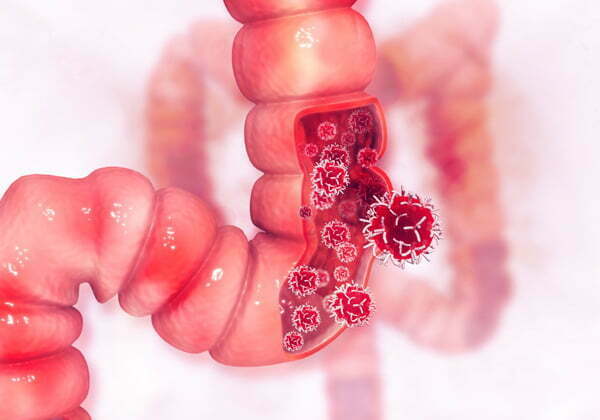
.png)


When you hear the word "chemotherapy," you probably picture the tough, intensive treatments used to fight cancer head-on. But that's only part of the story. Maintenance chemotherapy is a different approach, one that comes into play after the initial, more aggressive battle has been won.
Think of it this way: initial chemo is like putting out a major fire. Maintenance therapy is like having firefighters stay on-site afterward to watch for smoldering embers and prevent them from flaring up again. The main goal is to keep the cancer in remission and stop it from coming back.
Defining Maintenance Chemotherapy In Simple Terms

After an intense round of what we call induction therapy, the hope is to knock out as much of the cancer as possible. The problem is, even our best scans can't always spot microscopic cancer cells left behind. These lingering cells can lie dormant, waiting for a chance to grow. That's where maintenance chemotherapy steps in.
This strategy uses much lower, more manageable doses of chemotherapy drugs—or sometimes, different and gentler drugs entirely. It's administered over a much longer period, not to chase a cure, but to control the disease and turn what was once a life-threatening illness into a manageable, chronic condition.
A Focus On Control And Quality Of Life
The whole point of maintenance therapy is to delay the cancer's progression while making sure you can still live your life. By using less intense regimens, we aim to dial down the harsh side effects that often come with high-dose treatments. This balance helps you keep up with your daily routines, maintain your energy, and preserve your overall well-being.
The philosophy behind maintenance therapy is proactive control. Instead of waiting for the cancer to return and then reacting, this strategy actively works to suppress its growth, extending the period of remission and improving long-term outcomes for patients with certain advanced cancers.
This patient-first approach is incredibly valuable, especially for advanced or metastatic cancers where a complete cure might not be on the table. For many people, it’s a powerful tool for living longer and better by keeping the disease in check. You can learn more about what to expect with different treatment approaches in our guide to chemotherapy.
Key Characteristics Of Maintenance Therapy
To really grasp its role, it helps to look at its defining features. Maintenance chemotherapy is all about:
- Lower Doses: The treatments are far less aggressive than the initial therapy, which means a lower risk of severe side effects like major hair loss or debilitating nausea.
- Long-Term Application: This isn't a short, intense sprint. It's a marathon that can continue for months or even years, as long as it's working and your body is tolerating it well.
- Preventative Goal: Its main job is prevention. It's designed to stop stray cancer cells from regrouping and staging a comeback after the initial treatment was successful.
To help break this down even further, the table below provides a quick snapshot of what sets maintenance therapy apart.
Maintenance Chemotherapy At A Glance
This table breaks down the core concepts of maintenance therapy, offering a quick reference to understand its unique role compared to other treatment phases.
Ultimately, this approach is a testament to how modern oncology has shifted. The focus isn't just on fighting the disease, but on enabling patients to truly live and thrive, both during and after their treatment.
What Are We Trying to Accomplish with Maintenance Therapy?
After you’ve gone through the rigors of initial cancer treatment, the last thing anyone wants is for the cancer to come roaring back. This is where maintenance therapy comes in. The goal fundamentally shifts from an all-out assault on the cancer to a long-term, strategic containment plan. It’s less about landing another knockout punch and more about preventing the cancer from ever getting back on its feet.
The main objective is to stretch out the period of remission or stability you fought so hard to win.
Extending Your Time and Improving Your Outlook
Oncologists have specific terms for what we’re trying to achieve here. The first is Progression-Free Survival (PFS). It’s a bit of a clinical-sounding phrase, but it simply means the length of time you live without the cancer getting any worse. Maintenance therapy is all about hitting the "pause" button on the disease's progression for as long as we possibly can.
Of course, the ultimate goal is to improve Overall Survival (OS)—the total time a person lives after their diagnosis. By keeping the cancer in check with a lighter, more manageable treatment, maintenance therapy can help turn what was an acute threat into something more like a chronic condition, adding months or even years to a person's life.
Finding the Sweet Spot: Efficacy vs. Quality of Life
Here’s the critical part: extending life has to be balanced with living that life. The whole philosophy behind maintenance therapy is to use treatments that are gentler and more tolerable than the high-dose chemo you likely received upfront. This is a non-negotiable part of the strategy.
We’re looking for a sustainable rhythm that lets you get back to your daily routines, your work, and the things you love without being completely sidelined by side effects. The goal isn’t just to see good news on a scan; it’s to make sure you feel well enough to actually enjoy the extra time you’ve gained.
The core idea behind maintenance is achieving control without compromise. We aim to hold cancer at bay with less toxic therapies, preserving your energy and well-being so you can live more fully.
We've seen this work incredibly well in cancers like ovarian cancer. For instance, a 2019 analysis of 1,767 patients found that maintenance therapy with bevacizumab extended remission for an average of 196 days, and PARP inhibitors worked even longer. Both were a huge improvement over older approaches. You can dig into the specifics of this real-world data on ovarian cancer maintenance therapy from ASCO.
Building a Bridge to Future Treatments
There's another, forward-looking goal to maintenance therapy. By keeping the disease stable and—just as importantly—keeping you strong, this approach can serve as a vital bridge to what comes next. The field of oncology is moving at an incredible pace, with new drugs and trials popping up constantly.
This bridge is so important for a few key reasons:
- It keeps you eligible for what's next. Many clinical trials require patients to have a good "performance status," which is just a way of measuring your overall fitness. Maintenance therapy helps you stay strong enough to qualify.
- It buys precious time. It creates a window of opportunity for the next breakthrough drug or therapy to become available.
- It saves the heavy hitters for later. By using a gentler therapy now, we preserve more intensive treatment options for the future, if and when they’re needed.
Think of it this way: successful maintenance therapy keeps you in the game. It’s a strategy that helps you live better today while making sure you’re in the best possible position to benefit from the treatments of tomorrow.
Comparing Maintenance Therapy To Other Cancer Treatments
Navigating the world of cancer treatment can feel like learning a whole new vocabulary. Terms like induction, adjuvant, and palliative get thrown around, and it's easy to get them mixed up. To really understand what maintenance chemotherapy is, it’s helpful to see where it fits in the larger picture of cancer care.
Each phase has a completely different job, intensity, and timing. Think of it like a full-scale battle plan—you wouldn't use the same strategy for the initial invasion as you would for peacekeeping duties afterward.
The Initial Push: Induction and Consolidation Therapy
When cancer is first found, especially if it's aggressive or has spread, the first line of attack is often induction therapy. This is the heavy artillery—an intense, high-dose treatment designed to knock back the cancer as hard and fast as possible. The single-minded goal here is to get the cancer into remission, a state where it's no longer detectable.
Right after a successful induction, some patients might move on to consolidation therapy. This is like sending in ground troops to clear out any stubborn pockets of resistance. The goal is to wipe out any cancer cells that might have survived the first assault, solidifying the remission and preventing the cancer from making an early comeback.
Securing The Win: Adjuvant Therapy
Now, let's talk about adjuvant therapy. This is a completely different scenario. It's used after a primary treatment, like surgery, has removed all visible cancer. Think of it as a preventative security sweep. The purpose of adjuvant chemo is to hunt down and eliminate any microscopic cancer cells that may have broken off from the main tumor before it was removed.
The key distinction is in the timing and the goal. Adjuvant therapy is a finite course of treatment for early-stage cancers where the aim is a cure. Maintenance therapy, on the other hand, is generally for advanced cancers that have been controlled—but not cured—by the initial treatment.
The Long Game: Palliative and Maintenance Therapy
This is where maintenance chemotherapy finds its role. It's a long-term, lower-intensity strategy that begins after the initial, more aggressive therapy has successfully brought an advanced cancer under control. The goal isn't necessarily to cure, but to hold the line—to keep the cancer suppressed and extend the period of remission for as long as possible.
Maintenance therapy is a proactive, long-term strategy focused on control. It differs from adjuvant therapy, which is a preventative, time-limited course after a curative procedure, and from palliative care, which focuses purely on symptom relief.
Then there's palliative therapy, which has an entirely different focus. Its primary mission is to relieve symptoms and improve a patient's quality of life when cancer is advanced and a cure is no longer the goal. While maintaining quality of life is also a huge part of maintenance therapy, palliative care’s main function isn’t to actively fight the cancer's growth. It's all about managing pain, fatigue, and other side effects, and it can be given at any point during treatment.
This flowchart breaks down how maintenance therapy's main objective leads to two crucial patient outcomes.
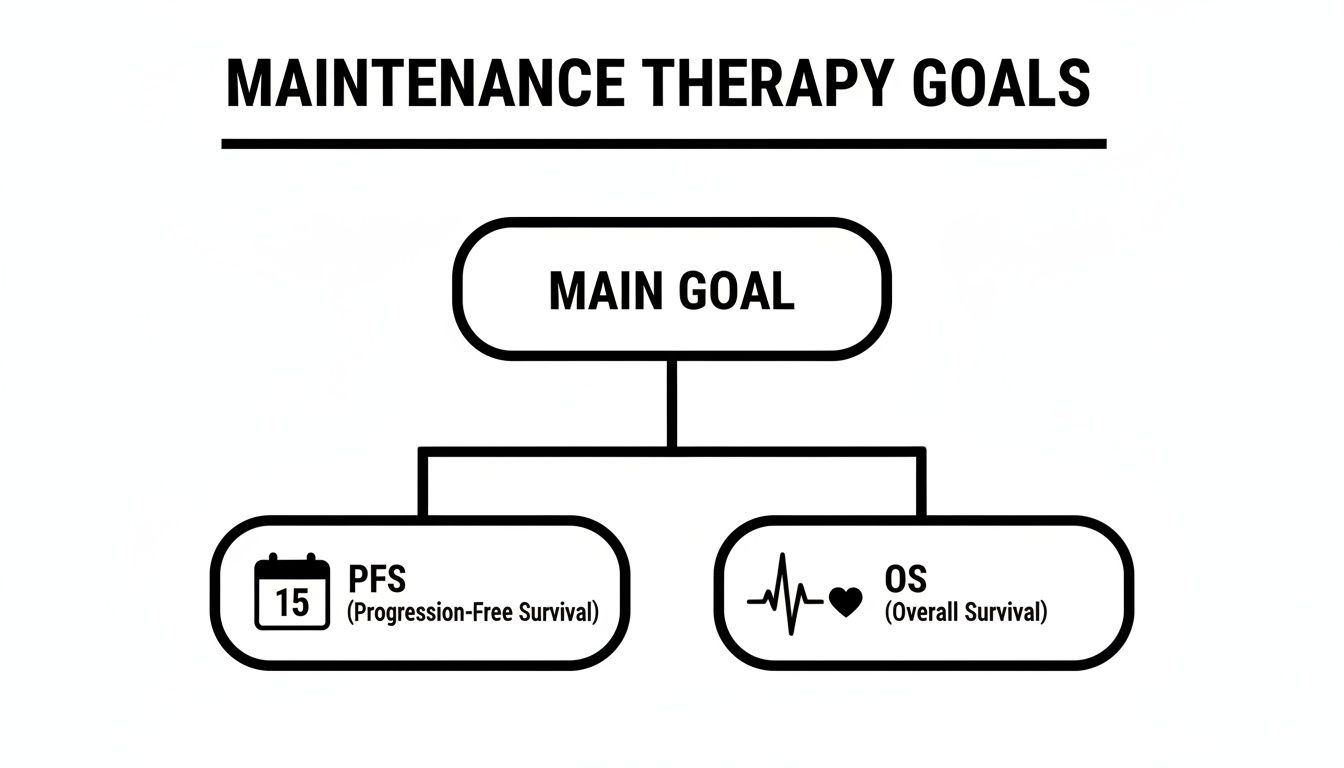
As you can see, the strategy is designed to hit two key targets: extending Progression-Free Survival (keeping the cancer from growing) and improving Overall Survival (helping patients live longer, better lives).
How Cancer Treatment Phases Differ
Putting it all together can be tricky, so this table breaks down the key differences between these chemotherapy strategies, highlighting the very specific job that maintenance therapy does.
By seeing how each phase is distinct, it becomes clear where maintenance chemotherapy fits into the overall strategy. It's a specific tool for a specific situation: managing advanced cancer for the long haul after the initial battle has been won, with the twin goals of extending life and preserving its quality.
Common Cancers And Drugs Used In Maintenance Therapy

Maintenance chemotherapy isn’t some cookie-cutter approach. It’s a very specific strategy we use for certain cancers where clinical trials have shown it can genuinely extend remission and, most importantly, improve survival.
The exact drug and schedule are tailored to the cancer’s unique biology, how well you responded to your initial treatment, and your overall health. Let’s walk through some of the most common cancers where this has become a game-changing part of the treatment plan.
Non-Small Cell Lung Cancer (NSCLC)
Advanced non-small cell lung cancer is a textbook example of where maintenance therapy has made a huge difference. After a patient goes through the initial, more aggressive chemo cycles and the cancer is stable or has shrunk, we shift gears. The goal is to hold onto those hard-won gains.
This strategy really came into its own for NSCLC in the early 2000s. The PARAMOUNT study, for instance, showed that continuing with the drug pemetrexed pushed the median time without cancer growth from 4.1 to 7.4 months. Another landmark trial, JMEN, found this tactic extended overall survival to 13.9 months compared to just 11.0 months for those who stopped treatment. You can explore the findings of these influential NSCLC trials to see the data for yourself.
A workhorse drug in this setting is Pemetrexed (Alimta). It works by essentially gumming up the machinery that cancer cells use to grow and divide, making it a powerful tool for keeping the disease suppressed long-term.
Ovarian Cancer
For many women with advanced ovarian cancer, maintenance therapy is a vital part of the treatment journey, especially after a successful round of initial platinum-based chemotherapy. The primary aim is to keep the cancer from coming back for as long as we possibly can.
The go-to drugs here often belong to a class called PARP inhibitors, like Olaparib (Lynparza). These are especially effective for patients who have specific genetic mutations, such as BRCA1 or BRCA2.
PARP inhibitors work by sabotaging a cancer cell's ability to repair its own DNA. By blocking this critical repair pathway, the drugs cause the cancer cells to self-destruct, stopping them from regrouping for a comeback.
Another key player is Bevacizumab (Avastin), which works in a completely different way. It’s an anti-angiogenesis drug, which is a fancy way of saying it cuts off the tumor’s blood supply. By starving the cancer of oxygen and nutrients, it makes it incredibly difficult for it to survive and spread.
Colorectal Cancer
When someone has advanced colorectal cancer, maintenance therapy offers a way to keep the disease under control while giving them a much-needed break from the grueling side effects of initial combination chemo. Once the cancer is beaten back, we can switch to a gentler regimen to preserve quality of life.
A common approach here is to combine a targeted drug like Bevacizumab with a less intense chemotherapy agent like 5-fluorouracil (5-FU). This keeps the pressure on the cancer without completely overwhelming the patient. For a more detailed breakdown, take a look at our guide on chemo drugs for colon cancer.
Continuation vs. Switch Maintenance
During these discussions, your oncologist might bring up two different maintenance strategies. Knowing the difference can help you better understand the "why" behind your specific treatment plan.
Continuation Maintenance: This is the most common path. It means you continue with at least one of the drugs that was part of your successful initial treatment, sometimes at a lower dose. For example, if pemetrexed was in your first chemo combo, you might continue with just pemetrexed for maintenance.
Switch Maintenance: In this scenario, you’re moved to a completely new drug that wasn't part of your initial therapy. This is usually done when the new agent is known to be effective but has a much milder side-effect profile, making it a better choice for long-term use.
No matter the specific path, the goal is always the same: finding the most effective and least toxic way to extend the benefits of your initial treatment and give you more high-quality time.
Managing Side Effects And Quality Of Life

The entire philosophy behind maintenance chemotherapy boils down to one word: balance. This long-term approach is designed to be much gentler than the high-intensity treatments you may have already been through, but that doesn't mean it's completely without challenges. We're aiming to keep the cancer under control without taking away your ability to live a full and meaningful life.
Understanding and staying ahead of potential side effects is a huge part of making this strategy successful. Your comfort and daily well-being are always the top priorities, and we can—and should—adjust your treatment plan to keep things in check.
Common Side Effects To Monitor
Because maintenance therapy uses lower doses or better-tolerated drugs, the side effects are typically less severe than what you might have experienced during induction chemo. Forget the debilitating nausea or complete hair loss; you’re more likely to run into milder, more persistent issues.
Some of the most common things patients report include:
- Persistent Fatigue: This isn’t just feeling tired. It's an ongoing sense of exhaustion that rest doesn't always fix, and it's one of the most common complaints.
- Mild Nausea: While much less intense, some people still deal with occasional queasiness or a dip in their appetite.
- Skin Changes: Depending on the specific drug, you might notice dry skin, a mild rash, or that you've become more sensitive to the sun.
- Nerve Issues (Neuropathy): Certain agents can cause a tingling or numbness in the hands and feet that develops over time.
Keeping an open line of communication with your oncology team is the single most important tool you have. Never, ever assume a side effect is "just something you have to live with." We can almost always do something about it.
The Critical Role Of Quality Of Life
The ultimate goal here isn't just to extend survival on a chart; it's to extend your high-quality, enjoyable life. That distinction is everything. The reality is that any ongoing treatment, even at a low dose, can have an impact on your day-to-day.
While studies confirm that certain maintenance strategies improve Overall Survival, it's also worth noting that they don't always show an improvement in quality-of-life scores compared to just watching and waiting. This is exactly why we focus on personalized, low-toxicity regimens and proactive symptom management at Hirschfeld Oncology.
The success of maintenance therapy is measured in two ways: by the stability of your scans and by your ability to wake up each day feeling well enough to do the things you love. Both are equally important.
Your feedback drives the plan. If side effects are becoming too much of a burden, your oncologist has several options, like adjusting the dose, changing the schedule, or even planning a temporary "drug holiday" to give your body a break.
Proactive Management And Support
Staying ahead of side effects is far more effective than trying to chase them down once they've become severe. Simple, proactive steps can make a world of difference. You can learn more about advanced approaches to managing side effects in our detailed guide.
While maintenance therapy is all about prolonging and improving life, it's also wise for patients and families to know what support is available for more advanced stages, including specialized end of life care services. Having access to these resources provides an extra layer of support and peace of mind, ensuring comfort and dignity are always at the forefront of the entire cancer journey.
Who Is A Good Candidate For Maintenance Therapy
Figuring out if maintenance chemotherapy is the right path forward is a deeply personal decision, not a simple yes-or-no question. It’s an approach designed for a specific moment in the cancer journey—after a patient has successfully navigated the first, more intensive phase of treatment.
The best candidate is usually someone who has already seen a good response to their initial, high-dose chemotherapy. This means their scans show the cancer has stabilized (it's not growing) or has even shrunk. That initial success is a crucial sign that the cancer is vulnerable, and it suggests a less intense strategy can now work to keep it that way for as long as possible.
Evaluating Overall Fitness And Treatment Goals
Beyond how the cancer responded, a person's overall health plays a huge role. Oncologists often talk about performance status, which is really just a way of gauging how well someone can manage their day-to-day activities. A good performance status means you're strong enough to handle a continuous, long-term treatment without it completely disrupting your life.
This is non-negotiable. The whole point is to add good quality time, so the treatment can't be more draining than the disease itself.
A great candidate for maintenance therapy is someone whose cancer is under control after initial treatment and who is strong enough to manage a less intense, long-term regimen. The goal is to transform an advanced cancer into a chronic, manageable condition, striking a balance between controlling the disease and living well.
Several key factors point toward someone being a good fit:
- Cancer Stage: This approach is almost always reserved for advanced or metastatic cancers (like Stage 4), where the goal has shifted from cure to long-term control.
- Treatment Response: You need to see proof that the initial therapy worked. A "stable disease" or "partial response" is typically the minimum requirement before starting a maintenance plan.
- Patient Tolerance: If you were able to handle the side effects of induction therapy without debilitating issues, it’s a good sign you can likely manage a gentler, ongoing regimen.
Making A Collaborative Decision
Ultimately, starting maintenance chemotherapy is a conversation, a partnership between you and your oncology team. It involves carefully weighing the very real benefit of keeping the cancer from progressing against the potential impact of continuous, even if milder, side effects.
For people facing advanced cancers that might not be curable, this strategy represents a powerful tool. It offers a way to extend remission, preserve a high quality of life, and stay one step ahead of the disease. This thoughtful approach ensures your treatment plan truly aligns with your personal goals for living an active and fulfilling life.
Your Questions About Maintenance Chemotherapy, Answered
When you're settling into a long-term cancer treatment plan, a lot of practical questions are bound to come up. Let's walk through some of the most common things patients ask about maintenance chemotherapy, so you can feel more prepared for this phase of your care.
Knowing what to expect makes it much easier to have productive conversations with your oncology team and line up your treatment with your personal health goals.
How Long Does Maintenance Chemotherapy Usually Last?
This is probably the number one question, and the honest answer is: it completely depends on your unique situation. There’s no standard timeline. The length of your maintenance therapy is tailored specifically to your cancer type, the drugs being used, and, most importantly, how you’re feeling on the treatment.
For some, the plan might have a clear finish line—say, one or two years. For others, especially those with advanced cancer, maintenance therapy might continue for the long haul, as long as it's keeping the cancer in check and the side effects aren't getting in the way of life. Your oncologist will track everything closely with regular scans and tests to make sure it’s still the right path.
Will I Lose My Hair During Maintenance Therapy?
It’s unlikely. Significant hair loss is much less common with maintenance chemo than it is with the more aggressive, initial treatments. That's by design. The drugs and lower doses used in maintenance are chosen specifically because they're gentler on the body’s healthy cells, including hair follicles.
While some drugs might cause some mild thinning over time, it’s rare to see the kind of complete hair loss that many people associate with chemo. Always ask your care team about the specific side effects of your prescribed drug—they can give you a clear picture of what to expect before you start.
Success in maintenance therapy isn't just about what we see on a scan; it's also about how you feel day-to-day. The goal is to hit that sweet spot: keeping the cancer stable while you enjoy a high quality of life.
How Will We Know If The Treatment Is Working?
Your oncology team will be watching your progress from a few different angles to make sure the therapy is doing its job. This combination of check-ins gives everyone a complete picture.
- Imaging Scans: You’ll have periodic CT or PET scans to get a direct look at the cancer. The main goal is to see that it isn't growing or spreading. We compare these images over time to confirm everything is stable.
- Blood Tests: Regular blood work helps us track tumor markers—substances that can signal cancer activity. A stable or decreasing number is a great sign.
- How You Feel: This one is just as critical. Your oncologist will constantly check in on your energy levels, any symptoms you’re having, and your overall sense of well-being. If the treatment is making you feel awful, it’s not truly working.
Is It Possible To Take Breaks From The Treatment?
Absolutely. Planned breaks, sometimes called "drug holidays," can be a really important part of a long-term maintenance strategy. If side effects like fatigue or nerve pain start to pile up, your oncologist might suggest pausing treatment for a bit to let your body bounce back.
These decisions are always made together, carefully weighing the need for symptom relief against any risk of the cancer waking up. Modern cancer care isn't rigid; it's all about adjusting doses and schedules to find a sustainable rhythm that lets you live your life.
At Hirschfeld Oncology, our focus is on creating personalized cancer care plans that are not only effective but also support your quality of life. If you have questions about maintenance therapy or other advanced treatment options, we’re here to offer clarity and hope. You can learn more about our patient-first philosophy and how we can support you by visiting our blog on advanced oncology topics.
.png)
.png)