.png)


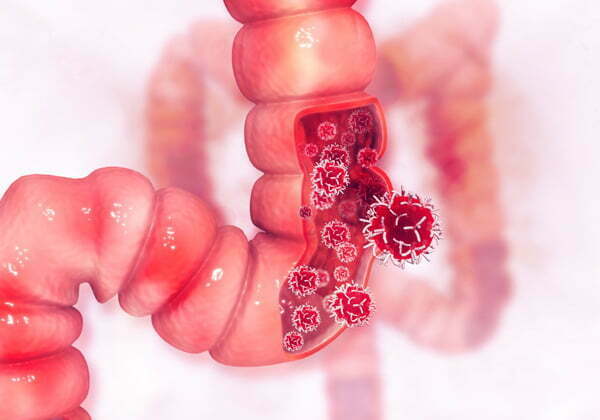
Peritoneal carcinomatosis is cancer that has spread to the lining of the abdomen, called the peritoneum, and in a large Swedish study of colorectal cancer, 8.3% of patients developed it. It isn't a new kind of cancer. It's a pattern of spread in which cells from a primary tumor, often in the colon, stomach, ovaries, or other abdominal organs, break away and seed the abdominal lining.
If you're reading this, there's a good chance you or someone you love has just heard a term that sounds technical, frightening, and frustratingly vague. Many patients tell us the same thing: "I understand I have cancer, but I don't understand what this new term means." That's a completely reasonable reaction.
Peritoneal carcinomatosis often enters the conversation after a scan, during a surgical consultation, or when symptoms like bloating and abdominal discomfort don't fit a simple explanation. The words can make it sound like a separate disease. In reality, it's better understood as an advanced stage of spread.
That distinction matters because treatment decisions depend on where the cancer started, how much of the peritoneum is involved, what symptoms you're having, and whether local treatments, systemic treatments, or both make sense. Patients also get misled by incomplete information online. Much of the public discussion focuses on ovarian cancer, even though men with colorectal or gastric cancers can also develop peritoneal spread and may feel overlooked in the process.
An Introduction to Peritoneal Carcinomatosis
Peritoneal carcinomatosis can feel abstract until someone explains it in plain language. The peritoneum is a thin tissue lining inside your abdomen. When cancer cells attach to that lining and begin to grow there, doctors call that peritoneal carcinomatosis.
This diagnosis usually means the original cancer has become more complex, not that anyone missed something obvious or failed to act fast enough. Peritoneal spread is often hard to detect early because tiny implants can be difficult to see on routine imaging, especially when they're small.
Patients often get stuck on the wording. They wonder whether this is the same as "abdominal metastases," whether it means surgery is impossible, or whether all treatment now becomes purely palliative. The answer is more nuanced than that. Some people are evaluated for surgery-based approaches such as cytoreductive surgery with HIPEC. Others are better served by intravenous chemotherapy, targeted therapy, immunotherapy, symptom-focused care, or newer regional approaches.
What matters most early on: ask where the cancer started, how your team is measuring the amount of disease, and whether your case should be reviewed by doctors with experience in peritoneal surface malignancies.
Another source of confusion is identity. Many men with colon or stomach cancer don't realize this pattern of spread can happen to them because so much educational content frames it as a gynecologic issue. That gap can leave patients feeling isolated at exactly the moment when they most need a clear plan.
The good news is that once you understand the anatomy, the symptoms, and the logic behind staging, the next conversations become easier. Terms like PCI, HIPEC, and PIPAC stop sounding like random acronyms and start making practical sense.
What Is the Peritoneum and How Does Cancer Spread There
The peritoneum is the thin, slippery lining inside the abdomen. It covers the abdominal wall and wraps around many of the organs, allowing the intestines, stomach, and liver to move against one another with less friction.

What the peritoneum actually does
Patients rarely hear about the peritoneum until cancer care becomes more complicated. Then it suddenly matters a great deal.
This lining does more than sit in the background. It forms a large surface area throughout the abdomen, and that surface can become a place where cancer cells attach and grow. For cancers that begin in the colon, stomach, appendix, ovaries, or nearby organs, spread can happen directly within the abdominal cavity rather than only through blood or lymph channels.
That distinction helps explain why peritoneal carcinomatosis can look and behave differently from metastases in the liver or lungs.
How seeding happens
Some tumors shed cells from their outer surface. Those loose cells can circulate in the small amount of fluid that normally moves through the abdominal cavity. If conditions allow, they stick to the peritoneal lining, settle into its folds and recesses, and grow into tumor deposits over time.
A practical way to understand it is to picture fine dust settling across a room rather than one lump forming in one corner. The disease may appear as many small spots scattered over surfaces, sometimes coating tissue in thin layers, sometimes forming larger nodules. That pattern is one reason patients can have significant symptoms even when imaging does not show one dominant mass.
At Hirschfeld Oncology, this is one of the points we slow down to explain carefully, especially for men with colorectal or gastric cancer who are often surprised to learn that peritoneal spread is part of their disease pattern too. Many patient resources still describe this topic as if it mainly concerns ovarian cancer. In daily practice, that is far too narrow.
Peritoneal spread involves surfaces throughout the abdomen. Treatment decisions depend on where those deposits are, how extensive they are, and whether they are diffuse, localized, or causing blockage or fluid buildup.
Why this pattern is hard to visualize
Surface disease is harder to picture than a tumor growing inside a single organ. It can be thin, patchy, and tucked between loops of bowel or along the diaphragm, pelvis, and omentum. Some deposits are obvious. Others are flat enough or small enough to escape detection on routine scans.
That is why the diagnosis can feel confusing. Families may hear that the CT scan looks limited, yet the symptoms are very real. Both can be true at the same time.
A few core points usually make the anatomy clearer:
- The original cancer still defines the biology. Peritoneal spread from colon cancer does not behave exactly like spread from stomach, appendix, or ovarian cancer.
- The disease is often unevenly distributed. One area of the abdomen may have little involvement while another has dense tumor deposits.
- Imaging has real limits with surface implants. Small deposits can be difficult to see, especially when they lie along bowel surfaces or within normal folds of tissue.
- Treatment planning must match the pattern of spread. Some therapies treat the whole body, while others are directed into the abdomen itself, including newer regional approaches such as PIPAC in selected cases.
Once patients understand the peritoneum as a lining with many surfaces, the logic behind staging, surgery discussions, HIPEC, and newer options becomes much easier to follow.
The Primary Cancers That Cause Peritoneal Carcinomatosis
Peritoneal carcinomatosis doesn't start in the peritoneum in most cases. It starts somewhere else, then spreads there. In practice, the cancers that most often raise this concern are those that begin in or near the abdominal cavity.

Colorectal cancer
For many patients, especially men, this is the most important category to understand. A large Swedish study of more than 11,000 colorectal cancer patients found that 8.3% developed peritoneal carcinomatosis, with important risk factors including colon location rather than rectal location, T4 tumors, and N2 nodal status (population study of colorectal cancer and peritoneal spread).
That number matters because it shows this isn't rare in advanced colorectal care. It also helps explain why colorectal specialists take abdominal symptoms and subtle imaging changes seriously, even when the liver and lungs get more public attention.
Gastric and other gastrointestinal cancers
Stomach cancer can also spread across the peritoneal lining because of its location and biology. The same broad logic applies to some pancreatic, bile duct, and appendiceal cancers. Tumors that arise within the abdominal cavity may have direct access to the surfaces of the peritoneum, making "seeding" more plausible than in cancers that begin far away.
Patients often ask why one gastrointestinal cancer spreads to the liver while another coats the abdomen. The honest answer is that tumor biology differs. Where a cancer starts, how far it penetrates tissue, and how its cells interact with nearby surfaces all influence the pattern of spread.
Ovarian cancer and the common misconception
Many educational materials mention ovarian cancer first, and for understandable reasons. Ovarian malignancies commonly involve the peritoneum. But that emphasis has created a real blind spot for other groups of patients.
Patient education discussions show a significant knowledge gap around male patients with peritoneal carcinomatosis from colorectal or gastric cancers. Many patients and caregivers say the condition is discussed almost exclusively through an ovarian cancer lens, which can delay recognition and leave men without specific support resources (patient forum discussion highlighting the gap).
If you're a man with colon or stomach cancer and you've been told you have peritoneal disease, you're not an outlier. You're part of a group that hasn't been represented well in patient education.
A simple way to think about origins
Different primary cancers raise different treatment questions. This table can help organize the discussion.
| Primary cancer | Why peritoneal spread may happen | Common patient confusion |
|---|---|---|
| Colorectal | Tumor cells can shed into the abdominal cavity, especially in advanced local disease | "I thought colon cancer only spread to the liver" |
| Gastric | The stomach sits within the abdomen, so surface spread can occur | "Why do I have bloating if the cancer started in the stomach?" |
| Ovarian | Peritoneal involvement is a familiar pattern in gynecologic oncology | "Is this the only cancer that causes it?" |
| Pancreatic or biliary | Advanced abdominal tumors can also involve the peritoneum | "Is this still treated like pancreatic cancer, or as something different?" |
The key point is simple. Peritoneal carcinomatosis is named by where the cancer has spread, but treatment still starts with where it began.
Recognizing the Signs and Symptoms of Peritoneal Spread
A common scene in clinic goes like this. Someone says, "I am not in severe pain, but something is clearly wrong." Their stomach feels tight by late afternoon. A few bites of food feel like a full meal. Pants that fit in the morning feel restrictive at night. For many patients, especially men with colorectal or stomach cancer, these changes are easy to second-guess because they can sound like reflux, constipation, stress, or recovery from treatment.
That uncertainty is part of what makes peritoneal spread so hard to recognize early. The peritoneum lines the abdominal cavity and covers many organs, so cancer on this surface often affects how the abdomen works before it causes one dramatic symptom. At Hirschfeld Oncology, we spend time translating those daily changes into medically useful clues, because patients are often told only to watch for "worsening symptoms," without anyone explaining what worsening looks like.
What symptoms can feel like in daily life
Peritoneal spread often changes comfort, appetite, and bowel function in subtle ways at first. The abdomen works like a flexible container with organs that need room to move. When tumor deposits irritate that lining, movement becomes less smooth, fluid can collect, and the bowel may slow down or narrow.
Common symptoms include:
- Bloating or abdominal swelling: this may come from fluid buildup, tumor deposits, or both.
- Early fullness: a small meal feels unusually heavy, and appetite drops because eating becomes uncomfortable quickly.
- Changes in bowel habits: constipation, narrower stools, irregularity, or a feeling that the bowels are not emptying normally.
- Abdominal pain, cramping, or pressure: sometimes dull and constant, sometimes intermittent, sometimes more of a squeezing or stretching sensation than true pain.
- Fatigue and weight changes: these often follow reduced food intake, poor absorption, ongoing inflammation, or the cancer itself.
If fluid buildup is part of the picture, doctors often use the word ascites. Patients may notice a rounder abdomen, pressure under the ribs, shortness of breath when reclining, or a sudden change in how clothing fits. This plain-language guide to ascites and pancreatic cancer explains how abdominal fluid can affect comfort, appetite, and breathing in everyday terms.
Why these symptoms are often dismissed
Peritoneal spread rarely announces itself with one unmistakable sign. It usually appears as a pattern. Less appetite. More pressure. Slower bowels. Increasing abdominal size. Taken one at a time, each symptom can sound minor. Together, they deserve attention.
This is one reason patients sometimes feel frustrated or even guilty for not raising concerns sooner. They may have been recovering from surgery, adjusting to chemotherapy, or living with a cancer diagnosis that already comes with nausea, fatigue, and bowel changes. In men with gastrointestinal cancers, this can be even more confusing because public discussion of peritoneal carcinomatosis still focuses heavily on ovarian cancer, so the warning signs may not feel like they "fit" their diagnosis.
Do not blame yourself if the signs seemed vague at first.
When to call the oncology team
Contact your oncology team promptly if abdominal swelling is increasing, pain is getting worse, vomiting starts, you cannot keep food or liquids down, constipation becomes severe, or breathing feels harder because of pressure in the abdomen. Those symptoms do not always mean an emergency, but they do need timely review because they can signal bowel dysfunction, significant ascites, or disease that is progressing quickly.
A simple symptom diary can help more than patients expect. Write down how much you can eat before feeling full, whether your abdominal size is changing, how often you are moving your bowels, and whether symptoms are steady or worsening day by day. That record gives your team something concrete to act on, and it often helps patients describe changes that are difficult to explain from memory alone.
How Doctors Diagnose and Stage This Condition
A common moment in clinic goes like this. A patient hears that the scan shows "possible peritoneal disease," then gets sent for more blood work, more imaging, and sometimes a procedure. It can feel like the ground is shifting under your feet.
There is a clear reason for that sequence. Your team is trying to answer three practical questions. Is cancer present on the peritoneal lining? How much of the abdomen is involved? Which treatments still make sense based on that pattern?

Imaging comes first, but it doesn't tell the whole story
Doctors usually start with a CT scan of the abdomen and pelvis. CT can show ascites, thickening of the peritoneum, visible nodules, bowel changes, and larger areas where tumor appears to coat abdominal surfaces. In some cases, MRI adds detail, especially if the team is asking a surgical question and needs a better look at anatomy.
Scans are helpful, but they are not perfect. Small tumor deposits can hide between loops of bowel or along thin tissue surfaces. Peritoneal spread often behaves like grains of sand scattered across a large sheet rather than one solid mass, which is one reason this condition can be harder to map than a single liver or lung tumor.
That matters because treatment planning depends on the true extent of disease, not just what is easiest to see on a screen. At Hirschfeld Oncology, this is an important part of patient counseling, especially for men with colorectal or gastric cancer who are sometimes surprised to learn that peritoneal spread can be present even when imaging looks less dramatic than their symptoms suggest.
Blood tests and tumor markers
Blood tests add context. They do not confirm peritoneal carcinomatosis on their own, and they do not replace imaging or tissue diagnosis.
Depending on the original cancer, oncologists may follow markers such as CA-125, CEA, or CA 19-9 over time. These tests are best understood as trend markers. They work more like a weather report than a photograph. A rising level may support concern that disease is becoming more active, while a stable or falling level can suggest response to treatment, but neither result should be read in isolation. If CA-125 is part of your workup, this plain-language guide to the CA-125 test explains what the number can and cannot tell you.
A normal tumor marker does not rule out peritoneal disease. A high marker does not automatically decide the next treatment. Oncologists interpret these results alongside symptoms, scan findings, pathology, and the behavior of the original cancer.
Biopsy and laparoscopy
Sometimes the scan pattern is strongly suggestive, but doctors still need tissue confirmation. That can come from a needle biopsy or from diagnostic laparoscopy, a minimally invasive procedure that lets a surgeon look directly inside the abdomen and take samples.
Laparoscopy is often one of the most informative steps in staging. It gives the team a direct view of areas that imaging may underestimate, including the bowel surface, diaphragm, and mesentery. It can also show whether disease is distributed in a way that makes surgery unrealistic, even if the scan looked potentially favorable.
For patients who have been told standard options are limited, this step can change the conversation in either direction. It may confirm that aggressive surgery is not the right path. It may also identify patients who should be evaluated for abdomen-directed approaches, including newer options such as PIPAC in selected settings.
A scan can raise suspicion. Direct visualization and pathology usually provide the clearest answer.
What the PCI score means in plain English
The Peritoneal Carcinomatosis Index, or PCI, is one of the main tools doctors use to describe how much tumor is present inside the abdomen. The abdomen and pelvis are divided into 13 regions. Each region gets a score based on the size of visible tumor deposits, and those numbers are added into a total from 0 to 39.
Patients often understand PCI better with a map analogy. It works like marking every neighborhood in a city and grading how much construction damage is present in each one. The final number does not tell the whole story about tumor biology or treatment response, but it gives the team a shared way to describe disease burden.
In general:
- Lower PCI suggests a more limited volume of visible disease.
- Intermediate PCI calls for a more individualized review of anatomy, cancer type, prior treatment, and overall health.
- Higher PCI means disease is spread across more regions and may reduce the benefit of major cytoreductive surgery.
PCI is helpful, but it is not a personal grade and not a measure of willpower. It is a staging tool used to match the patient with the treatment strategy that fits the situation most appropriately.
Questions worth asking after staging
Once the workup is underway, focused questions often help families more than broad ones.
- Do we have tissue confirmation, or is the diagnosis based on imaging alone?
- What is my PCI score, or what range do you suspect?
- How confident are you that the scan reflects the true extent of disease?
- Would diagnostic laparoscopy change the treatment plan?
- Is the goal surgery, systemic treatment, symptom control, or a combination?
- Are there options beyond standard chemotherapy, including clinical trials or region-directed treatments?
- Which symptoms should prompt urgent reassessment, such as vomiting, severe constipation, or rapidly increasing abdominal fluid?
Good staging does more than label the disease. It gives patients and families a clearer map of what comes next, which options are realistic, and where a second opinion may be especially worthwhile.
A Comprehensive Guide to Modern Treatment Approaches
Treatment for peritoneal carcinomatosis isn't one thing. It is usually a strategy built from several tools, each with a different goal. Some treatments try to control cancer throughout the body. Some target disease inside the abdomen. Some are focused on symptom relief and day-to-day function, which is not a lesser goal.

Systemic therapy
When doctors talk about systemic therapy, they mean treatment that travels through the body. That can include intravenous chemotherapy, oral targeted therapy, and in some cancers, immunotherapy. The aim is to treat not only what is visible in the abdomen but also cancer cells elsewhere that may be too small to detect.
For patients with peritoneal spread, systemic therapy is often the backbone of care because it addresses the disease as a whole. The exact regimen depends on the original cancer type, prior treatment, molecular testing, and how well the patient is tolerating therapy. If immunotherapy is part of your discussion, this patient-friendly guide to what immunotherapy for cancer is gives a useful overview.
At the practice level, some clinics also use customized combinations such as low-dose chemotherapy, targeted therapy, or immunotherapy-based regimens when standard protocols have become hard to tolerate or no longer fit the patient's goals. Hirschfeld Oncology is one example of a clinic that offers individualized outpatient treatment planning for advanced gastrointestinal and other complex cancers.
Surgery and HIPEC
For carefully selected patients, surgeons may consider cytoreductive surgery, often paired with HIPEC. Cytoreductive surgery means removing visible disease from the abdomen as completely as possible. HIPEC stands for heated intraperitoneal chemotherapy, delivered during surgery to treat microscopic disease left behind after visible tumors are removed.
One way to picture this is: surgery removes what the eye and hand can find, and HIPEC addresses what may still be too small to see. The approach is demanding and not appropriate for everyone. It depends on anatomy, disease burden, the primary cancer, and the patient's overall condition.
A major review of PCI data found that when surgeons achieve complete cytoreduction, described as CC-0/1 with residual disease less than 2.5 mm, median survival in colorectal peritoneal carcinomatosis has been reported at 40 to 62 months, compared with historical figures of 3 to 24 months. The same review underscores why complete cytoreduction and proper patient selection matter so much (review of PCI and outcomes after cytoreduction).
Emerging regional therapy with PIPAC
Some patients are told they are not candidates for major surgery. That doesn't mean there are no regional options to discuss. Pressurized Intraperitoneal Aerosolized Chemotherapy, or PIPAC, is an emerging minimally invasive technique for patients with inoperable peritoneal carcinomatosis. It delivers a fine mist of chemotherapy directly into the abdomen and is being studied as a way to control symptoms and potentially extend life when major surgery isn't possible (Mayo Clinic overview of diagnosis and treatment options for peritoneal carcinomatosis).
That matters for patients who have been told standard surgery is too risky or unlikely to help. PIPAC is not a replacement for every other therapy. It is a different tool, most relevant when disease is unresectable and the treatment goal is control rather than full clearance.
A short visual explanation can make the idea easier to grasp:
Supportive and palliative care
This part of treatment is often misunderstood. Palliative care does not mean "giving up." It means actively treating symptoms and preserving quality of life while cancer care continues. For peritoneal carcinomatosis, that may include pain management, nausea control, nutrition support, bowel regimen adjustments, drainage of symptomatic fluid, and help with fatigue or anxiety.
Here is a practical way to compare the main treatment pillars:
| Treatment approach | Main goal | Best suited for |
|---|---|---|
| Systemic therapy | Treat cancer throughout the body | Most patients, especially when disease extends beyond one local area |
| CRS plus HIPEC | Remove visible abdominal disease and treat microscopic residual disease | Carefully selected patients with limited enough disease burden |
| PIPAC | Deliver chemotherapy directly into the abdomen when surgery isn't feasible | Patients with unresectable or inoperable peritoneal disease |
| Supportive care | Reduce symptoms and improve day-to-day function | Patients at any stage, alongside active treatment or by itself |
The right plan is not the most aggressive plan. It's the one that matches the biology of the cancer, the burden of disease, and the person's goals.
Finding Hope and Expert Care at Hirschfeld Oncology
Peritoneal carcinomatosis demands more than a standard script. It requires a team that understands how primary tumor type, symptom burden, imaging limitations, and treatment tolerance all intersect. That is especially true for patients with colorectal, gastric, pancreatic, or biliary cancers who may not see themselves reflected in mainstream educational material.
Many patients arrive feeling that they are already out of options because surgery was ruled out or because prior chemotherapy stopped working. In real oncology practice, that often isn't the end of the conversation. It's the point where the questions get more specific. Which systemic therapies still fit the biology of the tumor? Can symptom control be improved enough to restore eating and strength? Is there a lower-toxicity regimen worth trying? Does the case need review from a center familiar with advanced abdominal spread?
Patient education forums have highlighted a particular gap for men with colorectal or gastric primaries, who often feel peritoneal carcinomatosis is discussed almost entirely in ovarian cancer settings. That lack of recognition can delay diagnosis and leave families without individualized guidance. A patient-first clinic has to address not only the disease, but also the information vacuum around it.
At Hirschfeld Oncology, the value of a consultation is clarity. Patients can review prior scans, pathology, symptoms, and treatment history with an oncologist who regularly manages advanced-stage gastrointestinal and other complex cancers. The goal isn't to promise the same path for everyone. It's to define what is still possible, what isn't likely to help, and how to align treatment with both medical reality and personal priorities.
That kind of discussion can be especially important for patients in New York City who need outpatient care, close monitoring, symptom management, and a second opinion on emerging or less toxic approaches. When a diagnosis feels overwhelming, a careful explanation of the next best step can be its own form of hope.
If you or a loved one is trying to make sense of peritoneal carcinomatosis, a consultation with Hirschfeld Oncology can help you review your diagnosis, understand whether systemic therapy, regional treatment, or supportive care makes the most sense, and build a plan that reflects your goals, symptoms, and treatment history.
.png)
.png)