.png)


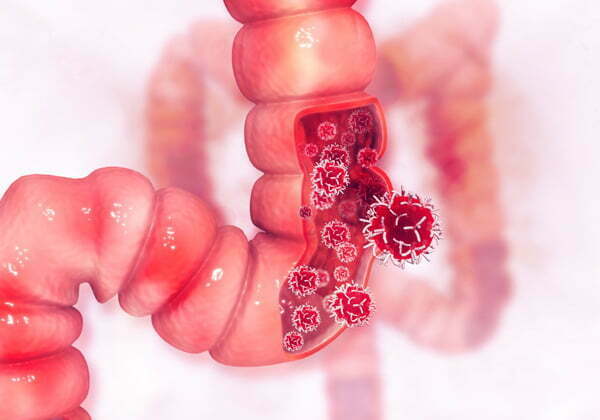
Let's get right to the most important point: finding a polyp is almost never a cancer diagnosis. While hearing the word "polyp" can be worrying, it's crucial to understand that what your doctor has found is an opportunity for prevention, not a sign of existing disease.
From Polyp to Cancer: Understanding the Real Risk
Think of your colon as a garden. Most polyps are like harmless clovers that pop up—they aren’t a threat. Some, however, are more like stubborn weeds that, if left alone for a very long time, could eventually cause problems. The key is that a colonoscopy allows us to find and remove these "weeds" long before they can do any harm.
The numbers back this up. While polyps are incredibly common—found in about 1 in 5 adults (20%) and up to 40% of people over 50—very few ever become cancerous. In fact, only an estimated 5-10% of all polyps will ever turn into cancer. The specific type of polyp is what really tells us everything we need to know about the risk. For more details on this, you can review the findings about polyp incidence rates to see how the numbers break down.
The Different Types of Polyps
Your doctor will classify a polyp based on how its cells look under a microscope. This helps determine its potential to become a problem down the road. Each type has a very different risk profile.
The journey from a benign polyp to cancer is typically a slow one, often taking 5 to 10 years. This long timeframe is precisely why screening colonoscopies are so effective—they allow for intervention long before a polyp becomes a threat.
To make sense of what your doctor might tell you, it helps to have a quick reference guide. The table below breaks down the main types of polyps, their general risk level, and the typical next steps.
Quick Guide to Colon Polyp Types and Cancer Risk
| Polyp Type | Common Name / Analogy | Malignancy Risk Level | Typical Follow-Up |
|---|---|---|---|
| Adenomatous | The "Pre-Cancerous" Weed | Higher | Removal & Surveillance |
| Serrated | The "Camouflaged" Threat | Moderate to High | Removal & Surveillance |
| Hyperplastic | The "Harmless" Sprout | Very Low | Often Monitored |
| Inflammatory | The "Irritated" Growth | Generally Low | Address Inflammation |
Think of this table as a cheat sheet for your conversation with your doctor. Most polyps fall into these categories, and knowing which one you have is the first step in understanding the plan for keeping you healthy.
Understanding the Different Types of Colon Polyps
So, your doctor found a polyp during your colonoscopy. The first thing to know is that this is incredibly common, and the next step is simply to figure out what kind of polyp it is.
Think of it this way: not all bumps and spots are created equal. Pathologists examine the polyp's cells under a microscope to sort them into a few key categories. This helps us understand its nature and, most importantly, whether it poses a future risk. The three main types you'll hear about are adenomatous, serrated, and hyperplastic polyps.
Adenomatous Polyps: The Ones We Watch Closely
When doctors talk about preventing colon cancer, adenomatous polyps (or adenomas) are the ones that get most of our attention. About two-thirds of all polyps fall into this category.
It's crucial to understand what we mean by pre-cancerous. An adenoma isn't cancer. Rather, it's a growth where the normal, orderly process of cell division has gone slightly off track. Think of it as a faulty blueprint for new cells. Left alone for many years, these cells can accumulate more genetic errors and eventually transform into cancer. This is exactly why finding and removing them is so effective at preventing the disease.
Adenomas have three different growth patterns, which a pathologist identifies under the microscope:
- Tubular Adenomas: These are the most common, accounting for over 80% of all adenomas. They have a simple, tube-like structure and carry the lowest risk within this group.
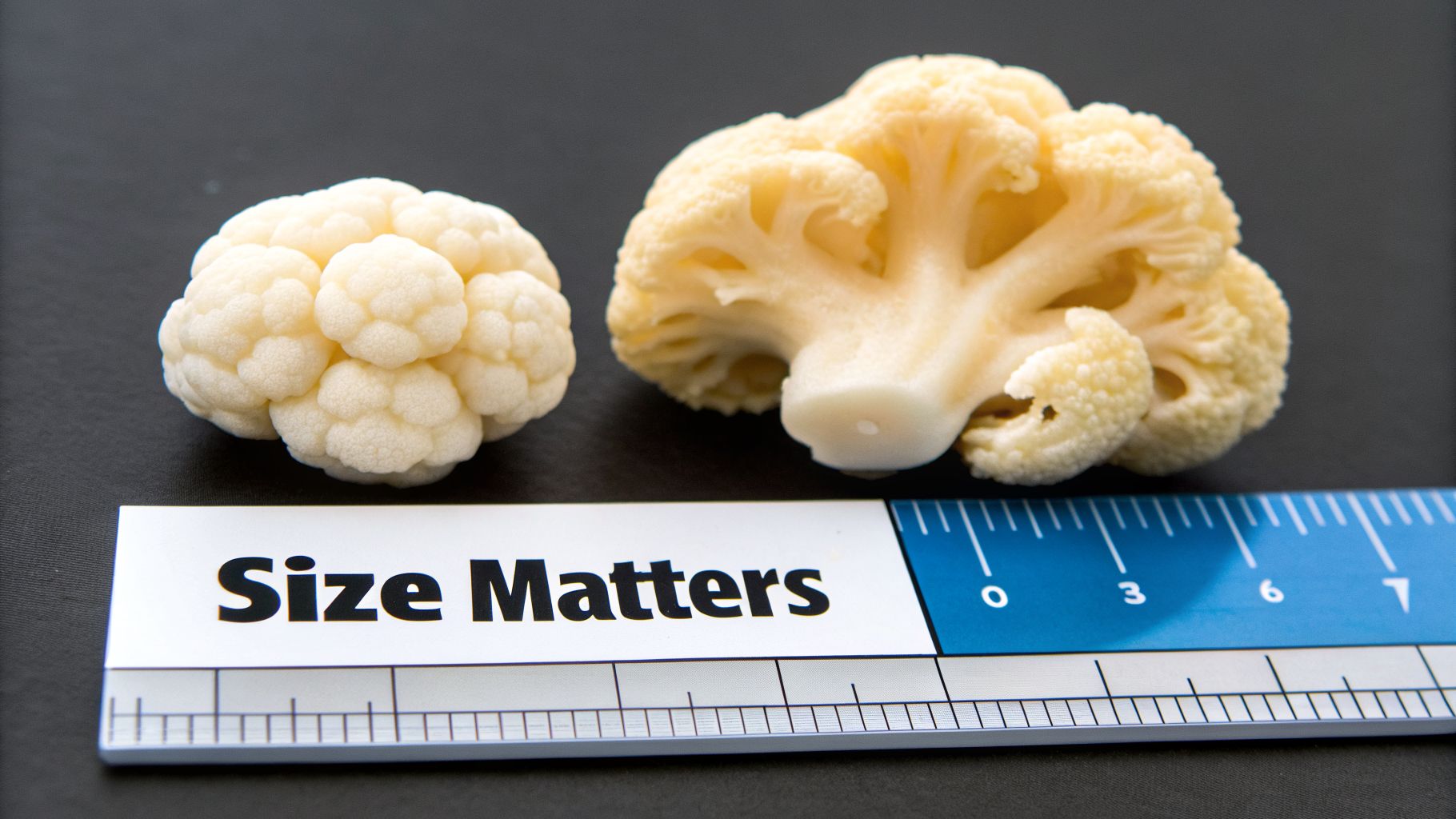
- Villous Adenomas: Looking more like a tiny cauliflower, these have long, finger-like projections. They are less common but are more likely to harbor cancerous cells, especially when they grow large.
- Tubulovillous Adenomas: Just as the name implies, these are a hybrid, with both tubular and villous features. Their risk level sits somewhere in the middle.
This infographic gives a great visual summary of how polyps are viewed in terms of cancer risk.

As you can see, while most polyps start as benign growths, some have the potential to turn into something more serious, which is why we take them all out.
Serrated Polyps: A Sneakier Pathway to Cancer
For a long time, we thought most serrated polyps, named for their jagged, saw-tooth appearance under the microscope, were harmless. We now know that's not the whole story.
Certain types of serrated polyps represent a different, and sometimes faster, route to colon cancer.
While adenomas follow the classic "adenoma-to-carcinoma" sequence over many years, some serrated polyps can become cancer through a different molecular pathway. This makes finding and removing them just as critical.
Here are the serrated polyps we're most concerned with:
- Sessile Serrated Polyps (SSPs): These are the ones that keep gastroenterologists on their toes. They are often flat, pale, and covered in a layer of mucus, making them difficult to spot during a colonoscopy. Because they are so good at blending in, they pose a significant risk if missed.
- Traditional Serrated Adenomas (TSAs): These are much rarer but also carry a clear risk of becoming cancerous. They tend to look more like a typical adenoma.
Recognizing the threat of serrated polyps has been a major advance in our field, reinforcing the need for a highly detailed and careful colonoscopy.
Hyperplastic Polyps: Almost Always Good News
Finally, we have hyperplastic polyps. These are the most common type found in the colon and, thankfully, the least worrisome.
The word "hyperplastic" just means there's an overgrowth of normal-looking cells. You can think of them as the colon's equivalent of a harmless skin tag. While the cells are turning over quickly, they don't have the abnormal, pre-cancerous structure of an adenoma or a concerning serrated polyp.
In the vast majority of cases, finding small hyperplastic polyps—especially in the lower part of the colon—is reassuring. While your doctor will still remove them, they are generally considered to have virtually no potential to become cancer.
How a Polyp's Size and Shape Point to Cancer Risk
Once a pathologist has figured out a polyp's type, the next step is to look at its physical traits. Think of your gastroenterologist as a building inspector for your colon. They’re not just noting the presence of a polyp; they’re carefully assessing its size and structure to understand how stable—or risky—it is.
It really comes down to this: a tiny, smooth pebble on a path is no big deal. But a large, jagged rock? That’s something you need to deal with right away. Polyps work in much the same way. The bigger and more complex they are, the more attention they demand.
This is why every single detail on your pathology report is so important. It’s the blueprint your doctor uses to map out the safest path forward for your long-term health.
The Critical One-Centimeter Rule
When we're talking about cancer risk, size is probably the single biggest factor we look at. There's one measurement that every gastroenterologist has front of mind: 10 millimeters (mm). That's about one centimeter, or roughly the width of a pea.
This isn't some arbitrary number. It’s a well-known tipping point where the risk of cancer starts to climb dramatically. Polyps that are smaller than this 10 mm threshold are much less likely to have any cancer in them. But once they grow past that mark, the odds change.
The data backs this up. Research shows that polyps measuring between 1-9 mm have a fairly low cancer rate of about 3.4%. Once a polyp hits 10 mm or larger, however, that risk shoots up to 13.4%—a nearly four-fold increase. You can explore more on how size impacts polyp risk at Virginia Cancer Specialists.
This is exactly why we are so proactive about removing polyps. A small adenoma we take out today is a potential cancer that is stopped in its tracks. The whole point is to find and remove these growths long before they have a chance to become large and dangerous.
How a Polyp's Shape Signals Risk
But it's not just about size. The polyp's shape, which we call its morphology, gives us another crucial set of clues. During a colonoscopy, your doctor is looking at how the polyp is attached to the colon wall and what its surface looks like.
There are two main shapes we see:
- Pedunculated Polyps: These grow on a stalk, almost like a mushroom. That stalk often makes them easier to spot and, more importantly, easier to remove completely with the snare.
- Sessile Polyps: These are flat. They grow directly against the wall of the colon without a stalk. Because they don't stick out as much, they can be trickier to find and sometimes more challenging to remove, especially the larger they get.
The surface of the polyp tells a story, too, particularly with adenomas. As we discussed earlier, adenomas are classified by their growth patterns. A smooth, tubular adenoma has a lower-risk profile. On the other hand, a villous adenoma, which has a shaggy, cauliflower-like surface, is considered higher risk. Those finger-like projections are associated with a greater chance of containing cancer, a risk that increases with the polyp's size.
A polyp that has a mix of both patterns is called a tubulovillous adenoma, and its risk level falls somewhere in the middle.
The Timeline From Benign Polyp to Cancer
Finding out you have a colon polyp naturally brings up some urgent questions. The big one is usually, "How long has this been there, and how fast could it turn into something dangerous?" Fortunately, the answer is often reassuring and highlights why screening is so important. The journey from a harmless polyp to an invasive cancer is almost always a slow-motion event, not an overnight emergency.
This gradual transformation is what doctors call the adenoma-carcinoma sequence. It’s a step-by-step process where a small, benign polyp slowly gathers genetic mistakes over time, causing it to grow larger and more abnormal. It’s less like a wildfire and more like a slow-growing weed; it takes root and spreads over several seasons, not in a single week.
The 5 to 10 Year Window of Opportunity
For most people, this process is incredibly slow. On average, it takes anywhere from 5 to 10 years for a small adenoma to develop into colorectal cancer. Some research even suggests the timeline can be longer. This is great news, because that long runway gives us a huge window of opportunity to stop cancer before it ever starts.
Think of it this way: Finding and removing a polyp is like pulling that weed out by the root, long before it has a chance to drop seeds and spread throughout the garden. By stepping in during this slow growth phase, your doctor is literally stopping the cancer-development process in its tracks.
This long timeline fundamentally changes the conversation. It moves from "Are these polyps cancerous?" to "How do we make sure they never get the chance to become cancer?" The simple answer is by finding and removing them early. To learn more about the disease these polyps can eventually cause, you can read our guide on colon cancer and its characteristics.
Are There Exceptions to the Timeline?
While the 5-to-10-year rule of thumb is a good average, it’s not universal. Some situations can unfortunately speed things up, which is why personalized screening schedules are so critical.
Here are a few factors that can shorten the polyp-to-cancer timeline:
- High-Risk Polyp Types: Some polyps just look more aggressive under the microscope. Those with "villous" features or "high-grade dysplasia" (meaning the cells are very abnormal) are already further down the path toward cancer and are treated with more urgency.
- Genetic Syndromes: This is a major exception. Inherited conditions like Lynch syndrome or Familial Adenomatous Polyposis (FAP) are game-changers. They cause people to develop many more polyps, and those polyps can become cancerous on a much faster timeline—sometimes in just a year or two.
- Serrated Polyps: As we touched on earlier, some serrated polyps follow a different, sneakier path to cancer. This pathway can sometimes be faster than the traditional adenoma sequence, which is why your doctor needs to be so meticulous during a colonoscopy to find these flat, subtle growths.
Even with these exceptions, the take-home message is the same. Regular screening, timed according to your personal risk factors, is the single best tool we have. It gives your doctor the chance to intervene at the earliest and most preventable stage. Knowing this timeline should give you confidence that you almost always have time to act.
How Colonoscopy Detects and Prevents Cancer
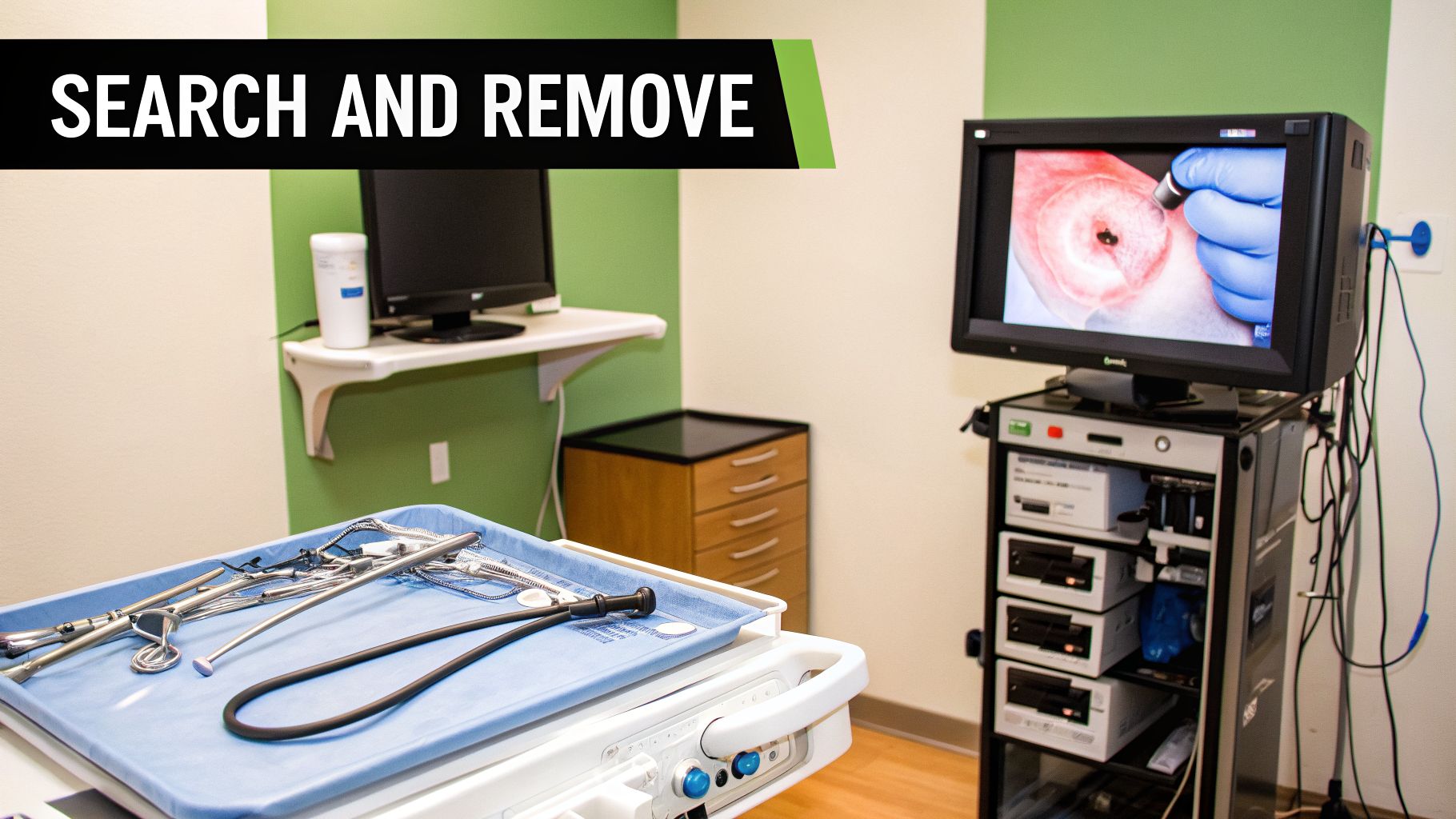
When we talk about whether colon polyps are cancerous, no tool is more important than a colonoscopy. It isn't just a screening test; it's a powerful preventive procedure. Think of it as a highly specialized “search and remove” mission for your colon, designed to stop cancer long before it ever gets a foothold.
What makes a colonoscopy so effective is that it pulls double duty. It lets your doctor see the entire lining of your colon in high definition, and it gives them the ability to immediately remove any polyps they find—all in the same session. This combined approach is what makes it our most definitive tool against colorectal cancer.
The Search and Remove Mission
During the procedure, a gastroenterologist uses a colonoscope—a thin, flexible tube equipped with a light and a tiny camera. This scope is carefully guided through the colon, sending a live video feed to a monitor so your doctor can perform a meticulous, 360-degree inspection of the colon wall.
Your doctor is on the lookout for anything unusual, from the tiniest bump to a larger, flat lesion. This is the "search" part of the mission. The moment a polyp is spotted, the "remove" phase can begin.
The colonoscope has a channel that allows tiny instruments to pass through. The most common tool for polyp removal is a wire loop snare, which is guided over the polyp like a lasso. A gentle electrical current passes through the wire, which painlessly cuts the polyp from the colon wall and cauterizes the small wound to prevent bleeding. The polyp is then retrieved and sent to a lab for a closer look.
This see-and-treat capability is what truly sets colonoscopy apart. It's the only screening method that can both find and remove a pre-cancerous polyp in a single procedure, effectively neutralizing the threat on the spot.
How Colonoscopy Compares to Other Screenings
While colonoscopy is considered the gold standard, you’ve probably heard about other screening options. It's helpful to understand what they do and, more importantly, what they don't do. These other tests are designed for detection only—they can't actually remove a polyp.
Here’s a quick breakdown of how the common methods compare:
- Colonoscopy: This is both a diagnostic and preventive procedure. It allows for direct visualization of the colon and the immediate removal of polyps.
- Stool-Based Tests (FIT, Cologuard): These are detection-only tests. They check a stool sample for hidden blood (FIT) or abnormal DNA markers (Cologuard). If a test comes back positive, a colonoscopy is the mandatory next step to investigate.
- Blood-Based Screening Tests: A newer option on the scene, these tests search for DNA fragments shed by tumors into the bloodstream. Just like stool tests, a positive result means you'll need a follow-up colonoscopy to find and address the issue.
Think of it this way: stool and blood tests are like a smoke alarm. They're great at alerting you to a potential problem. A colonoscopy, on the other hand, is the firefighter who goes in, finds the source of the smoke, and puts out the fire. If you are getting ready for this procedure, our guide on what you can eat before a colonoscopy has some practical tips to make the prep process go a bit smoother.
Ultimately, if any non-invasive screening test finds something, all roads lead back to a colonoscopy. That’s why many people and their doctors opt to start with it, as it delivers the most complete and actionable results right from the start, offering both powerful prevention and peace of mind.
Life After Polyps: Your Surveillance Plan
Getting a colon polyp removed is a huge win for your long-term health, but it's not quite the end of the journey. Think of it this way: you’ve successfully dealt with a potential problem, but now we know your colon is capable of growing them. This is where your personal surveillance plan comes into play.
This follow-up plan isn't a sign that something was missed or that you're in immediate danger. It's simply a smart, proactive strategy. The reality is, if you've developed polyps once, you're more likely to form them again. In fact, at least 30% of patients will develop new polyps after their first ones are removed. Regular follow-ups ensure we can find and remove any new growths while they are still small and completely harmless.
Why Your Follow-Up Schedule Is Unique
After your colonoscopy, your doctor will suggest a specific time for your next one. This isn't a random date pulled from a hat; it’s a recommendation tailored specifically to you based on what the pathologist found when they examined your polyps under a microscope.
The main things that determine your follow-up schedule are the number, size, and type of polyps removed. Someone who had one or two tiny, low-risk polyps will have a much different timeline than someone who had several large ones or polyps with more concerning cells.
Your surveillance plan is a partnership between you and your doctor. Sticking to the recommended schedule is one of the most powerful things you can do to stay ahead of colorectal cancer and protect your health for years to come.
Understanding the "why" behind your specific timeline can make it feel less like a chore and more like an empowered step in managing your own health. It's all about matching the level of monitoring to your personal level of risk.
Understanding Your Recommended Follow-Up Schedule
So, what does this look like in practice? The guidelines are actually quite logical, directly connecting the findings from your procedure to the timing of your next one. While your doctor will give you a personalized recommendation, it’s helpful to understand the general framework they're working from.
Here are the key factors they consider:
- Number of Polyps: Finding several polyps suggests your colon has a greater tendency to form them. If you had three or more adenomas, for instance, you'll need to be checked sooner than someone who only had one.
- Size of Polyps: As we've covered, size really matters. Finding an adenoma larger than 1 centimeter automatically puts you in a category that requires closer monitoring, usually with a follow-up in three years.
- Type and Features: The specific microscopic details are critical. If a polyp has "villous" features or "high-grade dysplasia" (meaning the cells look more disorganized and abnormal), it signals a higher risk and calls for a shorter follow-up interval, typically three years.
Let's break it down. The table below outlines the standard surveillance recommendations based on what might be found during a colonoscopy.
Recommended Colonoscopy Surveillance Intervals After Polyp Removal
This table outlines common follow-up timelines after different types of polyps are found and removed during a colonoscopy. These are general guidelines; your doctor will provide a personalized recommendation.
| Findings from Your Colonoscopy | Typical Recommended Follow-Up Interval | Reasoning |
|---|---|---|
| 1-2 small (<10 mm) tubular adenomas | 5-10 Years | These are low-risk findings. The chance of developing advanced cancer is very low over the next several years. |
| 3-10 adenomas of any size | 3 Years | Finding multiple adenomas indicates a higher propensity for polyp formation, requiring more frequent monitoring. |
| One or more adenomas ≥10 mm | 3 Years | Larger polyps have a greater risk of containing or developing advanced features, justifying a shorter follow-up time. |
| An adenoma with villous features or high-grade dysplasia | 3 Years | These are high-risk characteristics that signal a more aggressive biology, warranting closer surveillance. |
| More than 10 adenomas | <3 Years | This finding may suggest a genetic syndrome and requires very close follow-up and possible genetic counseling. |
| Sessile serrated polyp(s) <10 mm without dysplasia | 5 Years | Small, non-dysplastic serrated polyps are monitored similarly to low-risk adenomas. |
| Sessile serrated polyp(s) ≥10 mm or with dysplasia | 3 Years | Large or dysplastic serrated polyps carry a higher risk and are managed like high-risk adenomas. |
Think of this table as a guide to help you understand the logic behind your doctor's plan. Keep in mind that your personal health, family history, and even how well your colon was cleaned out for the procedure can also influence the final recommendation.
The goal is simple: to create a safety net that is perfectly sized for you, ensuring your continued health and giving you valuable peace of mind.
Common Questions & Expert Answers About Colon Polyps
After taking in all this information, you probably have a few practical questions. That’s completely normal. Let's go through some of the most common questions I hear from patients every day to clear things up and give you confidence in your next steps.
Can Colon Polyps Cause Symptoms?
The honest answer is: usually, no. Most colon polyps are completely silent and cause no symptoms, which is the very reason we screen for them in the first place. The goal is to find and remove them during a routine colonoscopy long before they could ever cause a problem.
However, if a polyp becomes particularly large, it can start to make its presence known. In these rarer cases, you might experience:
- Rectal bleeding or seeing blood in your stool
- A noticeable change in your bowel habits, like new constipation or diarrhea that doesn't go away
- Abdominal pain or cramping
- Anemia (a low red blood cell count) from slow, chronic blood loss, which can make you feel tired
If you notice any of these symptoms, don't wait. It’s time to see your doctor for a proper evaluation.
What Are the Main Risk Factors for Developing Colon Polyps?
Several key factors can increase your risk of developing polyps. The single biggest one is simply age—your risk goes up significantly after you turn 45. A personal or family history of either colon polyps or colorectal cancer is another major factor.
Beyond that, lifestyle plays a surprisingly powerful role. These are risks you have some control over:
- A diet high in red or processed meats and low in fiber
- Living a sedentary life with little physical activity
- Obesity
- Smoking and heavy alcohol use
Making positive changes in these areas is one of the most effective ways to be proactive about your colon health.
Key Takeaway: Finding and removing a polyp is a win for prevention. It doesn't mean you're destined for cancer. The entire point of a colonoscopy is to stop these growths in their tracks, well before they have a chance to become more serious.
My Colonoscopy Was Normal. When Should I Get Another One?
This is a fantastic question, and the answer is great news. If you are at average risk and your colonoscopy was completely clear—meaning no polyps were found and the preparation allowed for an excellent view—the standard guideline is to come back in 10 years.
This 10-year interval is a testament to how effective a clear colonoscopy is at predicting future risk. Of course, that timeline might be shorter if you have other risk factors, such as a strong family history of colon cancer. And if you have questions about the procedure itself, it's always good to be informed about topics like whether you are asleep during a colonoscopy.
Ultimately, your gastroenterologist will give you a personalized recommendation. Always follow the schedule they provide for you.
At Hirschfeld Oncology, we are committed to providing clarity and advanced care for patients facing complex cancer diagnoses. If you have questions about your risk, need a second opinion, or want to explore tailored treatment strategies, our team is here to help. To learn more or schedule a consultation, visit our blog and resource center.
.png)
.png)