.png)


You might be here because you saw someone wearing a cancer survivor t shirt and felt a tug in your chest. Maybe it looked proud. Maybe it looked complicated. Or maybe you're the one deciding whether to wear one, buy one, or hand one out at an event, and you're realizing this isn't just about picking a color and a slogan.
For many people, a survivor shirt is both simple and loaded. It can feel comforting one day and too visible the next. It can mark an ending, even when treatment isn't fully over. It can say “I'm still here” without explaining scars, fatigue, grief, or fear to anyone in line at the pharmacy.
That's why this topic deserves more care than most product pages give it. A good cancer survivor t shirt should respect the body that wears it and the story behind it.
More Than Just a Shirt What It Represents
You notice it in ordinary places. A purple shirt at the grocery store. A soft faded tee at an infusion center. A person at a walk fundraiser wearing something that tells strangers one fact without telling them everything.
That's part of the power. A cancer survivor t shirt can be public and private at the same time.
For one person, it means victory. For another, it means endurance. Some people wear one to honor the day active treatment ended. Some wear one because they're still in treatment and the word “survivor” means “I woke up and kept going.” Others never want the label at all, and that choice deserves equal respect.
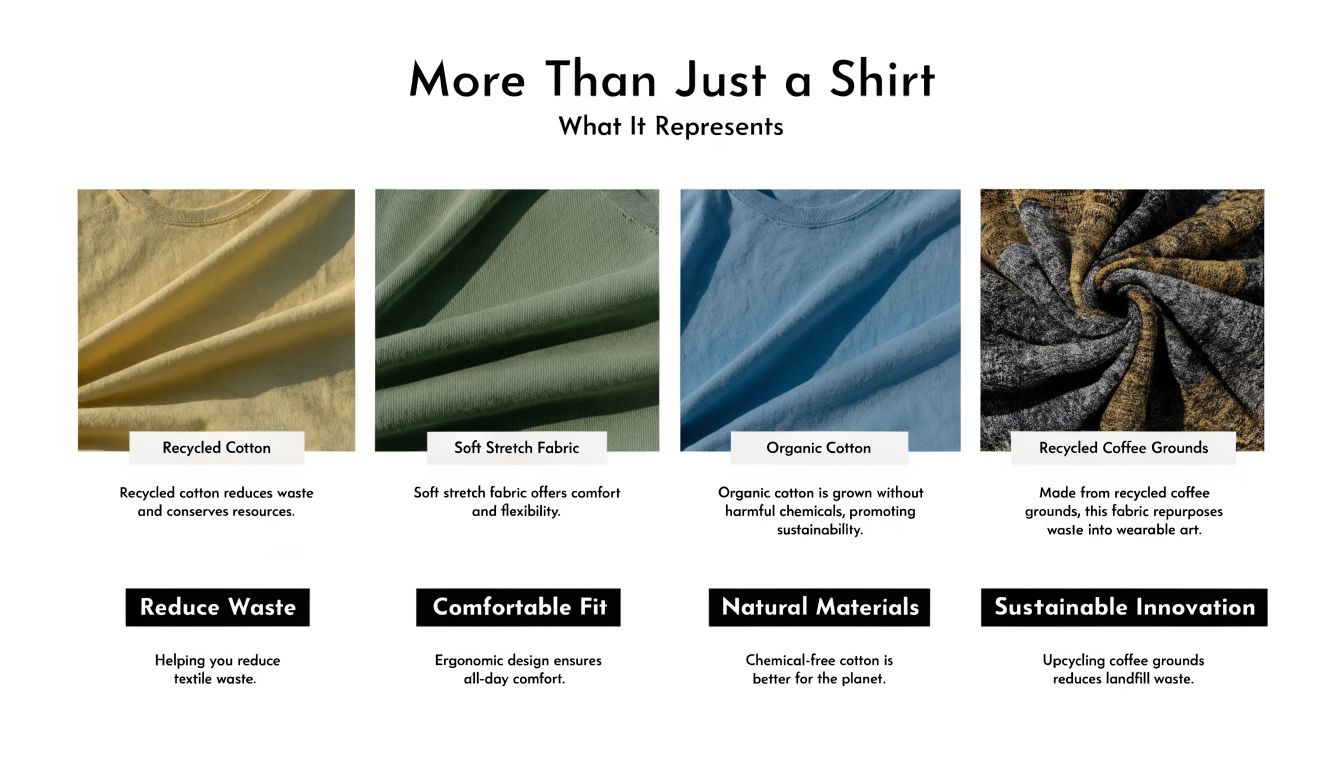
What the shirt can hold
A shirt can carry several meanings at once:
- Recognition: It tells the truth that cancer changed life.
- Connection: It can help people find others who understand without a long conversation.
- Remembrance: Some people wear survivor apparel while also grieving people they lost.
- Control: Choosing when and how to wear your story can feel grounding after months of medical schedules.
Some survivors want bright messaging. Others want something subtle enough that only they understand it. Both are valid.
Wearing a survivor shirt doesn't obligate you to feel cheerful, grateful, or “done.” It only means the shirt means something to you.
This is especially important in survivorship spaces. The public often imagines a neat finish line. Real life rarely works that way. Follow-up scans, medication side effects, body changes, and uncertainty don't disappear because a shirt says survivor.
If you're navigating that tension, resources on breast cancer survivorship support can help frame survivorship as a living process, not a single moment. The shirt may mark one part of that process. It doesn't have to define all of it.
How Survivor Shirts Became a Symbol of Advocacy
Survivor shirts didn't become meaningful by accident. Nonprofit cancer organizations helped turn them into a visible part of public advocacy, fundraising, and community ritual.
One clear example came from the American Cancer Society's Making Strides initiative. In 2022, breast cancer survivors and metastatic breast cancer thrivers who signed up for a Making Strides event were eligible to receive a free branded survivor or thriver T-shirt as part of a National Cancer Survivors Month recruitment campaign, according to the American Cancer Society's Making Strides announcement. That detail matters because it shows the shirt functioning as more than keepsake merchandise. It became a practical tool for outreach and participation.
Why event shirts carry weight
Once organizations started using these shirts at scale, the meaning shifted. The shirt became a way to do several jobs at once.
| Role of the shirt | Why it matters |
|---|---|
| Identification | Survivors could be recognized within a large crowd without introducing themselves repeatedly. |
| Belonging | Matching shirts helped people feel part of something larger than their own appointment schedule. |
| Participation | Apparel became tied to sign-up, attendance, and event presence. |
| Visibility | The public could see survivorship, not just hear about it abstractly. |
That history explains why some people feel emotional the first time they receive one. It may look like a simple cotton tee, but it represents a long tradition of showing up together.
The shirt as infrastructure
Another important piece is logistics. In American Cancer Society Relay For Life programs, survivors are given a purple survivor T-shirt, with size collected during online registration, shirts shipping weekly, and no fundraising requirement for survivor shirts, as described in the Relay For Life survivor shirt process. That operational detail shows how survivor apparel became built into event systems, not added as an afterthought.
This affects how people experience care communities. Registration asks for size. Volunteers sort inventory. Participants look for their shirt package. The garment becomes part of the ritual of joining, being seen, and being welcomed.
Practical insight: When a shirt is linked to advocacy programs, it often serves two audiences at once. The person wearing it and the community learning to recognize survivorship in public.
That doesn't mean every survivor wants to participate in that tradition. Some find it affirming. Some find it exposing. But the advocacy history explains why the symbol feels familiar even to people who've never worn one themselves.
Finding the Perfect Cancer Survivor T Shirt
Most online shopping pages focus on slogans. They don't spend much time on the body that has to live inside the shirt for hours. That's a problem, because post-treatment body changes can make ordinary apparel hard to tolerate.
As noted in a review of the gap in survivor-shirt content, treatment can leave people dealing with scars, lymphedema, skin sensitivity, and ports, while practical guidance on soft seams, breathable fabrics, and adaptive design is often missing on typical product pages for survivor apparel like this survivor-themed retail listing. If you've ever put on a well-meant shirt and taken it off ten minutes later because the neckline rubbed a scar or the side seam pressed on tender skin, you already know this gap is real.

Start with comfort, not the message
The first question isn't “What does it say?”
It's “Can I wear it?”
A shirt that feels scratchy, tight, hot, or awkward around medical changes won't feel uplifting for long. Start with these practical checks:
- Touch the inside if you can: Look for smooth fabric and seams that don't feel raised or stiff.
- Check the label area: Tagless designs or printed labels are often easier on sensitive skin.
- Notice the neckline: A high crew neck may bother chest tenderness, radiation changes, or a port area.
- Think about weight changes: A relaxed cut usually gives you more room during treatment or recovery.
Fit issues people often miss
The word “classic fit” on a product page often tells you very little. A shirt can technically fit and still be miserable.
Here are common fit concerns that deserve real attention:
| Concern | What helps |
|---|---|
| Chest port sensitivity | Softer fabric, looser chest area, and necklines that don't pull against the upper chest |
| Lymphedema or arm swelling | Sleeves that don't grip tightly and a less restrictive shoulder cut |
| Surgery scars | Flat seams, less friction, and room so fabric doesn't drag across healing areas |
| Ostomy or abdominal tenderness | A longer or more relaxed body that doesn't cling around the midsection |
| Neuropathy or sensory overload | Lightweight, breathable material and fewer irritating details |
If you're buying for active care, think in terms of tolerance, not appearance. A shirt can look lovely folded in a gift bag and still be unusable in daily life.
Materials matter more than most people realize
Fabric choice often determines whether a shirt feels nurturing or irritating. Many survivors prefer soft, breathable knits over stiff promotional cotton. If someone has radiation sensitivity, skin fragility, or scar discomfort, a rough shirt may stay in the drawer.
Look for these signs of a better everyday option:
- Breathability: Helpful for hot flashes, infusion days, and fluctuating body temperature.
- Drape: Fabric that skims instead of clinging often feels better over scars and devices.
- Wash tolerance: If someone wears it often, it needs to stay soft after repeated laundering.
If you're working with a support team, fundraiser, or family event and want more control over blank styles and sizing, options for on-brand custom shirts can be useful because the shirt itself matters as much as the printed message. The best design in the world won't help if the base garment feels harsh.
A supportive shirt should reduce decision fatigue. The wearer shouldn't have to plan their whole day around whether the fabric will bother them.
A simple shopping checklist
Before you order, pause on these questions:
- Does this shirt work for sitting at appointments, not just for photos?
- Is the fabric likely to feel okay on skin that's tender or reactive?
- Could the cut accommodate swelling, drains, or a port?
- Does the message feel welcome, or does it pressure the wearer into a mood?
- Is return or exchange possible if the fit is wrong?
If you want to browse more ideas while thinking specifically about patient comfort and survivorship-related apparel, this collection of oncology-themed t-shirt resources can help you compare styles with a more practical lens.
Personalizing Your Survivor Story on a Shirt
Some people want a shirt that announces survivorship across the room. Others want a design that only close friends understand. Personalization lets the shirt move away from generic awareness language and closer to the life it's meant to reflect.
That shift is already visible in the market. Choose Hope offers a “Been There, Beat That” cancer survivor T-shirt and lets buyers choose an awareness ribbon color connected to their cancer type, which makes the statement more personal, as shown on the Choose Hope survivor shirt page. The important part isn't only the slogan. It's the permission to say, “This is my version of the story.”

Different stories need different tones
A personalized shirt might be:
- Defiant: Short phrases that sound strong, blunt, or a little funny
- Quiet: A small symbol, date, or ribbon color with no slogan at all
- Communal: A team name used by family and friends during treatment
- Reflective: Words that honor both survival and loss
One person might print a “re-birthday” date on the sleeve. Another might choose the nickname their infusion nurses used. A caregiver group might wear matching shirts that center the patient's chosen phrase, not the family's preferred one.
Small details can say more than big slogans
The most meaningful personalization is often subtle. Consider these ideas:
- Dates that matter: End of chemo, surgery day, transplant day, or another personally important milestone
- Symbols with private meaning: A flower, constellation, animal, or color that carries memory
- Language choice: Some people prefer “thriver,” “warrior,” “still here,” or no label at all
- Placement: A small chest print may feel gentler than a large front slogan
If you're making a custom shirt for repeated wear, design quality matters too. Guides on creating durable DTF transfer graphics can help families, support groups, and event planners think about prints that stay comfortable and hold up after washing.
One good test: Read the design out loud. If it sounds like something the survivor would actually say, you're closer to the right shirt.
Personalization also gives room for complexity. Not every shirt needs to sound triumphant. Some can sound steady. Some can sound grateful. Some can name a diagnosis color and leave the rest unsaid.
That's often the most compassionate way to approach a cancer survivor t shirt. Let the wearer own the language. Let the shirt fit the person, not the other way around.
A Guide to Gifting a Cancer Survivor T Shirt
A survivor shirt can be a thoughtful gift. It can also land badly if the timing, wording, or fit misses the mark.
The biggest mistake is assuming “survivor” always feels good to the person receiving it. Some people embrace the word right away. Some don't. Some are still in treatment and don't want clothing that suggests the hard part is over. Others feel complicated grief, especially if they've lost friends in treatment spaces.
Consider this before you buy
A good gift starts with curiosity, not certainty.
Ask yourself:
- Is the timing right: Did they mention wanting one, or am I introducing a label they haven't chosen?
- Does this sound like them: A bold slogan may feel wrong for someone private or exhausted by public attention.
- Will it feel physically okay: Size, neckline, fabric, sleeve shape, and tag style all matter.
- Does it allow complexity: Avoid phrases that push forced positivity or suggest they should feel celebratory.
Sometimes the best gift isn't the shirt itself. It may be a note that says you'd love to buy one they choose for themselves.
Better ways to offer the gift
A supportive approach often sounds like this:
“I saw some survivor shirts and wondered if one would feel meaningful to you. If you'd like, I can help you pick something soft and comfortable.”
That gives the person room to say yes, no, later, or something more specific.
A few safer options:
- Offer choices: Let them pick the message, color, and fit.
- Make comfort part of the gift: Mention fabric and wearability, not only inspiration.
- Bundle it thoughtfully: Pair it with practical support, such as skin-friendly laundry products or a soft layer for appointments.
- Use a flexible option: A gift card or shared browsing session may be kinder than a surprise slogan.
If you're building a broader support package, these ideas for care packages for chemo patients can help you think beyond inspirational items and toward what proves helpful day to day.
The guiding rule is simple. A survivor shirt should never make the recipient feel managed, renamed, or emotionally assigned.
How Clinics Can Use Apparel to Support Patients
Clinics, support groups, and community programs can use apparel well. They can also make patients uncomfortable if they treat survivor shirts like a one-size-fits-all handout.
The best approach is optional, respectful, and organized. If a clinic offers shirts at an event, milestone visit, or support gathering, staff should think about logistics and meaning at the same time.

Good clinic practice starts before printing
A few habits make a big difference:
- Collect sizes discreetly: Ask privately during registration or intake for special events.
- Frame shirts as optional: “Would you like one?” is better than placing one in every bag.
- Choose soft blanks: Patients notice fabric quality immediately.
- Offer more than one message: Some people prefer neutral wording over “survivor.”
- Plan exchanges: Size problems are common, especially during treatment changes.
This kind of planning mirrors the operational side of organized survivorship programs, where shirt distribution is tied to registration, fulfillment, and participant experience rather than treated casually.
Apparel can support identity and care
There's also a broader lesson here. Clothing in oncology isn't always symbolic. Sometimes it becomes part of care delivery.
In oncology research, the Chronolife smart t-shirt used in the OncoSmartShirt study is a CE-marked, washable garment with fully embedded sensors and electrodes that continuously measures six physiological streams: ECG in beats per minute, thoracic and abdominal respiration in respirations per minute, thoracic impedance in kOhm, physical activity in steps, and skin temperature in °C, with data stored locally and sent by Bluetooth Low Energy to a smartphone app for secure upload, according to the OncoSmartShirt study report. That's a very different kind of shirt, but it highlights an important idea. Apparel can be practical infrastructure, not only a message.
A simple checklist for support teams
| If you're offering shirts | Ask this question |
|---|---|
| At an event | Does the patient get to opt in without pressure? |
| In clinic | Is the fabric gentle enough for sensitive skin? |
| For a milestone | Does the wording fit someone still living with uncertainty? |
| For support groups | Can people choose among different styles or labels? |
A well-chosen shirt can help someone feel seen. A poorly chosen one can make them feel flattened into a slogan. Clinics do best when they remember that difference.
If you or someone you love is facing a complex cancer diagnosis and wants thoughtful guidance that considers both treatment and quality of life, Hirschfeld Oncology shares practical education for patients, caregivers, and referring clinicians.
.png)
.png)