.png)


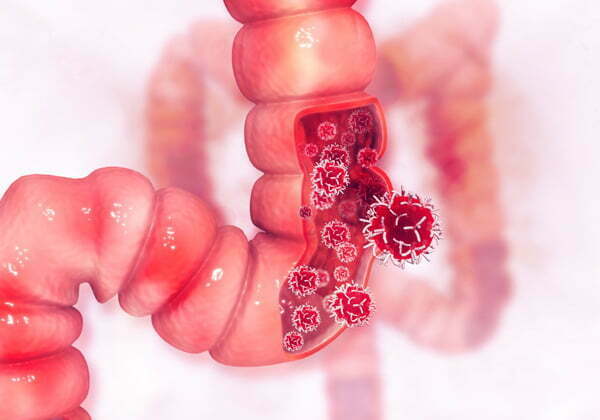
When you or a loved one is diagnosed with colon cancer, the word "chemotherapy" is almost certain to come up. It can sound intimidating, but it’s one of the most powerful and effective tools we have. At its heart, chemotherapy uses strong chemotherapy drugs for colon cancer to hunt down and destroy fast-dividing cancer cells throughout your body.
Understanding Chemotherapy for Colon Cancer
Think of chemotherapy as a systemic, or whole-body, treatment. While surgery is excellent for removing a tumor you can see, chemo circulates through your bloodstream to reach cancer cells that might have broken away and traveled to other places. This ability to target microscopic disease is precisely what makes it so indispensable.
Chemotherapy is truly the backbone of colon cancer treatment. It’s so foundational that it makes up nearly 57.6% of the global market for colorectal cancer drugs. That number isn't just a statistic; it reflects how many patients rely on this approach, whether they have early-stage or more advanced disease. If you're interested in the market dynamics, this in-depth report on colorectal cancer drugs from BioSpace provides a wider view, but the main takeaway is clear: chemotherapy is central to modern cancer care.
The Different Roles of Chemotherapy
Your oncology team will recommend chemotherapy with a very specific goal in mind. The timing and purpose are tailored to your unique situation, depending on the cancer’s stage and your overall health.
Adjuvant Chemotherapy: This is chemo given after surgery. The goal is simple: to mop up any lingering cancer cells that are too small to see on scans. Think of it as an insurance policy to reduce the odds of the cancer coming back.
Neoadjuvant Chemotherapy: In some cases, you might receive chemo before surgery. This is done to shrink a larger tumor, which can make the surgeon's job easier and increase the chances of removing it all in one piece.
Palliative Chemotherapy: When colon cancer has spread (metastasized) to other parts of the body, chemotherapy becomes a tool to manage the disease. The goal is to shrink tumors, slow down their growth, and ease symptoms, all to improve and extend your quality of life.
At its core, chemotherapy is a strategic intervention designed to disrupt the life cycle of cancer cells. Because cancer cells divide much more rapidly than most normal cells, they are more vulnerable to the effects of these powerful drugs.
To make this a bit clearer, here's a quick overview of how these treatment goals fit into the different stages of care.
Quick Overview of Colon Cancer Chemotherapy Goals
Seeing it laid out like this can help you understand the "why" behind your treatment plan.
The goal of this guide is to give you a solid foundation of knowledge. By understanding why and when chemotherapy is used, you’ll be better prepared for those crucial conversations with your care team about the specific chemotherapy drugs for colon cancer that are right for you.
How Core Chemotherapy Drugs Work
Trying to understand how chemotherapy works for colon cancer can feel intimidating, but you don't need a medical degree to grasp the basics. At their heart, these drugs are designed to target and disrupt the very processes that allow cancer cells to grow and divide out of control. Think of it as a multi-pronged attack on the cancer cell's internal machinery.
To tackle a complex disease like colon cancer, oncologists turn to a few key classes of drugs, each with its own unique way of fighting back. Once you see how they work, you can get a clearer picture of what's happening inside your body during treatment. The three mainstays in this fight are Fluoropyrimidines, Oxaliplatin, and Irinotecan.
Fluoropyrimidines: The DNA Scramblers
First up are the Fluoropyrimidines, a class that includes 5-fluorouracil (5-FU) and its oral counterpart, capecitabine (Xeloda). These drugs are the original workhorses in colon cancer treatment and are still a cornerstone of therapy today.
Imagine a cancer cell trying to copy its DNA—its instruction manual—so it can divide into two new cells. Fluoropyrimidines work by acting as imposters. They sneak into the cell and get mistaken for a real DNA building block.
When the cell uses this fake building block, it effectively scrambles the genetic instructions. The replication process grinds to a halt because the new "manual" is full of typos, preventing the cell from dividing. You can find out more about what this means for your body in our detailed guide on 5-fluorouracil.
The fundamental strategy of Fluoropyrimidines is sabotage. By corrupting the cancer cell's genetic code, these drugs stop proliferation at its source, making them a cornerstone of many treatment regimens.
Oxaliplatin: The DNA Roadblock Creator
Next on the list is Oxaliplatin, a platinum-based drug that takes a more direct, forceful approach. If Fluoropyrimidines scramble the instructions, you can think of Oxaliplatin as putting up permanent roadblocks on the DNA highway.
This drug works by creating strong bonds, or cross-links, within the DNA strands, essentially tying them together. These links act like concrete barriers, physically stopping the DNA from separating—a critical step for replication. The cell’s own repair crew simply gets overwhelmed by this level of damage.
This widespread disruption triggers a self-destruct sequence called apoptosis, or programmed cell death. The cancer cell basically recognizes its DNA is too broken to function and shuts itself down.
Irinotecan: The DNA Uncoiling Jammer
The third key player is Irinotecan. This drug targets an entirely different part of the DNA replication process by going after an enzyme called topoisomerase I.
Picture the cell's DNA as a tightly coiled rope. To read the genetic instructions and make copies, this rope needs to be carefully uncoiled and then neatly coiled back up. Topoisomerase I is the special tool the cell uses for this precise job.
Irinotecan works by jamming this tool. It lets the enzyme cut and uncoil the DNA strand to be read, but then prevents it from putting the strand back together. This leaves the DNA broken and tangled, causing fatal errors that ultimately lead to the cancer cell's death.
The global impact of this disease is staggering; colorectal cancer is the third most commonly diagnosed cancer and the second leading cause of cancer-related deaths worldwide. In 2020 alone, there were over 1.9 million new cases and 935,000 deaths reported. You can discover more insights about these cancer statistics from the American Cancer Society, and they underscore why effective treatments like these are so vital.
Each of these core chemotherapy drugs offers a unique way to stop cancer cells in their tracks. By understanding their different approaches—scrambling, roadblocking, and jamming—it starts to make sense why oncologists often combine them into powerful treatment cocktails.
Understanding Chemo "Cocktails": FOLFOX, FOLFIRI, and CAPOX
Now that we’ve covered the individual drugs, let's talk about how they're actually used. Think of it like this: if each chemotherapy drug is a single instrument, a treatment regimen is the full orchestra.
In oncology, we rarely rely on a single drug. Instead, we create powerful "cocktails," or regimens, that attack cancer cells from multiple angles at once. This strategy is much more effective than trying to fight the cancer on just one front. The goal is synergy—making the whole more powerful than the sum of its parts. By pairing a drug that scrambles DNA with one that roadblocks it, for instance, we can deliver a much more decisive blow.
Breaking Down the Main Regimens: FOLFOX and FOLFIRI
Two of the most common and battle-tested chemotherapy regimens for colon cancer are FOLFOX and FOLFIRI. Their names might sound like code, but they're just acronyms for the drugs they contain. Getting familiar with them is a huge step in understanding your treatment plan.
FOLFOX: This regimen is a combination of FOLinic acid (also called Leucovorin), Fluorouracil (5-FU), and OXaliplatin. Folinic acid isn't a chemo drug itself; it’s more like a booster that helps 5-FU work better. In this cocktail, you have the DNA-scrambler (5-FU) working side-by-side with the DNA-roadblocker (Oxaliplatin).
FOLFIRI: This one is very similar, just with one key player swapped out. It includes FOLinic acid, Fluorouracil (5-FU), and IRInotecan. Here, the DNA-scrambler (5-FU) is teamed up with the DNA-uncoiling jammer (Irinotecan).
So, how does your oncologist choose between them? It often comes down to your overall health, any previous treatments you've had, and the specific biology of your cancer. They'll decide which multi-pronged attack gives you the best shot.
The diagram below gives you a great visual of how each of these drug classes works differently to stop cancer cells in their tracks.

This really brings home why these combinations are so effective—they create a powerful, synergistic effect that a single drug just can't match.
A More Convenient Option: The CAPOX Regimen
There's another important regimen called CAPOX (sometimes known as XELOX). You can think of this as a more convenient version of FOLFOX.
CAPOX combines CAPecitabine (the oral pill form of 5-FU) with OXaliplatin. The big advantage here is the oral medication, which can significantly cut down on the time you need to spend hooked up to an IV at the infusion center. For many patients who are good candidates, this can make a world of difference in their day-to-day lives during treatment.
To help clarify the differences, this table lays out the core components and typical uses for each of these common regimens.
Comparing Common Chemotherapy Regimens for Colon Cancer
Each of these regimens has a proven track record, and the choice is tailored to your specific situation and treatment goals.
What to Expect From a Treatment Cycle
Chemotherapy isn't just a single event; it's administered in cycles. A cycle is a period of treatment followed by a planned period of rest. This rhythm is crucial. It gives your healthy cells a chance to recover from the chemo's effects before the next round begins.
A standard treatment cycle for FOLFOX or FOLFIRI is typically two weeks long. You might come into the clinic for an infusion that lasts several hours, then go home with a small, portable pump that continues to deliver 5-FU for about two days.
Once the pump is disconnected, the rest of the two-week cycle is dedicated to recovery. During this time, your oncology team will keep a close eye on your blood counts and any side effects to make sure your body is ready for the next cycle. This process repeats for a set number of rounds, often over several months.
The exact schedule and number of cycles depend entirely on the goal of the treatment—whether it's to wipe out any remaining cancer cells after surgery or to manage more advanced disease. While these are standard protocols, oncologists are always working to fine-tune them. To learn more about how doses and schedules can be personalized, you can explore the concepts behind low-dose multi-drug regimens in oncology, which aim to strike a better balance between effectiveness and quality of life.
Moving Beyond Chemo: Targeted Therapy and Immunotherapy
While chemotherapy is a cornerstone of treatment, we now have more sophisticated tools that go beyond its broad-spectrum approach. These newer treatments, targeted therapy and immunotherapy, are all about precision. They offer a smarter, more personalized way to fight colon cancer.
Instead of hitting all fast-dividing cells, these advanced therapies zero in on the unique features that make cancer cells so dangerous. This focused attack often means a different set of side effects and can dramatically boost the effectiveness of standard chemo when used together.
Targeted Therapy: The “Smart Drugs” of Colon Cancer
Think of targeted therapies as guided missiles. Each one is engineered to find and shut down a specific pathway that cancer cells need to grow, divide, and spread. For colon cancer, there are two main types you’ll hear about most often.
- VEGF Inhibitors (Anti-Angiogenesis Drugs): A tumor can’t grow without a blood supply to feed it. Drugs like bevacizumab (Avastin) essentially starve the tumor by cutting off this supply line. It blocks a protein called VEGF, which tumors use to signal the body to build new blood vessels. No new blood vessels, no fuel for the tumor.
- EGFR Inhibitors: Other drugs, like cetuximab (Erbitux) and panitumumab (Vectibix), work differently. They target a protein on the surface of cancer cells called the Epidermal Growth Factor Receptor (EGFR). Think of EGFR as an "on" switch for cell growth. These drugs block that switch, stopping the cancer cells from multiplying.
But there’s a catch. EGFR inhibitors only work if the tumor has a normal, or "wild-type," KRAS gene. If the KRAS gene has mutated, that growth switch is stuck in the "on" position permanently, and blocking EGFR won't make a difference. This is why genetic testing of your tumor is so critical—it tells us exactly which drugs will or won't work for you. To dig deeper into this, you can explore the key differences between targeted therapy vs. chemotherapy in our detailed guide.
This field is moving incredibly fast. A great example is the recent FDA approval of LUMAKRAS plus Vectibix for metastatic colon cancer with a specific KRAS G12C mutation, giving a powerful new option to patients who have already been through chemotherapy. Learn more about these market advancements and novel therapies to see how this research is directly impacting patient care.
Immunotherapy: Taking the Brakes Off Your Own Immune System
Immunotherapy is a completely different ballgame. It doesn’t attack the cancer directly. Instead, it unleashes your own immune system to do what it's supposed to do: hunt down and destroy abnormal cells.
Cancer cells are clever—they can disguise themselves to evade our immune defenses. They often display proteins on their surface that essentially tell approaching immune cells, "Nothing to see here, move along." This puts the brakes on our natural anti-cancer response.
Immunotherapy drugs, specifically a class called checkpoint inhibitors, work by cutting those brake lines. They block the "don't attack me" signals, allowing your body's T-cells—the soldiers of the immune system—to finally recognize the cancer as an enemy and launch a full-scale assault.
When it comes to colon cancer, immunotherapy isn't for everyone. It works spectacularly well, however, for a specific group of tumors. About 15% of early-stage and 5% of metastatic colon cancers have a genetic quirk known as microsatellite instability-high (MSI-H) or mismatch repair deficiency (dMMR). These tumors are riddled with mutations, which makes them look especially foreign and threatening to the immune system.
For patients with these MSI-H tumors, checkpoint inhibitors like pembrolizumab (Keytruda) and nivolumab (Opdivo) can trigger powerful and lasting remissions. In fact, for this specific group, immunotherapy has become a standard of care, sometimes even replacing chemotherapy as the very first treatment given. It’s a perfect example of how understanding the unique biology of your tumor is the key to unlocking the best possible treatment.
Managing Common Chemotherapy Side Effects

Let's be honest: while chemotherapy is a powerful weapon against cancer, it can be tough on the rest of your body. These drugs are designed to target fast-growing cells, and unfortunately, that can include healthy ones too. This is what causes side effects.
The good news is that we have a whole playbook of strategies to manage just about every side effect that might come up. Think of your oncology team as your personal support crew, ready to help you feel as good as possible. Remember, everyone’s experience is unique. The key is to speak up early and often about how you’re feeling so we can get ahead of any issues.
Taming Nausea and Vomiting
The fear of feeling sick is one of the biggest anxieties patients have, but we've made incredible progress in this area. Today, while over 70% of patients report some nausea, it can be controlled very effectively with modern anti-nausea (antiemetic) medications. Your team will likely give you medicine right before your infusion and send you home with a prescription just in case.
A few simple at-home habits can make a huge difference, too:
- Eat Small, Frequent Meals: An empty stomach can actually trigger nausea. Try grazing on five or six small snacks throughout the day instead of three big meals.
- Stick to Bland Foods: Now is the time for toast, crackers, rice, and bananas. Greasy, spicy, or super-sweet foods can be harder on your system.
- Stay Hydrated: Slowly sip on clear liquids like water, broth, or even ginger ale during the day.
Navigating Fatigue and Low Energy
Chemo-related fatigue isn’t just feeling tired—it's a deep, bone-weary exhaustion that sleep doesn't always fix. It’s one of the most common side effects, affecting about 80% of patients. Your body is working incredibly hard to fight cancer and repair healthy cells, and that takes a ton of energy.
Think of your energy like a daily budget. You only have so much to spend. Prioritize what's most important, and don't be afraid to ask for help with chores so you can save your energy for things you truly enjoy.
It might sound backward, but a little bit of gentle movement, like a short walk, can actually boost your energy. Listen to your body and rest when you need it, but try to sprinkle in some light activity when you feel up to it.
Dealing with Diarrhea
Certain drugs for colon cancer, especially 5-FU and irinotecan, can irritate the lining of your intestines and cause diarrhea. It’s more than just an inconvenience; if left unchecked, it can lead to dehydration. This is something we need to address right away.
Your doctor might suggest over-the-counter remedies or prescribe something stronger. You can also support your system with these tips:
- Hydrate Strategically: Drink plenty of fluids that have electrolytes, like sports drinks or broth, to replace what you're losing.
- Follow the BRAT Diet: This classic approach—Bananas, Rice, Applesauce, and Toast—is very gentle on your digestive system.
- Avoid Trigger Foods: For now, steer clear of high-fiber foods like raw veggies, dairy, caffeine, and greasy meals until things settle down.
Handling Peripheral Neuropathy
Oxaliplatin is a workhorse in many colon cancer treatments, but it’s known for causing peripheral neuropathy. This is nerve damage that creates tingling, numbness, or pain in your hands and feet. A tell-tale sign of oxaliplatin-induced neuropathy is a bizarre sensitivity to cold—touching something from the fridge or drinking a cold liquid can cause a sudden, sharp pain.
This side effect can be cumulative, meaning it can get a little worse with each treatment cycle. It is crucial to tell your oncologist about any neuropathy symptoms as soon as they start. They can adjust your dose or add supportive therapies to protect your nerves and keep you comfortable. In the meantime, simple things like wearing gloves to grab a carton of milk can make a world of difference.
Preparing for Your Treatment Journey
Starting chemotherapy is a big step, and it’s completely normal to feel a mix of hope and apprehension. Getting prepared is one of the best ways to quiet the anxiety and feel more in command of the situation. The more you know about the "how" and "what" of your treatment, the more you can focus on the "why"—getting well.
Your journey begins with a candid, detailed conversation with your oncologist. Think of this not just as a doctor's appointment, but as a crucial strategy session where you are the most important person at the table.
Questions to Ask Your Oncology Team
The key to feeling confident is understanding your specific treatment plan inside and out. Never be afraid to ask questions until you feel you have a clear picture. Here are a few essential points to cover:
- What’s the main goal of this chemotherapy? Is it meant to shrink a tumor before surgery (neoadjuvant), clear out any remaining cells after surgery (adjuvant), or manage the cancer if it has spread (palliative)?
- Which chemotherapy drugs will I be getting, and why is this the right regimen for my specific cancer?
- Can you walk me through the treatment schedule? Ask about how long each infusion takes, how often you’ll need to come in, and the total number of cycles planned.
- What are the side effects we should expect, and what’s our proactive plan to manage them?
Getting solid answers to these questions helps build a mental roadmap, turning the unknown into a predictable process.
The Value of a Second Opinion
Let’s be clear: getting a second opinion is a completely standard part of cancer care. It’s not about second-guessing your doctor; it’s about doing your due diligence for your own health and peace of mind.
Another expert might confirm that you’re on the best possible path, or they might introduce a different perspective or a clinical trial you hadn't considered.
A second opinion is all about confidence. It empowers you to move forward, knowing you’ve turned over every stone and are making the most informed decision for your care.
Your First Day at the Infusion Center
That first infusion day can feel pretty daunting, but most infusion centers run like a well-oiled machine. You'll start by checking in, and a nurse will take your vitals, like blood pressure and temperature.
Next, they’ll get your infusion started, either by accessing your port or placing an IV line. Before the actual chemo drugs begin, you’ll likely get "pre-meds"—medications to head off potential side effects like nausea or allergic reactions.
The infusion itself can take anywhere from a couple of hours to most of the day, so come prepared. Bring a book, a tablet with movies, or some good headphones. When it's all done, they’ll disconnect you, go over any at-home care instructions, and you'll be on your way.
Frequently Asked Questions
When you're dealing with a colon cancer diagnosis, you're bound to have a lot of questions. It's completely normal. Let's walk through some of the most common things patients ask, so you can feel more in control and prepared for what's ahead.
How Long Will I Need Chemotherapy for Colon Cancer?
There’s no one-size-fits-all answer for this, as your treatment timeline is built around you. It really comes down to the stage of your cancer and what we're trying to achieve with the chemotherapy.
If you’re having adjuvant therapy—that’s the chemo given after surgery to catch any stray cancer cells—you’re typically looking at a course lasting anywhere from 3 to 6 months. The whole point is to lower the chances of the cancer ever coming back.
For more advanced or metastatic colon cancer, the approach is different. Treatment often continues for as long as it's keeping the cancer in check and the side effects are something you can live with. This might mean you'll be on a cycle of treatment for a while, perhaps with planned breaks or adjustments to your drug cocktail over time.
Can I Work While Receiving Chemotherapy?
Many people find a way to keep working through treatment, but it almost always means making some adjustments. It really depends on your specific situation: what your job entails, how intense your chemo regimen is, and frankly, how your body handles it all.
Here are a few things that have helped other patients make it work:
- Shifting to part-time hours or creating a more flexible schedule.
- Seeing if you can work from home, especially on days you know you’ll be feeling tired.
- Trying to schedule your infusions for a Friday, which gives you the weekend to rest and recover.
The most important thing is to be honest with yourself about how you feel. Have a candid conversation with your employer about what you might need. Your oncology team is also in your corner and can provide any medical notes to help make those arrangements happen.
What Is the Difference Between Palliative and Curative Chemotherapy?
This question gets to the heart of the treatment's purpose. The main difference between palliative and curative chemotherapy is the end goal.
Curative chemotherapy is given with the hope of getting rid of the cancer for good. We use this approach most often for earlier-stage colon cancers, usually after surgery, as a final cleanup crew to make sure no cancer cells are left behind.
Palliative chemotherapy comes into play when the cancer is more advanced or has spread, and a complete cure isn't realistic. The goal here shifts to managing the disease. We use it to shrink tumors, slow down their growth, ease symptoms like pain, and ultimately, to help you live longer and better.
Will I Lose My Hair with Colon Cancer Chemo?
This is a huge worry for so many people, but I have some reassuring news. Significant hair loss is actually not as common with the standard chemotherapy drugs for colon cancer as it is for other types of cancer.
You might experience some hair thinning with regimens like FOLFOX and FOLFIRI, but going completely bald is pretty rare. Your oncologist will be able to give you the clearest picture of what to expect based on the specific drugs in your treatment plan.
At Hirschfeld Oncology, our entire focus is on building a cancer treatment plan that is not only effective but also respects your quality of life. If you're looking at options for advanced colon cancer or feel that a second opinion would bring you peace of mind, our team is ready to guide you with compassion and deep expertise. Learn more about our approach and schedule a consultation.
.png)
.png)