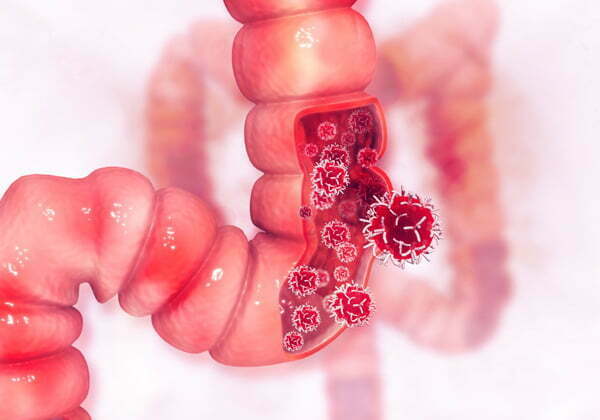
.png)


You may be sitting in an exam room right now, or at your kitchen table after an appointment, holding a packet that says “immunotherapy” and wondering what daily life will feel like. Many individuals I meet feel two things at once. Hope, because this treatment can help the immune system recognize cancer more effectively. Worry, because no one likes starting a treatment without knowing what might happen next.
That mix of feelings makes sense.
Immunotherapy is different from chemotherapy, and that's where a lot of confusion begins. Instead of directly attacking cancer cells, many immunotherapy drugs work by taking the brakes off your immune system so it can do more of the fighting itself. If you're new to the topic, this overview of what immunotherapy for cancer is can help ground the basics before you think about side effects.
The challenge is that side effects don't always follow the pattern people expect. Some show up early. Some appear weeks later. Some can linger after treatment ends. A clear immunotherapy side effects timeline helps replace that uncertainty with a plan. You don't need to memorize every rare reaction. You do need to know what tends to happen first, what deserves a same-day call, and why your care team keeps watching even after infusions stop.
Your Immunotherapy Journey Begins
A first infusion day often feels calmer than patients expected. There may be no immediate dramatic reaction. You sit in a chair, a nurse checks your vitals, the medication goes in, and you go home wondering, “Was that it?”

Then the question starts. What happens next?
Why the timeline matters
With immunotherapy, side effects can be delayed. That surprises many patients because they expect treatment symptoms to happen right away, the way a headache might follow dehydration or nausea might follow a strong medication. Immunotherapy often behaves differently. The immune system needs time to ramp up, and that means the effects can unfold over days, weeks, or months.
A useful way to think about it is this. Your treatment is not merely a drug entering your bloodstream. It's a conversation with your immune system. Once that conversation starts, your body may respond on its own schedule.
A symptom that seems minor on Monday can become much more important if it keeps building through the week.
What patients often get wrong at the start
Many people assume one of two extremes. Either they fear every itch means something dangerous, or they dismiss new symptoms because treatment was “finished” days or weeks ago. Neither approach helps. The best approach is steady observation.
Keep your focus on three simple habits:
- Notice change: Pay attention to anything new, even if it seems unrelated to cancer treatment.
- Track timing: Write down when symptoms begin, whether they come and go, and whether they're getting worse.
- Call early: Your oncology team would rather hear about a small problem early than a bigger one late.
This is not about becoming anxious. It's about becoming informed. When patients understand the immunotherapy side effects timeline, they usually feel more in control, not less.
Understanding Immune-Related Adverse Events
A patient may feel well after the first infusion, then notice a new cough two weeks later, looser stools a month later, or unusual fatigue after several cycles. That pattern can feel confusing until you know what immunotherapy is doing. It is training and stimulating your immune system, and the immune system often reacts on its own timetable.
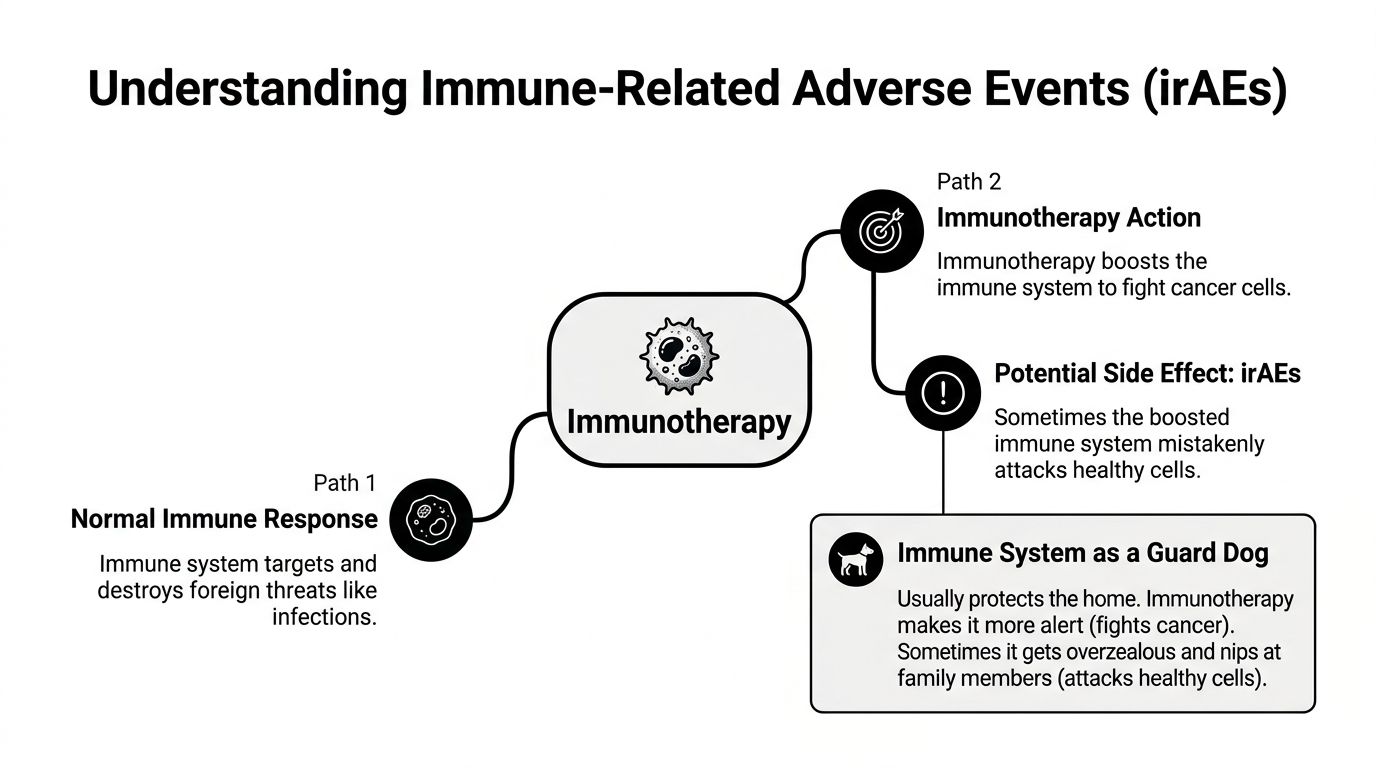
The phrase doctors use for these side effects is immune-related adverse events, or irAEs. The term sounds formal, but the idea is straightforward. Immunotherapy can help immune cells recognize cancer more clearly. In some patients, that same immune activity also causes inflammation in healthy organs such as the skin, colon, lungs, liver, thyroid, joints, or nervous system.
A plain-language way to picture it
The immune system works like a guard dog that has been trained to stop overlooking an intruder. That is the goal of treatment. The dog becomes more alert to danger, which can be very helpful when the danger is cancer.
The tradeoff is that an extra-alert guard dog may also react to the wrong target. In the body, that can look like inflammation in normal tissue. A rash is one example. Diarrhea can be another. Shortness of breath, thyroid changes, hepatitis, or joint pain can all come from the same basic process.
That is why immunotherapy side effects often differ from what patients expect with chemotherapy or other drugs. The issue is not only the medicine itself. The issue is how your own immune system responds after being activated.
How common are they
These side effects are common enough that your oncology team watches for them from the start. A review in the European Journal of Cancer describes immune-related adverse events as a frequent part of checkpoint inhibitor treatment, with risk varying by drug class and increasing with combination therapy.
The practical point is simple. Side effects are possible in many different organs, and the timing is not always early. Some begin in the first few weeks. Others show up months later. If you are also trying to separate side effects from signs that treatment may be helping, this guide on how long immunotherapy usually takes to work can give you a clearer frame of reference.
Why understanding the mechanism helps
Patients usually feel less alarmed when the pattern makes sense. If your team says a rash, cough, diarrhea, or new fatigue could be immune-related, there is a biological reason for that concern. It fits how these drugs work.
This understanding also helps you know when to call. A mild symptom that appears once and disappears may only need monitoring. A symptom that is getting worse, lasting several days, or affecting breathing, eating, bowel habits, strength, or thinking deserves a prompt call to your cancer team.
Some educational teams use visual tools to explain this process more clearly to patients and clinicians. For example, work in AI driven MOA video generation shows how treatment mechanisms can be explained in a way that is easier to follow.
During immunotherapy, the question is not just “What symptom do I have?” It is also “When did it start, is it building, and do I need to call today?”
The First Month Early Onset Side Effects
A common first-month scenario goes like this. You have your infusion, go home, and a week or two later your skin starts itching. Maybe there is a faint rash on your chest or arms. Maybe your skin just feels unusually dry. That can be the immune system showing itself on the body's surface first, which is one reason skin changes are among the earliest immune-related side effects seen with checkpoint inhibitors, often within the first few weeks of treatment, according to a review in the European Journal of Cancer.
Skin symptoms are often easier to catch than hormone changes or lung inflammation because you can see them. They are like an early warning light on a dashboard. The light does not tell you exactly how serious the problem is, but it does tell you to pay attention and report what is changing.
What early skin changes can look like
In the first month, the most common skin problems are often more irritating than dangerous at the start. Patients may notice:
- Itching: Sometimes before a rash is easy to see.
- Dry skin: Often on the arms, legs, back, or trunk.
- Red bumps or patches: A simple rash may look scattered, pink, or blotchy.
- More sensitivity: Heat, soap, tight waistbands, or rough fabric may bother the skin more than usual.
Photos help.
If a new spot or rash appears, take a picture in good light and note the date. That gives your oncology team something concrete to compare if the area spreads or changes over several days.
Some patients read a lot into a rash. They worry it means treatment is going badly, or they hope it proves the drug is working. Skin changes do not answer that question by themselves. If you are also trying to sort out side effect timing from response timing, this guide on how long immunotherapy takes to work may give you a clearer frame of reference.
What you can usually do at home
For mild symptoms, simple skin care can calm irritation while you wait for your team's advice:
- Use a plain moisturizer: Apply it after bathing, then again later if the skin still feels tight or itchy.
- Choose fragrance-free soap and detergent: Less irritation gives inflamed skin a better chance to settle.
- Keep showers warm, not hot: Hot water strips oil from the skin and often makes itching worse.
- Wear soft, loose clothing: Cotton usually feels better than rough or tight fabrics.
These steps can reduce discomfort. They do not replace a call if symptoms are building.
When a rash needs a call
What matters most is the direction. Is it stable, or is it spreading? Is it annoying, or is it starting to interfere with sleep, dressing, or daily life?
Call your oncology team during office hours if you develop a new rash, itching that lasts more than a day or two, or skin changes that are gradually expanding. Call promptly, the same day if possible, if the rash becomes painful, covers a large area, keeps getting worse, or comes with fever, mouth sores, or swelling.
Seek urgent medical advice right away for blistering, peeling skin, skin that looks burned, or any rash that is affecting the eyes, lips, or inside the mouth.
| Skin symptom | Usual response |
|---|---|
| Mild dryness or mild itching | Track it, take photos, and report it soon |
| Small, limited rash | Call during office hours for guidance |
| Rapidly worsening rash, pain, blistering, peeling | Seek urgent medical advice right away |
Practical rule: If a skin change is getting worse over days instead of settling down, contact your cancer team before the next scheduled visit.
The first month is often quiet in other ways, and that can make early symptoms easy to dismiss. Try to build one habit now. Notice the change, write down when it started, and call before a mild problem has time to grow.
Months Two and Three The Peak Window for irAEs
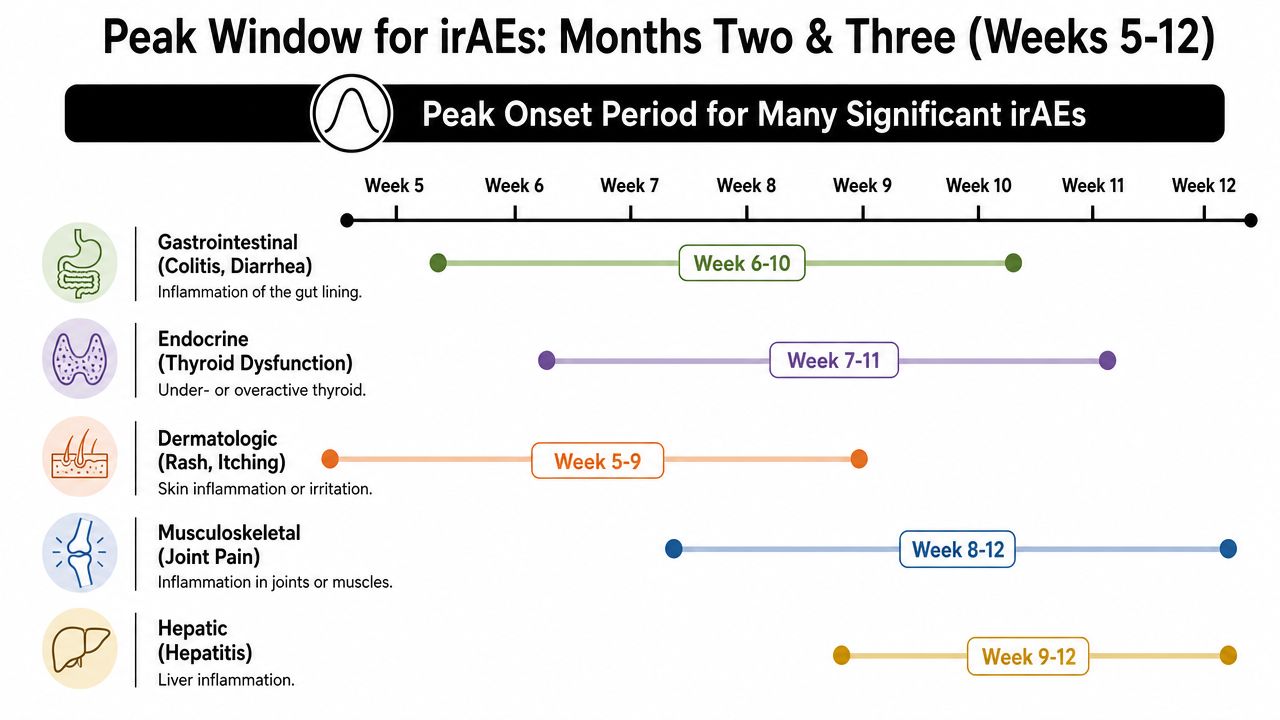
You are about six weeks into treatment. The rash from early treatment may have stayed mild, or maybe you have felt mostly normal so far. Then your bowels change, your breathing feels a little tighter on stairs, or your energy suddenly drops in a way that does not feel like ordinary fatigue. This is often the point when immunotherapy starts to show more of its immune effects.
Weeks five through twelve are often the busiest part of the timeline for immune-related side effects. A review in the European Journal of Cancer on the timing of immune-related adverse events with checkpoint inhibitors describes a pattern many oncology teams recognize in clinic: bowel inflammation often appears within the first couple of months, lung inflammation often shows up a bit later, and some hormone problems can emerge gradually over time.
Gut symptoms often arrive first in this phase
Colitis means inflammation in the colon. In real life, it may start with what seems like a small change. One extra loose stool. A little cramping after meals. A sense that your stomach is off.
That is why it gets missed.
Patients often blame food, stress, antibiotics, or a virus. Sometimes that guess is right. During immunotherapy, though, a changing bowel pattern deserves a call because immune-related colitis can intensify over days.
Call your oncology team the same day if you notice:
- Diarrhea that is continuing or increasing
- Cramping or abdominal pain that keeps coming back
- Blood or mucus in the stool
- Trouble drinking enough to stay hydrated
- Bowel movements that are clearly more frequent than your normal
A simple rule helps here. If your gut symptoms are heading in the wrong direction instead of settling down, report them before the next visit.
Lungs can become inflamed later, and early signs can seem ordinary
Pneumonitis is inflammation in the lungs. It can be subtle at first. A dry cough may sound like allergies. Mild shortness of breath may seem like being out of shape. Some patients first notice that carrying groceries or walking to the bathroom feels harder than it did last week.
Treat any breathing change as a prompt to check in.
Call urgently if you develop:
- A new cough
- Shortness of breath that is new or worsening
- Chest discomfort when breathing
- A clear drop in exercise tolerance over a few days
These symptoms do not always mean pneumonitis. They do mean your team should hear about them quickly.
A brief patient education video can help reinforce that timeline and symptom pattern:
Hormones and organs can change quietly
Some side effects are less dramatic but just as important. Thyroid problems, adrenal inflammation, pituitary changes, and liver irritation may show up first in lab work or through vague symptoms that are easy to wave away.
This part can feel confusing because the signs are not specific. Patients may say, "I just don't feel like myself." That description matters.
Watch for patterns such as:
- Fatigue that feels different from your usual tiredness
- Dizziness or lightheadedness
- New headaches
- Nausea without a clear reason
- Dark urine or yellowing of the skin or eyes
- Feeling unusually weak, foggy, or generally unwell
Lab checks work like the dashboard lights in a car. They can warn your team about liver or hormone inflammation before the problem becomes obvious. Keep those appointments, even if you feel mostly fine.
When to call, and when to call now
A good question in months two and three is not, "Can I tough this out?" A better question is, "Is this new, lasting, or getting worse?"
Call during office hours for symptoms that are mild but clearly building, such as increasing diarrhea, a new mild cough, or unusual fatigue that persists for more than a day or two.
Call the same day for blood in the stool, repeated vomiting, trouble keeping fluids down, worsening belly pain, new shortness of breath, chest pain with breathing, confusion, severe weakness, or yellowing of the eyes or skin.
This stretch of treatment is often where early reporting makes the biggest difference. Small sparks are easier to put out than a fire that has had time to spread.
Months Four and Beyond Late and Long-Term Effects
You finish an infusion, ring the bell, or hear that treatment is on pause, and it is natural to hope the side effect chapter is closing. Sometimes it is. Sometimes the immune system stays active a little longer, like a thermostat that keeps running after the room has already warmed up.
That is why months four and beyond deserve their own kind of attention.
At this stage, the pattern often shifts. Instead of sudden problems, you may notice slower changes that settle in over weeks. Some immune-related side effects begin late. Others continue after treatment ends and start to look less like a short reaction and more like an ongoing health issue that needs follow-up.
What long-term effects can look like
Researchers studying patients treated with immune checkpoint inhibitors have found that some immune-related side effects can persist for months after therapy stops, especially hormone, skin, and joint problems, as described in this JAMA Oncology summary from Penn Medicine on lasting immunotherapy side effects.
For patients, that changes the question from "Am I done with treatment?" to "What still needs watching?"
A few examples are common:
- Thyroid problems: Low thyroid function may appear later or continue long term. You might feel unusually tired, cold, slowed down, constipated, or mentally foggy.
- Joint pain or stiffness: Hands, knees, shoulders, or hips can ache in a way that makes mornings harder or daily tasks more tiring.
- Skin changes: Rash, itching, or dry irritated skin may linger even after the most active inflammation settles.
Some people also need ongoing medicines, such as thyroid hormone replacement, or periodic visits with endocrinology, dermatology, or rheumatology.
Why these symptoms are easy to miss
Late effects rarely announce themselves dramatically. They often blend into ordinary life. Fatigue gets blamed on stress. Stiff joints get blamed on age. Brain fog gets blamed on poor sleep.
The timing still matters.
If a symptom is new, persistent, or clearly different from your usual baseline, it is reasonable to ask whether immunotherapy could still be part of the story, even if your last infusion was weeks or months ago. This is also why some patients who are no longer focused on infusion-day issues benefit from reviewing broader patterns of treatment recovery, including common side effects during cancer infusions.
A practical month-by-month mindset after month four
A simple way to approach this phase is to track function, not just symptoms.
In month four or five, ask: "Am I getting back to my usual energy and routine, or am I drifting away from it?" By six months and beyond, ask: "Has anything become the new normal that should not be?" That might be a rash that never fully clears, increasing stiffness, or fatigue that keeps limiting work, exercise, or concentration.
Call your oncology team during office hours if you notice a change that persists for more than several days, especially fatigue with cold intolerance, ongoing joint swelling or stiffness, or a rash that is spreading or becoming more uncomfortable.
Call the same day for shortness of breath, chest pain, severe weakness, confusion, significant dehydration, or any symptom that is quickly worsening. Late timing does not make a serious symptom less urgent.
Living in the survivorship phase
This part of the journey can be emotionally confusing. Many patients expect the end of treatment to bring a clean finish line. Instead, follow-up continues with a different goal. The focus shifts from preventing acute complications to helping you live well with your post-treatment baseline.
Keep a short log of changes in energy, mood, bowel habits, skin, breathing, and joint function. Bring that pattern to visits. A good timeline often helps your team connect dots faster than a single symptom mentioned in isolation.
Some healthcare groups are also working to make long-term follow-up more coordinated across clinics and settings. If you are interested in that bigger picture, our work in healthcare solutions offers one view of how support systems are built around patient monitoring and care operations.
Your Proactive Monitoring and Management Plan
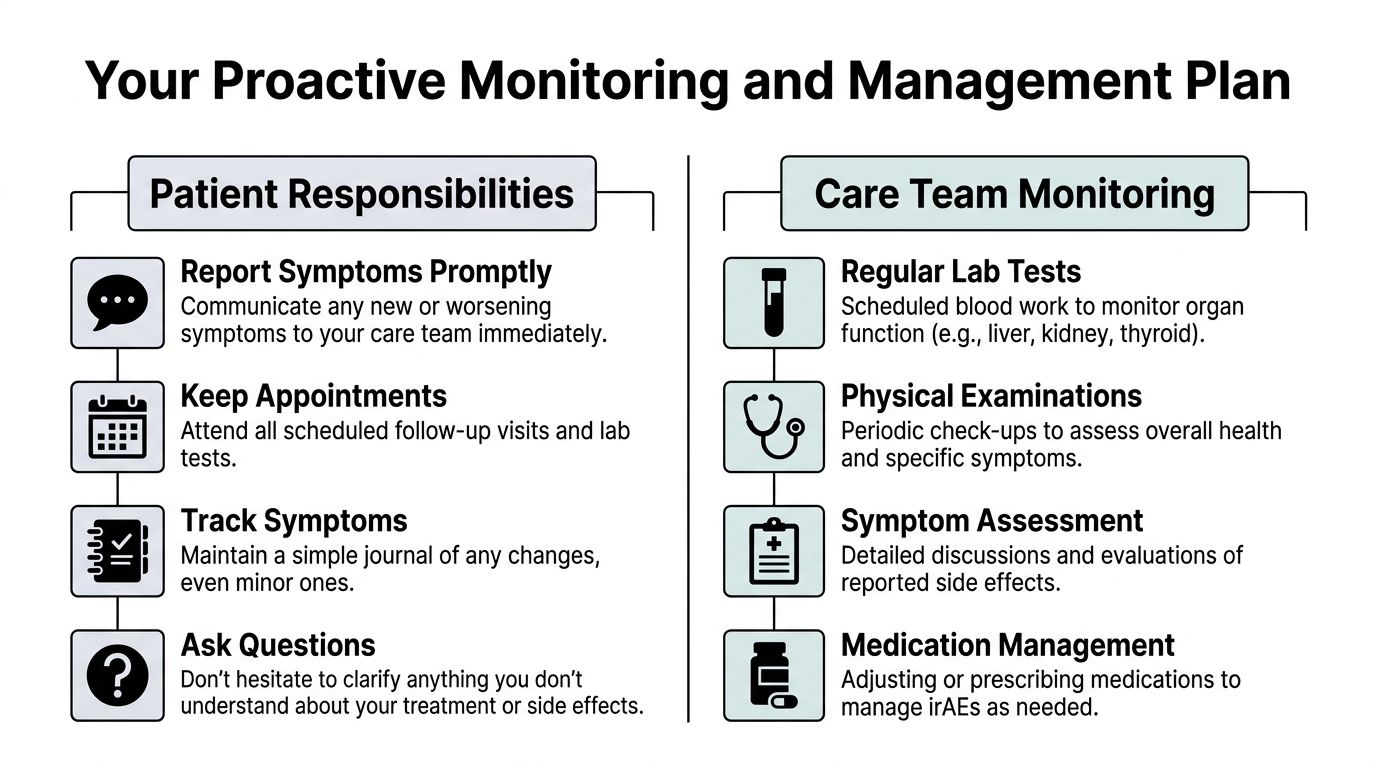
The safest patients on immunotherapy are not the patients with no symptoms. They're the patients who report changes early and stay engaged with follow-up. A good monitoring plan turns the immunotherapy side effects timeline into something practical.
What your care team is usually watching
During treatment, oncology teams commonly review symptoms, examine you, and order blood work to watch organ function and hormone levels. That can include checks related to the liver, kidneys, and thyroid. The exact schedule depends on your regimen and your medical history, but the principle is the same. Catch inflammation before it becomes a crisis.
Many healthcare groups are also trying to make follow-up more coordinated across settings. If you're interested in how technology teams approach patient support, symptom tracking, and care operations, our work in healthcare solutions offers a useful view into that broader field.
Your three-level action guide
Use this simple framework when deciding how urgently to act.
Call during office hours
These symptoms may not be emergencies, but they deserve timely attention:
- A mild new rash
- Itching that keeps returning
- New fatigue that lasts
- A change in bowel habits that isn't severe
- Joint aches that are building over time
If you want a practical comparison with other outpatient treatment reactions, this guide to cancer infusion side effects can help you think through what belongs on your symptom list.
Call the same day or after-hours line
These changes should not wait for your next routine appointment:
- Diarrhea that is frequent or worsening
- New abdominal pain
- A worsening cough
- Shortness of breath
- Marked dizziness or confusion
- Yellowing of the eyes or skin
- A rapidly spreading rash
Go to the ER or seek urgent emergency help
Some symptoms need immediate in-person evaluation:
- Severe breathing trouble
- Chest pain
- Severe dehydration
- Extreme weakness or fainting
- A severe skin reaction with blistering or peeling
- Any sudden neurologic change, such as difficulty speaking or major weakness
Keep one running note on your phone with symptom start dates, what changed, and whom you spoke with. That small habit can make urgent decisions much easier.
The most helpful patient habit
Don't edit yourself before you call. Patients sometimes apologize for “bothering” the team with symptoms that later turn out to be important. It's better to report early and be reassured than to wait until a manageable problem becomes harder to control.
Patient FAQs on Living with Immunotherapy
Can side effects mean the treatment is working
Sometimes patients look for a simple yes or no answer here, but medicine rarely gives one. Side effects can happen because the immune system has become more active, but that doesn't mean every side effect predicts treatment success. It also doesn't mean treatment isn't working if you feel very little. Your scans, labs, and clinical course tell that story more reliably than any single symptom.
Will these side effects go away permanently
Some do. Some don't.
Skin irritation or bowel inflammation may improve and stay quiet after treatment and proper management. Endocrine problems are different. When the thyroid, adrenal system, or pancreas is affected, the result can be a longer-term condition that needs ongoing treatment. The key is not to assume all side effects are temporary just because the infusion schedule has ended.
How should I talk to my other doctors about this
Tell every clinician you see that you're on immunotherapy, or that you recently finished it. That includes urgent care doctors, emergency physicians, endocrinologists, pulmonologists, and your primary care doctor. A cough, diarrhea, or dizziness may be interpreted very differently once they know your immune system has been medically activated.
A simple sentence works well: “I'm receiving immunotherapy for cancer, and I've been told some side effects can be immune-related and delayed.”
What about fertility and hormones
This is one of the most frustrating gaps in patient education. The timeline is not well defined. The Melanoma Focus patient guide on immunotherapy side effects notes that while chronic side effect lists include fertility problems, there isn't data on when these issues appear or whether they are reversible.
That uncertainty matters. If fertility, future pregnancy, family building, or hormone function is important to you, bring it up before treatment starts if possible. Even when medicine doesn't yet have precise answers, your team can help you plan the conversation and consider referrals when appropriate.
What is the most important takeaway
Know your baseline. Notice change. Report early.
That's the clearest way to move through the immunotherapy side effects timeline with confidence rather than fear.
If you or a loved one is preparing for immunotherapy and want thoughtful guidance on treatment options, side effect monitoring, and individualized cancer care, Hirschfeld Oncology offers practical education and compassionate support for patients navigating complex diagnoses.
.png)
.png)