


.png)


A chemotherapy diagnosis can feel like a lot to take on, and the thought of side effects often adds another layer of anxiety. But I want to start by saying this: you have more control than you might think. Managing the side effects of chemo is an active, collaborative process between you and your care team. Most of these challenges are temporary, and nearly all of them are treatable.
With a good plan—mixing practical home care, clear communication with your oncology team, and the right medical support—you can make a real difference in your day-to-day quality of life during treatment.
Thriving During Treatment: A Practical Approach
Everyone's journey through chemotherapy is different, but the concern about side effects is a near-universal experience. This guide isn't meant to be a dry, clinical document. Think of it as a conversation—a practical companion filled with strategies we've seen work for countless patients over the years. We're going to focus on what you can actually do, starting today, to feel better and stay in control.
Let's be realistic: side effects are common. But they are not something you just have to "tough out." In fact, research shows just how prevalent they are. One major study that followed patients for six months after their first chemo treatment found that an incredible 97.4% experienced at least one side effect.
Fatigue was the biggest one, hitting 87% of patients, with loss of appetite and diarrhea not far behind. What's more, about two-thirds of these patients were juggling six or more side effects at the same time. This really underscores how important it is to have a plan. If you're interested, you can read more about these patient experiences and why symptom management is so critical.
This guide will break down those challenges one by one, offering clear, hopeful steps for each.
Common Chemo Side Effects At a Glance
To give you a starting point, here’s a quick overview of what many people experience. Consider this your quick-reference chart before we dive deeper into each topic. It’s a simple look at the side effect, what it typically feels like, and a preview of one strategy we’ll cover.
This table is just the beginning. In the following sections, we'll unpack each of these with detailed, actionable advice to help you feel prepared and empowered on your treatment path.
Tackling Nausea and Digestive Issues Head-On
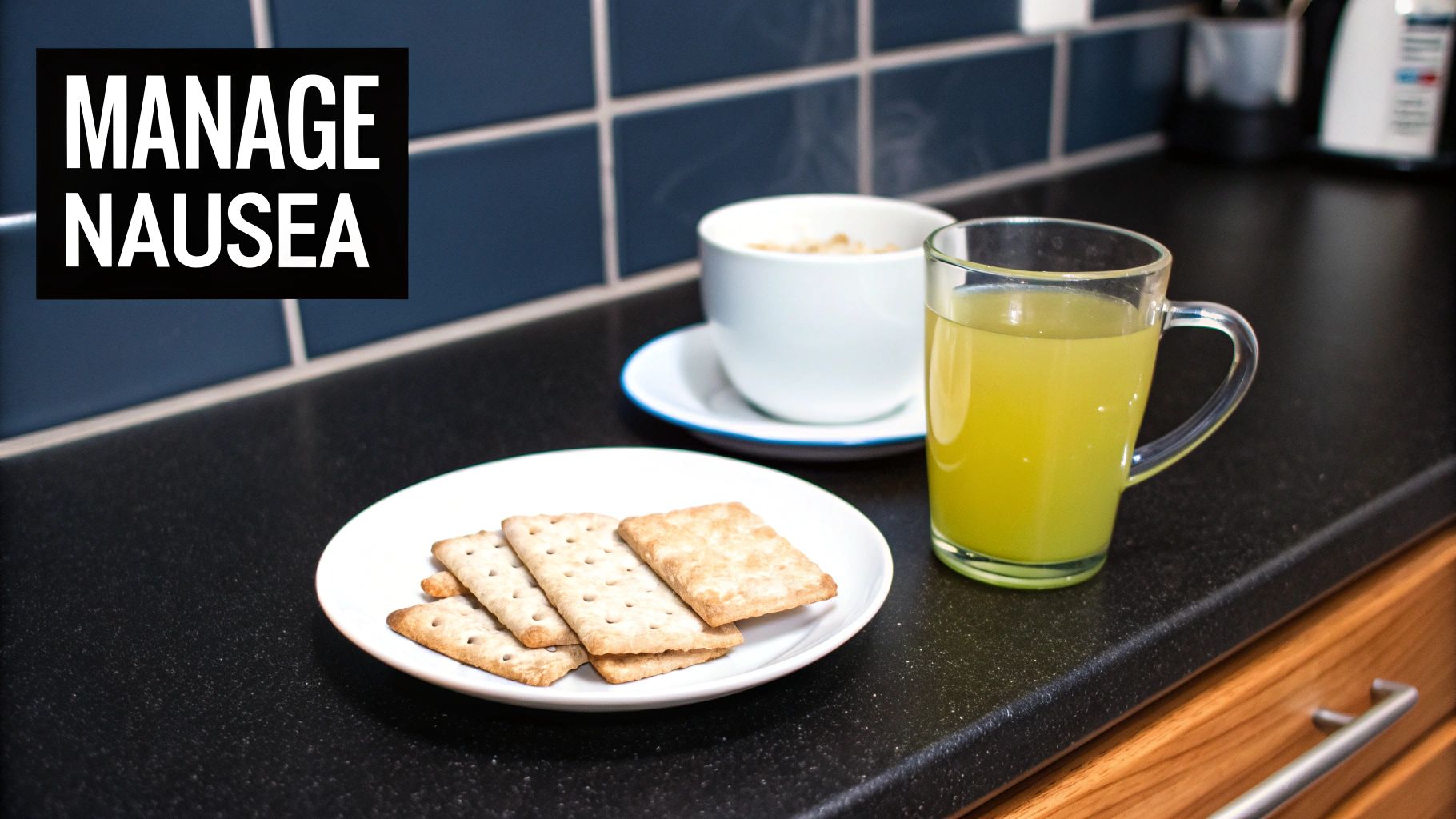
When you hear "chemotherapy," nausea is probably the first thing that springs to mind. It's a valid concern—affecting over 70% of patients—but the reality today is far more manageable than you might think. We've made incredible strides in controlling it, and you have more power over this side effect than you realize.
Managing nausea isn't just about popping a pill when you feel sick. It's a proactive strategy. It involves your diet, how you time your meals and medications, staying hydrated, and keeping an open line of communication with your care team.
Your Anti-Nausea Game Plan
The absolute key to controlling nausea is to get out ahead of it. Please don't wait for that wave of queasiness to wash over you before you react. The most effective approach is to think of your anti-nausea medication as a shield, not a rescue remedy.
Your oncologist will give you a specific schedule for these medications, often starting before your infusion even begins. Sticking to that schedule—even when you feel perfectly fine—is the single most important thing you can do to prevent chemotherapy-induced nausea and vomiting (CINV).
"Think of radiation therapy like a marathon, not a sprint... No awards are given to patients who opt for fewer medications to manage symptoms and side effects. Take what helps you feel good. There’s not an ounce of shame in prioritizing comfort." - A patient's advice on prioritizing comfort.
Beyond medication, here are some other powerful tools you can use:
- Graze, Don't Gorge: An empty stomach is a nauseous stomach's worst enemy. Instead of three big meals, try eating five or six small, snack-sized portions throughout the day.
- Keep it Bland: Now is not the time for culinary adventures. Simple, easy-to-digest foods are your best friends. Think crackers, toast, rice, plain chicken, or bananas.
- Dodge Strong Smells: Strong odors from cooking, perfume, or even coffee can be major triggers. If possible, ask a family member to handle the cooking or stick to cold foods, which have less of an aroma.
- Stay Upright After Meals: Resist the urge to lie down right after you eat. Sitting up for at least an hour helps with digestion and can keep feelings of nausea at bay.
What to Eat and Drink
Food and drink are your allies in this fight. The goal is to keep your system calm and nourished without adding any extra stress. Greasy, fried, spicy, or super-sweet foods are often hard to digest and can make you feel worse.
Hydration is just as critical, but sometimes plain water just doesn't sit right. Sipping on other clear liquids throughout the day can be much more soothing.
Smart Food and Drink Choices
If you're still struggling, try keeping a simple food diary. Just jot down what you ate, when you ate it, and how you felt afterward. This can be a game-changer for identifying specific personal triggers you can share with your care team.
Navigating Constipation and Diarrhea
Chemotherapy can throw your entire digestive system for a loop, sometimes causing constipation and other times triggering diarrhea. Both are uncomfortable, but you don't have to just suffer through them.
For constipation, the first and most important step is to increase your fluid intake. Gentle movement, even just a short walk around the house, can also help get things moving. If you're still backed up, your doctor can recommend a stool softener or a gentle laxative.
For diarrhea, the priority is staying hydrated to replace the fluids and electrolytes you're losing. The BRAT diet (Bananas, Rice, Applesauce, Toast) is a tried-and-true strategy because these foods are binding and easy on your system. It's also wise to avoid dairy, high-fat foods, and anything else that might cause irritation.
When to Call Your Oncology Team
While these home strategies are your first line of defense, you have to know when to call for backup. Your care team at Hirschfeld Oncology is your partner, and we need to know what's going on to help you effectively.
Don't hesitate to contact your doctor or nurse right away if you experience any of these symptoms:
- You can't keep anything down: If you are vomiting and unable to hold down liquids for more than 24 hours.
- Severe diarrhea: More than six watery stools in a 24-hour period.
- Signs of dehydration: Feeling dizzy or lightheaded, having a very dry mouth, or noticing your urine is dark and infrequent.
- Significant abdominal pain: Any cramping or pain that is intense and doesn't ease up.
These issues can lead to serious complications if they aren't addressed quickly. Your team has access to stronger medications and IV fluids that can bring you relief and stop a problem from getting worse. For a deeper dive, you can learn more about managing cancer-related nausea in our detailed guide.
Fighting Fatigue and Conserving Your Energy
Of all the challenges that come with treatment, the fatigue that chemo brings is often the most profound and misunderstood. This isn't just feeling tired after a long day. It’s a bone-deep exhaustion that sleep doesn't always fix, and it can be incredibly frustrating.
This kind of fatigue hits about 80% of patients, so you are definitely not alone. The secret to managing it isn't about finding a magic cure, but rather about becoming a master of your own energy reserves. It’s a shift in mindset from "pushing through it" to strategically conserving and spending your energy where it truly matters.
Become an Energy Accountant
Think of your daily energy like a bank account with a strict, limited balance. To manage it well, you first need to understand where it's all going. A simple "energy audit" can be a total game-changer here.
For a few days, just keep a simple log. Jot down what you do and, more importantly, how you feel afterward. You might be surprised to find that a morning shower wipes you out more than you realized, or that you have a predictable energy spike around 11 a.m.
Once you see your patterns, you can start to budget that energy:
- Pick Your Battles: Decide what absolutely must get done today—like a doctor's appointment or a short walk—and what can honestly wait.
- Ride Your Energy Waves: Plan your most demanding tasks for those times when you know you typically feel your best. Save lower-energy activities, like reading or watching TV, for the dips.
- Let People Help: This is so important. Accepting help isn’t a sign of weakness; it’s a sign of strength. Let friends and family take over grocery runs, cooking, or cleaning. That frees up your precious energy for things only you can do.
The Power of Gentle Movement
I know, I know. When you're exhausted, the very last thing you want to hear is "you should exercise." But one of the biggest myths about chemo fatigue is that you should stay completely still. In a strange twist, small amounts of gentle movement can actually give you a little energy boost.
We're not talking about running a marathon. The goal is just to get your body moving and your blood flowing. A slow, 10-minute walk around the block or some simple stretches in your living room can make a world of difference. It helps with stiffness, lifts your mood, and can break that vicious cycle of fatigue.
Listening to your body is the number one rule. If you feel tired, rest. But if you feel you have a little something in the tank, a bit of movement is one of the best tools you have to fight back against the exhaustion.
Is It Just the Chemo?
Sometimes, fatigue isn't just a direct hit from the chemo drugs. It can be a big, red flag for another issue that your oncology team can help with. Two of the most common culprits are poor nutrition and anemia.
Anemia is a condition where your body doesn't have enough healthy red blood cells to carry oxygen where it needs to go. It’s a very common and treatable cause of that profound, can't-get-off-the-couch exhaustion. Your team will be checking your blood counts, but it’s crucial that you report worsening fatigue.
Poor sleep can also make fatigue a hundred times worse. If side effects like night sweats are disrupting your rest, you're fighting an uphill battle. If this is happening, finding the best bedding for night sweats can sometimes make a surprisingly big difference in getting the restorative sleep you desperately need.
When to Call Your Oncology Team
While you can expect some level of fatigue, certain signs are your body’s way of saying something more serious might be going on. You know your body best, and any major change is worth a call to your doctor or nurse.
It is absolutely critical to contact us at Hirschfeld Oncology immediately if your fatigue comes with any of these symptoms:
- Shortness of breath or feeling like you can't catch your breath.
- Feeling dizzy, lightheaded, or like you might pass out.
- Confusion or an inability to think clearly.
- A rapid heart rate that just doesn't feel right.
These can be signs of severe anemia, an infection, or other complications that need immediate medical attention. Never write off severe fatigue as "just a side effect." When you communicate clearly with us, it allows our team to investigate and give you the right support, whether that's medication, IV fluids, or even a blood transfusion to get your energy back up.
Protecting Yourself From Infection and Nerve Damage
Beyond the more commonly discussed side effects like nausea and fatigue, chemotherapy can introduce challenges that require a different kind of awareness. Two big ones are the risk of infection and the potential for nerve damage. While you can't see them, their impact can be significant, which is why being proactive is one of the most powerful things you can do.
The goal here isn’t to cause worry, but to empower you. Think of it like learning the rules of the road before you start driving. When you know what to watch for—what a fever really means during chemo, or the first subtle signs of nerve damage—you're in a much better position to protect yourself and keep your treatment on track.
Guarding Against Infection When Your Defenses Are Low
Chemotherapy is designed to go after rapidly dividing cells. That's fantastic for targeting cancer, but it also means it can affect healthy cells that divide quickly, like those in your bone marrow. This is where your neutrophils are made—the white blood cells that act as your body's first responders to infection.
When your neutrophil count drops, you enter a state called neutropenia. This temporarily weakens your immune system, making you more susceptible to bacteria and other germs. You don't have to live in a sterile bubble, but adopting a few smart habits can make all the difference:
- Master the art of handwashing. This is your single best defense. Wash thoroughly with soap and water often, especially before you eat, after using the bathroom, and any time you come home from being out.
- Be smart about crowds. When your white blood cell count is at its lowest (your care team will tell you when this "nadir" period is expected), it's wise to skip crowded indoor places like movie theaters or busy shopping malls.
- Handle food safely. Make sure meats are cooked all the way through, and give all your fruits and vegetables a good wash before eating.
- Protect your skin. Any cut or scrape is a potential doorway for germs. Be careful when shaving, use a good moisturizer to prevent your skin from cracking, and clean any minor wounds right away with soap and water.
Staying on top of side effects is critical because they can sometimes force a change in your treatment plan. In a study of over 1,600 patients, 54% had at least one adverse event, and for 20% of them, it led to a reduced dose or a delay in their chemo schedule. Infections and blood count issues were some of the most common culprits. You can see the data on these treatment impacts to understand just how important this is.
The "Fever Rule" You Can't Ignore
When you’re neutropenic, a fever isn't just a fever—it's a potential medical emergency. Your body doesn’t have its usual army of cells to fight back, so even a low temperature can signal a serious infection brewing.
Your oncology team will give you a specific number, but the universal rule is this: a single temperature reading of 100.4°F (38°C) or higher is an immediate call to your doctor or the on-call service. This rule applies 24/7, weekends and holidays included.
Whatever you do, don't take Tylenol, Advil, or other fever-reducers before you call. It can mask the fever and delay a proper diagnosis. Calling right away allows your team to assess the situation and, if necessary, get you started on antibiotics immediately. This quick action can stop a small problem from turning into a very big one. For a deeper dive, our guide on a low white blood cell count during chemo has more details.
What to Do About Nerve Pain and Numbness (Neuropathy)
Another side effect we watch for very closely is chemotherapy-induced peripheral neuropathy (CIPN). This is a fancy term for nerve damage that typically shows up in your hands and feet. Certain chemo drugs can be tough on the delicate nerve endings farthest from your brain and spinal cord.
The symptoms can be subtle at first, maybe even just a little strange. The key is to speak up the moment you notice anything. Early intervention is the best way to prevent the damage from becoming severe or even permanent.
Early Warning Signs of Neuropathy
Telling your care team about these feelings isn't complaining—it's providing crucial data they need to protect you. Based on what you're experiencing, they might be able to adjust your chemotherapy, add medications to ease the symptoms, or recommend therapies. Protecting your nerve function is a huge part of making sure you have a good quality of life long after treatment is over.
Navigating Hair Loss and Skin Changes
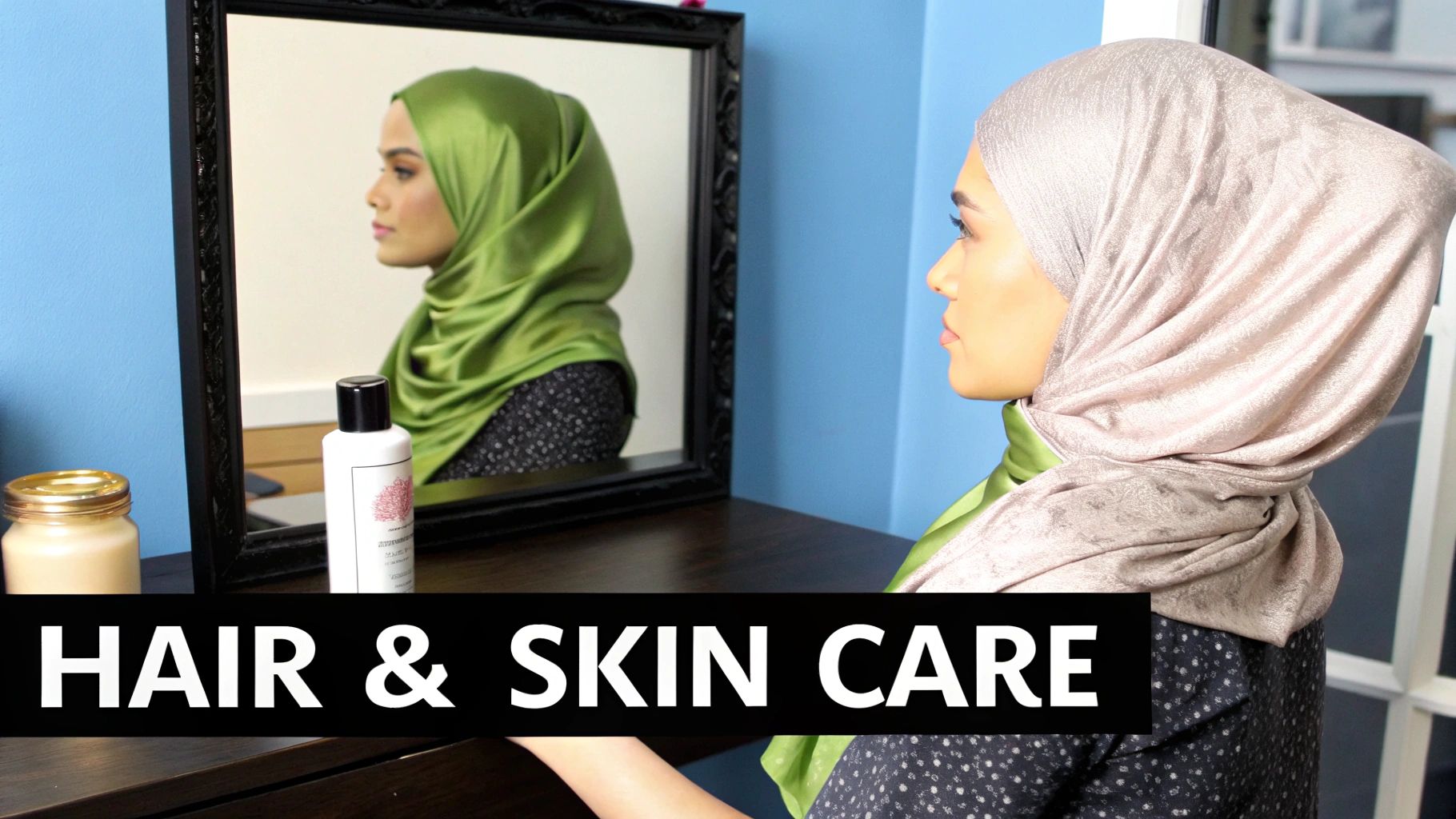
The physical changes from chemotherapy are often the most visible, and frankly, they can hit hard. Dealing with hair loss or reactive skin can profoundly affect how you see yourself. Not every chemo drug causes these issues, but knowing what might happen—and what you can do about it—gives you back a measure of control.
This isn't about vanity. It’s about feeling like you when so much else feels foreign. Taking proactive steps to manage these changes is a powerful form of self-care and a vital part of your overall well-being.
Preparing For and Managing Hair Loss
Hair loss, or alopecia, is one of the most recognized side effects of chemotherapy, affecting around 65% of patients. It can be a really emotional experience, but there are practical things you can do to prepare and to care for your scalp.
Many people find that cutting their hair short before treatment begins helps. A shorter style can make the thinning process feel less dramatic and gives you a sense of taking charge. Hair loss typically starts a few weeks into your treatment, and you might notice your scalp becoming tender or sensitive.
- Go gentle. Switch to a mild, fragrance-free baby shampoo and wash your hair less often. When you’re done, pat your scalp dry with a soft towel instead of rubbing.
- Keep your head covered. Your scalp is suddenly much more exposed to sun and cold. A soft cotton beanie, a silk scarf, or a comfortable hat is essential for protection and warmth, especially at night when you lose a lot of body heat through your head.
- Do what feels right for you. Whether you decide to rock a bald head, use a soft covering, or wear a wig is a completely personal choice. There’s no right or wrong way—only the way that helps you feel most comfortable and confident.
It’s completely okay to grieve the loss of your hair. This is a real loss. Talking about it with a trusted friend, a support group, or your oncology team can make a huge difference in how you process these feelings.
If you do opt for a wig, getting it to look and feel authentic can be a big confidence booster. You can find some great tips on how to make a wig look natural that can help you feel more like yourself.
Caring For Your Skin and Nails
Chemotherapy doesn't just affect your hair. It can make your skin incredibly dry, itchy, and sensitive to the sun. Your nails might also become brittle, change color, or develop ridges. These changes mean you'll need to shift your daily routine to one that’s all about gentle, protective habits.
Think of your skin as your first line of defense; keeping it healthy is more important than ever. A simple, consistent routine can stop minor irritation from turning into a bigger problem.
Your Gentle Skincare Toolkit
By taking on these simple but effective habits, you can soothe your skin, protect your nails, and feel a little more comfortable and in control during your treatment.
Partnering With Your Oncology Team
Managing chemotherapy side effects is a genuine team sport, and you are the most important player. Think of your oncology team—your doctors, nurses, and support staff—as your dedicated partners, but they can only act on the information you give them.
Your voice is truly the most powerful tool you have.
This isn't about complaining; it's about reporting. Keeping a simple log of your symptoms, even just scribbled notes on a calendar, can provide invaluable clues for your team. When did the nausea start? Did the anti-fatigue walk actually help? This kind of detailed feedback allows us to be proactive, adjusting a prescription or tweaking your treatment schedule to keep you feeling as well as possible.
"I have learned that this is not complaining — it is informing." - Anne K., a patient on the importance of speaking up about symptoms.
Ultimately, your day-to-day experience guides your care plan. By actively participating, you help us tailor your treatment to do more than just fight the cancer—it helps us preserve your quality of life throughout the process.
To feel more prepared for your next visit, take a look at our guide on the best questions to ask your oncologist.
Your Questions Answered: Navigating Chemo Side Effects
Going through treatment naturally brings up a lot of questions. We get it. Here are some straightforward answers to the most common concerns we hear from patients and their families about handling the side effects of chemotherapy.
When Do I Need to Call My Doctor About a Side Effect?
This is probably the most important question we get, and the answer is simple: when in doubt, call. It’s always better to check in and find out it’s nothing serious than to wait and have a problem get worse.
That said, there are a few situations that are absolutely non-negotiable. You need to call your oncology team immediately if you develop:
- A fever of 100.4°F (38°C) or higher
- Shaking chills (sometimes called rigors)
- Sudden shortness of breath
- Any new or severe pain that you can't explain
Other urgent red flags include not being able to keep any liquids down for a full 24 hours, diarrhea that won't stop, or experiencing sudden confusion or unusual bleeding. Seriously, your care team expects these calls and is there to help you 24/7.
How Can I Get Ready for My First Chemo Session?
A little bit of prep work can make a world of difference in how you feel during and after that first treatment. Think of the days before your first infusion as a time to "bank" your energy. Focus on eating well and drinking plenty of water to build up your body's reserves for the work ahead.
Here are a few practical things you can do:
- Line up a ride. Don't plan on driving yourself. Ask a friend or family member to take you to and from at least your first couple of appointments until you get a sense of how the treatment affects you.
- Stock your kitchen. The last thing you'll want to do when you're feeling drained is cook a big meal. Prepare some simple, easy-to-digest meals, soups, and snacks ahead of time.
- Pack a "comfort kit." Bring a few things to make your time at the infusion center more pleasant. Think warm blanket, headphones, a good book or tablet, and some bland snacks like crackers.
The single most important thing? Talk to your doctor about an anti-nausea plan before you even start. Getting ahead of nausea by taking medication before treatment is one of the best strategies for keeping it under control.
Are the Side Effects the Same for All Chemo Drugs?
Not at all. This is a common misconception. The side effects you might experience are highly specific to the particular drug you’re receiving, the dose, and your own unique health. For instance, one drug might be well-known for causing hair loss, while another is more likely to trigger nerve pain (neuropathy) or mouth sores.
Your treatment plan isn't a one-size-fits-all prescription. Your oncologist carefully designs a regimen based on your specific cancer and your overall health, often working to minimize the very side effects that would most impact your quality of life.
This is exactly why your team at Hirschfeld Oncology puts so much thought into tailoring your regimen. By selecting specific targeted therapies, immunotherapies, or sometimes using lower-dose chemotherapy combinations, we can often attack the cancer effectively while dialing down the toxicity and side effects you have to deal with.
At Hirschfeld Oncology, our goal is to create a treatment plan that fits your life—not the other way around. If you’re looking for options to manage your cancer with a clear focus on your quality of life, we invite you to request a consultation and learn more.
.png)
.png)






